Patrick Deneen - Böcker
Visar alla böcker från författaren Patrick Deneen. Handla med fri frakt och snabb leverans.
3 produkter
3 produkter
1 484 kr
Skickas inom 3-6 vardagar
The American political reformer Herbert Croly wrote, "For better or worse, democracy cannot be disentangled from an aspiration toward human perfectibility." Democratic Faith is at once a trenchant analysis and a powerful critique of this underlying assumption that informs democratic theory. Patrick Deneen argues that among democracy's most ardent supporters there is an oft-expressed belief in the need to "transform" human beings in order to reconcile the sometimes disappointing reality of human self-interest with the democratic ideal of selfless commitment. This "transformative impulse" is frequently couched in religious language, such as the need for political "redemption." This is all the more striking given the frequent accompanying condemnation of traditional religious belief that informs the "democratic faith." At the same time, because so often this democratic ideal fails to materialize, democratic faith is often subject to a particularly intense form of disappointment.A mutually reinforcing cycle of faith and disillusionment is frequently exhibited by those who profess a democratic faith--in effect imperiling democratic commitments due to the cynicism of its most fervent erstwhile supporters. Deneen argues that democracy is ill-served by such faith. Instead, he proposes a form of "democratic realism" that recognizes democracy not as a regime with aspirations to perfection, but that justifies democracy as the regime most appropriate for imperfect humans. If democratic faith aspires to transformation, democratic realism insists on the central importance of humility, hope, and charity.
594 kr
Skickas inom 3-6 vardagar
The American political reformer Herbert Croly wrote, "For better or worse, democracy cannot be disentangled from an aspiration toward human perfectibility." Democratic Faith is at once a trenchant analysis and a powerful critique of this underlying assumption that informs democratic theory. Patrick Deneen argues that among democracy's most ardent supporters there is an oft-expressed belief in the need to "transform" human beings in order to reconcile the sometimes disappointing reality of human self-interest with the democratic ideal of selfless commitment. This "transformative impulse" is frequently couched in religious language, such as the need for political "redemption." This is all the more striking given the frequent accompanying condemnation of traditional religious belief that informs the "democratic faith." At the same time, because so often this democratic ideal fails to materialize, democratic faith is often subject to a particularly intense form of disappointment.A mutually reinforcing cycle of faith and disillusionment is frequently exhibited by those who profess a democratic faith--in effect imperiling democratic commitments due to the cynicism of its most fervent erstwhile supporters. Deneen argues that democracy is ill-served by such faith. Instead, he proposes a form of "democratic realism" that recognizes democracy not as a regime with aspirations to perfection, but that justifies democracy as the regime most appropriate for imperfect humans. If democratic faith aspires to transformation, democratic realism insists on the central importance of humility, hope, and charity.
133 kr
Tillfälligt slut
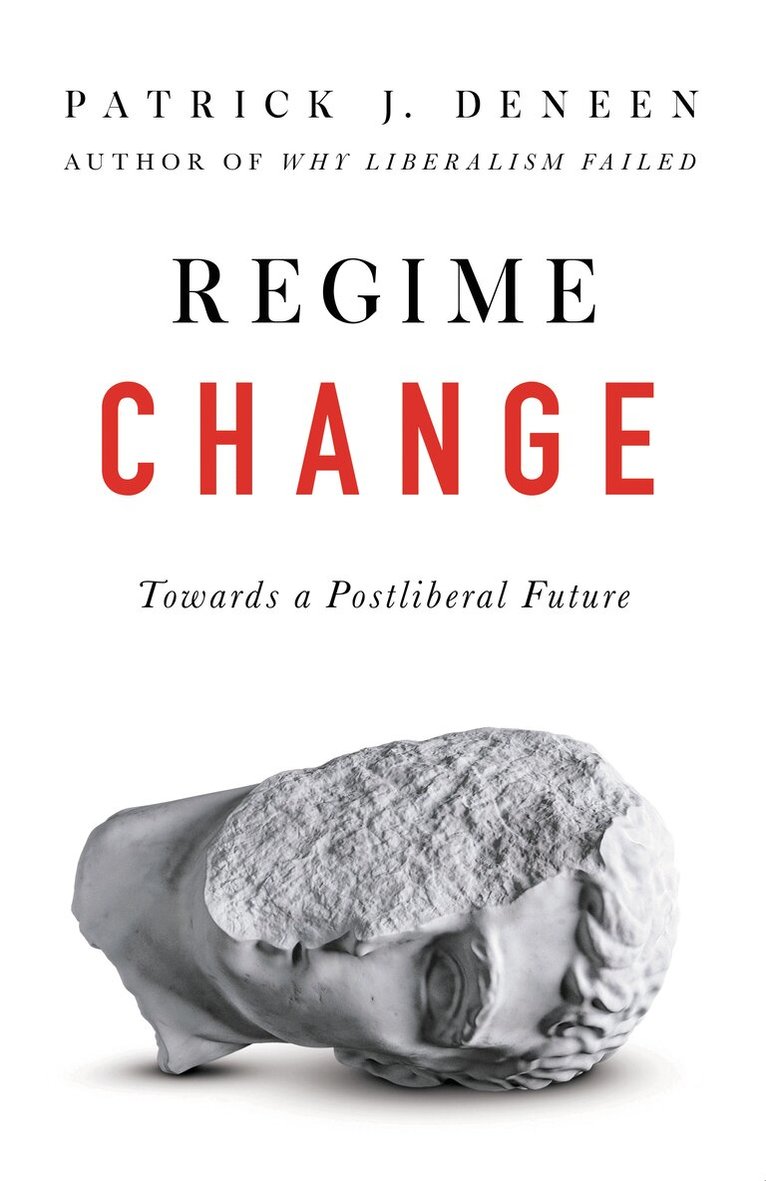
ENLIGHTENMENT PHILOSOPHERS PROMISED THAT SWEEPING AWAY THE OLD ARISTOCRACY AND TRADITIONAL INSTITUTIONS WOULD LIBERATE US. To some extent it did – but it also undermined the things that nourished ordinary people: family, marriage, religion and local community. In Regime Change, Patrick Deneen examines the western tradition and argues that we must use the neglected resources of our philosophical heritage to construct a better way forward. Drawing on thinkers ranging from Aristotle and Machiavelli to Burke and Disraeli, Deneen develops a postliberal alternative.This iconoclastic book challenges the easy assumptions of left and right. It is a blueprint for the radical changes we need to negotiate the paradoxes of the 21st century, while remaining alive to the wisdom of the past.‘Regime Change offers a sober assessment of where we are and a way forward that will challenge ideologues on all sides of the political maelstrom’ — MARY HARRINGTON, author of Feminism Against Progress‘Articulates a vision for a populist politics that can rebuild what has been torn down’ — J. D. VANCE, United States Senator and author of Hillbilly Elegy