Patrick Ffrench – författare
Visar alla böcker från författaren Patrick Ffrench. Handla med fri frakt och snabb leverans.
14 produkter
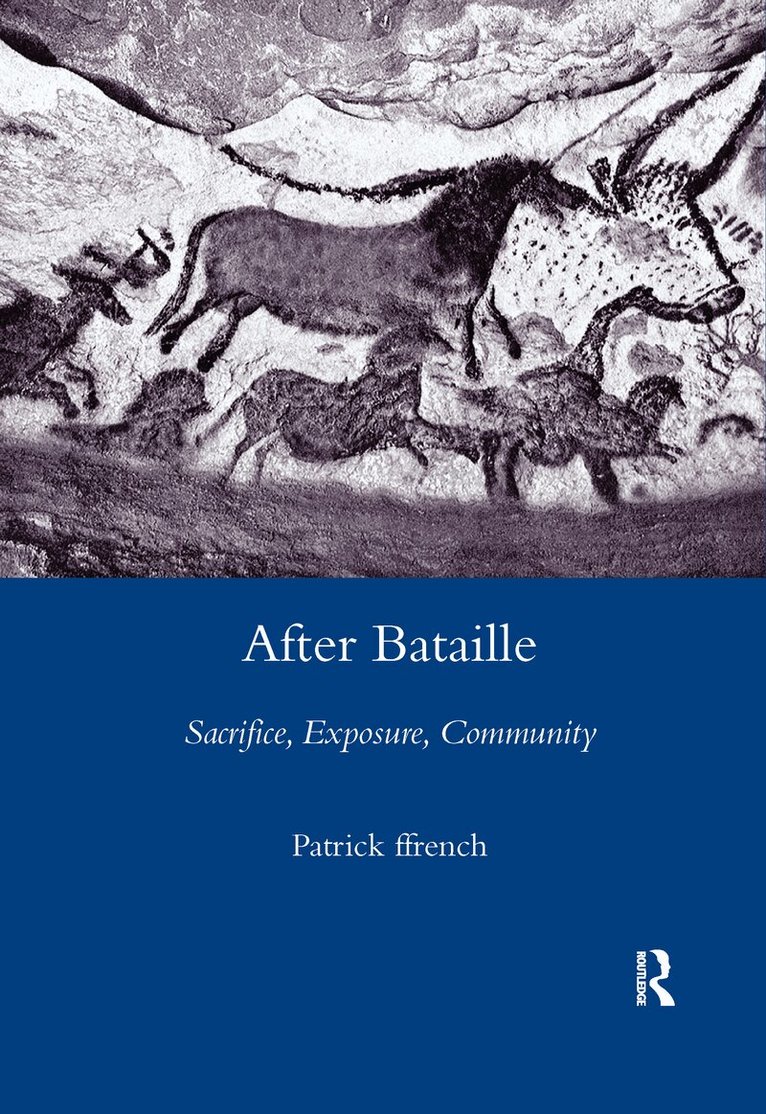
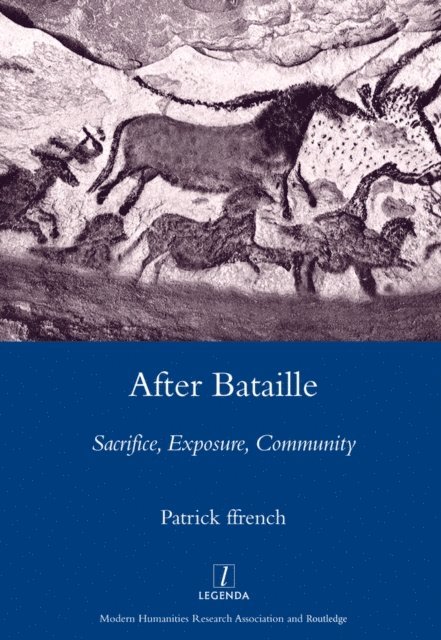
After Bataille
Sacrifice, Exposure, Community
Häftad, 2020
704 kr
Lägg i varukorg
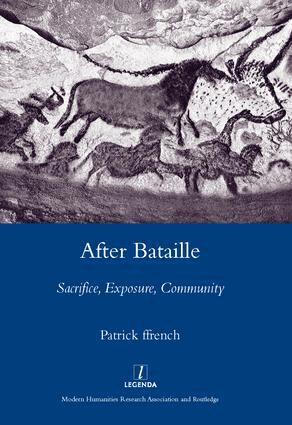
This book maps French intellectual history in the twentieth century through an interpretative engagement with the thought and legacy of Georges Bataille. It highlights the influence of Bataille and the movement of the concept of sacrifice through his work and in its wake.
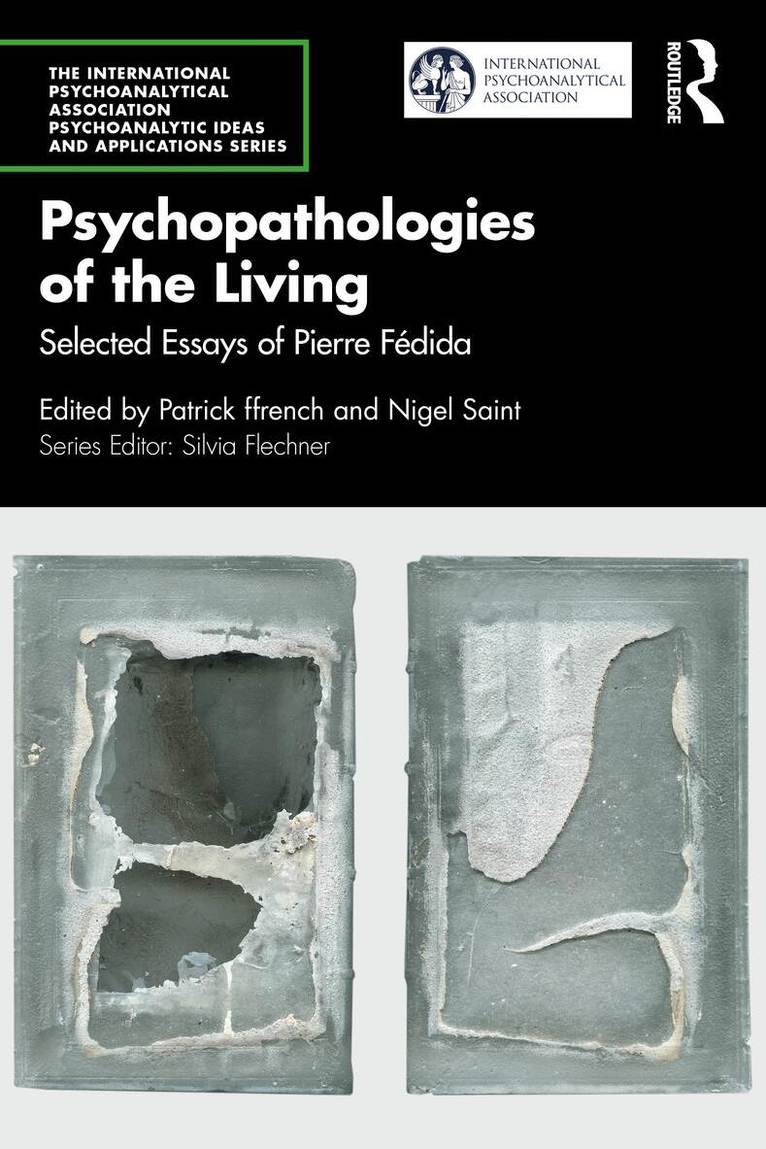
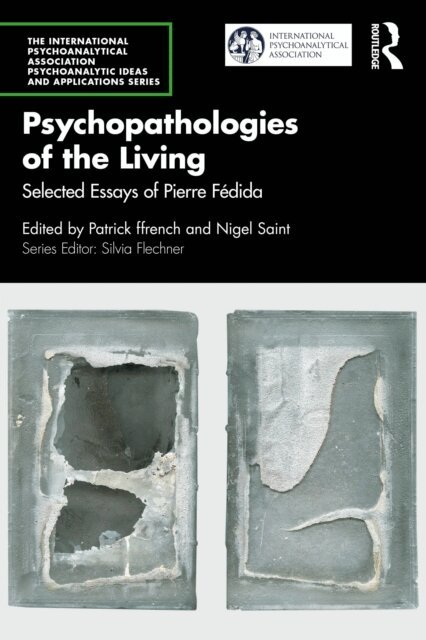
Psychopathologies of the Living
Selected Essays of Pierre Fédida
Av Patrick ffrench, Nigel Saint
Häftad, 2025
544 kr
Lägg i varukorg
Psychopathologies of the Living makes the work of the French psychoanalyst Pierre Fédida (1934–2002) available in English for the first time.Patrick ffrench and Nigel Saint present key essays selected from Fédida’s extensive oeuvre. The book directs attention to two salient dimensions of Fédida’s …
Psychopathologies of the Living
Selected Essays of Pierre Fédida
Av Patrick ffrench, Nigel Saint
Inbunden, 2025
2185 kr
Lägg i varukorg
Psychopathologies of the Living makes the work of the French psychoanalyst Pierre Fédida (1934–2002) available in English for the first time.Patrick ffrench and Nigel Saint present key essays selected from Fédida’s extensive oeuvre. The book directs attention to two salient dimensions of Fédida’s …
Psychopathologies of the Living
Selected Essays of Pierre Fedida
Av Nigel Saint, Patrick ffrench
E-bok, 2025
520 kr
Lägg i varukorg
Psychopathologies of the Living makes the work of the French psychoanalyst Pierre Fedida (1934-2002) available in English for the first time.Patrick ffrench and Nigel Saint present key essays selected from Fedida's extensive oeuvre. The book directs attention to two salient dimensions of Fedida's …
Psychopathologies of the Living
Selected Essays of Pierre Fedida
Av Nigel Saint, Patrick ffrench
E-bok, 2025
505 kr
Lägg i varukorg
Psychopathologies of the Living makes the work of the French psychoanalyst Pierre Fedida (1934-2002) available in English for the first time.Patrick ffrench and Nigel Saint present key essays selected from Fedida's extensive oeuvre. The book directs attention to two salient dimensions of Fedida's …
Roland Barthes and Film
Myth, Eroticism and Poetics
E-bok, 2019
515 kr
Lägg i varukorg
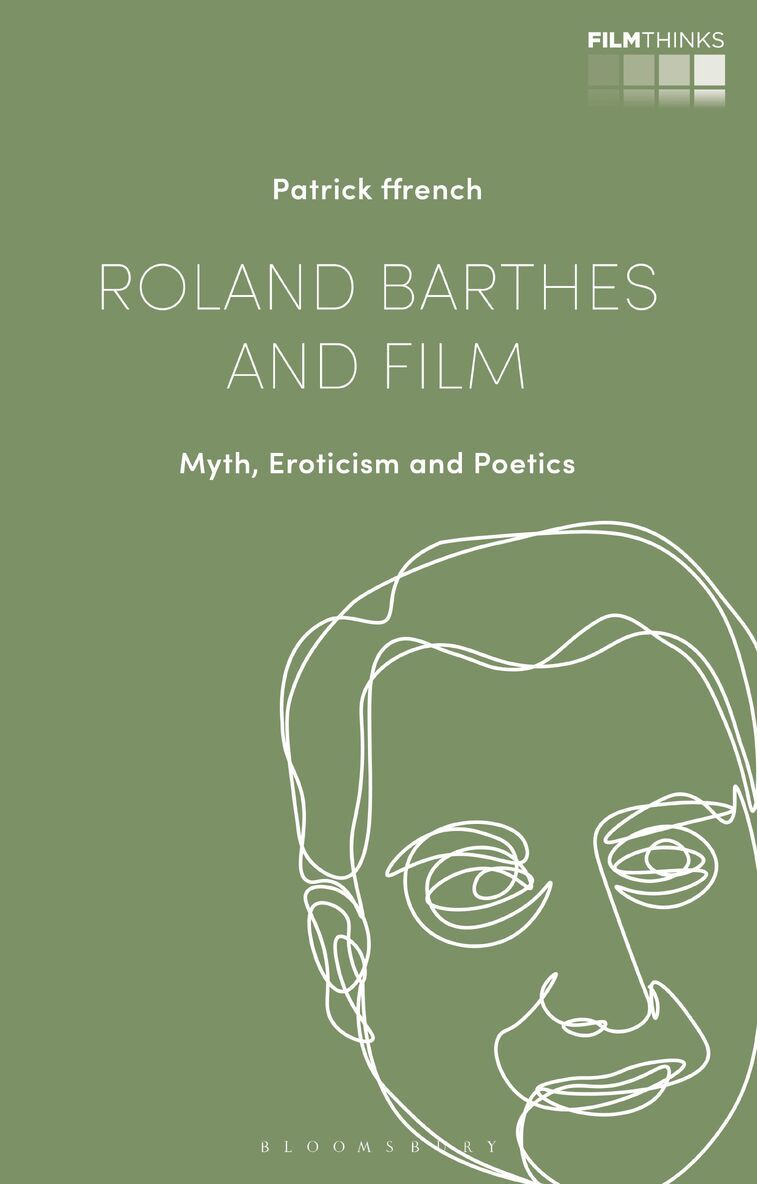
Suspicious of what he called the spectator''s “sticky” adherence to the screen, Roland Barthes had a cautious attitude towards cinema. Falling into a hypnotic trance, the philosopher warned, an audience can become susceptible to ideology and “myth”. In this book, Patrick Ffrench explains that …
Roland Barthes and Film
Myth, Eroticism and Poetics
E-bok, 2019
515 kr
Lägg i varukorg
Suspicious of what he called the spectator''s “sticky” adherence to the screen, Roland Barthes had a cautious attitude towards cinema. Falling into a hypnotic trance, the philosopher warned, an audience can become susceptible to ideology and “myth”. In this book, Patrick Ffrench explains that …
Roland Barthes and Film
Myth, Eroticism and Poetics
Av Patrick ffrench, Lúcia Nagib
Häftad, 2021
472 kr
Lägg i varukorg
Suspicious of what he called the spectator’s “sticky” adherence to the screen, Roland Barthes had a cautious attitude towards cinema. Falling into a hypnotic trance, the philosopher warned, an audience can become susceptible to ideology and “myth”. In this book, Patrick Ffrench explains that …
After Bataille
Sacrifice, Exposure, Community
E-bok, 2017
956 kr
Lägg i varukorg
Author of the obscene narrative Story of the Eye and of works of heretical philosophy such as Inner Experience, Georges Bataille (1897-1962) is one of the most powerful and secretly influential French thinkers of the last century. His work is driven by a compulsion to communicate an experience …
After Bataille
Sacrifice, Exposure, Community
E-bok, 2017
928 kr
Lägg i varukorg
Author of the obscene narrative Story of the Eye and of works of heretical philosophy such as Inner Experience, Georges Bataille (1897-1962) is one of the most powerful and secretly influential French thinkers of the last century. His work is driven by a compulsion to communicate an experience …
Roland Barthes and Film
Myth, Eroticism and Poetics
Av Patrick ffrench, Lúcia Nagib
Inbunden, 2019
1697 kr
Lägg i varukorg
Suspicious of what he called the spectator’s “sticky” adherence to the screen, Roland Barthes had a cautious attitude towards cinema. Falling into a hypnotic trance, the philosopher warned, an audience can become susceptible to ideology and “myth”. In this book, Patrick Ffrench explains that …
After Bataille
Sacrifice, Exposure, Community
Inbunden, 2007
1517 kr
Lägg i varukorg
This book maps French intellectual history in the twentieth century through an interpretative engagement with the thought and legacy of Georges Bataille. It highlights the influence of Bataille and the movement of the concept of sacrifice through his work and in its wake.