Patrick L. Hamilton - Böcker
Visar alla böcker från författaren Patrick L. Hamilton. Handla med fri frakt och snabb leverans.
5 produkter
5 produkter
301 kr
Skickas inom 10-15 vardagar
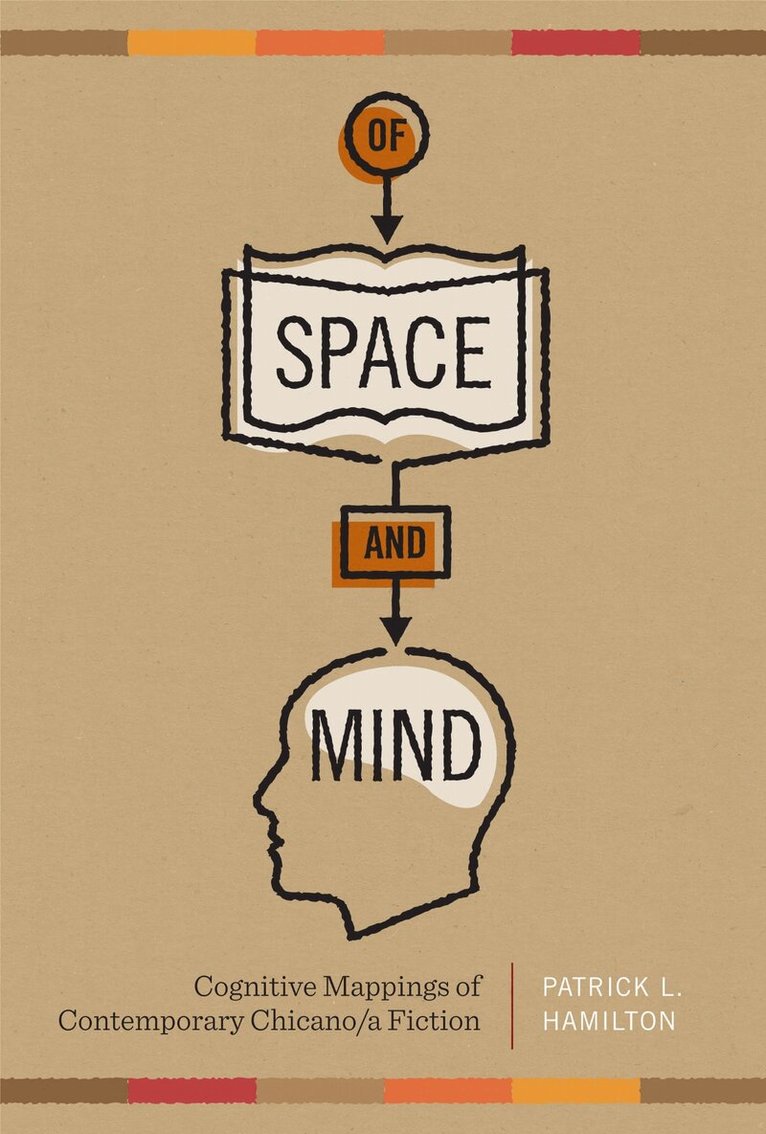
Chicano/a fiction is often understood as a literature of resistance to the dominant U.S. Anglo culture and society. But reducing this rich literary production to a single, binary opposition distorts it in fundamental ways. It conflates literature with life, potentially substituting a literature of protest for social activism that could provoke real changes in society. And it overlooks the complex range of responses to Anglo society that actually animates Chicano/a fiction. In this paradigm-shifting book, Patrick L. Hamilton analyzes works by Rudolfo Anaya, Ana Castillo, Denise ChÁvez, Rolando Hinojosa, Arturo Islas, John Rechy, Alfredo VÉa, and Helena MarÍa Viramontes to expand our understandings of the cultural interactions within the United States that are communicated by Chicano/a fiction. He argues that the narrative ethics of "resistance" within the Chicano/a canon is actually complemented by ethics of "persistence" and "transformation" that imagine cultural differences within the United States as participatory and irreducible to simple oppositions. To demonstrate these alternative ethics, Hamilton adapts the methodology of cognitive mapping; that is, he treats the chosen fictional texts as mental maps that are constructed around and communicative of the narrative's ethics. As he reads these cognitive maps, which envision Chicano/a culture as being part of U.S. society rather than as "resistant" and separate, Hamilton asserts that the authors' conception of cultural difference speaks more usefully to current sociopolitical debates, such as those about gay marriage and immigration reform, than does the traditional "resistant" paradigm.
1 026 kr
Skickas inom 10-15 vardagar
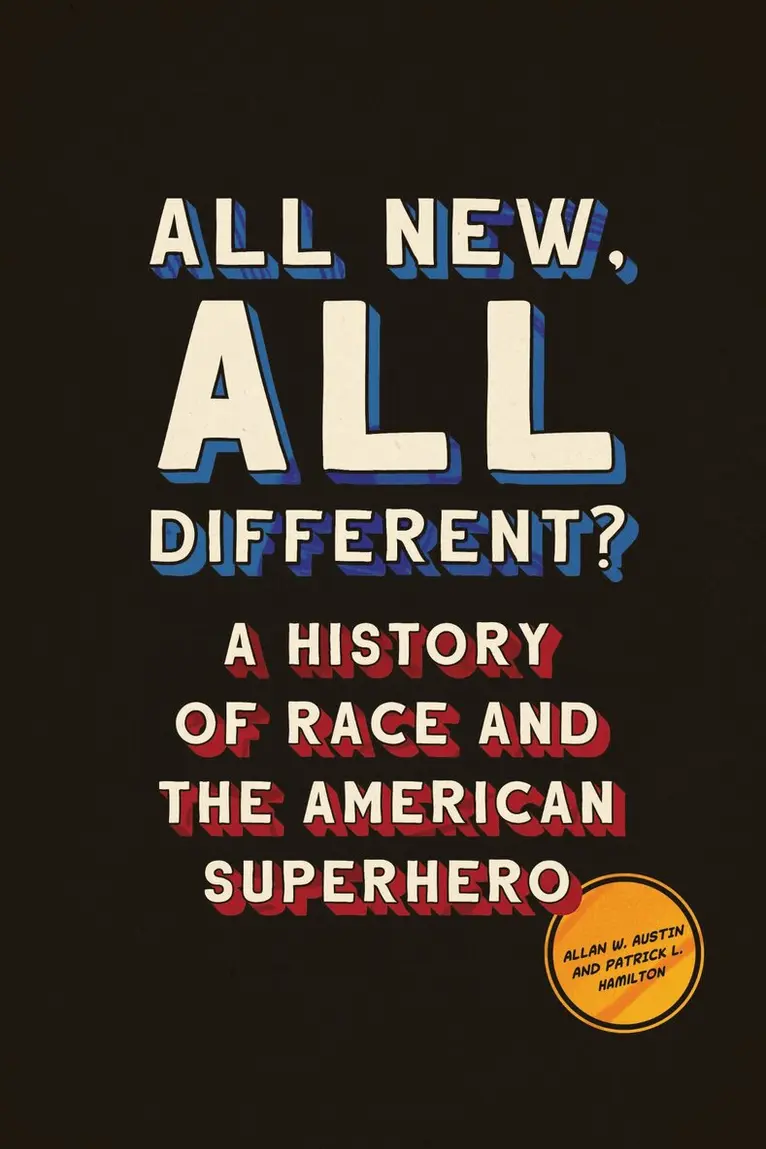
Winner, John G. Cawelti Award for the Best Textbook/Primer, Popular Culture Association/American Culture Association, 2019MPCA/ACA Book Award, Midwest Popular Culture Association / Midwest American Culture Association, 2020Taking a multifaceted approach to attitudes toward race through popular culture and the American superhero, All New, All Different? explores a topic that until now has only received more discrete examination. Considering Marvel, DC, and lesser-known texts and heroes, this illuminating work charts eighty years of evolution in the portrayal of race in comics as well as in film and on television.Beginning with World War II, the authors trace the vexed depictions in early superhero stories, considering both Asian villains and nonwhite sidekicks. While the emergence of Black Panther, Black Lightning, Luke Cage, Storm, and other heroes in the 1960s and 1970s reflected a cultural revolution, the book reveals how nonwhite superheroes nonetheless remained grounded in outdated assumptions. Multiculturalism encouraged further diversity, with 1980s superteams, the minority-run company Milestone’s new characters in the 1990s, and the arrival of Ms. Marvel, a Pakistani-American heroine, and a new Latinx Spider-Man in the 2000s. Concluding with a discussion of contemporary efforts to make both a profit and a positive impact on society, All New, All Different? enriches our understanding of the complex issues of racial representation in American popular culture.
364 kr
Skickas inom 7-10 vardagar
Winner, John G. Cawelti Award for the Best Textbook/Primer, Popular Culture Association/American Culture Association, 2019MPCA/ACA Book Award, Midwest Popular Culture Association / Midwest American Culture Association, 2020Taking a multifaceted approach to attitudes toward race through popular culture and the American superhero, All New, All Different? explores a topic that until now has only received more discrete examination. Considering Marvel, DC, and lesser-known texts and heroes, this illuminating work charts eighty years of evolution in the portrayal of race in comics as well as in film and on television.Beginning with World War II, the authors trace the vexed depictions in early superhero stories, considering both Asian villains and nonwhite sidekicks. While the emergence of Black Panther, Black Lightning, Luke Cage, Storm, and other heroes in the 1960s and 1970s reflected a cultural revolution, the book reveals how nonwhite superheroes nonetheless remained grounded in outdated assumptions. Multiculturalism encouraged further diversity, with 1980s superteams, the minority-run company Milestone’s new characters in the 1990s, and the arrival of Ms. Marvel, a Pakistani-American heroine, and a new Latinx Spider-Man in the 2000s. Concluding with a discussion of contemporary efforts to make both a profit and a positive impact on society, All New, All Different? enriches our understanding of the complex issues of racial representation in American popular culture.
315 kr
Skickas
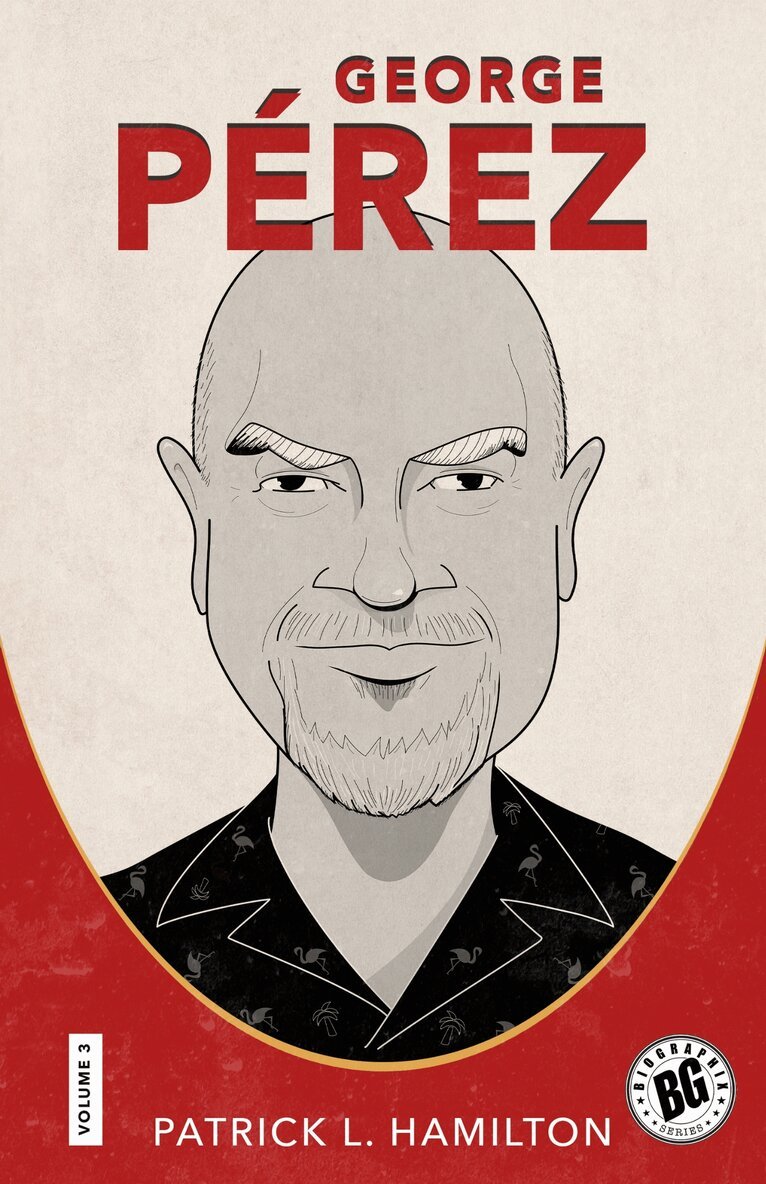
Born in the South Bronx to Puerto Rican parents, artist and writer George Pérez (1954–2022) cut his teeth in the 1970s as an artist at Marvel who worked on lesser titles like The Deadly Hands of Kung Fu and Creatures on the Loose, and then mainstays like Fantastic Four and The Avengers. In the 1980s, Pérez jumped ship to DC where he helped turn The New Teen Titans into a top-selling title and cocreated Crisis on Infinite Earths, which marked the publisher’s fiftieth anniversary and consolidated its sprawling universe. As writer and artist, Pérez relaunched DC’s Wonder Woman, a run that later inspired much of the 2017 film.Though Pérez’s style is highly recognizable, his contributions to comic art and history have not been fully acknowledged. In George Pérez, author Patrick L. Hamilton addresses this neglect, first, by discussing Pérez’s artistic style within the context of Bronze Age superhero art, and second, by analyzing Pérez’s work for its representations of race, disability, and gender. Though he struggled with deadlines and health issues in the 1990s, Pérez would reintroduce himself and his work to a new generation of comics fans with a return to Marvel’s The Avengers, as well as attempts at various creator-owned comics, the last of these being Sirens from Boom! Studios in 2014. Throughout his career, Pérez established a dynamic and minutely detailed style of comic art that was both unique and influential.
1 115 kr
Skickas inom 7-10 vardagar
Born in the South Bronx to Puerto Rican parents, artist and writer George Pérez (1954–2022) cut his teeth in the 1970s as an artist at Marvel who worked on lesser titles like The Deadly Hands of Kung Fu and Creatures on the Loose, and then mainstays like Fantastic Four and The Avengers. In the 1980s, Pérez jumped ship to DC where he helped turn The New Teen Titans into a top-selling title and cocreated Crisis on Infinite Earths, which marked the publisher’s fiftieth anniversary and consolidated its sprawling universe. As writer and artist, Pérez relaunched DC’s Wonder Woman, a run that later inspired much of the 2017 film.Though Pérez’s style is highly recognizable, his contributions to comic art and history have not been fully acknowledged. In George Pérez, author Patrick L. Hamilton addresses this neglect, first, by discussing Pérez’s artistic style within the context of Bronze Age superhero art, and second, by analyzing Pérez’s work for its representations of race, disability, and gender. Though he struggled with deadlines and health issues in the 1990s, Pérez would reintroduce himself and his work to a new generation of comics fans with a return to Marvel’s The Avengers, as well as attempts at various creator-owned comics, the last of these being Sirens from Boom! Studios in 2014. Throughout his career, Pérez established a dynamic and minutely detailed style of comic art that was both unique and influential.