Patti Tamara Lenard - Böcker
Visar alla böcker från författaren Patti Tamara Lenard. Handla med fri frakt och snabb leverans.
14 produkter
14 produkter
1 240 kr
Skickas inom 7-10 vardagar
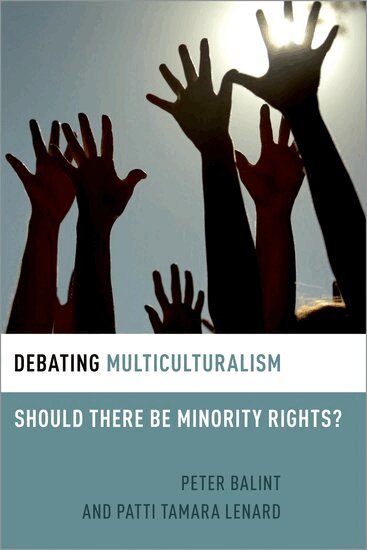
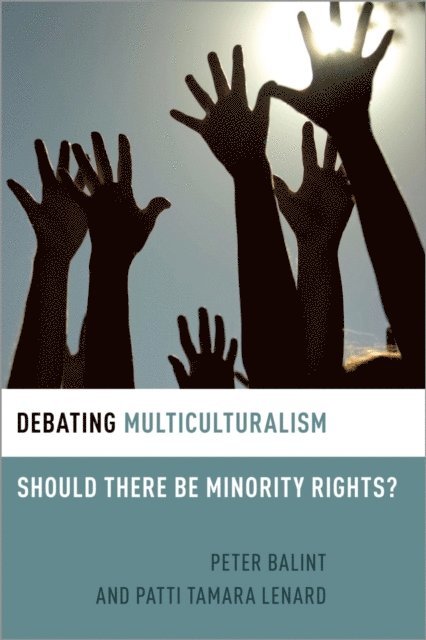
Multiculturalism has become a political touchstone in many countries around the world. While many of those on the right oppose it, and many of those on the left embrace it, things are not this simple. For those who defend them, multicultural policies are generally seen as key to the fair and successful integration of minorities, many of whom are immigrants, into diverse democratic societies. For those who oppose multiculturalism, who have become part of the so-called "backlash" against multiculturalism, they are charged with generating segregation rather than inclusion, undermining national cultures, reinforcing difference, and privileging minority groups. Around the world, we see failing attempts at migrant integration, persistent religious intolerance and racial and ethnic discrimination, resurgent national minorities, emboldened majorities, permanent minorities, continuing social isolation, and increasing extremism, including in the form of white nationalism. But is multiculturalism the solution to these problems or does it just make them worse?In this for-and-against book, two prominent scholars of multiculturalism put forward different answers to this important question. While Patti Tamara Lenard argues for minority rights as both the consequence of a right to culture and a way to redress the effects of nation-building, Peter Balint rejects minority rights altogether, instead arguing for a re-imagined liberal neutrality. This theoretical disagreement plays out in real-world policy disagreement. Lenard, for example, argues strongly in favor of exemptions from general rules for minority cultures including the right of Sikhs to be exempt from helmet laws, and for Jews and Muslims to be exempt from bans on male circumcision. She also defends the right of minority cultures to have government-supported separate spaces. Balint, on the other hand, argues directly against these types of exemptions and government support. He is opposed to any form of differentiation based on culture, religion, or ethnicity. The book uses a wide range of real-world examples to demonstrate their significant theoretical disagreement, and to recommend very different policy proposals.
301 kr
Skickas inom 5-8 vardagar
Multiculturalism has become a political touchstone in many countries around the world. While many of those on the right oppose it, and many of those on the left embrace it, things are not this simple. For those who defend them, multicultural policies are generally seen as key to the fair and successful integration of minorities, many of whom are immigrants, into diverse democratic societies. For those who oppose multiculturalism, who have become part of the so-called "backlash" against multiculturalism, they are charged with generating segregation rather than inclusion, undermining national cultures, reinforcing difference, and privileging minority groups. Around the world, we see failing attempts at migrant integration, persistent religious intolerance and racial and ethnic discrimination, resurgent national minorities, emboldened majorities, permanent minorities, continuing social isolation, and increasing extremism, including in the form of white nationalism. But is multiculturalism the solution to these problems or does it just make them worse?In this for-and-against book, two prominent scholars of multiculturalism put forward different answers to this important question. While Patti Tamara Lenard argues for minority rights as both the consequence of a right to culture and a way to redress the effects of nation-building, Peter Balint rejects minority rights altogether, instead arguing for a re-imagined liberal neutrality. This theoretical disagreement plays out in real-world policy disagreement. Lenard, for example, argues strongly in favor of exemptions from general rules for minority cultures including the right of Sikhs to be exempt from helmet laws, and for Jews and Muslims to be exempt from bans on male circumcision. She also defends the right of minority cultures to have government-supported separate spaces. Balint, on the other hand, argues directly against these types of exemptions and government support. He is opposed to any form of differentiation based on culture, religion, or ethnicity. The book uses a wide range of real-world examples to demonstrate their significant theoretical disagreement, and to recommend very different policy proposals.
780 kr
Skickas inom 5-8 vardagar
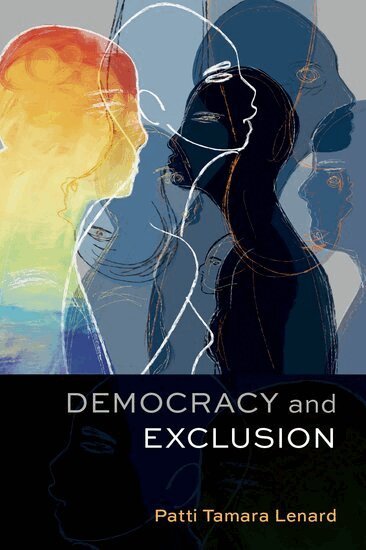
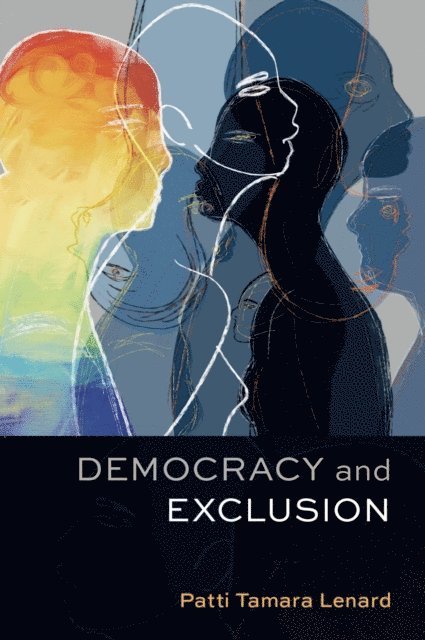
As people become more mobile around the world, the nature of citizenship, and all its attendant rights, has become the object of intense scrutiny. And, as we know, democracies forcefully and coercively exclude those whom they believe do not belong on their territory or among their constituency.In Democracy and Exclusion, Patti Tamara Lenard looks at how and when democracies exclude both citizens and noncitizens from territory and from membership to determine if and when there are instances when such exclusion is justified. To make her case, Lenard draws on the all-subjected principle, or the idea that all those who are the subject of law--that is, those who are required to abide by the law and who are subject to coercion if they do not do so voluntarily--should have a say in what the law is. If we assess who is subjected to the power of a state at any particular moment, and especially over time, we can see who ought to be treated as a member and therefore be granted citizenship or the right to stay. With an in-depth look at instances in which democratic states have expanded or adopted policies that permit the exclusion of citizens--including denationalization, stateless peoples, labor migrants, returning foreign fighters, and LGBTQ+ refugee resettlement--Lenard argues that admission to territory and membership is either favored by, or required by, democratic justice. Democracy and Exclusion makes a powerful case that subjection to the power of a state, without proper protection from exclusion, is a violation of democratic principle.
192 kr
Skickas
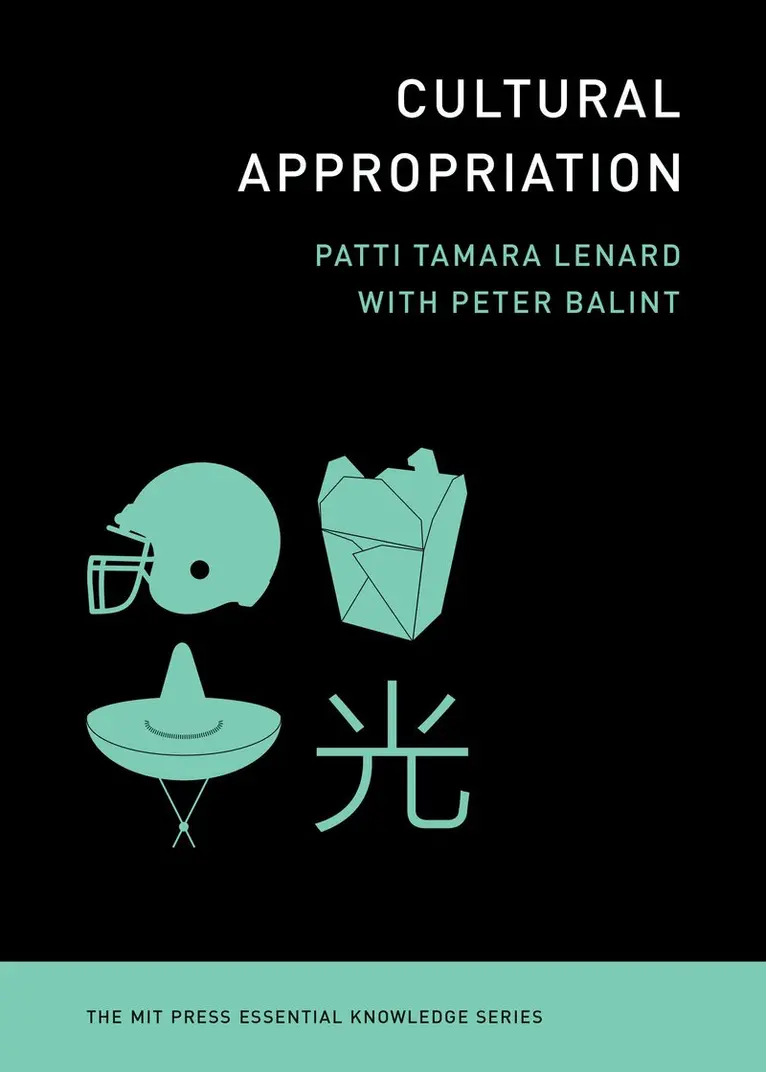
What cultural appropriation is, how it is deployed in public discourse, and if and when it is harmful. What exactly is cultural appropriation? At one extreme are those commentators who suggest that any borrowing of elements outside of one s own culture is cultural appropriation, and therefore, always wrong; at the other extreme, are those who argue that the history of human civilization just is cultural exchange, and therefore, never wrong. This book offers a clear and straightforward account of what cultural appropriation is, how it is deployed in public discourse, and if and when it is wrong. Patti Tamara Lenard and Peter Balint define cultural appropriation as the non-consensual, knowing (or culpably ignorant) taking of something of cultural value, usually a symbol or a practice, to others. Alleged acts of cultural appropriation generate substantial contestation in public discourse. But the fact of contestation, over whether an act is in fact cultural appropriation, is not sufficient to mean that someone has done something wrong and thereby merits criticism. The authors show that there are particular conditions including power imbalances and potential profit at the expense of the cultural group under which cultural appropriation is inarguably wrong, and therefore, worthy of criticism.
772 kr
Skickas inom 7-10 vardagar
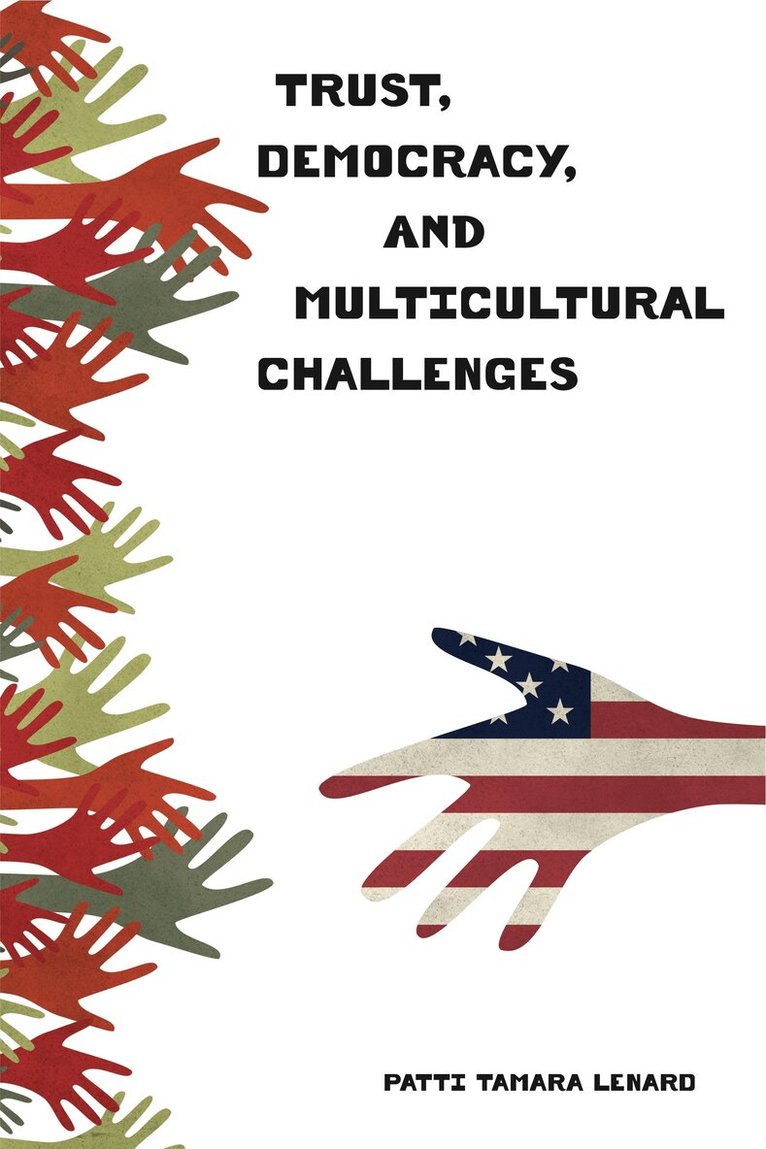
Banning minarets by referendum in Switzerland, publicly burning Korans in the United States, prohibiting kirpans in public spaces in Canada—these are all examples of the rising backlash against diversity that is spreading across multicultural societies. Trust has always been precarious, and never more so than as a result of increased immigration. The number of religions, races, ethnicities, and cultures living together in democratic communities and governed by shared political institutions is rising. The failure to construct public policy to cope with this diversity—to ensure that trust can withstand the pressure that diversity can pose—is a failure of democracy. The threat to trust originates in the perception that the values and norms that should underpin a public culture are no longer truly shared. Therefore, societies must focus on building trust through a revitalized public culture. In Trust, Democracy, and Multicultural Challenges, Patti Tamara Lenard plots a course for this revitalization. She argues that trust is at the center of effective democratic politics, that increasing ethnocultural diversity as a result of immigration may generate distrust, and therefore that democratic communities must work to generate the conditions under which trust between newcomers and “native” citizens can be built, so that the quality of democracy is sustained.
415 kr
Skickas inom 5-8 vardagar
Banning minarets by referendum in Switzerland, publicly burning Korans in the United States, prohibiting kirpans in public spaces in Canada—these are all examples of the rising backlash against diversity that is spreading across multicultural societies. Trust has always been precarious, and never more so than as a result of increased immigration. The number of religions, races, ethnicities, and cultures living together in democratic communities and governed by shared political institutions is rising. The failure to construct public policy to cope with this diversity—to ensure that trust can withstand the pressure that diversity can pose—is a failure of democracy. The threat to trust originates in the perception that the values and norms that should underpin a public culture are no longer truly shared. Therefore, societies must focus on building trust through a revitalized public culture. In Trust, Democracy, and Multicultural Challenges, Patti Tamara Lenard plots a course for this revitalization. She argues that trust is at the center of effective democratic politics, that increasing ethnocultural diversity as a result of immigration may generate distrust, and therefore that democratic communities must work to generate the conditions under which trust between newcomers and “native” citizens can be built, so that the quality of democracy is sustained.
1 454 kr
Skickas inom 7-10 vardagar
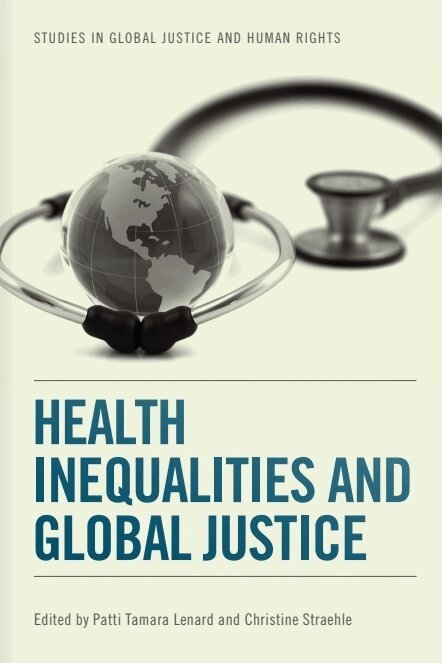
Explores the moral dilemmas posed by disparities in health across nations. Millions around the world die from preventable diseases. Millions more suffer from poor health as a result of extreme poverty. Who bears responsibility for heath inequalities? Who should take responsibility for ameliorating them?Contributors to this volume consider whether health inequalities are a result of global distributive inequalities and are therefore of concern to those promoting global redistributive justice.
334 kr
Skickas inom 7-10 vardagar
Explores the moral dilemmas posed by disparities in health across nations. Millions around the world die from preventable diseases. Millions more suffer from poor health as a result of extreme poverty. Who bears responsibility for heath inequalities? Who should take responsibility for ameliorating them?Contributors to this volume consider whether health inequalities are a result of global distributive inequalities and are therefore of concern to those promoting global redistributive justice.
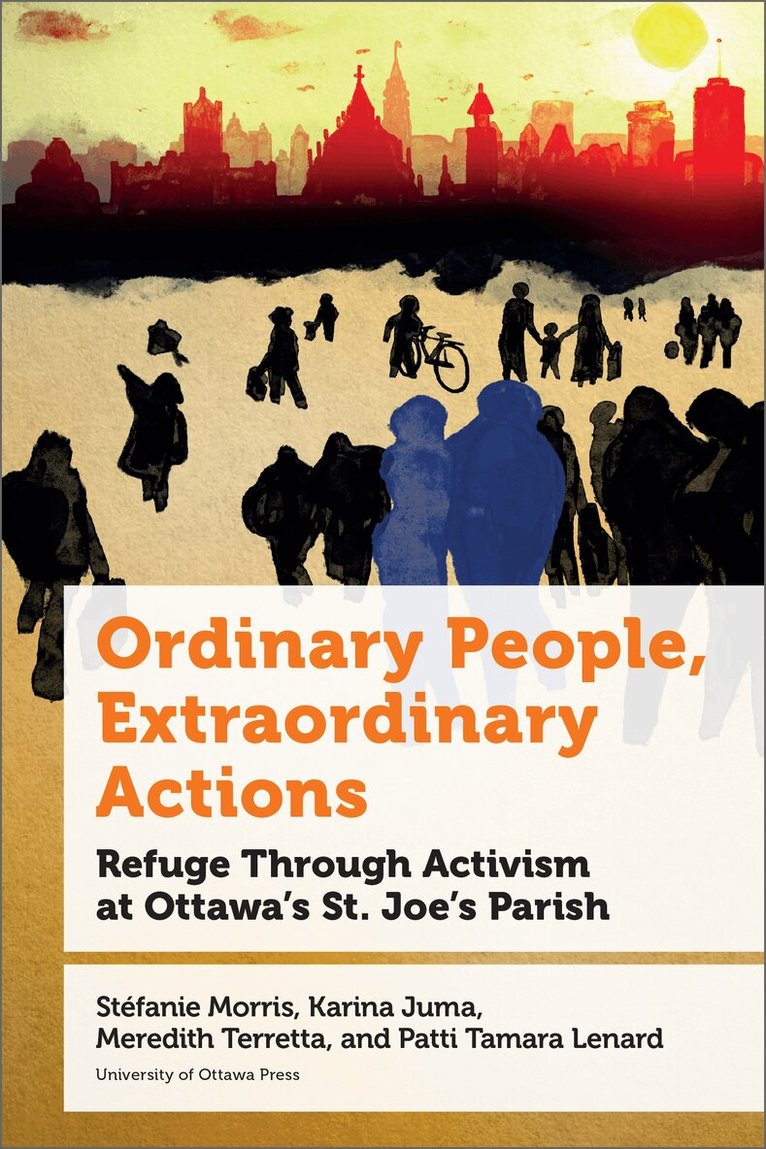
Ordinary People, Extraordinary Actions
Refuge Through Activism at Ottawa’s St. Joe’s Parish
Häftad, Engelska, 2022
252 kr
Skickas inom 5-8 vardagar
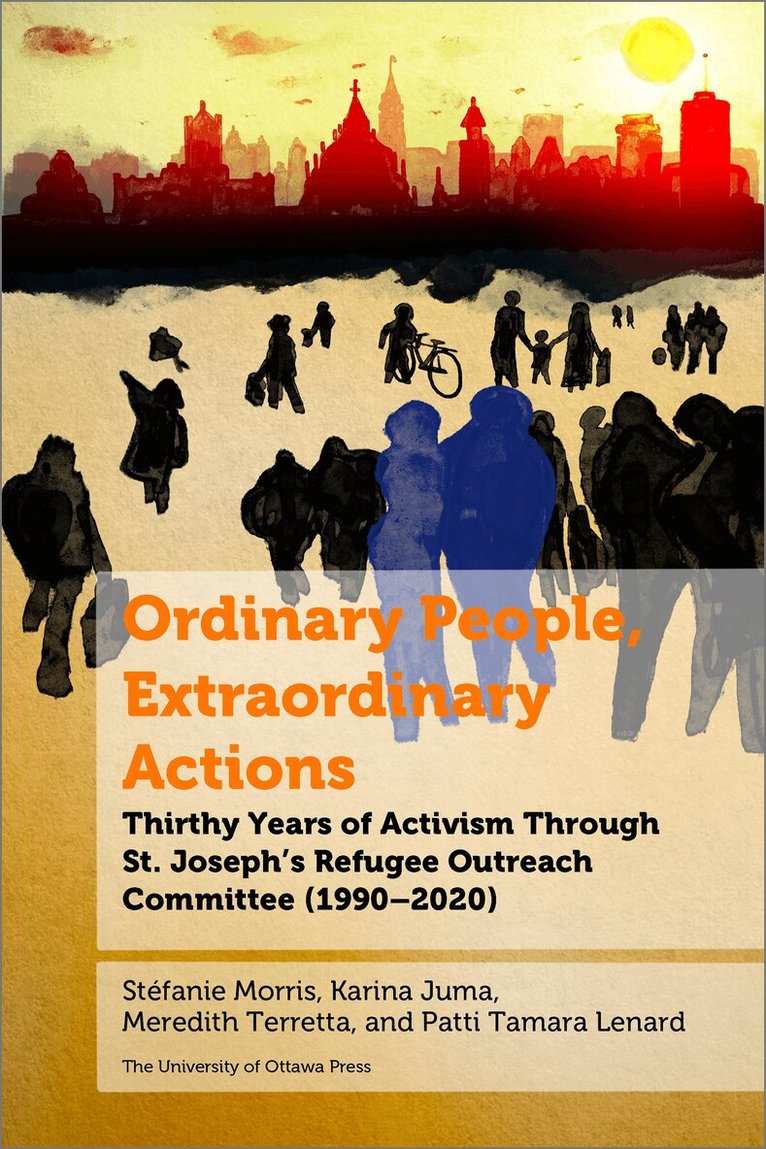
Ordinary People, Extraordinary Actions
Refuge Through Activism at Ottawa’s St. Joe’s Parish
Inbunden, Engelska, 2022
482 kr
Skickas inom 5-8 vardagar
What motivates “ordinary people” to support refugees emotionally and financially?This is a timely question considering the number of displaced people in today’s world is at an all-time high. To help counter this crisis, it is imperative for the Canadian government to determine which policies encourage volunteers to welcome asylum seekers, and which ones must be reviewed.Ordinary People, Extraordinary Actions relates the story of the St. Joseph’s Parish Refugee Outreach Committee over its thirty years in action, revealing how seemingly small decisions and actions have led to significant changes in policies and in people’s lives—and how they can do so again in the future.By helping readers—young and old, secular and faith-oriented—understand what drives individuals and communities to welcome refugees with open hearts and open arms, the authors hope to inspire people across Canada and beyond its borders to strengthen our collective willingness and ability to offer refuge as a lifesaving protection for those who need it.
445 kr
Skickas inom 7-10 vardagar
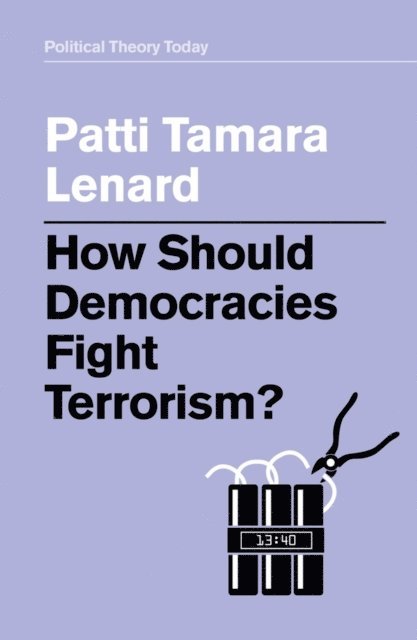
In the wake of major terrorist attacks, calls for ever more draconian policies to prevent further outrages are common. Such responses raise the pressing question: is it possible to effectively fight terrorism while respecting democratic values of equality and trust? Examining recent examples of terrorist atrocities – from the murder of Muslims in New Zealand and Jews in Pittsburgh to the Charlie Hebdo attacks – Patti Tamara Lenard considers how democracies should tackle terrorism within the constraints imposed by democratic principles. For many, the tension between liberty and security necessarily means that the only way to protect security is to sacrifice liberty—but Lenard rejects this claim, and instead argues that security’s goal should be to keep all citizens equally secure in the face of terrorist threats. Critiquing existing policies, from exile to racial profiling, she outlines what ethical counter-terrorism policies should look like, arguing for strategies that respect equality and thereby maintain trust among diverse communities in democratic states. This erudite guide to how states might ethically fight terrorism will be essential reading for any student or scholar of public affairs, security, counter-terrorism, and democratic governance.
138 kr
Skickas inom 7-10 vardagar
In the wake of major terrorist attacks, calls for ever more draconian policies to prevent further outrages are common. Such responses raise the pressing question: is it possible to effectively fight terrorism while respecting democratic values of equality and trust? Examining recent examples of terrorist atrocities – from the murder of Muslims in New Zealand and Jews in Pittsburgh to the Charlie Hebdo attacks – Patti Tamara Lenard considers how democracies should tackle terrorism within the constraints imposed by democratic principles. For many, the tension between liberty and security necessarily means that the only way to protect security is to sacrifice liberty—but Lenard rejects this claim, and instead argues that security’s goal should be to keep all citizens equally secure in the face of terrorist threats. Critiquing existing policies, from exile to racial profiling, she outlines what ethical counter-terrorism policies should look like, arguing for strategies that respect equality and thereby maintain trust among diverse communities in democratic states. This erudite guide to how states might ethically fight terrorism will be essential reading for any student or scholar of public affairs, security, counter-terrorism, and democratic governance.
1 276 kr
Skickas inom 10-15 vardagar
Democracy is a dominant principle and practice to legitimate political power in the modern world, and yet its relationship with other moral traditions is not well understood. some but not all commitments with it (feminism, Classical and Egalitarian variants of Liberalism). Ethical theories, by their very nature, are universal theories, and tend to be suspicious of democratic legitimacy arguments – since ‘the people’ who are the source of democratic legitimacy might support some things that are contrary to justice, as described in the tradition. Yet, appeal to democracy remains one of the most powerful appeals to legitimize political power in the contemporary world. This volume is interested in the relationship between democracy and moral traditions whose origins either precede the democratic ideal of legitimacy (Buddhism, Christianity, Confucianism, Hinduism, Islam, Judaism, Natural Law) or developed in some sense along side the democratic ideal and share some of its commitments. This volume explores the relationship between these moral traditions and democracy, including the way in which the moral and religious perspectives have adapted in their encounter with democratic ideals, and have themselves modified democratic theory and practice. This is a work in comparative ethics. The contributors each an expert in one of these traditions, show how that traditions has confronted democracy – and considers different dimensions in which the traditions have engaged with the tradition. To orient the engagement between democratic principles and the moral traditions, the contributors focus on various dimensions in which the two have engaged. The contributors consider their tradition’s views of participation, including eligibility for participation and opportunities to do so, including people with quite different world-views; the scope of democracy, as conceived by the tradition, including how the democratic ‘people’ interact or ought to interact with adherents of other traditions, and whether some of the pillars of moral tradition have themselves helped to inform democratic principles and practices in communities where the ethical tradition is dominant. For example, if there are traditions of consultation and of appropriate authority in a moral tradition, does this operate as a resource for democracy itself, and if so, has it changed the way democracy is practiced in these societies? What emerges is a rich and nuanced tapestry that testifies to the interaction of moral traditions and democracy, and the various relationships between these traditions and democratic theory and practice.
675 kr
Skickas inom 10-15 vardagar
Democracy is a dominant principle and practice to legitimate political power in the modern world, and yet its relationship with other moral traditions is not well understood. some but not all commitments with it (feminism, Classical and Egalitarian variants of Liberalism). Ethical theories, by their very nature, are universal theories, and tend to be suspicious of democratic legitimacy arguments – since ‘the people’ who are the source of democratic legitimacy might support some things that are contrary to justice, as described in the tradition. Yet, appeal to democracy remains one of the most powerful appeals to legitimize political power in the contemporary world. This volume is interested in the relationship between democracy and moral traditions whose origins either precede the democratic ideal of legitimacy (Buddhism, Christianity, Confucianism, Hinduism, Islam, Judaism, Natural Law) or developed in some sense along side the democratic ideal and share some of its commitments. This volume explores the relationship between these moral traditions and democracy, including the way in which the moral and religious perspectives have adapted in their encounter with democratic ideals, and have themselves modified democratic theory and practice. This is a work in comparative ethics. The contributors each an expert in one of these traditions, show how that traditions has confronted democracy – and considers different dimensions in which the traditions have engaged with the tradition. To orient the engagement between democratic principles and the moral traditions, the contributors focus on various dimensions in which the two have engaged. The contributors consider their tradition’s views of participation, including eligibility for participation and opportunities to do so, including people with quite different world-views; the scope of democracy, as conceived by the tradition, including how the democratic ‘people’ interact or ought to interact with adherents of other traditions, and whether some of the pillars of moral tradition have themselves helped to inform democratic principles and practices in communities where the ethical tradition is dominant. For example, if there are traditions of consultation and of appropriate authority in a moral tradition, does this operate as a resource for democracy itself, and if so, has it changed the way democracy is practiced in these societies? What emerges is a rich and nuanced tapestry that testifies to the interaction of moral traditions and democracy, and the various relationships between these traditions and democratic theory and practice.