Paul Andrew Hutton – författare
Visar alla böcker från författaren Paul Andrew Hutton. Handla med fri frakt och snabb leverans.
9 produkter
9 produkter
Häftad, Engelska, 2017
279 kr
Skickas inom 3-6 vardagar
E-bok
Engelska, 2016211 kr
Läs direkt efter köp
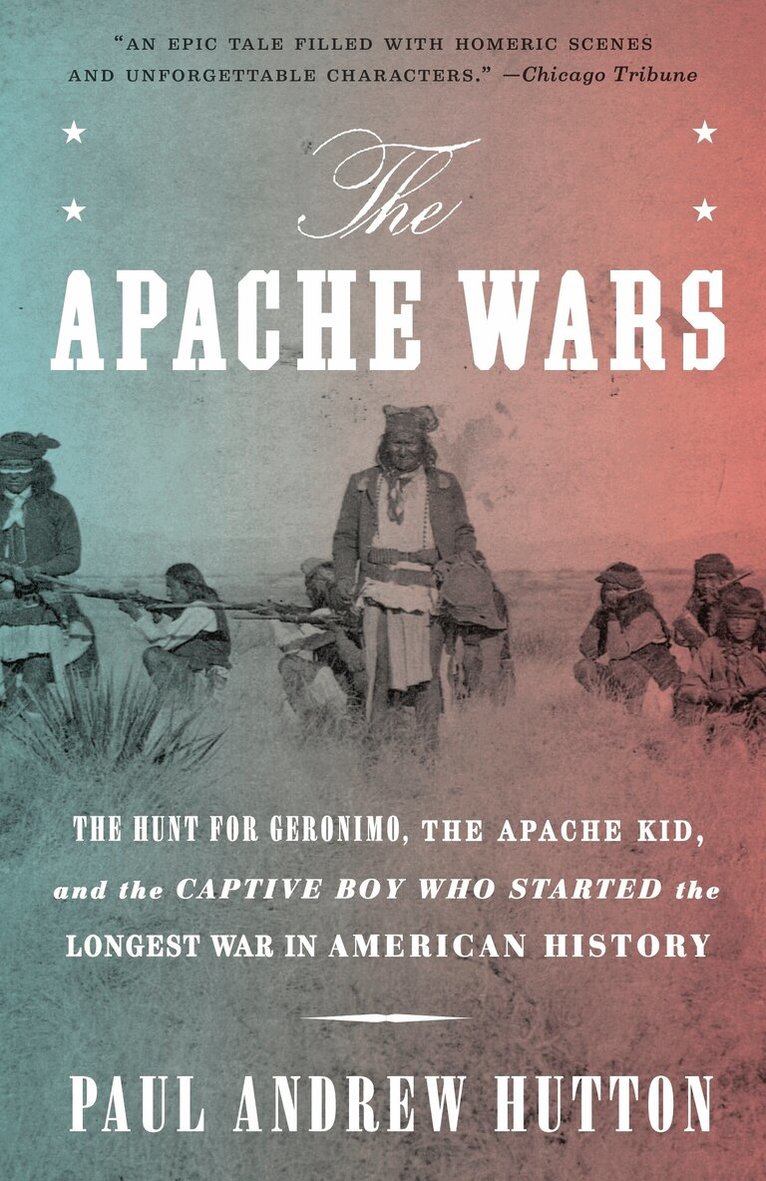
In the tradition of Empire of the Summer Moon, a stunningly vivid historical account of the manhunt for Geronimo and the 25-year Apache struggle for their homeland They called him Mickey Free. His kidnapping started the longest war in American history, and both sides--the Apaches and the white invaders—blamed him for it. A mixed-blood warrior who moved uneasily between the worlds of the Apaches and the American soldiers, he was never trusted by either but desperately needed by both. He was the only man Geronimo ever feared. He played a pivotal role in this long war for the desert Southwest from its beginning in 1861 until its end in 1890 with his pursuit of the renegade scout, Apache Kid. In this sprawling, monumental work, Paul Hutton unfolds over two decades of the last war for the West through the eyes of the men and women who lived it. This is Mickey Free''s story, but also the story of his contemporaries: the great Apache leaders Mangas Coloradas, Cochise, and Victorio; the soldiers Kit Carson, O. O. Howard, George Crook, and Nelson Miles; the scouts and frontiersmen Al Sieber, Tom Horn, Tom Jeffords, and Texas John Slaughter; the great White Mountain scout Alchesay and the Apache female warrior Lozen; the fierce Apache warrior Geronimo; and the Apache Kid. These lives shaped the violent history of the deserts and mountains of the Southwestern borderlands--a bleak and unforgiving world where a people would make a final, bloody stand against an American war machine bent on their destruction.
Häftad, Engelska, 1999
258 kr
Skickas inom 10-15 vardagar
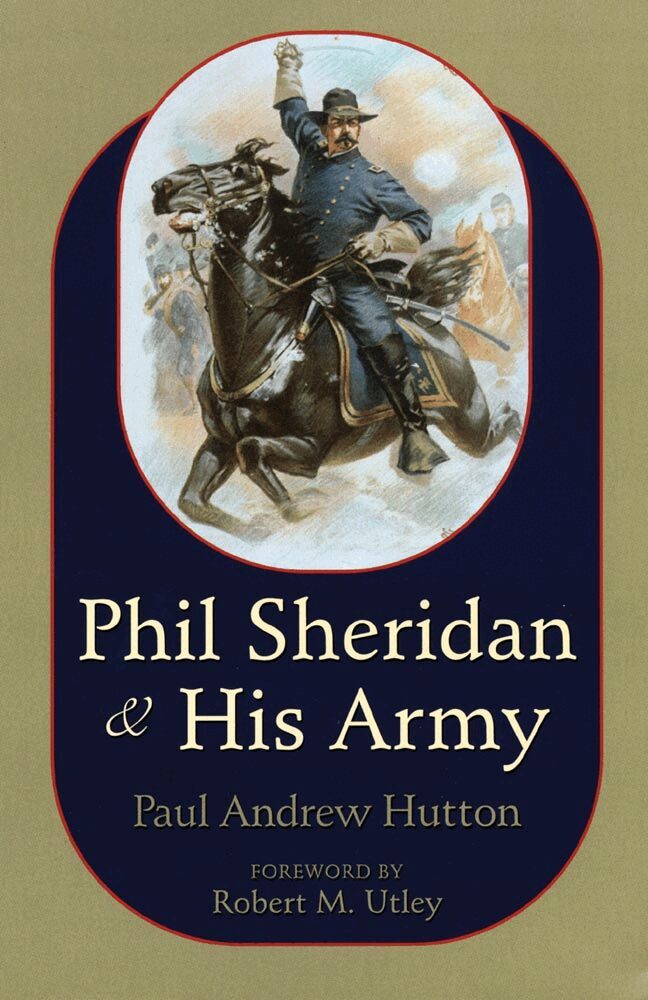
Paul Hutton's study of Phil Sheridan in the West is authoritative, readable, and an important contribution to the literature of westward expansion. Although headquartered in Chicago, Sheridan played a crucial role in the opening of the West. His command stretched from the Missouri to the Rockies and from Mexico to Canada, and all the Indian Wars of the Great Plains fell under his direction. Hutton ably narrates and interprets Sheridan's western career from the perspective of the top command rather than the battlefield leader. His book is good history and good reading.""-Robert M. Utley
Häftad, Engelska, 2004
302 kr
Skickas inom 10-15 vardagar
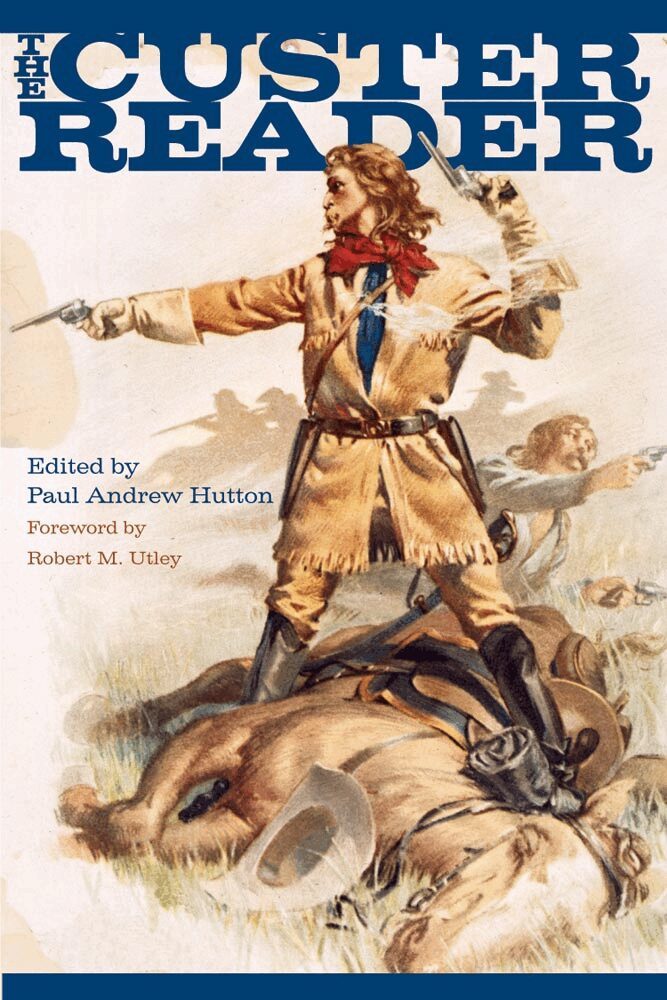
George Armstrong Custer, America's most famously unfortunate soldier, has been the subject of scores of books, but The Custer Reader is unique as a substantial source of classic writings about and by him. Here is Custer as seen by himself, his contemporaries, and leading scholars. Even those steeped in Custeriana will discover new insights in these pieces. Combining first-person narratives, essays, and photographs, this book provides a complete introduction to Custer's controversial personality and career and the evolution of the Custer myth.
Häftad, Engelska, 2011
249 kr
Skickas inom 10-15 vardagar
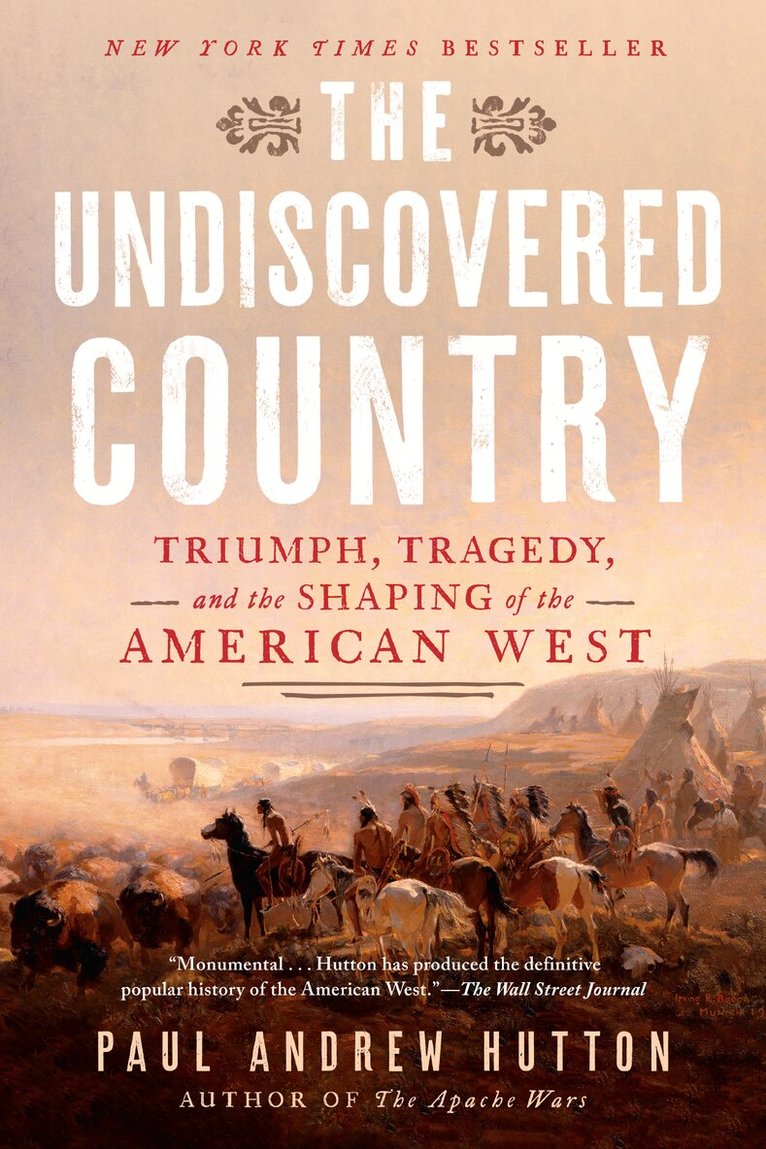
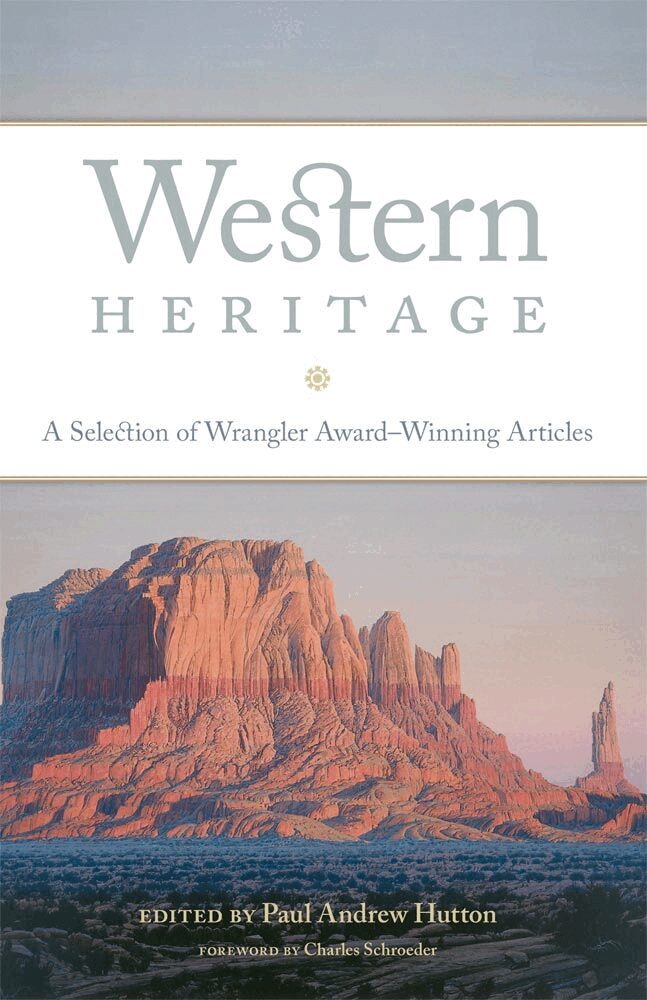
The enduring fascination of the American West marks this collection of essays by distinguished historians, investigative reporters, a novelist, and a celebrated screenwriter. All of these articles have won Wrangler Awards - the western equivalent of the Oscars - presented annually by the National Cowboy & Western Heritage Museum in Oklahoma City.Exciting storytelling, a hallmark of western writing, shapes every selection. C. L. Sonnichsen's 1986 revisionist account of Geronimo's life foreshadows the work of younger historians who continue to deepen our understanding of American Indian history. Jeffrey Pearson's story of the death of Crazy Horse and Greg Michno's novelistic rendering of the Lakota view of the Battle of the Little Bighorn represent history as practiced by scholars who are also powerful writers.Journalist-screenwriter William Broyles's narrative of the King family and ranch is a Texas saga as captivating as anything by Larry McMurtry. The renowned novelist Oakley Hall writes with a historian's precision about Wyoming, setting for The Virginian and site of the Teapot Dome scandal and the Johnson County range war. Focusing on Charles M. Russell, Raphael Cristy establishes the western artist's importance as a writer who overturned stereotypes about American Indians.Environmental studies are showcased in Dan Flores's essays on the demise of the great buffalo herds and the history of the horse trade. And no overview of the West would be complete without military and law enforcement history, amply represented by Robert M. Utley's work on the Texas Rangers, Paul Hutton's panoramic recounting of the Alamo, and Sally Denton's new look at the controversial Mountain Meadows Massacre, incorporating the latest forensic evidence. In what serves as a fitting coda to the violent yet inspiring history of the American West, Hutton offers a stirring account of Teddy Roosevelt's leadership at the Battle of San Juan Hill.This is a collection as pleasurable to read as it is rich with great and significant stories about one of the most enduring national epochs - the history of the great American West.
Häftad, Engelska, 2014
286 kr
Skickas inom 10-15 vardagar
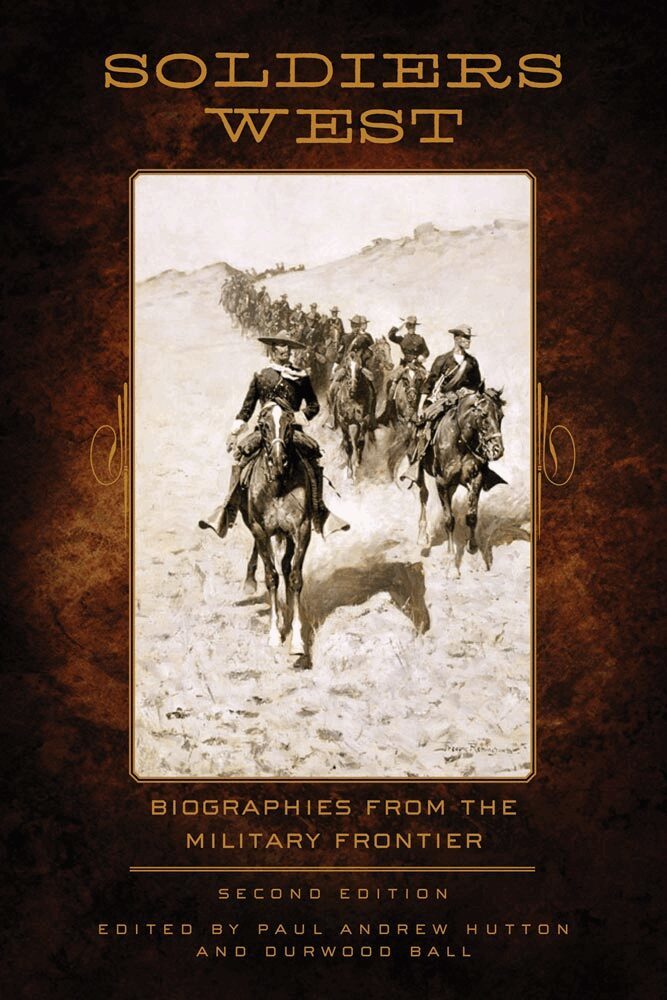
From the War of 1812 to the end of the nineteenth century, U.S. Army officers were instrumental in shaping the American West. They helped explore uncharted places and survey and engineer its far-flung transportation arteries. Many also served in the ferocious campaigns that drove American Indians onto reservations. Soldiers West views the turbulent history of the West from the perspective of fifteen senior army officers - including Philip H. Sheridan, George Armstrong Custer, and Nelson A. Miles - who were assigned to bring order to the region.This revised edition of Paul Andrew Hutton's popular work adds five new biographies, and essays from the first edition have been updated to incorporate recent scholarship. New portraits of Stephen W. Kearny, Philip St. George Cooke, and James H. Carleton expand the volume's coverage of the army on the antebellum frontier. Other new pieces focus on the controversial John M. Chivington, who commanded the Colorado volunteers at the Sand Creek Massacre in 1863, and Oliver O. Howard, who participated in federal and private initiatives to reform Indian policy in the West. An introduction by Durwood Ball discusses the vigorous growth of frontier military history since the original publication of Soldiers West.
Häftad, Engelska, 2026
270 kr
Kommande
E-bok
Engelska, 2025222 kr
Läs direkt efter köp
140 kr
Läs direkt efter köp
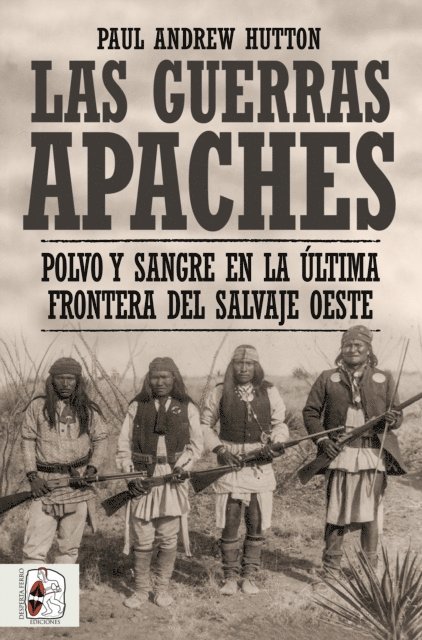
Las Guerras Apaches fueron el conflicto más largo librado por Estados Unidos, que se prolongó durante un cuarto de siglo y marcó la historia del suroeste americano y el norte de México. Una tierra de frontera inhóspita y desolada, infestada de bandoleros, donde cada planta tenía una púa, cada insecto un aguijón, cada pájaro una garra y cada reptil un colmillo: la Apachería. Durante más de dos décadas, los guerreros apaches, duros como su tierra, fogueados por siglos de lucha contra los españoles, pelearon contra los intentos mexicanos y estadounidenses por acabar con su forma de vida. Su conocimiento del terreno, su movilidad y una cultura guerrera que no conocía la misericordia, les convirtieron en un enemigo terrible y formidable. En Las Guerras Apaches. Polvo y sangre en la última frontera del salvaje Oeste, Paul Andrew Hutton relata este legendario conflicto, tan presente en el imaginario popular, tan pleno de heroísmo como de brutalidad, con un pulso que consigue trasladar la intensidad del drama y ponerse en la piel de ambos bandos, haciendo justicia a los nombres legendarios de Gerónimo, Mangas Coloradas, Cochise o Victorio. Como hilo vertebrador, Hutton revive la experiencia de individuos cuya vida discurrió a medio camino entre los dos mundos, como el legendario explorador y cazarrecompensas tuerto Micky Free o como Apache Kid, el último indio libre. Cuando el humo de la pólvora se disipó y Gerónimo se entregó, resignado a una vida en la reserva, para acabar siendo expuesto como una atracción en la Exposición Universal de San Luis en 1904, la mítica era del salvaje Oeste había terminado.