Paul D. Janz - Böcker
Visar alla böcker från författaren Paul D. Janz. Handla med fri frakt och snabb leverans.
5 produkter
5 produkter
Del 11 - Cambridge Studies in Christian Doctrine
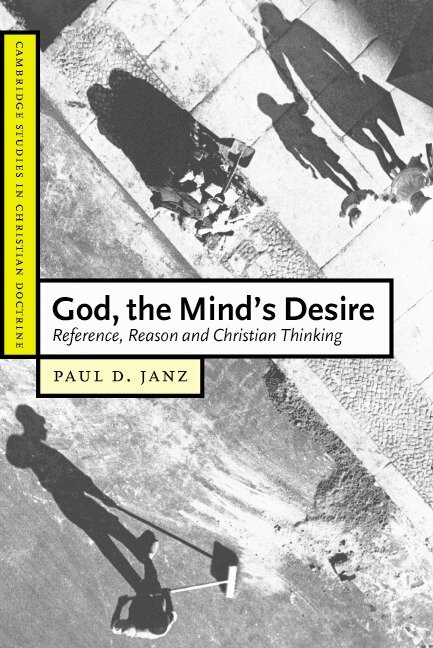
God, the Mind's Desire
Reference, Reason and Christian Thinking
Häftad, Engelska, 2008
428 kr
Skickas inom 7-10 vardagar
This 2004 book reconfigures the basic problem of Christian thinking - 'How can human discourse refer meaningfully to a transcendent God?' - as a twofold demand for integrity: integrity of reason and integrity of transcendence. Centring around a provocative yet penetratingly faithful re-reading of Kant's empirical realism, and drawing on an impelling confluence of contemporary thinkers (including MacKinnon, Bonhoeffer, Marion, Putnam, Nagel) Paul D. Janz argues that theology's 'referent' must be located within present empirical reality. Rigorously reasoned yet refreshingly accessible throughout, this book provides an important, attentively informed alternative to the growing trends toward obscurantism, radicalization and anti-reason in many recent assessments of theological cognition, while remaining equally alert to the hazards of traditional metaphysics. In the book's culmination, epistemology and Christology converge around problems of noetic authority and orthodoxy with a kind of innovation, depth and straightforwardness that readers of theology at all levels of philosophical acquaintance will find illuminating.
Del 11 - Cambridge Studies in Christian Doctrine
God, the Mind's Desire
Reference, Reason and Christian Thinking
Inbunden, Engelska, 2004
1 192 kr
Skickas inom 7-10 vardagar
This 2004 book reconfigures the basic problem of Christian thinking - 'How can human discourse refer meaningfully to a transcendent God?' - as a twofold demand for integrity: integrity of reason and integrity of transcendence. Centring around a provocative yet penetratingly faithful re-reading of Kant's empirical realism, and drawing on an impelling confluence of contemporary thinkers (including MacKinnon, Bonhoeffer, Marion, Putnam, Nagel) Paul D. Janz argues that theology's 'referent' must be located within present empirical reality. Rigorously reasoned yet refreshingly accessible throughout, this book provides an important, attentively informed alternative to the growing trends toward obscurantism, radicalization and anti-reason in many recent assessments of theological cognition, while remaining equally alert to the hazards of traditional metaphysics. In the book's culmination, epistemology and Christology converge around problems of noetic authority and orthodoxy with a kind of innovation, depth and straightforwardness that readers of theology at all levels of philosophical acquaintance will find illuminating.
541 kr
Skickas inom 10-15 vardagar
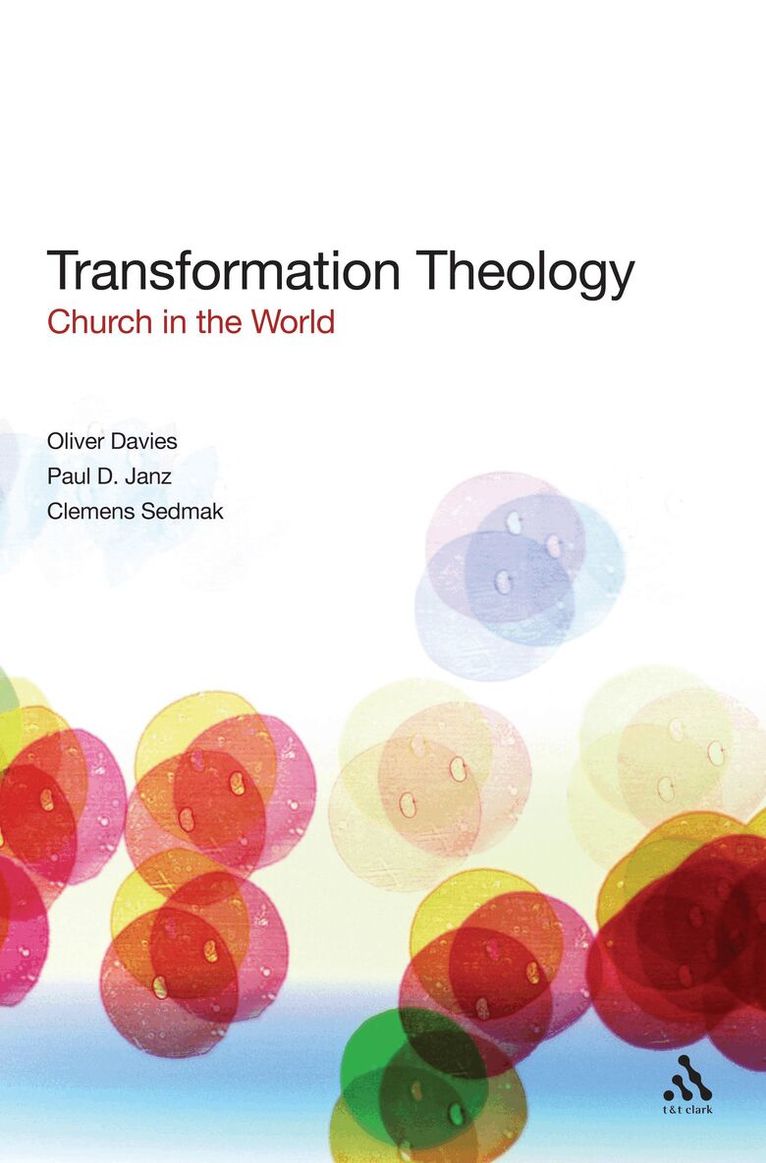
This book is the fruit of a close collaboration between three leading scholars with a background in systematics, philosophical theology and ethics. It sets out a new account of how incarnation is mediated in the world of space and time, leading to a new orientation of theology within the world. The doctrinal ("from above") and philosophical ("from below") sections lead to a new exposition of Christian life in confrontation with deepseated problems of ethics and justice. The three pieces closely interweave with each other in the elaboration of a new kind of practical, doctrinal theology of full philosophical integrity.
2 225 kr
Skickas inom 10-15 vardagar
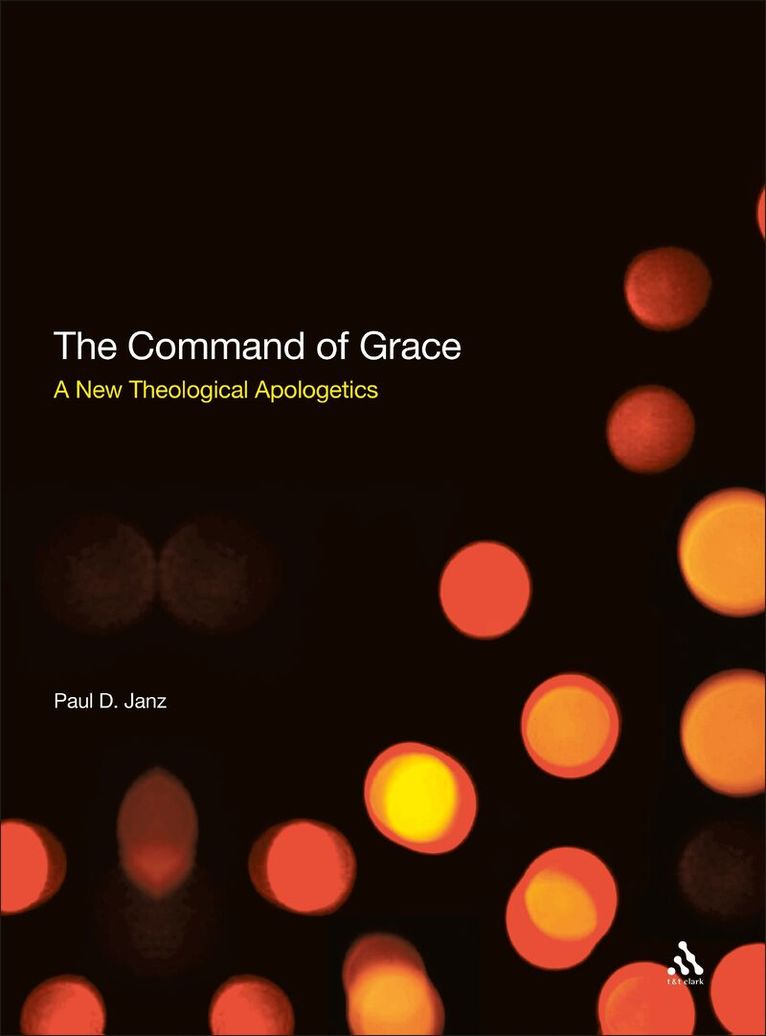
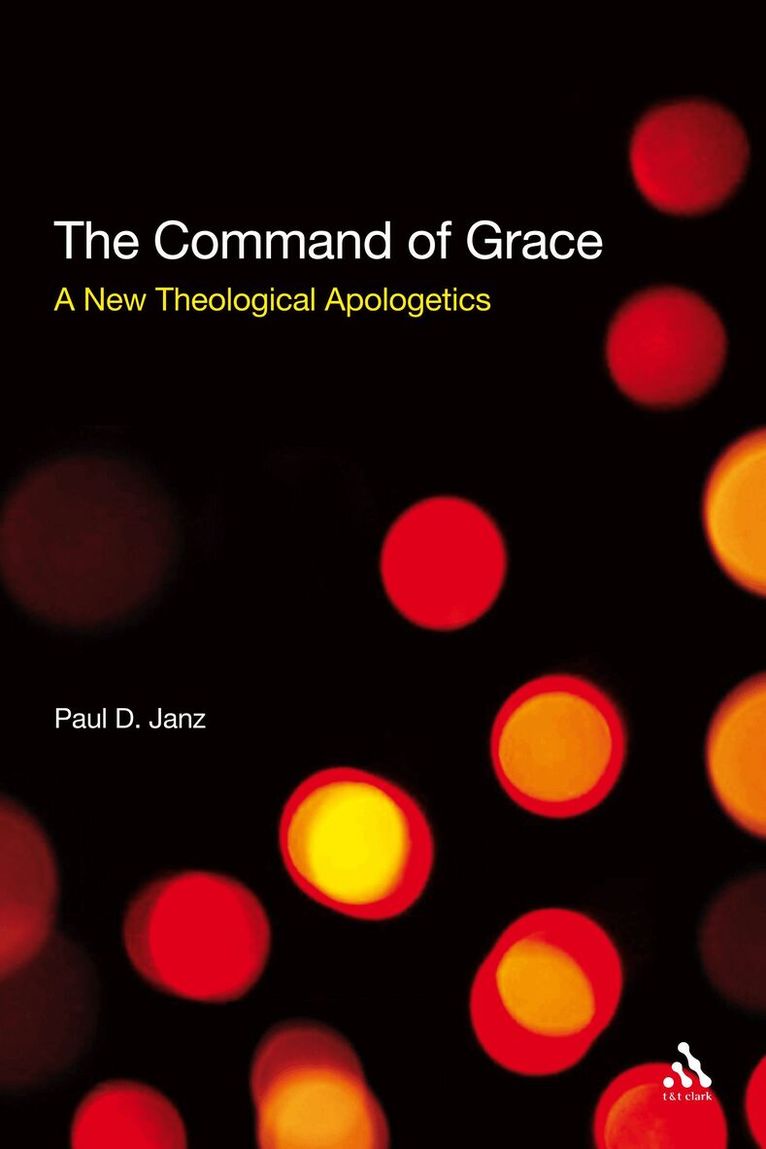
The Command of Grace sets forth a bold new critical initiative in theological apologetics, one that advances a fundamental reassessment of theological self-understanding and method today, especially in its attentiveness to the present reality of God in revelation. Many recent, predominating trends have tended to treat theological truth as something cognitively self-guaranteeing (‘tauto-theological') within doctrinal or other theoretical domains. Against this, and drawing on the philosophical heritage and Jewish thought, the book seeks to revive other basic modes of human attentiveness for fundamental theological questioning. These are: ‘causal' attentiveness encountered through the faculties of bodily sensibility; and ‘appetitive' or ‘motive' attentiveness encountered in the faculty of desire. Especially crucial here is the rejuvenation of the primacy of ‘motive reasoning' (reasoning with regard to motivations and desires) for theology's apologetical self-understanding, in addition to its normal engagement with ‘cognitive reasoning' (reasoning with regard to percepts and concepts). If God in his transcendent ‘Godness' meets us in revelation not at the margins of the speculative intellect in the form of a denotatum for cognitive apprehension, but rather at the very centre of embodied life in the form of a summons to motivated action, then theology must seek to be attentive to God through all the endowed faculties of embodied-rational life: cognitive, sensible, and motive-appetitive.
581 kr
Skickas inom 10-15 vardagar
The Command of Grace sets forth a bold new critical initiative in theological apologetics, one that advances a fundamental reassessment of theological self-understanding and method today, especially in its attentiveness to the present reality of God in revelation. Many recent, predominating trends have tended to treat theological truth as something cognitively self-guaranteeing (‘tauto-theological') within doctrinal or other theoretical domains. Against this, and drawing on the philosophical heritage and Jewish thought, the book seeks to revive other basic modes of human attentiveness for fundamental theological questioning. These are: ‘causal' attentiveness encountered through the faculties of bodily sensibility; and ‘appetitive' or ‘motive' attentiveness encountered in the faculty of desire. Especially crucial here is the rejuvenation of the primacy of ‘motive reasoning' (reasoning with regard to motivations and desires) for theology's apologetical self-understanding, in addition to its normal engagement with ‘cognitive reasoning' (reasoning with regard to percepts and concepts). If God in his transcendent ‘Godness' meets us in revelation not at the margins of the speculative intellect in the form of a denotatum for cognitive apprehension, but rather at the very centre of embodied life in the form of a summons to motivated action, then theology must seek to be attentive to God through all the endowed faculties of embodied-rational life: cognitive, sensible, and motive-appetitive.