Paul Fussell – författare
Visar alla böcker från författaren Paul Fussell. Handla med fri frakt och snabb leverans.
20 produkter
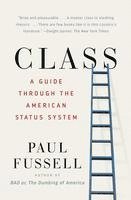
Class
A Guide Through the American Status System
Av Paul Fussell
Häftad, 1992
254 kr
Lägg i varukorg
The bestselling, comprehensive, and carefully researched guide to the ins-and-outs of the American class system with a detailed look at the defining factors of each group, from customs to fashion to housing. Based on careful research and told with grace and wit, Paul Fessell shows how everything …
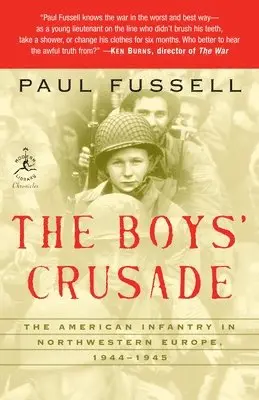
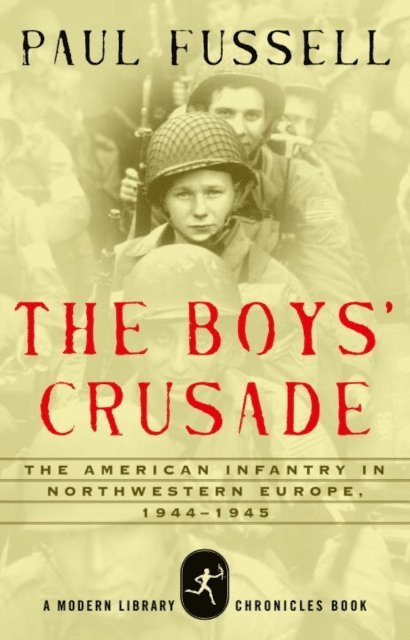
The Boys' Crusade: The American Infantry in Northwestern Europe, 1944-1945
Av Paul Fussell
Häftad, 2005
267 kr
Lägg i varukorg
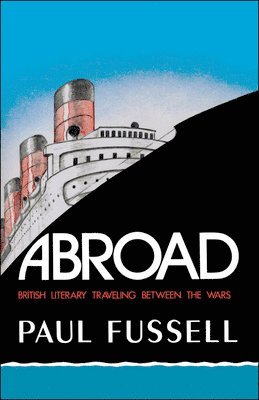
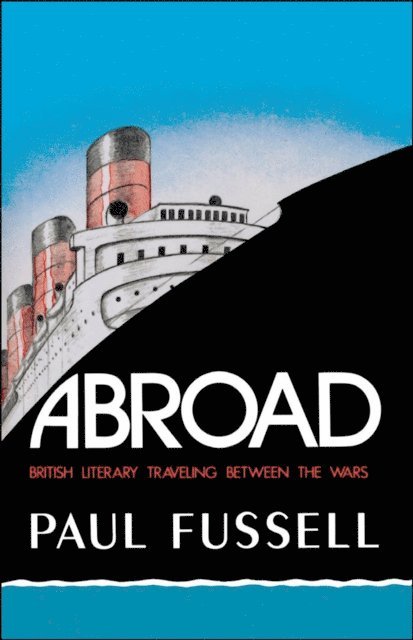
Abroad
British Literary Traveling Between the Wars
Av Paul Fussell
Häftad, 1982
429 kr
Lägg i varukorg
A book about the meaning of travel, about how important the topic has been for writers for two and a half centuries, and about how excellent the literature of travel happened to be in England and America in the 1920s and 30s.
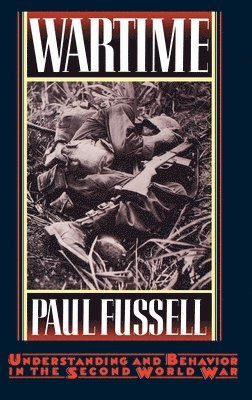
Wartime
Understanding and Behavior in the Second World War
Av Paul Fussell
Inbunden, 1989
569 kr
Lägg i varukorg
The Second World War has been romanticized almost beyond recognition by 'the sentimental, the loony patriotic, the ignorant, and the bloodthirsty.' In this readable and penetrating study, Paul Fussell goes behind the familiar diplomacy and heroics of history to examine the blunders, petty …
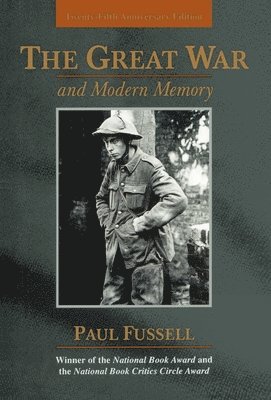
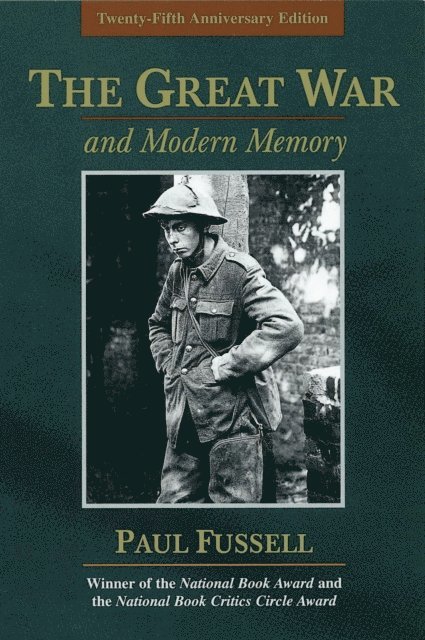
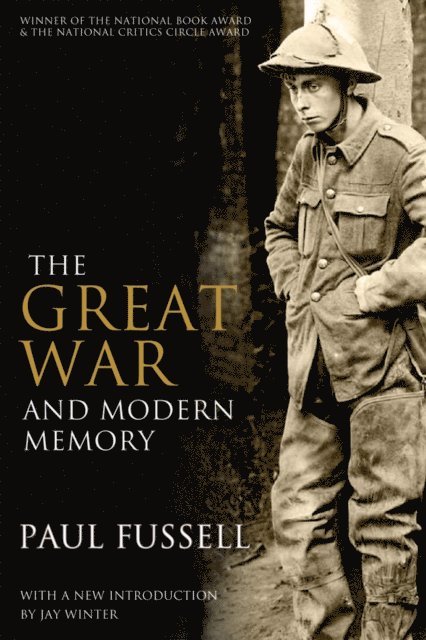
The Great War and Modern Memory
Av Paul Fussell
Inbunden, 2000
720 kr
Lägg i varukorg
The year 2000 marks the 25th anniversary of one of the most original and gripping volumes ever written about the First World War. Fussell illuminates a war that changed a generation and revolutionised the way we see the world. He explores the British experience on the western Front from 1914 to …
Abroad
British Literary Traveling between the Wars
Av Paul Fussell
E-bok, 1982
211 kr
Lägg i varukorg
A book about the meaning of travel, about how important the topic has been for writers for two and a half centuries, and about how excellent the literature of travel happened to be in England and America in the 1920s and 30s.
Great War and Modern Memory
Av Paul Fussell
E-bok, 2000
458 kr
Lägg i varukorg
The year 2000 marks the twenty-fifth anniversary of the publication of The Great War and Modern Memory , winner of the National Book Award, the National Book Critics Circle Award, and recently named by the Modern Library one of the twentieth century''s 100 Best Non-Fiction Books. Fussell''s …
Wartime
Understanding and Behavior in the Second World War
Av Paul Fussell
E-bok, 1990
240 kr
Lägg i varukorg
Winner of both the National Book Award for Arts and Letters and the National Book Critics Circle Award for Criticism, Paul Fussell''s The Great War and Modern Memory was one of the most original and gripping volumes ever written about the First World War. Frank Kermode, in The New York Times Book …
Wartime
Understanding and Behavior in the Second World War
Av Paul Fussell
E-bok, 1989
240 kr
Lägg i varukorg
Winner of both the National Book Award for Arts and Letters and the National Book Critics Circle Award for Criticism, Paul Fussell''s The Great War and Modern Memory was one of the most original and gripping volumes ever written about the First World War. Frank Kermode, in The New York Times Book …
Abroad
British Literary Traveling between the Wars
Av Paul Fussell
E-bok, 1982
317 kr
Lägg i varukorg
A book about the meaning of travel, about how important the topic has been for writers for two and a half centuries, and about how excellent the literature of travel happened to be in England and America in the 1920s and 30s.
The Great War and Modern Memory
Av Paul Fussell
Häftad, 2013
5,0 utav 5 stjärnor. Totalt antal röster: (2)
248 kr
Lägg i varukorg
Winner of both the National Book Award and the National Book Critics Circle Award and named by the Modern Library one of the twentieth century's 100 Best Non-Fiction Books, Paul Fussell's The Great War and Modern Memory was universally acclaimed on publication in 1970. Today, Fussell's landmark …
Great War and Modern Memory
Av Paul Fussell
E-bok, 2013
232 kr
Lägg i varukorg
Winner of both the National Book Award and the National Book Critics Circle Award and named by the Modern Library one of the twentieth century''s 100 Best Non-Fiction Books, Paul Fussell''s The Great War and Modern Memory was universally acclaimed on publication in 1970. Today, Fussell''s landmark …
Great War and Modern Memory
Av Paul Fussell
E-bok, 2013
232 kr
Lägg i varukorg
Winner of both the National Book Award and the National Book Critics Circle Award and named by the Modern Library one of the twentieth century''s 100 Best Non-Fiction Books, Paul Fussell''s The Great War and Modern Memory was universally acclaimed on publication in 1970. Today, Fussell''s landmark …
Samuel Johnson and the Life of Writing
Av Paul Fussell
Häftad, 1986
345 kr
Lägg i varukorg
Not everyone is as innocent as this engaging complainant. Most people who read know something about Johnson, enough at least to summon up images of him asseverating “No, Sir,” knocking back endless cups of tea, rambling over the Hebrides, puffing out his breath like a whale, repressing Boswell, …
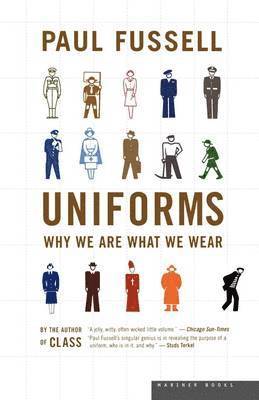
Uniforms: Why We Are What We Wear
Av Paul Fussell
Häftad, 2003
4,0 utav 5 stjärnor. Totalt antal röster: (1)
255 kr
Lägg i varukorg
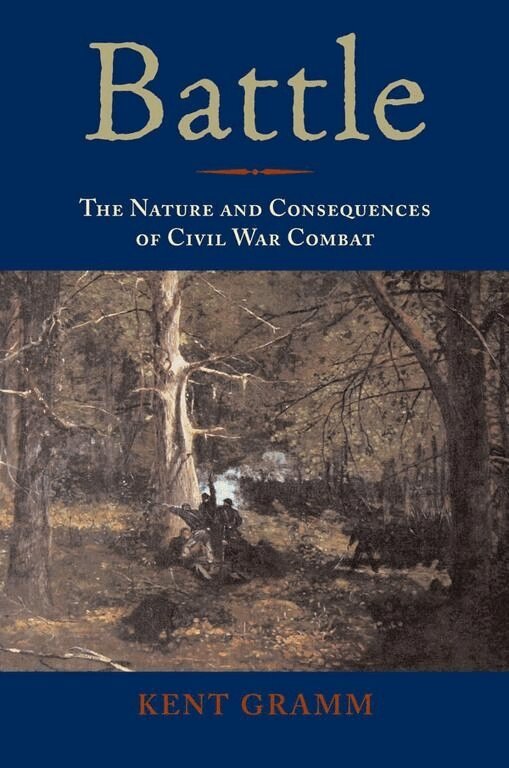
Battle
The Nature and Consequences of Civil War Combat
Av Eric T. Dean, Bruce A. Evans m. fl.
Häftad, 2024
282 kr
Lägg i varukorg
The first modern war fought with old-fashioned techniquesRomanticism is as rife in Civil War history as any other and may produce more than its share of drums and trumpets writing that glosses over the fear, pain, and death that are inevitable components of all warfare. The essays that make up this …
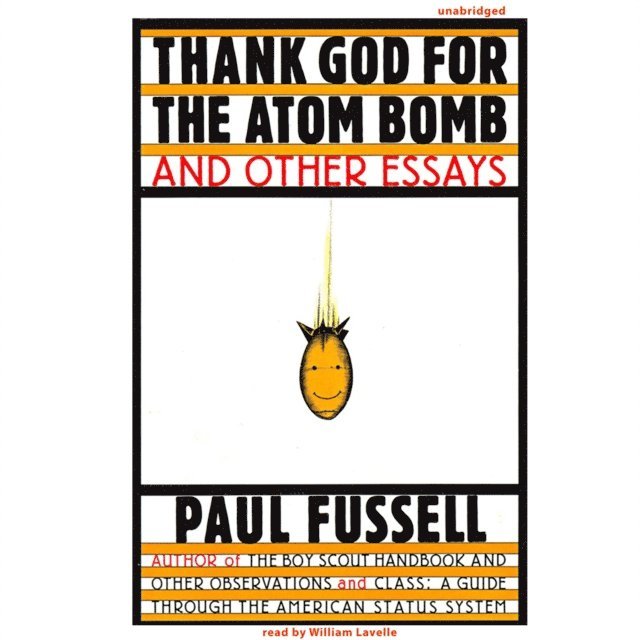
Thank God for the Atom Bomb and Other Essays
Av Paul Fussell
Ljudbok, 2012
285 kr
Lägg i varukorg
“This is not a book to promote tranquility, and readers in quest of peace of mind should look elsewhere,” writes Paul Fussell in the foreword to this original, sharp, tart, and thoroughly engaging work. The celebrated author focuses his lethal wit on habitual euphemizers, artistically pretentious …
Boys' Crusade
The American Infantry in Northwestern Europe, 1944-1945
Av Paul Fussell
E-bok, 2003
115 kr
Lägg i varukorg
The Boys’ Crusade is the great historian Paul Fussell’s unflinching and unforgettable account of the American infantryman’s experiences in Europe during World War II. Based in part on the author’s own experiences, it provides a stirring narrative of what the war was actually like, from the point of …
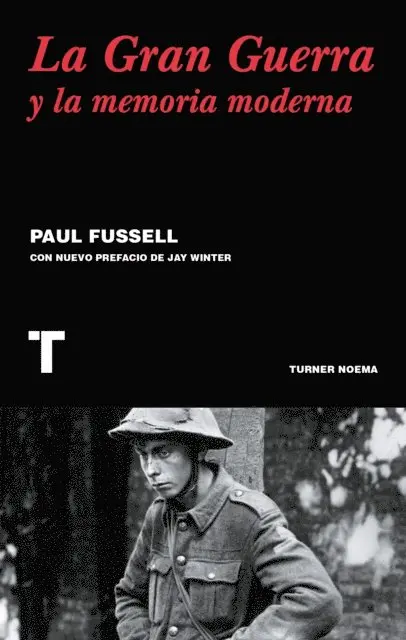
La gran guerra y la memoria moderna
Av Paul Fussell
E-bok, 2016
147 kr
Lägg i varukorg
Elegido uno de los 100 mejores ensayos del siglo XX por la Modern Library. Ganador del National Book Award del círculo de críticos en el año de su publicación. Un emocionante análisis de la literatura escrita por los militares que participaron en la Primera Guerra Mundial: el primer ensayo que …