
Del 2 - Leading Change in the Digital Age
Impact
21st Century Change Management, Behavioral Science, Digital Transformation, and the Future of Work
Häftad, Engelska, 2019
226 kr
Skickas inom 5-8 vardagar
21st Century Change Management, Behavioral Science, Digital Transformation, and the Future of Work
226 kr
Skickas inom 5-8 vardagar
Finding Meaning, Joy, and Purpose in What You Do
159 kr
Skickas inom 5-8 vardagar
258 kr
Skickas inom 5-8 vardagar
329 kr
Läs direkt efter köp
"Since myths can be hard to test and compare, we get an intellectual free for all that allows bullshit to prosper and propagate, for decades, even when subsequent human science research has overturned it."
How humans decide what to believe, in their professional and personal lives, is vital. It applies to our interest area, the myths of organizational change, but also critically to life, such as health and medical decisions, fake news, politics, and more.
Once a myth takes root, whether true or false, it sticks. Transmitted by the media and reiterated by gurus, it becomes a cultural "truth". Take the idea that people are left-brained or right-brained and that the latter are more creative. Psychologists debunk this claim until they''re blue in the face, yet it has mythological stature, including among some change professionals.
This idea stickiness is endemic in the organizational change profession. Many of its signature ideas are decades old, yet they have stuck without any re-evaluation as research and knowledge in the human sciences has proved them false.
For example, the very first model Paul and Tricia learned as organizational change consultants was the Kübler-Ross "grief model" which was supposed to describe the organizational change experience. Later, they began to wonder how the emotional experience of the dying became a template for business change of all kinds.
Similarly, early writers picked up the "unfreeze change refreeze" model, and it became paradigmatic, eventually finding its way into harmful ideas such as creating a "sense of urgency" or "burning platform". The Science of Organizational Change, published in 2015 and revised in 2019, took the first stab at identifying myths in the world of change. Each myth in that book deserved a chapter-length exploration that it did not receive.
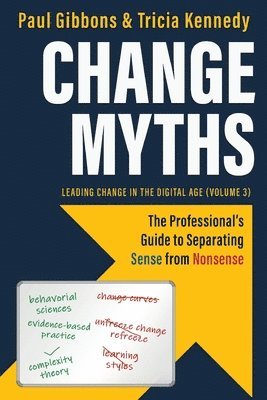
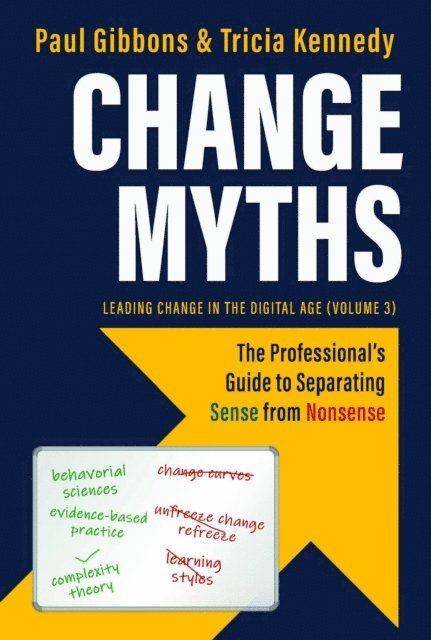
Change Myths does just that. It takes six of the most popular and well-known change myths and gives them the exploration they deserve, applying a scientific and critical lens to their origins and supporting evidence.
Some of those myths debunked are the Myers-Briggs Type Indicator, Learning Styles, resistance to change, and "sense of urgency."
Change Myths begins a long-overdue conversation: What does it cost businesses to cling to outdated and disproven ideas?
This, more than any dissection of a specific myth, offers an opportunity to transform the world of organizational change toward one more grounded in evidence and critical thinking.
Perhaps more than ever, every professional, business leader, worker, citizen, parent, and adult needs better tools to parse and discern the deluge of information they encounter daily to help make decisions where knowledge sources conflict.
The tools in Change Myths will help the reader sift through and debunk myths in all walks of life.
575 kr
Läs direkt efter köp
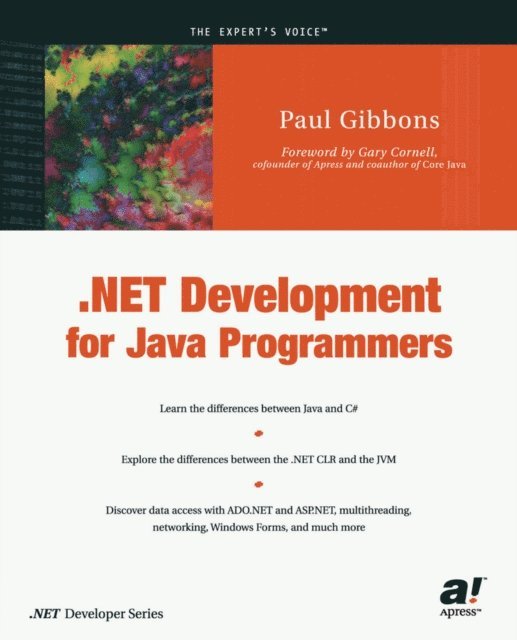
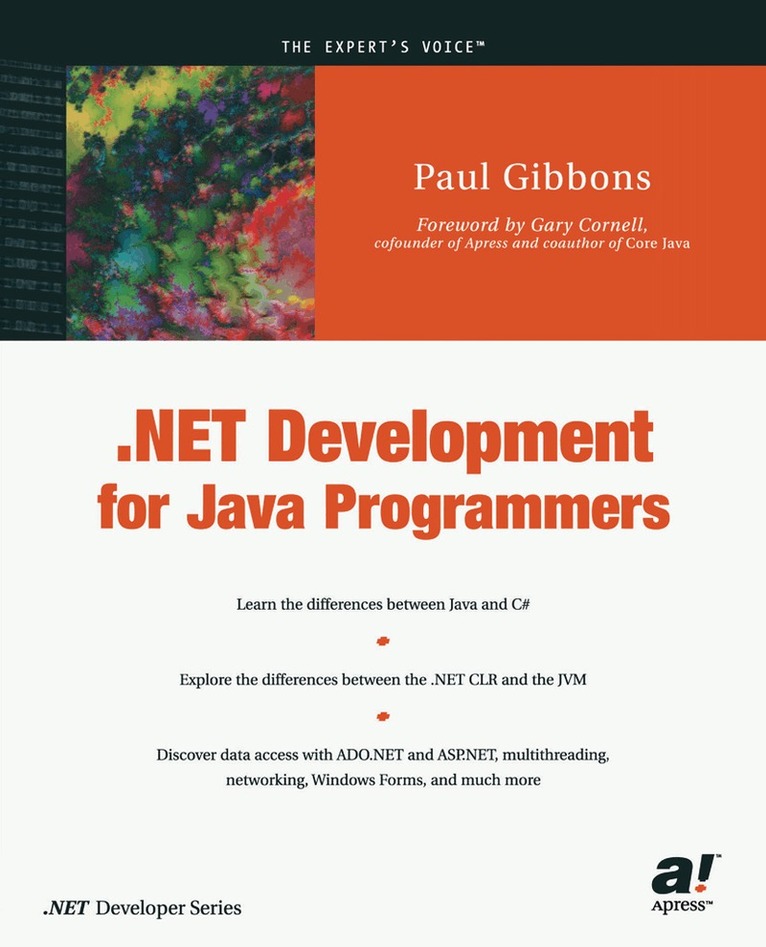
Java developers have adapted to a world in which everything is an object, resources are reclaimed by a garbage collector, and multiple inheritance is replaced by interfaces. All of these things have prepared developers to thrive in Microsoft''s new .NET environment using C#.
Despite similarities between Java and C#, complex differences still lurk. This book will walk you through both language and library differences, to help you develop enterprise applications requiring mastery. You will then be able to build applications that communicate with databases and include network components, web pages, and many other features.
Ordinarily, Java developers rely on Java 2 Enterprise Edition (J2EE) to provide these libraries, and C# developers rely on the .NET Framework. At first glance, there seems little similarity between the two, but author Paul Gibbons shows how a Java developer''s J2EE skills transfer smoothly when tackling the .NET Framework.
Early chapters highlight C#''s differences from Java, and discuss differences between the .NET CLR and JVM. Subsequent chapters cover various technologies in which J2EE development translates into .NET enterprise development. These middle chapters also explain .NET technologies that Java developers can begin using immediately. The final chapter examines migration of existing Java applications to C#, and the available tools and techniques. By the end of .NET Development for Java Programmers, a professional Java developer will be able to tackle a real software project in .NET, using C#.
422 kr
Skickas inom 10-15 vardagar
1 238 kr
Skickas inom 5-8 vardagar
2 059 kr
Kommande
1 013 kr
Läs direkt efter köp
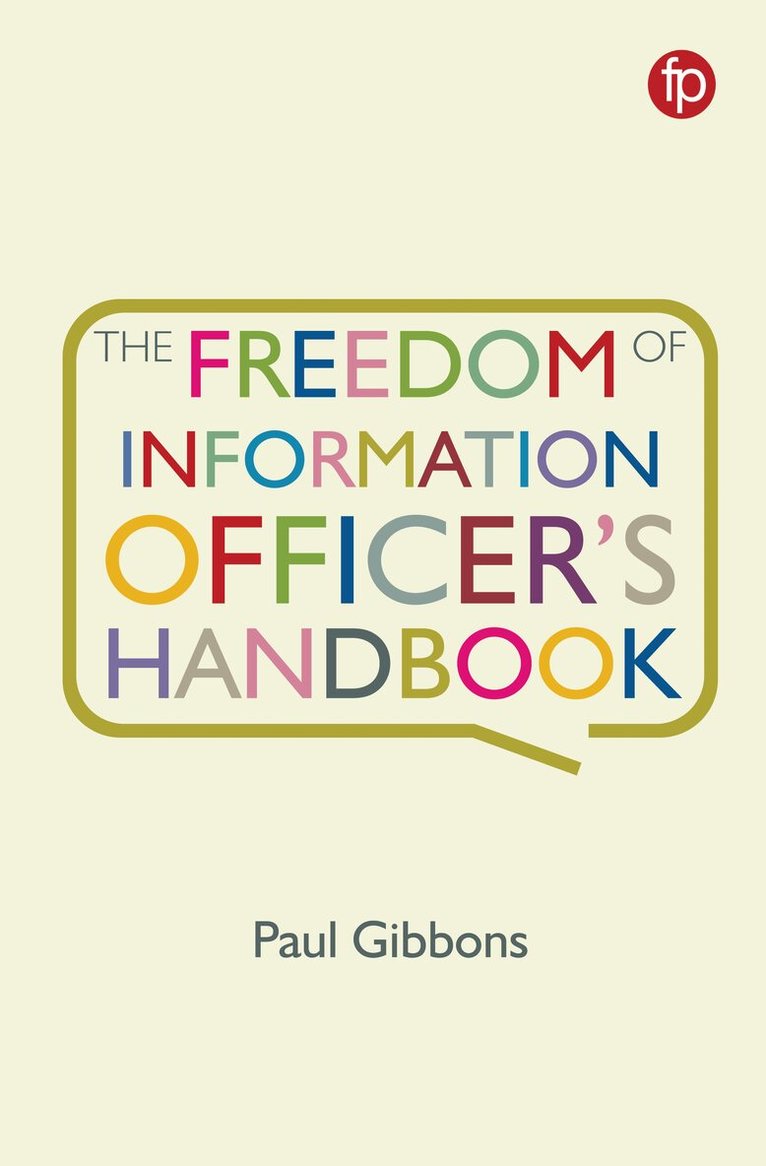
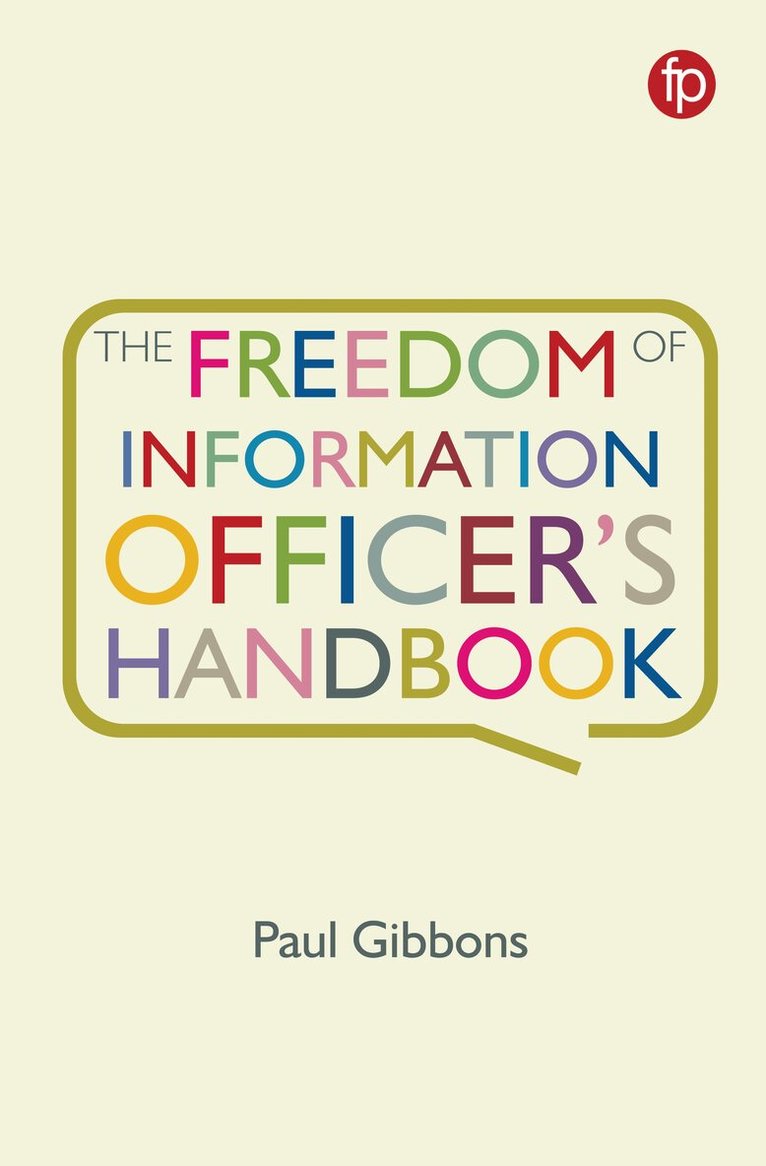
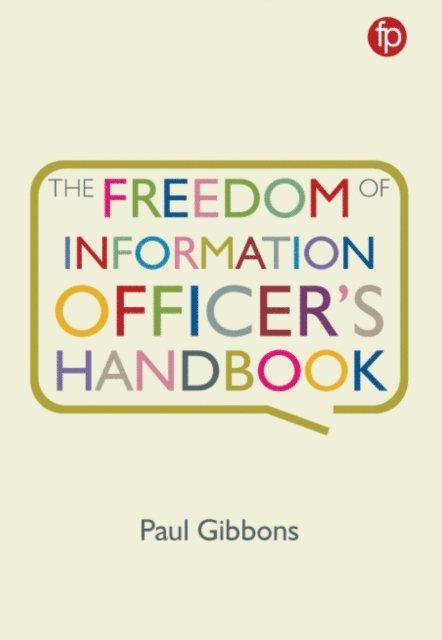
Freedom of information (FOI) is now an international phenomenon with over 100 countries from Albania to Zimbabwe enacting the right to know for their citizens. Since 2005, the UK’s Freedom of Information Act has opened up thousands of public bodies to unparalleled scrutiny and prompted further moves to transparency.
Wherever the right to know is introduced, its success depends on the way it is implemented. In organisations worldwide, FOI only works because of those who oversee its operation on a day-to-day basis, promoting openness, processing requests and advising colleagues and the public. FOI is dependent on the FOI Officers.
The Freedom of Information Officer’s Handbook is a comprehensive guide to FOI and its management. It is designed to be an indispensable tool for FOI Officers and their colleagues. It includes:
a guide to the UK’s FOI Act, the right to know and the exemptions clear analysis of the most important case law and its implications for the handling of FOI requests pointers to the best resources to help FOI officers in their work explanations of how FOI interacts with other legislation, including detailed explorations of the Environmental Information Regulations 2004 and how the EU’s General Data Protection Regulation impacts on FOI a look at requirements to proactively publish information and the effect of copyright and re-use laws on FOI and open data comparisons of the UK’s Act with FOI legislation in other jurisdictions from Scotland to South Africa an exploration of the role of the FOI Officer: who they are, what they do, their career development and what makes them effective suggestions on how to embed FOI within an organisation using effective procedures, technology and training a stage-by-stage guide to processing requests for information.The Freedom of Information Officers’ Handbook includes the latest developments in FOI including amendments made to the UK’s FOI Act by the Data Protection Act 2018 and the revised s.45 code of practice published by the Cabinet Office in July 2018.
Collected Essays from Leading Thinkers and Practitioners
273 kr
Skickas inom 5-8 vardagar
329 kr
Läs direkt efter köp
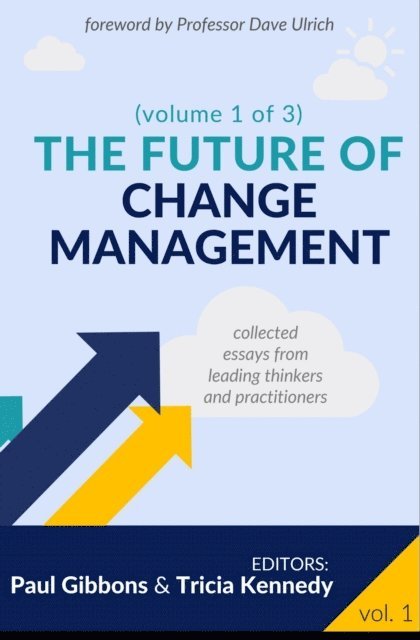
There is a quiet revolution happening in change management - in our understanding of how the human mind handles transitions, in behavioral science-based approaches that are many times more effective, and in how new tools help navigate the complexities of change.
Many businesses and even many experts struggle to keep up and, as a result, cling onto old methods that produce mediocre results.
Volume I in the Future of Change Management series starts a journey to change the way businesses change. It has up-to-the-minute treatments of the following topics:
mental health,ChatGPT,neuroscience,behavioral science and culture change,behavioral science and HR,behavioral science and evidence-based change,design thinking, neurodiversity,people analytics, andbehavioral science tools.But why?
Imagine that right now, you assemble the best 50 change experts you can find. You ask, "What do you think the most important factor is in organizational change?"
Among the hundred different responses you might hear are trust, psychological safety, inclusion, wellness, purpose, empathy, creativity, changing behaviors, coaching, lean, transformational leadership, emotional intelligence, agile teams, changing culture, facilitating conflict, and leadership alignment.
Now pull down your dusty old CMBOK, Kotter, Prosci, Conner, CCMP, or other change "bible." Find how to create trust, empathy, or creativity in there. Find agile, or lean. Find psychological safety or facilitating conflict.
The fact is that canonical certifications and the work of esteemed pioneers haven''t kept up. Change is too complex, the world is changing too quickly, and science is moving too fast.
The Future of Change Management series aims to bridge the chasm between old school change and the newest ideas.
The Future of Change Management explores the frontiers with expert author-practitioners such as Hilary Scarlett, Newton Cheng, Ignacio Etchebarne, James Healy, Philip Jordanov, Beirem Ben Barrah, Scott Young, Yves Van Durme, Natasha Young, Robert Meza, and Patrick Gallagher.
The book''s editors, Paul Gibbons, and Tricia Kennedy published Change Myths in 2023, and Paul has published five other books on change - notably the bestseller The Science of Organizational Change.
247 kr
Skickas inom 5-8 vardagar