Paul Giladi - Böcker
Visar alla böcker från författaren Paul Giladi. Handla med fri frakt och snabb leverans.
6 produkter
6 produkter
661 kr
Skickas inom 10-15 vardagar
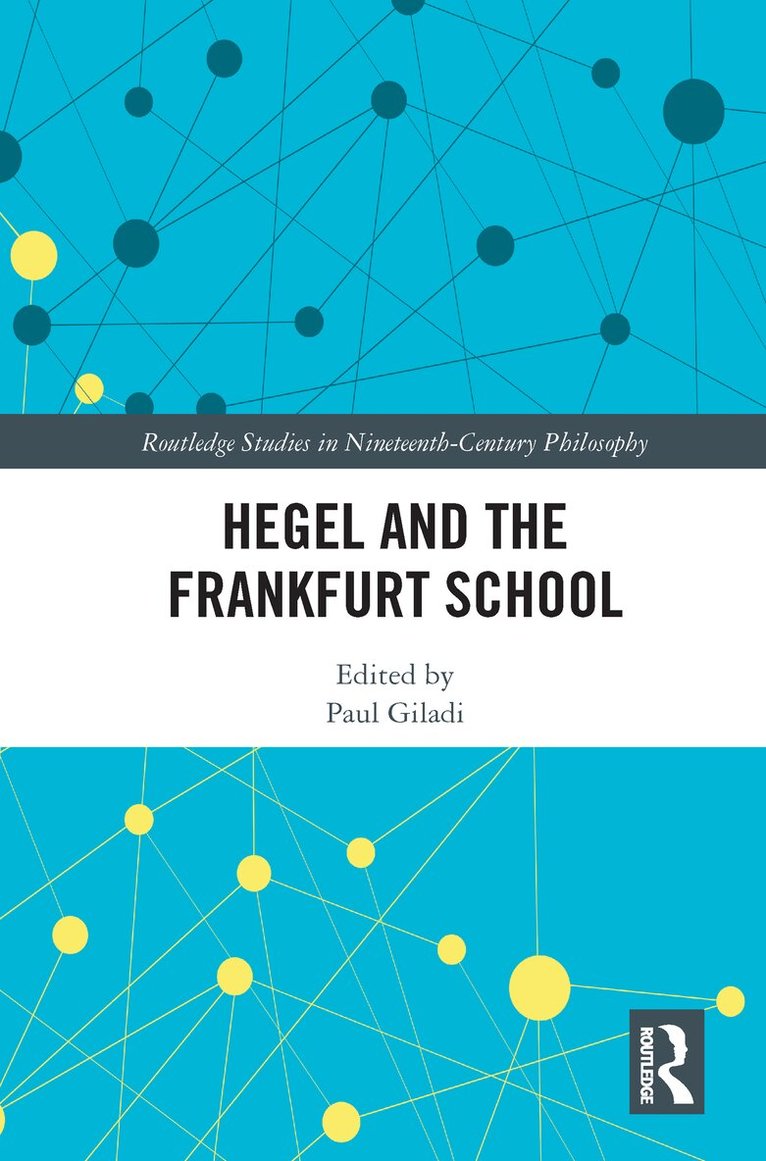
This collection of original essays discusses the relationship between Hegel and the Frankfurt School Critical Theory tradition. The book’s aim is to take stock of this fascinating, complex, and complicated relationship. The volume is divided into five parts: Part I focuses on dialectics and antagonisms. Part II is concerned with ethical life and intersubjectivity. Part III is devoted to the logico-metaphysical discourse surrounding emancipation. Part IV analyses social freedom in relation to emancipation. Part V discusses classical and contemporary political philosophy in relation to Hegel and the Frankfurt School, as well as radical-democratic models and the outline and functions of economic institutions.
632 kr
Skickas inom 10-15 vardagar
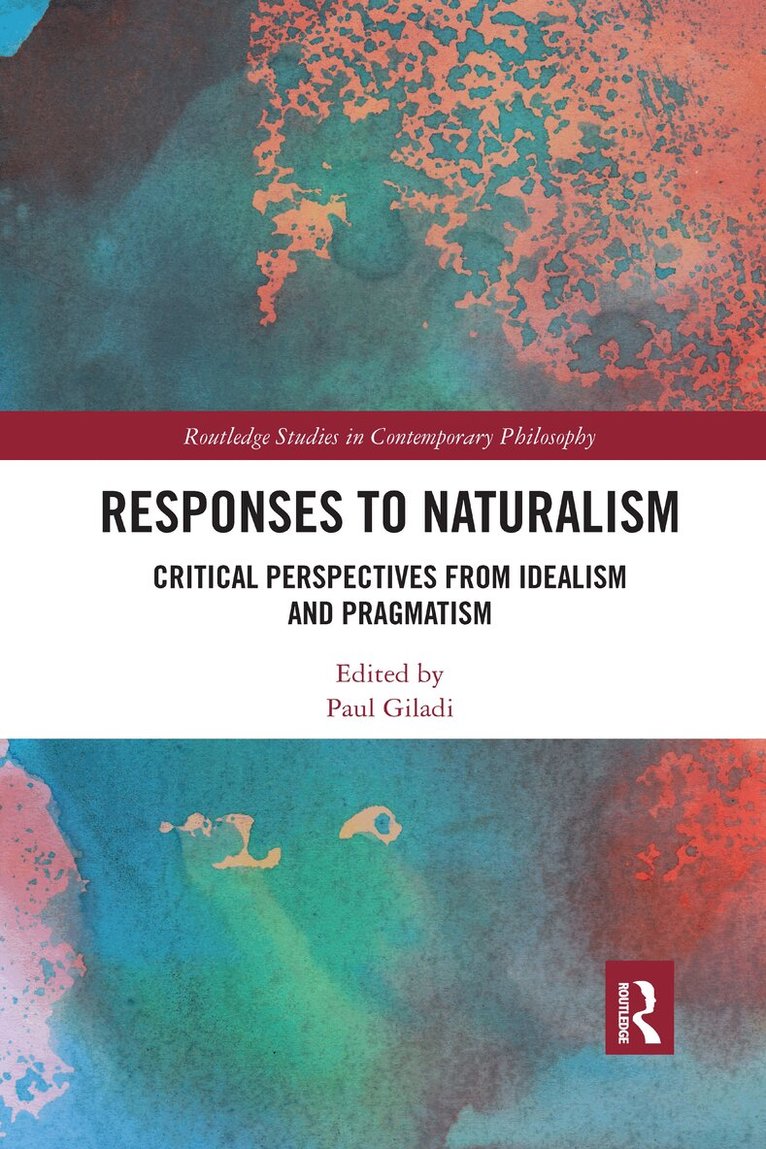
This volume offers critical responses to philosophical naturalism from the perspectives of four different yet fundamentally interconnected philosophical traditions: Kantian idealism, Hegelian idealism, British idealism, and American pragmatism. In bringing these rich perspectives into conversation with each other, the book illuminates the distinctive set of metaphilosophical assumptions underpinning each tradition’s conception of the relationship between the human and natural sciences. The individual essays investigate the affinities and the divergences between Kant, Hegel, Collingwood, and the American pragmatists in their responses to philosophical naturalism. The ultimate aim of Responses to Naturalism is to help us understand how human beings can be committed to the idea of scientific progress without renouncing their humanistic explanations of the world. It will appeal to scholars interested in the role idealist and pragmatist perspectives play in contemporary debates about naturalism.
578 kr
Skickas inom 10-15 vardagar
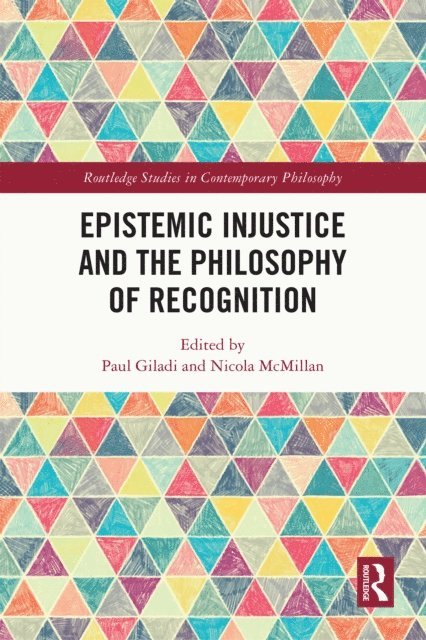
This volume includes original essays that examine the underexplored relationship between recognition theory and key developments in critical social epistemology. Its aims are to explore how far certain kinds of epistemic injustice, epistemic oppression, and types of ignorance can be understood as distorted varieties of recognition and to determine whether contemporary work on epistemic injustice and critical social epistemology more generally have significant continuities with theories of recognition in the Frankfurt School tradition. Part I of the book focuses on bringing recognition theory and critical social epistemology into direct conversation. Part II is devoted to analysing a range of case studies that are evocative of contemporary social struggles.The essays in this volume propose answers to a number of thought-provoking questions at the intersection of these two robust philosophical subfields, such as the following: how well can different types of epistemic injustice be understood as types of recognition abuses? How useful is it to approach different forms of social oppression as recognition injustices and/or as involving epistemic injustice? What limitations do we discover in either or both recognition theory and the ever-expanding literature on epistemic injustice when we put them into conversation with each other? How does the conjunction of these two accounts bear on specific domains, such as questions of silencing?Epistemic Injustice and the Philosophy of Recognition heralds new directions for future research that will appeal to scholars and students working in critical social epistemology, social and political theory, continental philosophy, and a wide range of critical social theories.
2 195 kr
Skickas inom 10-15 vardagar
This collection of original essays discusses the relationship between Hegel and the Frankfurt School Critical Theory tradition. The book’s aim is to take stock of this fascinating, complex, and complicated relationship. The volume is divided into five parts: Part I focuses on dialectics and antagonisms. Part II is concerned with ethical life and intersubjectivity. Part III is devoted to the logico-metaphysical discourse surrounding emancipation. Part IV analyses social freedom in relation to emancipation. Part V discusses classical and contemporary political philosophy in relation to Hegel and the Frankfurt School, as well as radical-democratic models and the outline and functions of economic institutions.
2 113 kr
Skickas inom 10-15 vardagar
This volume includes original essays that examine the underexplored relationship between recognition theory and key developments in critical social epistemology. Its aims are to explore how far certain kinds of epistemic injustice, epistemic oppression, and types of ignorance can be understood as distorted varieties of recognition and to determine whether contemporary work on epistemic injustice and critical social epistemology more generally have significant continuities with theories of recognition in the Frankfurt School tradition. Part I of the book focuses on bringing recognition theory and critical social epistemology into direct conversation. Part II is devoted to analysing a range of case studies that are evocative of contemporary social struggles.The essays in this volume propose answers to a number of thought-provoking questions at the intersection of these two robust philosophical subfields, such as the following: how well can different types of epistemic injustice be understood as types of recognition abuses? How useful is it to approach different forms of social oppression as recognition injustices and/or as involving epistemic injustice? What limitations do we discover in either or both recognition theory and the ever-expanding literature on epistemic injustice when we put them into conversation with each other? How does the conjunction of these two accounts bear on specific domains, such as questions of silencing?Epistemic Injustice and the Philosophy of Recognition heralds new directions for future research that will appeal to scholars and students working in critical social epistemology, social and political theory, continental philosophy, and a wide range of critical social theories.
2 113 kr
Skickas inom 10-15 vardagar
This volume offers critical responses to philosophical naturalism from the perspectives of four different yet fundamentally interconnected philosophical traditions: Kantian idealism, Hegelian idealism, British idealism, and American pragmatism. In bringing these rich perspectives into conversation with each other, the book illuminates the distinctive set of metaphilosophical assumptions underpinning each tradition’s conception of the relationship between the human and natural sciences. The individual essays investigate the affinities and the divergences between Kant, Hegel, Collingwood, and the American pragmatists in their responses to philosophical naturalism. The ultimate aim of Responses to Naturalism is to help us understand how human beings can be committed to the idea of scientific progress without renouncing their humanistic explanations of the world. It will appeal to scholars interested in the role idealist and pragmatist perspectives play in contemporary debates about naturalism.