Pauline C. Lee - Böcker
Visar alla böcker från författaren Pauline C. Lee. Handla med fri frakt och snabb leverans.
4 produkter
4 produkter
1 998 kr
Skickas inom 7-10 vardagar
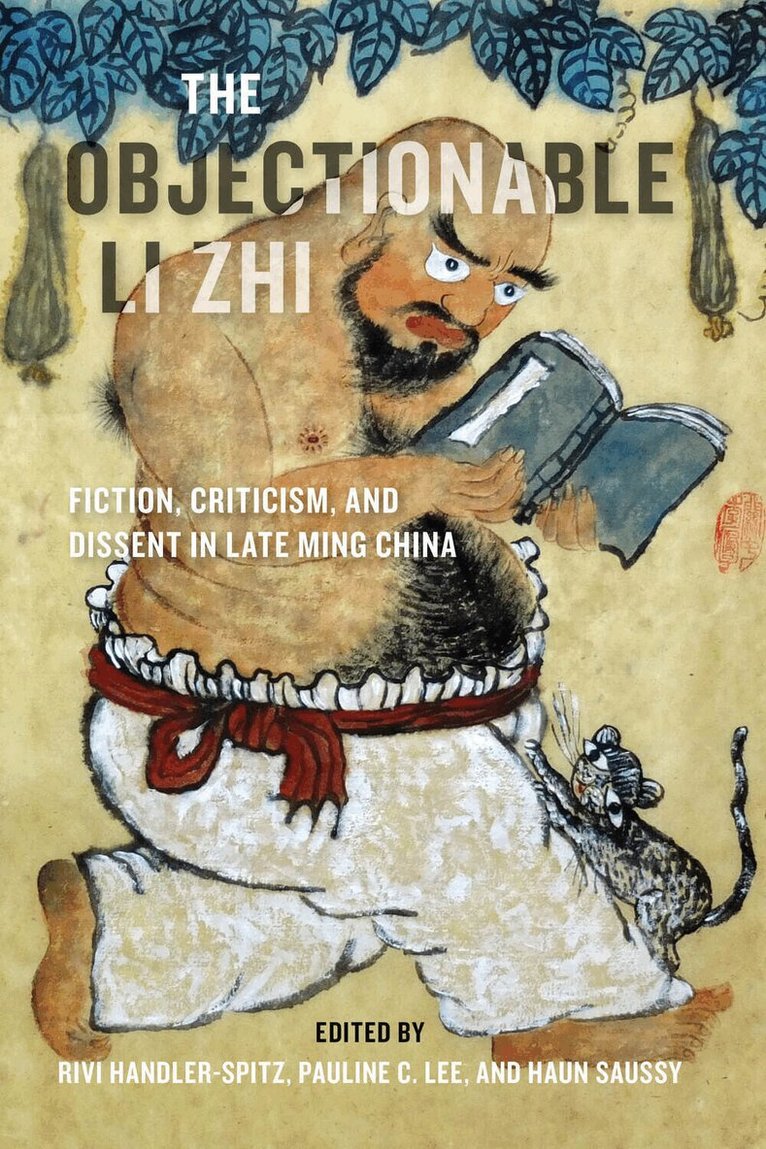
Astute inquiries into the world of China’s most unconventional early modern intellectualIconoclastic scholar Li Zhi (1527–1602) was a central figure in the cultural world of the late Ming dynasty. His provocative and controversial words and actions shaped print culture, literary practice, attitudes toward gender, and perspectives on Buddhism and the afterlife. Although banned, his writings were never fully suppressed, because they tapped into issues of vital significance to generations of readers. His incisive remarks, along with the emotional intensity and rhetorical power with which he delivered them, made him an icon of his cultural moment and an emblem of early modern Chinese intellectual dissent.In this volume, leading China scholars demonstrate the interrelatedness of seemingly discrete aspects of Li Zhi’s thought and emphasize his far-reaching impact on his contemporaries and successors. In doing so, they challenge the myth that there was no tradition of dissidence in premodern China.The open access publication of this book was made possible by a grant from the James P. Geiss and Margaret Y. Hsu Foundation.
577 kr
Skickas inom 7-10 vardagar
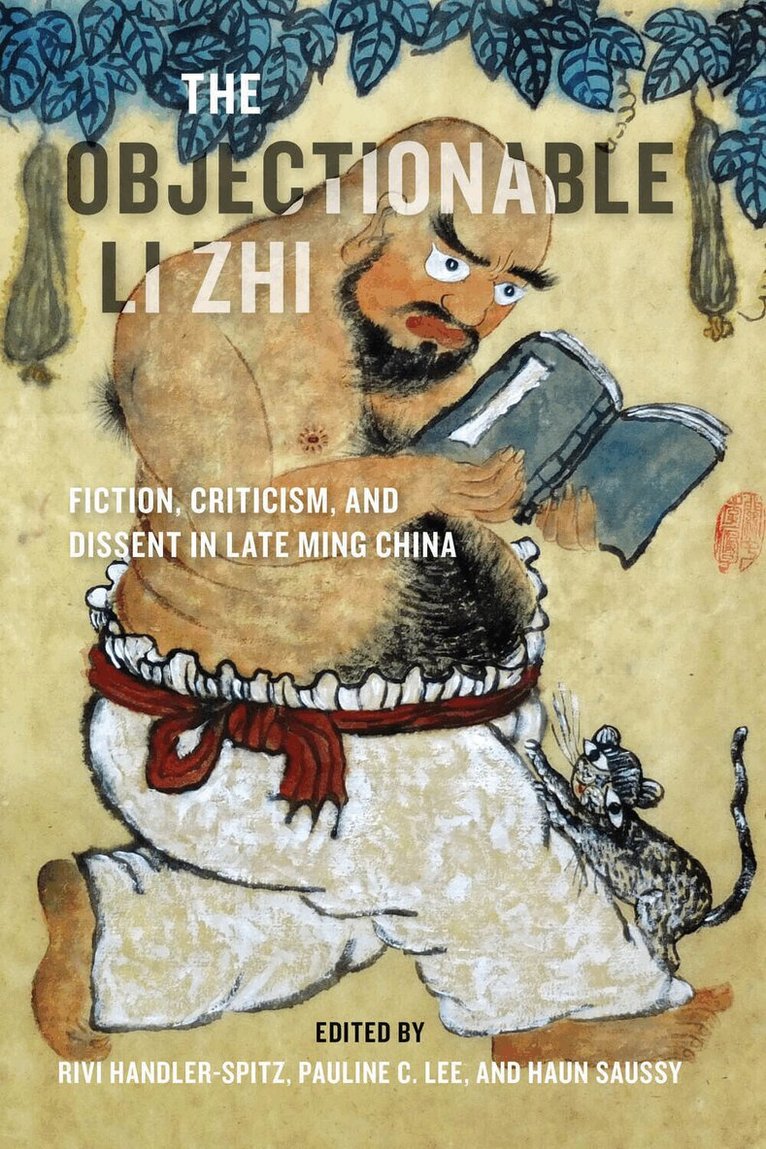
Astute inquiries into the world of China’s most unconventional early modern intellectualIconoclastic scholar Li Zhi (1527–1602) was a central figure in the cultural world of the late Ming dynasty. His provocative and controversial words and actions shaped print culture, literary practice, attitudes toward gender, and perspectives on Buddhism and the afterlife. Although banned, his writings were never fully suppressed, because they tapped into issues of vital significance to generations of readers. His incisive remarks, along with the emotional intensity and rhetorical power with which he delivered them, made him an icon of his cultural moment and an emblem of early modern Chinese intellectual dissent.In this volume, leading China scholars demonstrate the interrelatedness of seemingly discrete aspects of Li Zhi’s thought and emphasize his far-reaching impact on his contemporaries and successors. In doing so, they challenge the myth that there was no tradition of dissidence in premodern China.The open access publication of this book was made possible by a grant from the James P. Geiss and Margaret Y. Hsu Foundation.
382 kr
Tillfälligt slut
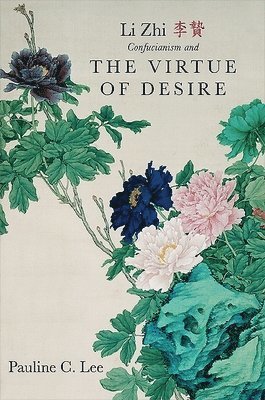
A philosophical analysis of the work of one of the most iconoclastic thinkers in Chinese history, Li Zhi, whose ethics prized spontaneous expression of genuine feelings.Li Zhi (1527–1602) was a bestselling author with a devoted readership. His biting, shrewd, and visionary writings with titles like A Book to Hide and A Book to Burn were both inspiring and inflammatory. Widely read from his own time to the present, Li Zhi has long been acknowledged as an important figure in Chinese cultural history. While he is esteemed as a stinging social critic and an impassioned writer, Li Zhi's ideas have been dismissed as lacking a deeper or constructive vision. Pauline C. Lee convincingly shows us otherwise. Situating Li Zhi within the highly charged world of the late-Ming culture of "feelings," Lee presents his slippery and unruly yet clear and robust ethical vision. Li Zhi is a Confucian thinker whose consuming concern is a powerful interior world of abundance, distinctive to each individual: the realm of the emotions. Critical to his ideal of the good life is the ability to express one's feelings well. In the work's conclusion, Lee brings Li Zhi's insights into conversation with contemporary philosophical debates about the role of feelings, an ethics of authenticity, and the virtue of desire.
1 057 kr
Tillfälligt slut
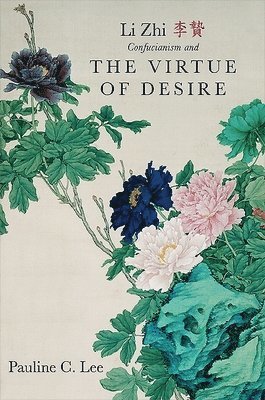
A philosophical analysis of the work of one of the most iconoclastic thinkers in Chinese history, Li Zhi, whose ethics prized spontaneous expression of genuine feelings.Li Zhi (1527–1602) was a bestselling author with a devoted readership. His biting, shrewd, and visionary writings with titles like A Book to Hide and A Book to Burn were both inspiring and inflammatory. Widely read from his own time to the present, Li Zhi has long been acknowledged as an important figure in Chinese cultural history. While he is esteemed as a stinging social critic and an impassioned writer, Li Zhi's ideas have been dismissed as lacking a deeper or constructive vision. Pauline C. Lee convincingly shows us otherwise. Situating Li Zhi within the highly charged world of the late-Ming culture of "feelings," Lee presents his slippery and unruly yet clear and robust ethical vision. Li Zhi is a Confucian thinker whose consuming concern is a powerful interior world of abundance, distinctive to each individual: the realm of the emotions. Critical to his ideal of the good life is the ability to express one's feelings well. In the work's conclusion, Lee brings Li Zhi's insights into conversation with contemporary philosophical debates about the role of feelings, an ethics of authenticity, and the virtue of desire.