Pavel Marek – författare
Visar alla böcker från författaren Pavel Marek. Handla med fri frakt och snabb leverans.
3 produkter
Escalation of the Thirty Years' War in the 1620s
The Threats to Habsburg Hegemony and the Rise of Wallenstein
Inbunden, 2026
1532 kr
Lägg i varukorg
A major reassessment of the first decade of the Thirty Years' War.Much has been written on the Thirty Years' War, particularly the Bohemian Revolt of 1618 which started the war and the Congress of Westphalia which ended the war in Germany in 1648. This book focuses instead on the 1620s when …
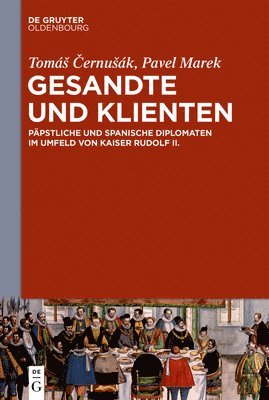
Gesandte Und Klienten
Päpstliche Und Spanische Diplomaten Im Umfeld Von Kaiser Rudolf II.
Av Tomás Černusák, Pavel Marek
Inbunden, 2020
1218 kr
Lägg i varukorg
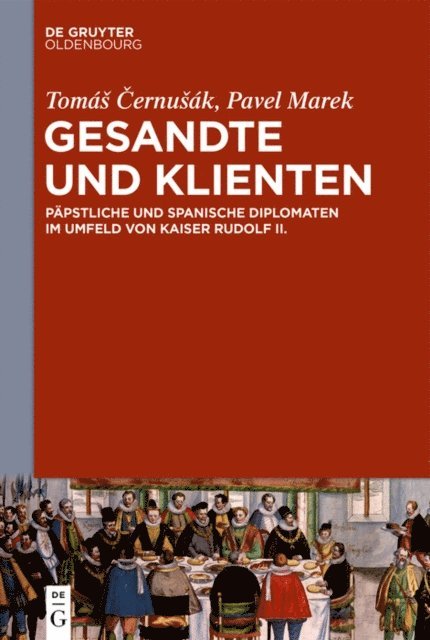
Gesandte und Klienten
Päpstliche und spanische Diplomaten im Umfeld von Kaiser Rudolf II.
Av Pavel Marek, Tomas Cernusak
E-bok, 2020
1271 kr
Lägg i varukorg
Der machtpolitische Einfluss der päpstlichen und spanischen Diplomaten am Kaiserhof Rudolfs II. (1576-1612) war immens. Über sie liefen alle Informationen über wichtige Ereignisse im Heiligen Römischen Reich und in den Habsburger Ländern. Sie vertraten effizient die Interessen Spaniens und des …