Tomas Cernusak – författare
Visar alla böcker från författaren Tomas Cernusak. Handla med fri frakt och snabb leverans.
7 produkter
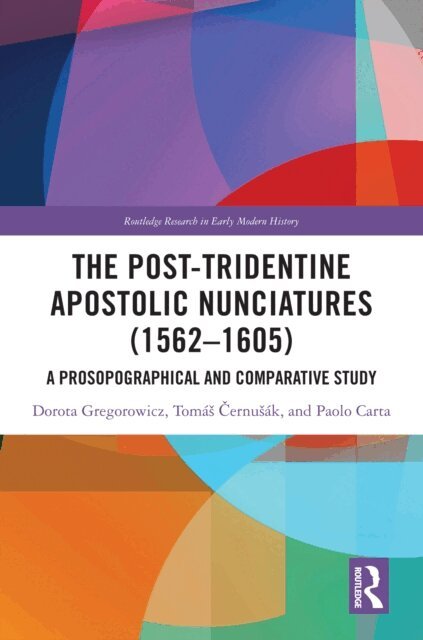
Post-Tridentine Apostolic Nunciatures (1562-1605)
A Prosopographical and Comparative Study
Av Paolo Carta, Tomas Cernusak m. fl.
E-bok, 2026
813 kr
Lägg i varukorg
This book offers the first comprehensive prosopographical and comparative study of permanent apostolic nunciatures in post-Tridentine Europe (1562-1605), substantially extending earlier chronological repertories.During this period of institutional reconfiguration, apostolic nuncios operated at the …
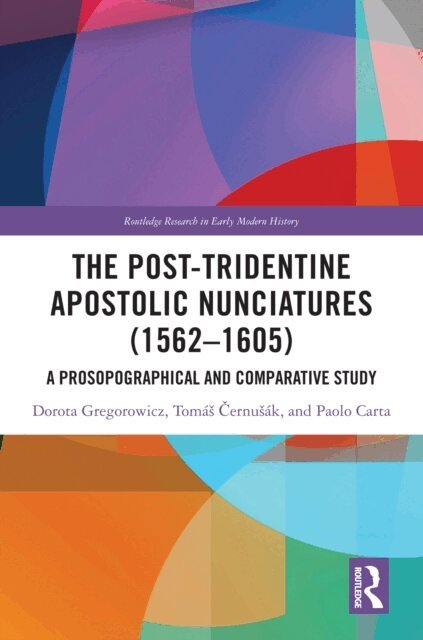
Post-Tridentine Apostolic Nunciatures (1562-1605)
A Prosopographical and Comparative Study
Av Paolo Carta, Tomas Cernusak m. fl.
E-bok, 2026
813 kr
Lägg i varukorg
This book offers the first comprehensive prosopographical and comparative study of permanent apostolic nunciatures in post-Tridentine Europe (1562-1605), substantially extending earlier chronological repertories.During this period of institutional reconfiguration, apostolic nuncios operated at the …
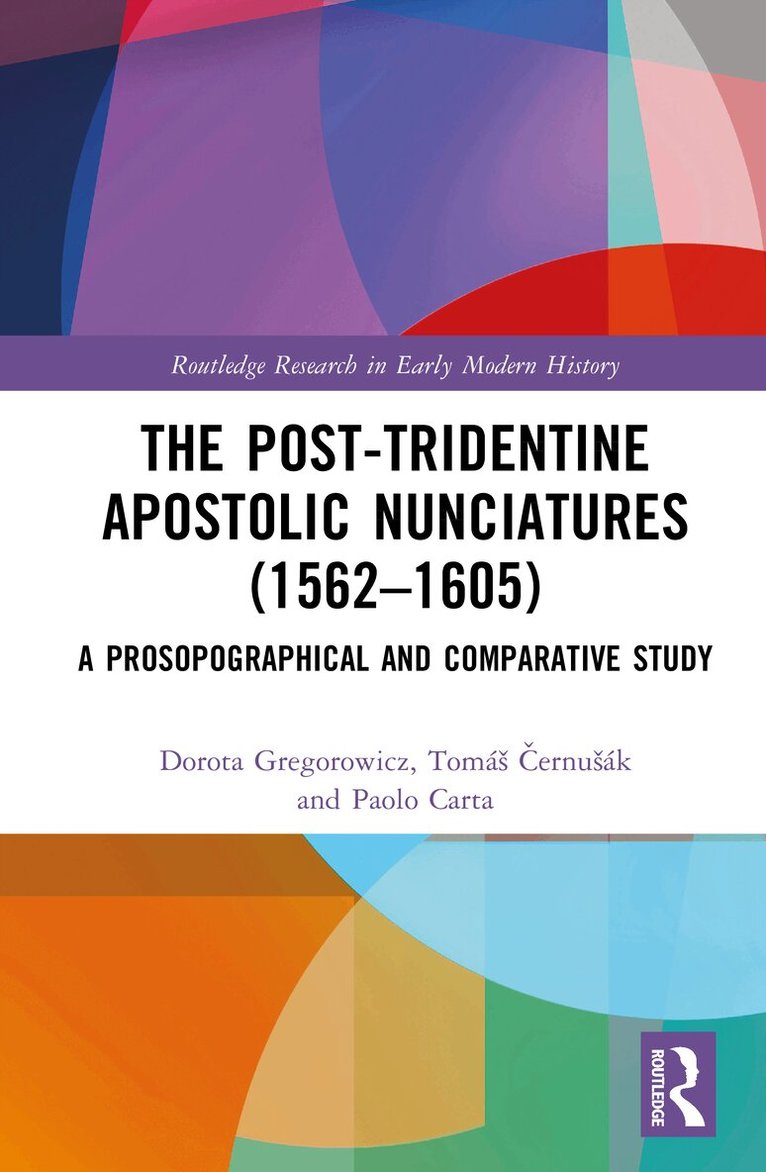
Post-Tridentine Apostolic Nunciatures (1562–1605)
A Prosopographical and Comparative Study
Av Dorota Gregorowicz, Tomáš Černušák m. fl.
Inbunden, 2026
2504 kr
Lägg i varukorg
This book offers the first comprehensive prosopographical and comparative study of permanent apostolic nunciatures in post-Tridentine Europe (1562–1605), substantially extending earlier chronological repertories.During this period of institutional reconfiguration, apostolic nuncios operated at the …
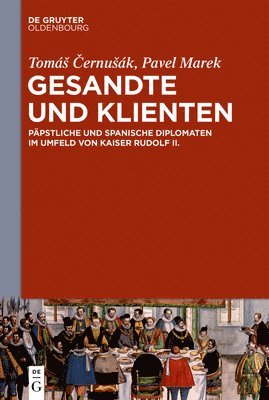
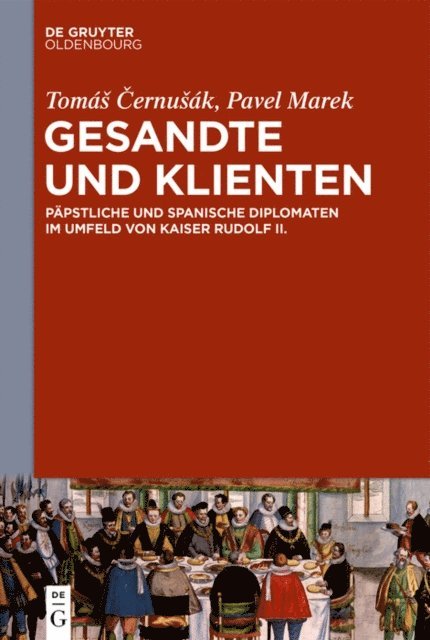
Gesandte Und Klienten
Päpstliche Und Spanische Diplomaten Im Umfeld Von Kaiser Rudolf II.
Av Tomás Černusák, Pavel Marek
Inbunden, 2020
1218 kr
Lägg i varukorg
Gesandte und Klienten
Päpstliche und spanische Diplomaten im Umfeld von Kaiser Rudolf II.
Av Pavel Marek, Tomas Cernusak
E-bok, 2020
1271 kr
Lägg i varukorg
Der machtpolitische Einfluss der päpstlichen und spanischen Diplomaten am Kaiserhof Rudolfs II. (1576-1612) war immens. Über sie liefen alle Informationen über wichtige Ereignisse im Heiligen Römischen Reich und in den Habsburger Ländern. Sie vertraten effizient die Interessen Spaniens und des …
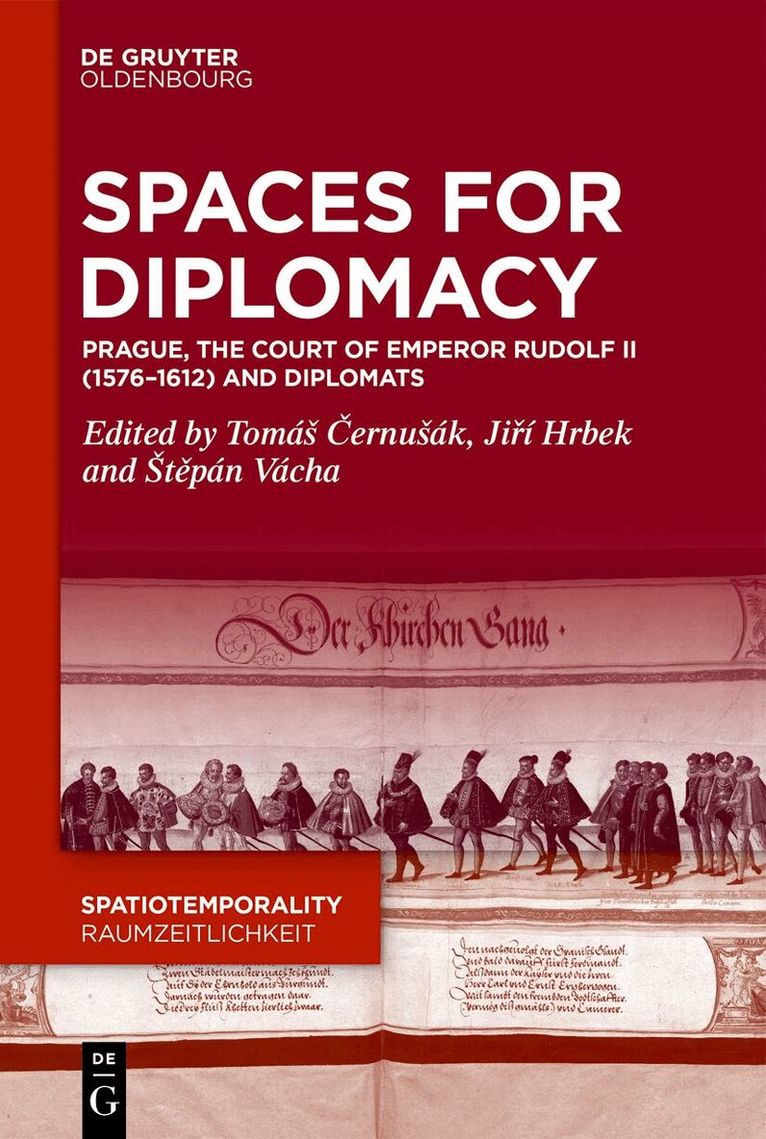
Spaces for Diplomacy
Prague, the Court of Emperor Rudolf II (1576–1612) and Diplomats
Av Tomáš Černušák, Jiří Hrbek m. fl.
Inbunden, 2025
919 kr
Lägg i varukorg
For the majority of Emperor Rudolf II’s rule (1576–1612), Prague was the city of his permanent residence. The ruler’s presence, as well as the presence of his court, attracted diplomats and diplomatic actors. They included ambassadors permanently representing leading European rulers, smaller or …
Spaces for Diplomacy
Prague, the Court of Emperor Rudolf II (1576-1612) and Diplomats
Av Stepan Vacha, Jiri Hrbek m. fl.
E-bok, 2025
940 kr
Lägg i varukorg
For the majority of Emperor Rudolf II's rule (1576-1612), Prague was the city of his permanent residence. The ruler's presence, as well as the presence of his court, attracted diplomats and diplomatic actors. They included ambassadors permanently representing leading European rulers, smaller or …