P.C. Struik – författare
Visar alla böcker från författaren P.C. Struik. Handla med fri frakt och snabb leverans.
3 produkter
3 produkter
Inbunden, Engelska, 2007
2 156 kr
Skickas inom 10-15 vardagar
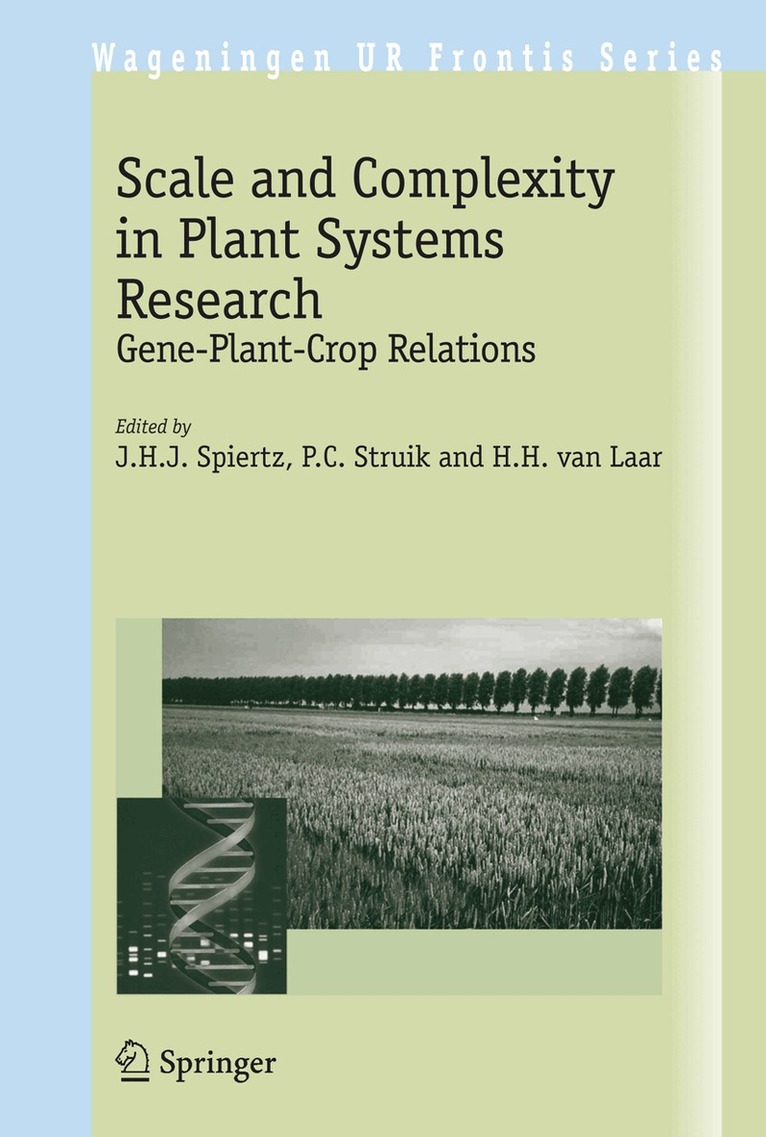
The growing demand for food and increasing scarcity of fertile land and other resources (water, energy, etc. ) present multiple challenges to plant and crop scientists to meet the demands of future generations while protecting the environment and conserve biological diversity. Novel directions in linking basic plant sciences to crop and systems research are needed to meet the growing demand for food in a sustainable way. Crop performance can be changed by modifying genetic traits of the plant through plant breeding or changing the crop environment through agronomic management practices. To achieve that, systems analysis and modelling play an important role by integrating and evaluating new findings at the gene and plant level at higher scales of aggregation. Robust crop-physiological modelling can become an essential tool to use insights from functional genomics in explaining crop behaviour. Current crop models can predict crop performance over a range of environmental conditions. Recently QTL information has been incorporated into crop models, and this has proved the potential of narrowing genotype– phenotype gaps and of applying QTL-based models for the analysis of genotype-- environment interactions. To make further progress, model structure must be upgraded to allow for more physiological feedback features. Model input parameters should be designed to be potentially grounded in gene-level understanding. Integration of crop modelling into genetic and genomic researches can enhance the future position of crop physiology in ‘plant breeding by design’ (Yin, X.
Häftad, Engelska, 2007
2 371 kr
Skickas inom 10-15 vardagar
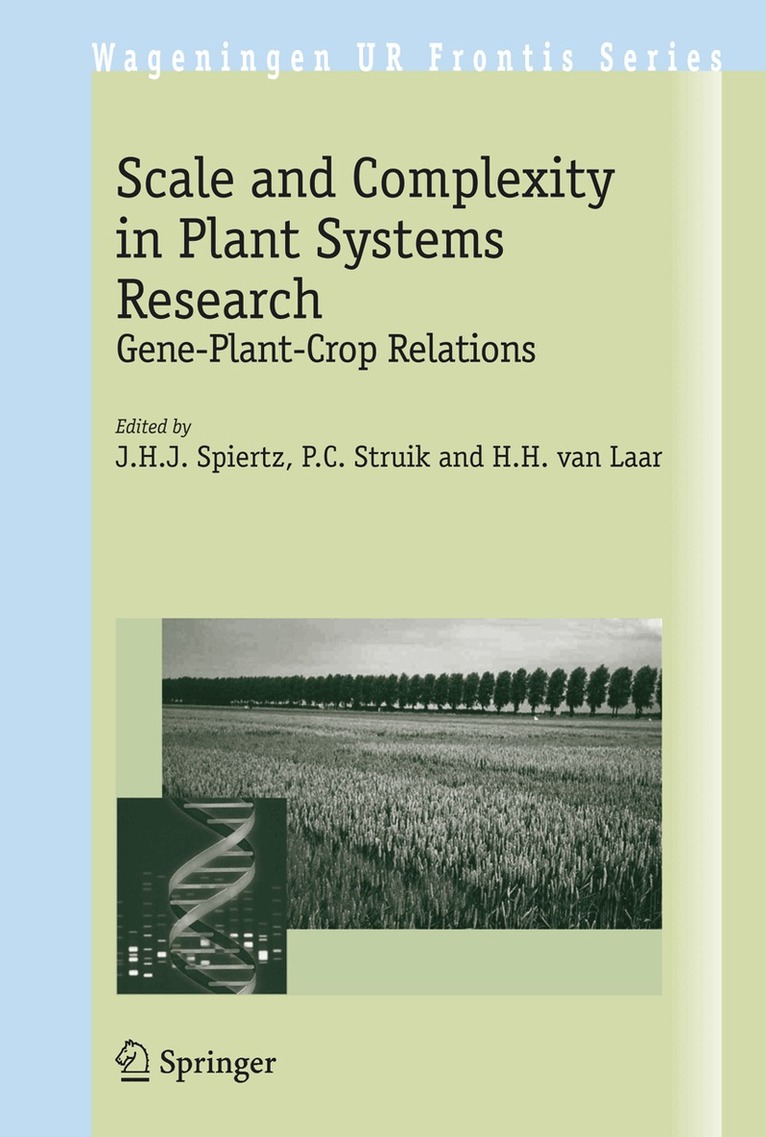
The growing demand for food and increasing scarcity of fertile land and other resources (water, energy, etc. ) present multiple challenges to plant and crop scientists to meet the demands of future generations while protecting the environment and conserve biological diversity. Novel directions in linking basic plant sciences to crop and systems research are needed to meet the growing demand for food in a sustainable way. Crop performance can be changed by modifying genetic traits of the plant through plant breeding or changing the crop environment through agronomic management practices. To achieve that, systems analysis and modelling play an important role by integrating and evaluating new findings at the gene and plant level at higher scales of aggregation. Robust crop-physiological modelling can become an essential tool to use insights from functional genomics in explaining crop behaviour. Current crop models can predict crop performance over a range of environmental conditions. Recently QTL information has been incorporated into crop models, and this has proved the potential of narrowing genotype– phenotype gaps and of applying QTL-based models for the analysis of genotype-- environment interactions. To make further progress, model structure must be upgraded to allow for more physiological feedback features. Model input parameters should be designed to be potentially grounded in gene-level understanding. Integration of crop modelling into genetic and genomic researches can enhance the future position of crop physiology in ‘plant breeding by design’ (Yin, X.
Häftad, Engelska, 2005
1 951 kr
Skickas inom 5-8 vardagar
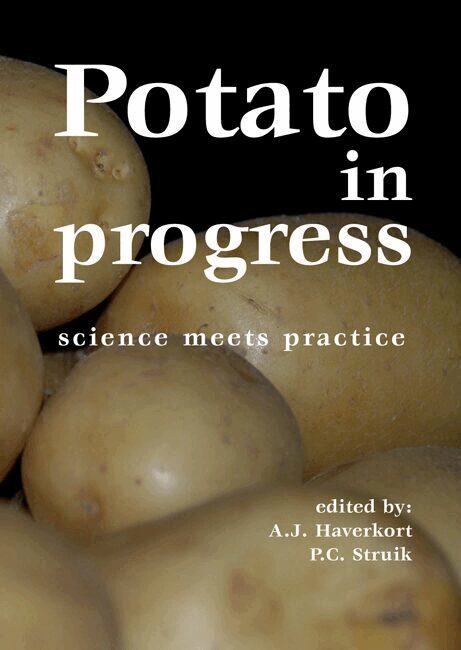
This book contains the proceedings of the Potato 2005 conference, held in Emmeloord, The Netherlands. This conference offered a platform to a diverse group of stakeholders in the potato industry to learn what science has to offer. At the same time it created an environment for scientists to learn what drives the industry in the rapidly changing world of the potato. The contributions in this book reflect the rapid developments both in the industry and in science. The nutritional aspects of the potato tuber are discussed as well as the volatile consumer moods in saturated or new markets. Latest developments in potato breeding and seed potato production are highlighted and these contributions underline how these potato sectors have been revolutionized. The present and future role of decision support systems in managing inputs of nitrogen and water and in managing pests (and thus in making potato production more sustainable) is described. Several innovations in technology development in potato production and storage are illustrated. Experts provide the latest news on crop protection, with a focus on developments in the control of the potato brown rot bacterium and late blight. Finally the trends in potato trade are described. This book shows that the potato crop is progressing globally - with increasing impact on food supply and added value - providing many opportunities for science to meet practice.