Pedro García Montero – författare
Visar alla böcker från författaren Pedro García Montero. Handla med fri frakt och snabb leverans.
5 produkter
5 produkter
Inbunden, Engelska, 2023
1 741 kr
Skickas inom 10-15 vardagar
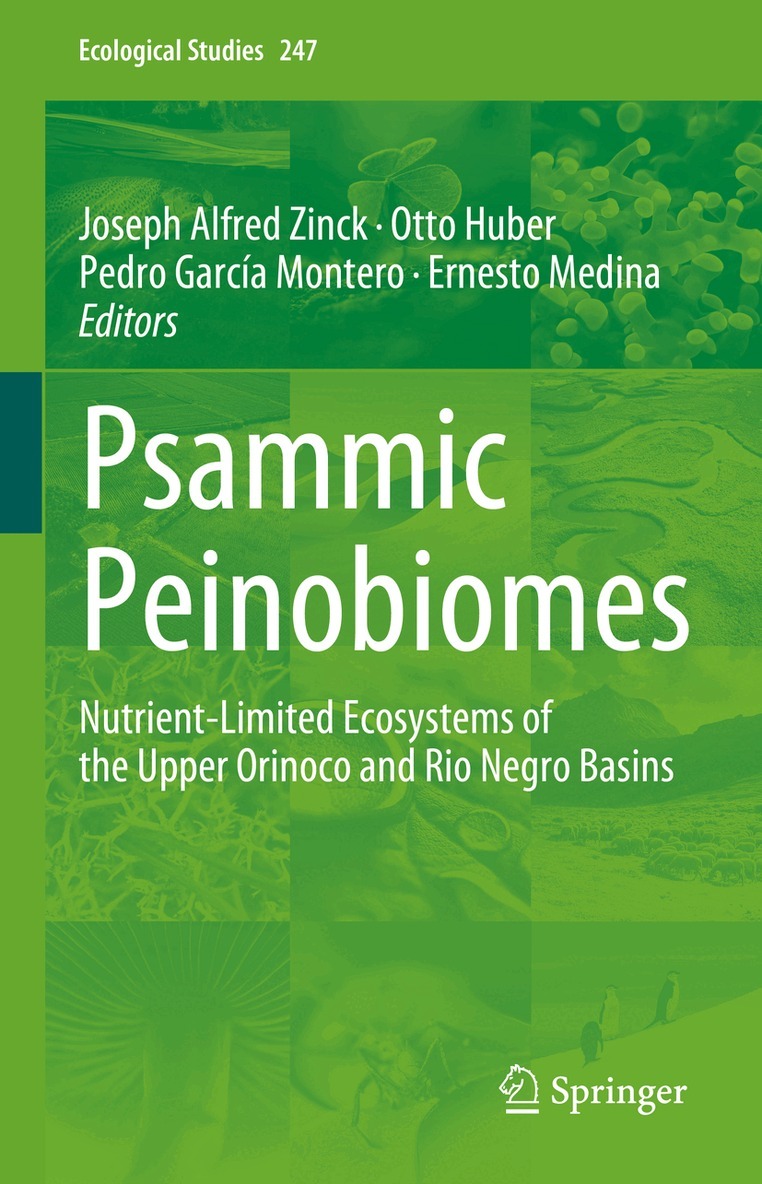
The book represents a multidisciplinary approach to understanding soil–landscape–vegetation relationships and, specifically, the ecophysiology of plant communities developing on sandy soils of very low fertility that are subject to seasonal flooding. It provides an overview of the white sand ecosystems within the Amazon basin, and focuses on the forest and herbaceous (meadows) vegetation growing on the dystrophic sandy soils of the upper Negro and Orinoco river basins. Several chapters describe physiographic aspects of the study area using integrated remote sensing and in situ sampling. By doing so they attain a comprehensive description of the origin and evolution of soils and landscapes, an advanced classification of soils, and a mapping of the geographic distribution of psammophilous vegetation. This volume also provides a phytosociological classification of extensive forested areas, and a detailed description of the structure and diversity of little-known herbaceous formations.It targets professionals in the fields of ecology, ecophysiology, geomorphology, soils, vegetation, and the environmental sciences. The information it offers may be of significant use to researchers, protected area planners, and environmental policy makers.
E-bok
Engelska, 20232 157 kr
Läs direkt efter köp
The book represents a multidisciplinary approach to understanding soil–landscape–vegetation relationships and, specifically, the ecophysiology of plant communities developing on sandy soils of very low fertility that are subject to seasonal flooding. It provides an overview of the white sand ecosystems within the Amazon basin, and focuses on the forest and herbaceous (meadows) vegetation growing on the dystrophic sandy soils of the upper Negro and Orinoco river basins. Several chapters describe physiographic aspects of the study area using integrated remote sensing and in situ sampling. By doing so they attain a comprehensive description of the origin and evolution of soils and landscapes, an advanced classification of soils, and a mapping of the geographic distribution of psammophilous vegetation. This volume also provides a phytosociological classification of extensive forested areas, and a detailed description of the structure and diversity of little-known herbaceous formations.It targets professionals in the fields of ecology, ecophysiology, geomorphology, soils, vegetation, and the environmental sciences. The information it offers may be of significant use to researchers, protected area planners, and environmental policy makers.
Del 247 - Ecological Studies
Psammic Peinobiomes
Nutrient-Limited Ecosystems of the Upper Orinoco and Rio Negro Basins
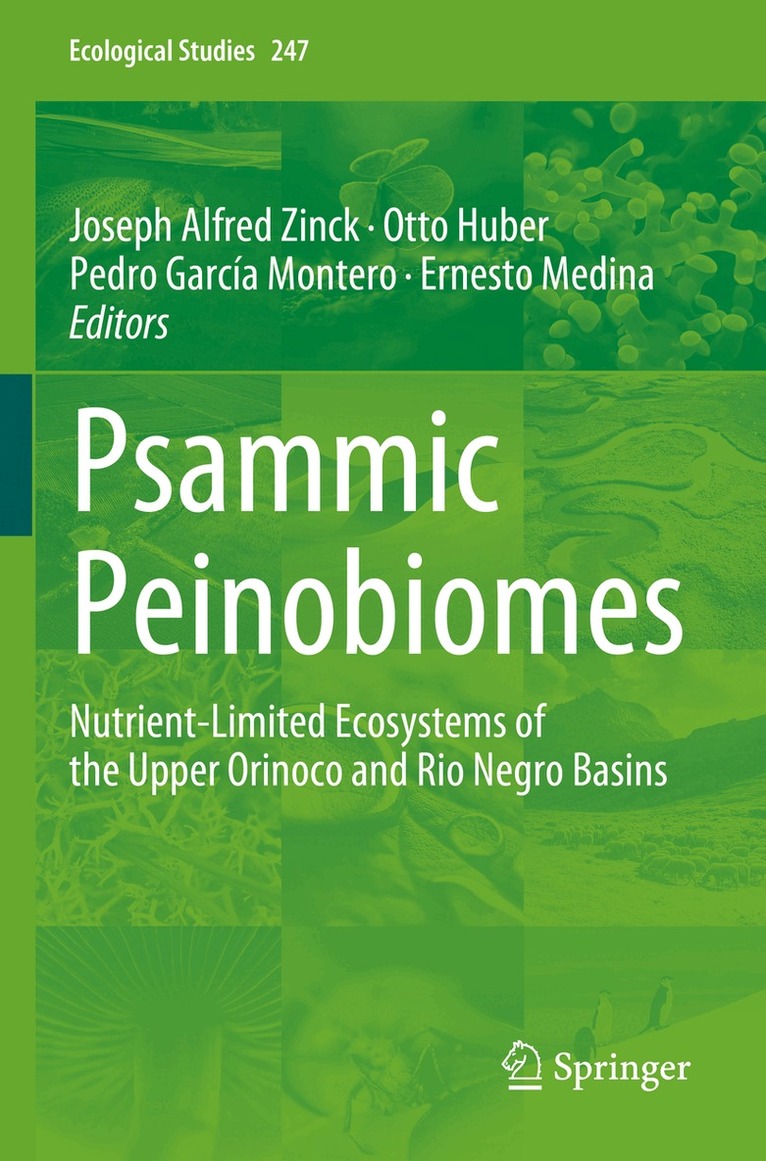
Häftad, Engelska, 2024
1 741 kr
Skickas inom 10-15 vardagar
The book represents a multidisciplinary approach to understanding soil–landscape–vegetation relationships and, specifically, the ecophysiology of plant communities developing on sandy soils of very low fertility that are subject to seasonal flooding. It provides an overview of the white sand ecosystems within the Amazon basin, and focuses on the forest and herbaceous (meadows) vegetation growing on the dystrophic sandy soils of the upper Negro and Orinoco river basins. Several chapters describe physiographic aspects of the study area using integrated remote sensing and in situ sampling. By doing so they attain a comprehensive description of the origin and evolution of soils and landscapes, an advanced classification of soils, and a mapping of the geographic distribution of psammophilous vegetation. This volume also provides a phytosociological classification of extensive forested areas, and a detailed description of the structure and diversity of little-known herbaceous formations.It targets professionals in the fields of ecology, ecophysiology, geomorphology, soils, vegetation, and the environmental sciences. The information it offers may be of significant use to researchers, protected area planners, and environmental policy makers.
Inbunden, Engelska, 2026
1 849 kr
Skickas inom 10-15 vardagar
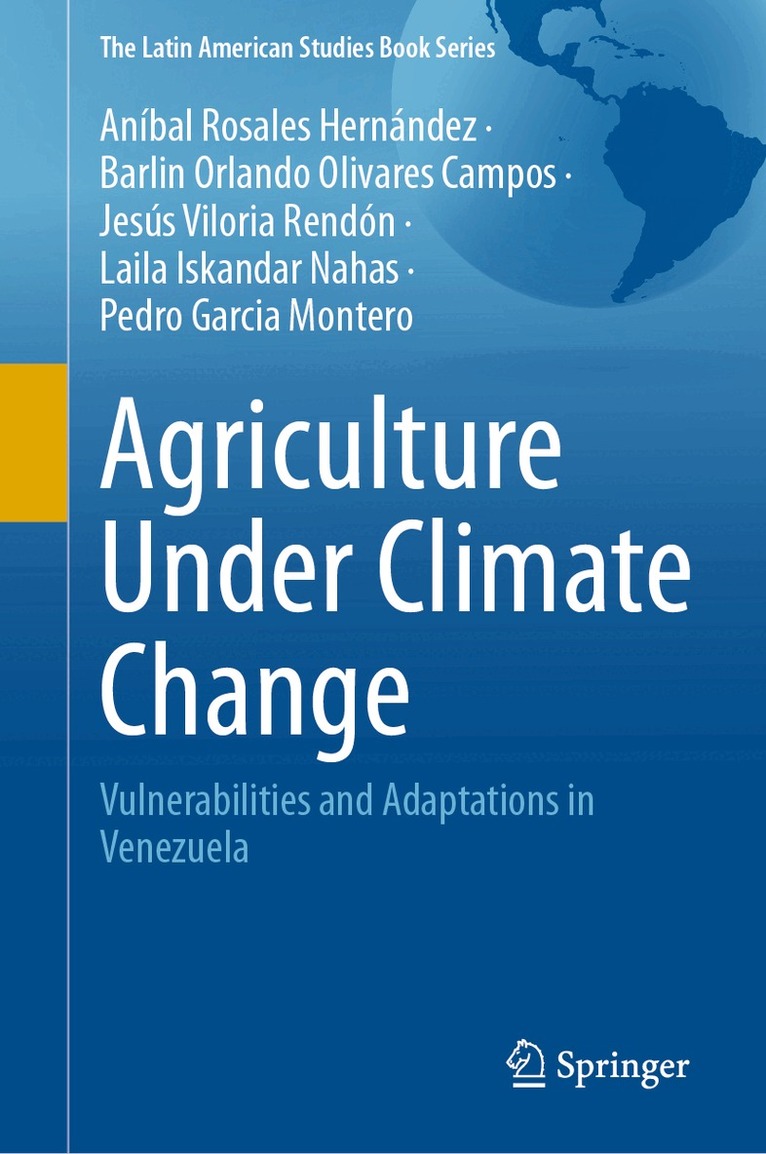
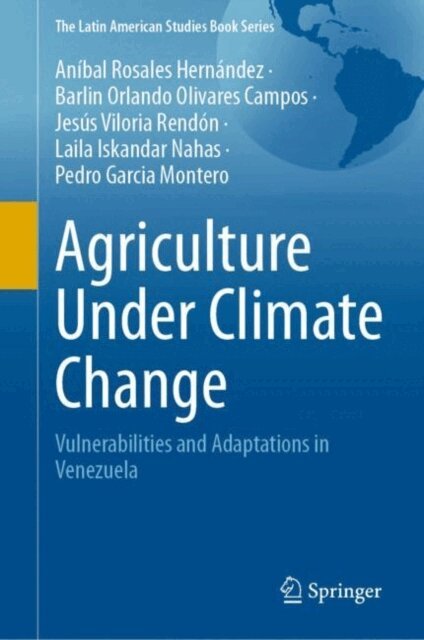
This book focuses on the intersection of climate change and agriculture, specifically addressing how climate variability and change impact agricultural systems in Venezuela. The main topics include climate variability, its effects on crop production, regional differences in agricultural vulnerability, and practical strategies for adaptation and mitigation. The book explores the challenges faced by Venezuelan farmers, from increasing temperatures and erratic precipitation to extreme weather events like droughts and floods. It also presents strategies for adapting agricultural practices, enhancing soil health, and improving water management to build resilience. This book is novel because no comprehensive work has been published before that addresses these issues in the Venezuelan context. It fills a significant gap in the literature by providing a localized, in-depth analysis of climate change’s impact on agriculture. The book is important because it offers farmers, policymakers, and researchers actionable insights into sustainable practices, aiming to solve the problem of increasing vulnerability in Venezuela’s agricultural sector. It provides solutions to ensure food security and environmental sustainability in the face of a changing climate.
E-bok
Engelska, 20262 366 kr
Läs direkt efter köp
This book focuses on the intersection of climate change and agriculture, specifically addressing how climate variability and change impact agricultural systems in Venezuela. The main topics include climate variability, its effects on crop production, regional differences in agricultural vulnerability, and practical strategies for adaptation and mitigation. The book explores the challenges faced by Venezuelan farmers, from increasing temperatures and erratic precipitation to extreme weather events like droughts and floods. It also presents strategies for adapting agricultural practices, enhancing soil health, and improving water management to build resilience. This book is novel because no comprehensive work has been published before that addresses these issues in the Venezuelan context. It fills a significant gap in the literature by providing a localized, in-depth analysis of climate change's impact on agriculture. The book is important because it offers farmers, policymakers, and researchers actionable insights into sustainable practices, aiming to solve the problem of increasing vulnerability in Venezuela's agricultural sector. It provides solutions to ensure food security and environmental sustainability in the face of a changing climate.