
Peerzada Arshid Shabir – författare
Visar alla böcker från författaren Peerzada Arshid Shabir. Handla med fri frakt och snabb leverans.
3 produkter
3 produkter
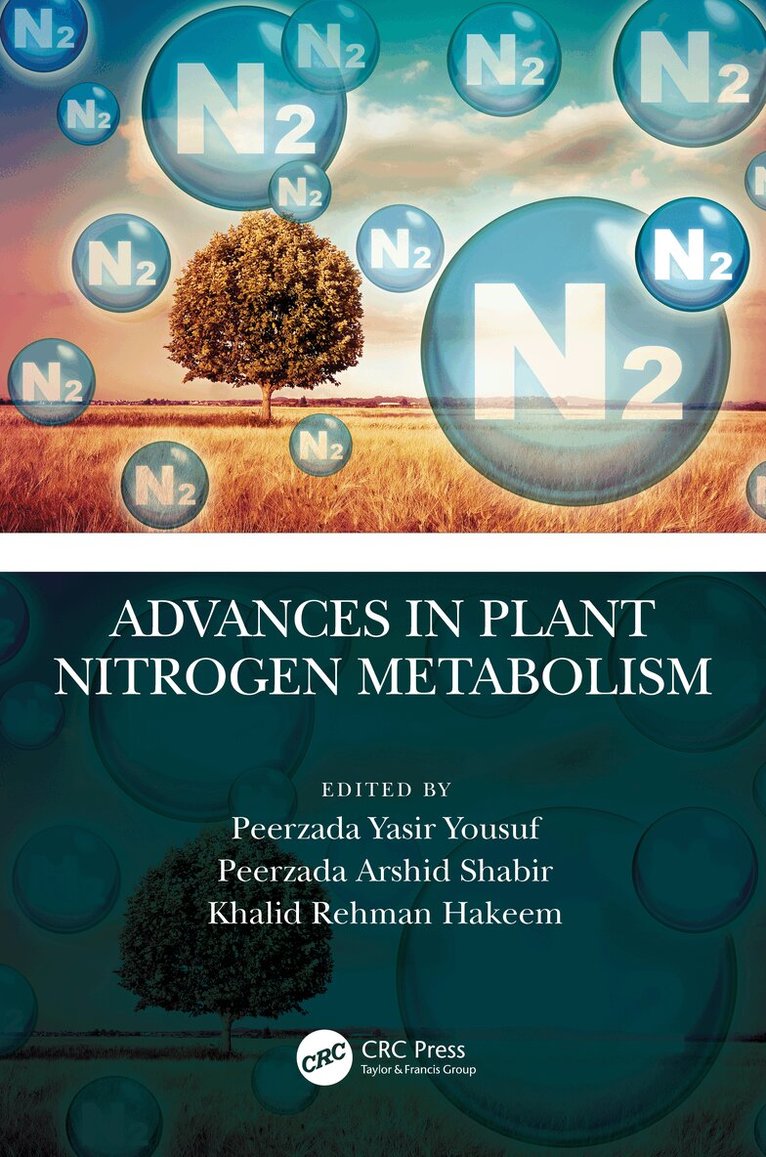
Inbunden, Engelska, 2022
1 665 kr
Skickas inom 10-15 vardagar
Advances in Plant Nitrogen Metabolism is a thoughtful, provocative, and up-to-date volume that presents important physiological, biochemical, and molecular perspectives of the nitrogen metabolism in plants and regulatory networks underlying it. The book is an attempt to team up with global leading research experts working in the field of plant nitrogen metabolism to compile an up-to-date and wide-ranging volume. The main purpose of this book is to present information on the most recent developments including the different modern approaches and methodologies that are being currently employed in the field of plant nitrogen metabolism. We trust that this comprehensive volume will familiarize readers with the detailed mechanisms of nitrogen metabolism and its regulation and the current trends in this field of study.The book offers comprehensive coverage of the most essential topics, including: Role of nitrogen and its assimilation in plants Recycling and remobilization of nitrogen during senescence Role of phytohormones in nitrogen metabolism Biological nitrogen fixation Nitrogen biofertilizers: role in sustainable agriculture Effect of stress on plant nitrogen metabolism Reactive nitrogen species (RNS) in plants Nitrogen toxicity in plants, symptoms, and safeguards Nitrogen metabolism enzymes: structure, role, and regulation Regulatory RNAs and their role in nitrogen metabolism of diazotrophsAs a pivotal contribution to the field, this volume is an invaluable and up-to-date foundation for plant physiologists, plant biochemists, geneticists, molecular biologists, agronomists, environmental researchers, and students of plant science. The book can also be used for the coursework of research and master's students.
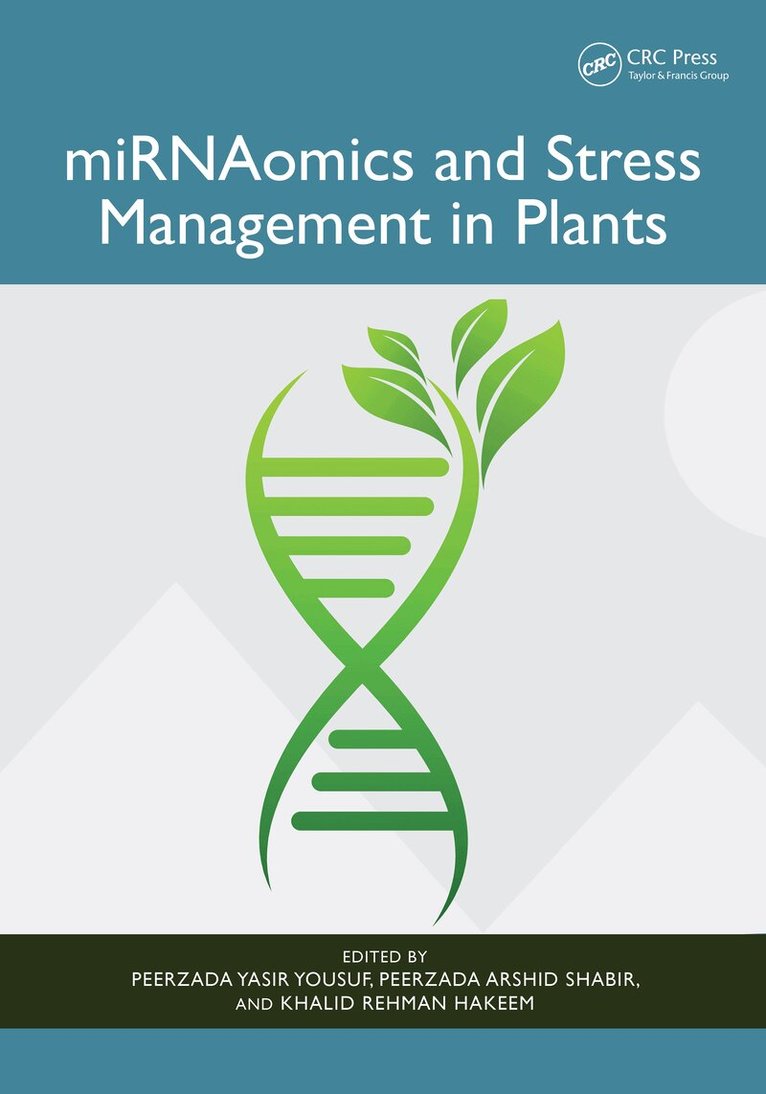
Inbunden, Engelska, 2024
1 458 kr
Skickas inom 10-15 vardagar
Plants, being sessile, are negatively affected by the biotic and abiotic (environmental) stresses, reducing plant growth, productivity, and quality to a larger extent. Plants have evolved different physiological, biochemical, and molecular mechanisms to combat these stress conditions to maintain their growth, development, and productivity. Understanding the mechanisms involved in the plant response to stress conditions is the foremost step in the development of stress-tolerant plants. One of the important adaptations to stress conditions is the precise and fine regulation of gene expression in both time and space. Although gene regulation occurs at different levels through different mechanisms, the most crucial is at the level of transcription. One of the important posttranscriptional gene regulatory mechanisms used by the plants to restore and maintain cellular homeostasis during the stress conditions are microRNAs.MicroRNAs, a group of approximately 22-nucleotide-long, non-coding RNAs, have recently been identified as a new class of regulators governing gene expression at the post-transcriptional level. MiRNAs can silence genes either by guiding the degradation of the target mRNAs or by repressing the mRNA translation. Plant miRNAs have been demonstrated to regulate many genes involved in various developmental processes, for example, auxin signaling, organ polarity/radial patterning, developmental transitions, and secondary metabolism regulation. Moreover, increasing evidence indicates the role of plant miRNA-guided gene regulation in response to biotic and abiotic stresses. High-throughput sequencing approaches have significantly elucidated the identification and functional characterization of numerous miRNAs in plants. Understanding the role and mechanism of action of miRNAs during abiotic and biotic stresses can potentially offer new approaches to improve plant growth and productivity.This unique book covers the different aspects of plant microRNAomics including the discovery, biogenesis, role in different stress conditions, and applications of microRNAs in developing stress-tolerant plants. Chapters cover the updated knowledge in the field of plant microRNA research. The book, miRNAomics and Stress Management in Plants, intends to demonstrate the breadth of research and the significant advances that have been made in understanding the role of miRNAs in the plant development and stress management.This comprehensive volume will be of value to plant physiologists, plant biochemists, geneticists, molecular biologists, agronomists, environmental researchers, and graduate and undergraduate students of plant science.
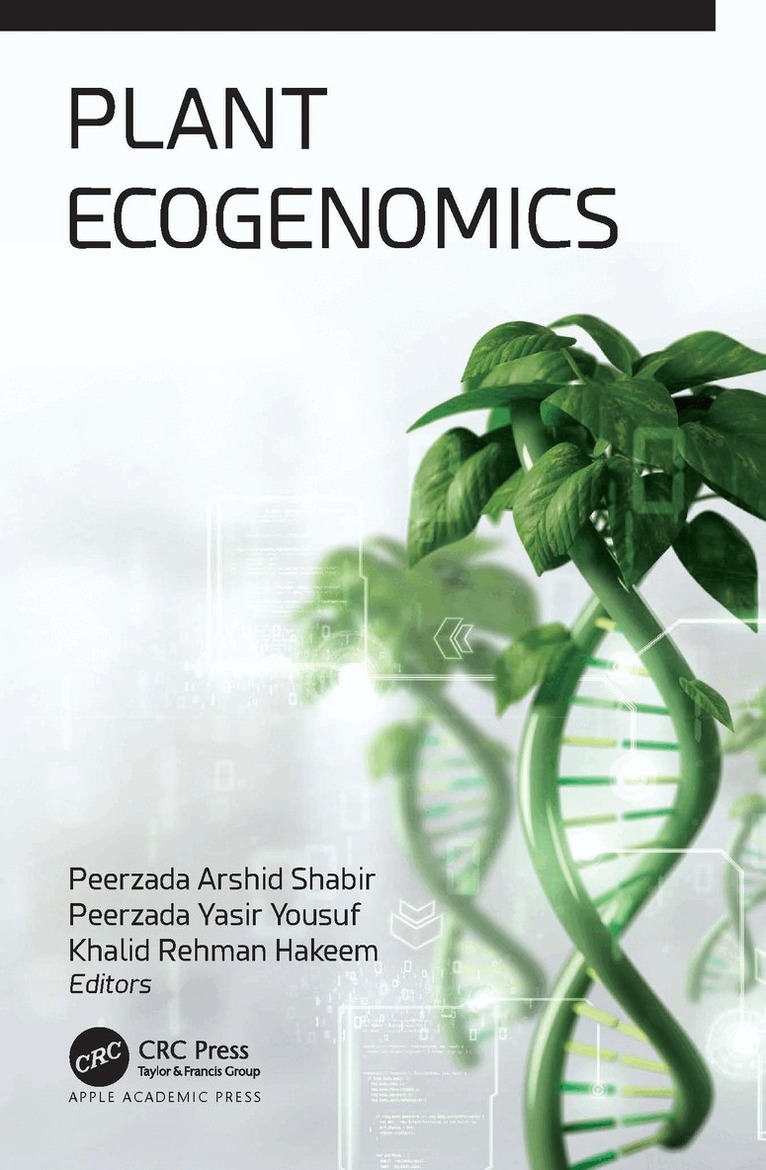
Inbunden, Engelska, 2022
1 817 kr
Skickas inom 10-15 vardagar
This new volume offers a valuable introduction to plant ecology from a genomics point of view, presenting a thorough foundation and summary of modern approaches, methodologies, research goals, and evidence of plant ecology in the modern genomic era. The book also presents important updated information on the most recent knowledge of thedifferent aspects of plant populations.The volume gives an overview of the approaches to unravelling the genetic basis underlying fundamental responses of plants to their natural environments, describing in detail the concepts, aims, and approaches of plant ecological genomics along with the genomic tools embraced by ecologists for mining various ecological problems. Recent advances and breakthroughs made in molecular markers along with their applications in plant ecogenomic studies are shared, and specific applications, techniques, and tools are described as well, such advanced molecular techniques, next-generation sequencing, eDNA metabarcoding, among others.