Pekka Hamalainen – författare
Visar alla böcker från författaren Pekka Hamalainen. Handla med fri frakt och snabb leverans.
6 produkter
6 produkter
Häftad, Engelska, 2009
309 kr
Skickas inom 3-6 vardagar
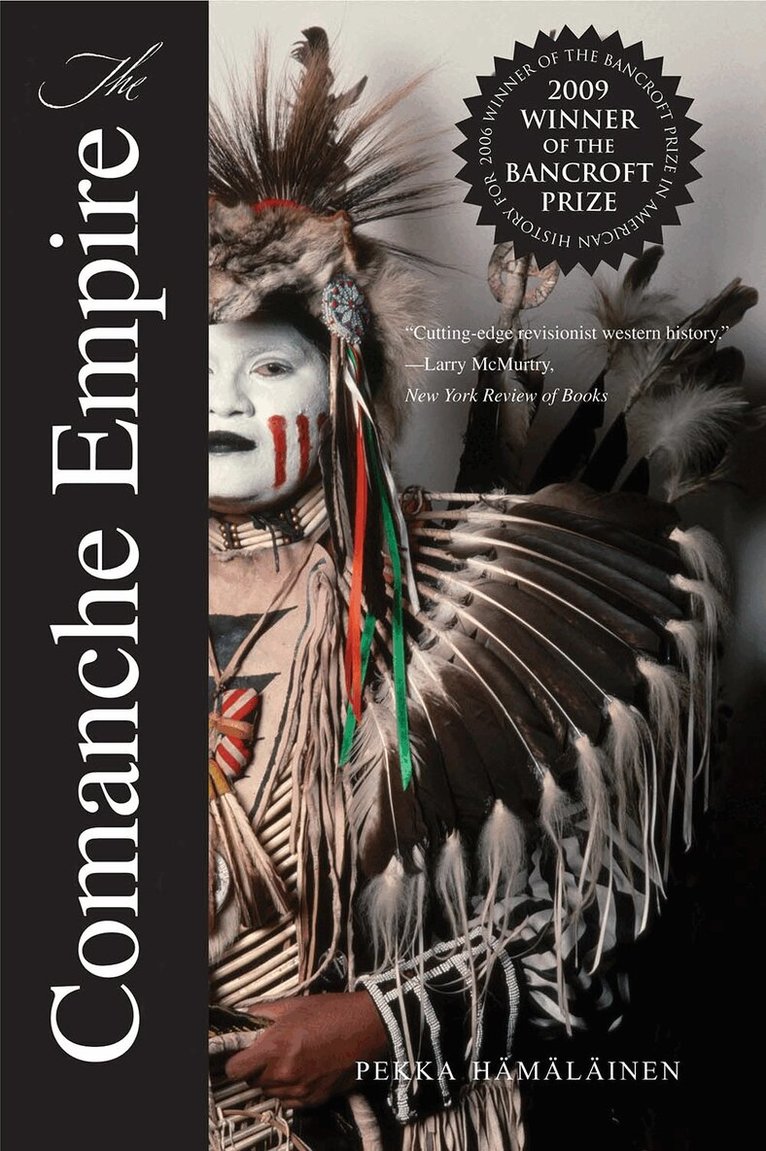
From the author of Lakota America, an award-winning history of the rise and decline of the vast and imposing Comanche empire “Cutting-edge revisionist western history.”—Larry McMurtry, New York Review of Books “A landmark study that will make readers see the history of southwestern America in an entirely new way.”—David J. Weber, author of Bárbaros In the eighteenth and early nineteenth centuries, a Native American empire rose to dominate the fiercely contested lands of the American Southwest, the southern Great Plains, and northern Mexico. This powerful empire, built by the Comanche Indians, eclipsed its various European rivals in military prowess, political prestige, economic power, commercial reach, and cultural influence. Yet until now the Comanche empire has gone unrecognized in American history. This compelling and original book uncovers the lost story of the Comanches. It is a story that challenges the idea of Indigenous peoples as victims of European expansion and offers a new model for the history of colonial expansion, colonial frontiers, and Native-European relations in North America and elsewhere. Pekka Hämäläinen shows in vivid detail how the Comanches built their unique empire and resisted European colonization, and why they fell to defeat in 1875. With extensive knowledge and deep insight, the author brings into clear relief the Comanches’ remarkable impact on the trajectory of history.
Häftad, Engelska, 2020
244 kr
Skickas inom 5-8 vardagar
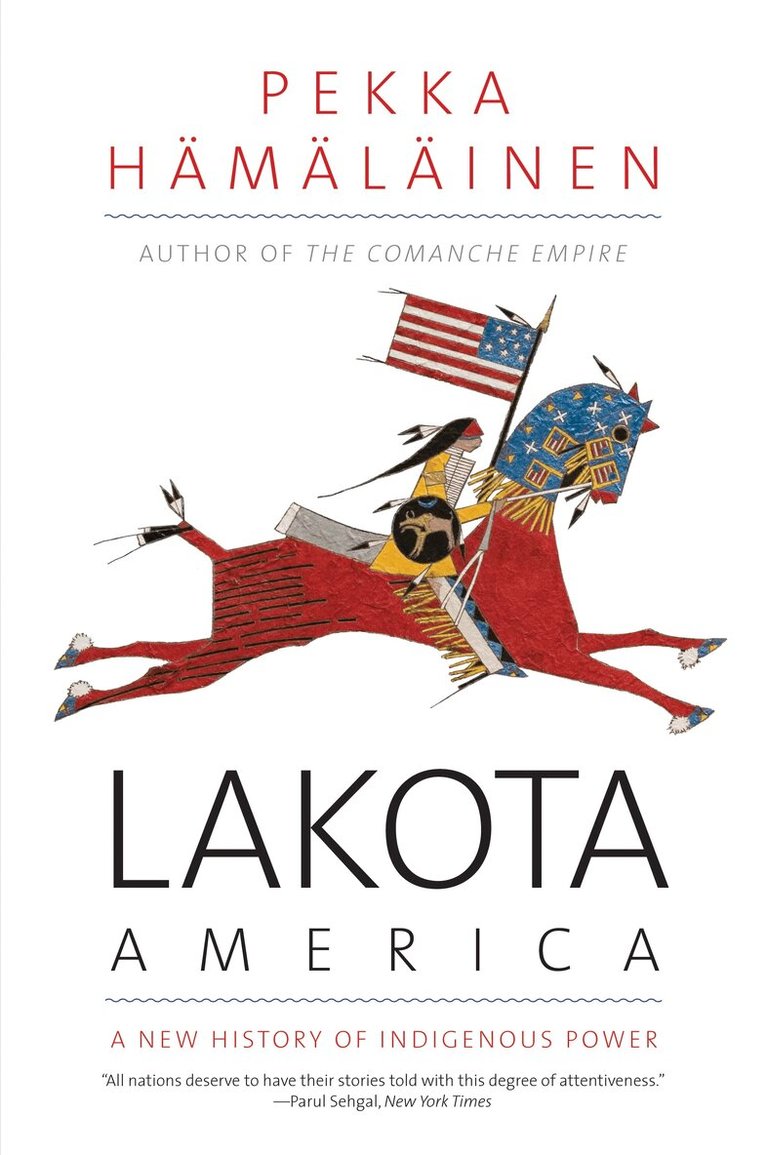
The first comprehensive history of the Lakota Indians and their profound role in shaping America’s history Named One of the New York Times Critics’ Top Books of 2019 • Named One of the 10 Best History Books of 2019 by Smithsonian Magazine • Winner of the MPIBA Reading the West Book Award for Narrative Nonfiction “All nations deserve to have their stories told with this degree of attentiveness.”—Parul Sehgal, New York Times “A brilliant, bold, gripping history.”—Simon Sebag Montefiore, London Evening Standard, Best Books of 2019 Red Cloud, Crazy Horse, and Sitting Bull are iconic figures in the American imagination, but in this groundbreaking book they emerge as something different: the architects of Lakota America, an expansive and enduring Indigenous regime that commanded human fates in the North American interior for generations. In this first complete account of the Lakota Indians, Pekka Hämäläinen traces their rich and often surprising history from the early sixteenth to the early twenty‑first century. He explores the Lakotas’ roots as marginal hunter‑gatherers and reveals how they reinvented themselves twice: first as a river people who dominated the Missouri Valley, America’s great commercial artery, and then—in what was America’s first sweeping westward expansion—as a horse people who ruled supreme on the vast high plains. Deeply researched and engagingly written, this history places the Lakotas at the center of American history, and the results are revelatory.
Häftad, Engelska, 2011
1 062 kr
Skickas inom 5-8 vardagar
Designed to encourage critical thinking about history, the MAJOR PROBLEMS IN AMERICAN HISTORY series introduces readers to both primary sources and analytical essays on important topics in American history. The collection of essays and documents in MAJOR PROBLEMS IN NORTH AMERICAN BORDERLANDS surveys the North American past from the point of view of its borderlands. The essays and documents discuss people and events readers may find familiar, such as the founding of early European colonies, U.S. independence, the War of 1812, the U.S.-Mexican War, and Prohibition, but less widely-known events and actors--expanding native peoples, the Bourbon reforms of the Spanish Empire, fleeing slaves and servants, border surveyors, the Mexican Revolution, and key U.S. immigration legislation--also take center stage. In one sense this volume is clearly a work of U.S. history, but it is also Canadian and Mexican and native history with an overriding theme that we must take into account the meetings of different peoples and nations if we are to understand our past and present. This text presents a carefully selected group of readings organized to allow readers to evaluate primary sources, test the interpretations of distinguished historians, and draw their own conclusions. Each chapter includes introductions, source notes, and suggested readings.
Inbunden, Engelska, 2022
385 kr
Skickas inom 5-8 vardagar
From a prize-winning scholar of Indigenous history, a landmark work that overturns America's dominant origin story
E-bok
Tyska, 2023229 kr
Läs direkt efter köp
Pekka Hämäläinen erzählt in »Der indigene Kontinent« eine andere Geschichte Nordamerikas, die konsequent die indigenen Völker in den Mittelpunkt stellt. Ein unverzichtbares Standardwerk, das deutlich macht, dass die amerikanische Geschichte vor allem eine Geschichte des indigenen Widerstands ist.Die Geschichte Amerikas wird immer noch so erzählt: Kolumbus »entdeckt« einen fremden Kontinent und kehrt mit Geschichten über ungeahnte Reichtümer in die »alte Welt« zurück. Die europäischen Imperien stürzen sich auf den Kontinent und versuchen, so viel wie möglich von dieser erstaunlichen »Neuen Welt« zu erobern. Obwohl sich die indigenen Völker wehren, können sie den Ansturm nicht aufhalten.Mit »Der indigene Kontinent« legt Pekka Hämäläinen eine weitreichende Gegenerzählung vor, die die grundlegendsten Annahmen über die amerikanische Geschichte erschüttert. Er zeigt eine souveräne Welt indigener Völker, deren Mitglieder keineswegs hilflose Opfer kolonialer Gewalt waren, sondern den Kontinent auch nach der Ankunft der ersten Europäer jahrhundertelang beherrschten. Selbst als die weiße Bevölkerung explodierte und die Landgier der Kolonialisten immer zügelloser wurde, blühten die indigenen Völker dank ihrer ausgefeilten Diplomatie und Führungsstrukturen auf.Der Beweis für den Widerstand der Ureinwohner wird heute in den Hunderten von indigenen Nationen deutlich, die es in den Vereinigten Staaten und Kanada noch gibt. »Der indigene Kontinent« ist eine Pflichtlektüre und gibt den indigenen Völkern ihren rechtmäßigen Platz im Zentrum der amerikanischen Geschichte zurück.
E-bok
Spanska, 2024140 kr
Läs direkt efter köp
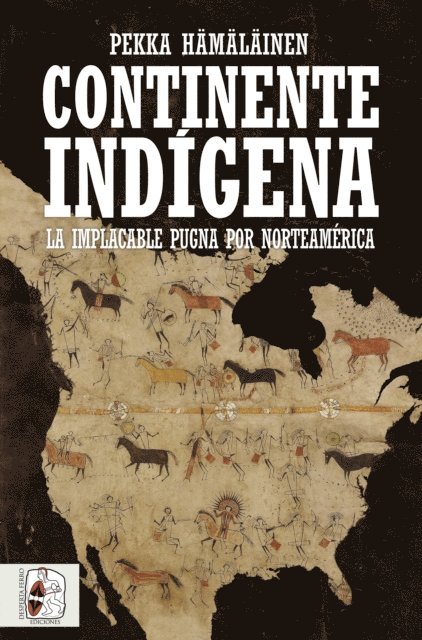
El viejo y arraigado canon sobre la historia de América reza que Colón «descubrió» un continente extraño y trajo historias de sus incalculables riquezas. Los Estados europeos se apresuraron a conquistar la mayor parte posible de este asombroso «Nuevo Mundo» y, aunque los pueblos indígenas se defendieron, no pudieron detener la embestida. Los imperialistas blancos estaban destinados a dominar el continente, y la narración tradicional cuenta un camino irreversible hacia la inexorable destrucción de los nativos… Sin embargo, como en tantas otras historias de origen largamente aceptadas, esta también resulta estar basada en mitos y distorsiones. En su libro Continente indígena. La implacable pugna por Norteamérica, el aclamado historiador Pekka Hämäläinen presenta un potente argumentario que echa por tierra muchos de los supuestos más aceptados de la historia de Norteamérica. Hämäläinen gira nuestra perspectiva para alejarnos del Mayflower, de los padres fundadores y de otros episodios trillados de la cronología convencional, para acercarnos a un mundo de naciones nativas cuyos miembros, lejos de ser víctimas indefensas de la violencia colonial, dominaron el continente durante siglos tras la llegada de los primeros europeos. Desde los iroqueses en el nordeste hasta los comanches en las llanuras, y desde los indios pueblo en el sudoeste hasta los cheroquis en el sudeste, las naciones indias derrotaron a menudo a los recién llegados blancos.En 1776 varias potencias coloniales reclamaban casi todo el continente, pero los pueblos indígenas seguían controlándolo: como señala Hämäläinen, los mapas de los libros de texto modernos, que pintan gran parte de Norteamérica en bloques ordenados y codificados por colores, confunden los extravagantes alardes imperiales con el control real. Aunque la población blanca y el ansia de tierra de los colonos se dispararon, los pueblos indígenas florecieron gracias a una diplomacia y unas estructuras de liderazgo sofisticadas. De hecho, el poder de los nativos alcanzó su punto álgido a finales del siglo XIX, con la victoria lakota de Little Bighorn en 1876. En última instancia, Continente indígena sostiene que la propia noción de «América colonial» es engañosa, y que, en su lugar, deberíamos hablar de una «América indígena» que se fue convirtiendo en colonial de forma lenta y desigual. La prueba más palmaria del desafío indígena son hoy las cientos de naciones nativas que todavía salpican los territorios de Estados Unidos y Canadá. Un libro que devuelve a los pueblos nativos el lugar que les corresponde en la historia de Norteamérica.