Penelope Wilson – författare
Visar alla böcker från författaren Penelope Wilson. Handla med fri frakt och snabb leverans.
13 produkter
Hieroglyphs
A Very Short Introduction
Häftad, 2027
116 kr
Kommande
Very Short Introductions: Brilliant, Sharp, InspiringThe people of Ancient Egypt left behind many monuments and objects, covered in the writing now known as Egyptian hieroglyphs. Hieroglyphs were far more than a language. They were an omnipresent and all-powerful force in communicating the messages …
Hieroglyphs
A Very Short Introduction
E-bok, 2004
95 kr
Lägg i varukorg
Hieroglyphs were far more than a language. They were an omnipresent and all-powerful force in communicating the messages of ancient Egyptian culture for over three thousand years; used as monumental art, as a means of identifying Egyptianness, and for rarefied communication with the gods. In this …
Hieroglyphs
A Very Short Introduction
E-bok, 2004
95 kr
Lägg i varukorg
Hieroglyphs were far more than a language. They were an omnipresent and all-powerful force in communicating the messages of ancient Egyptian culture for over three thousand years; used as monumental art, as a means of identifying Egyptianness, and for rarefied communication with the gods. In this …
Hieroglyphs
A Very Short Introduction
Häftad, 2004
116 kr
Lägg i varukorg
Hieroglyphs were far more than a language. They were an omnipresent and all-powerful force in communicating the messages of ancient Egyptian culture for over three thousand years; used as monumental art, as a means of identifying Egyptianness, and for rarefied communication with the gods.In this …
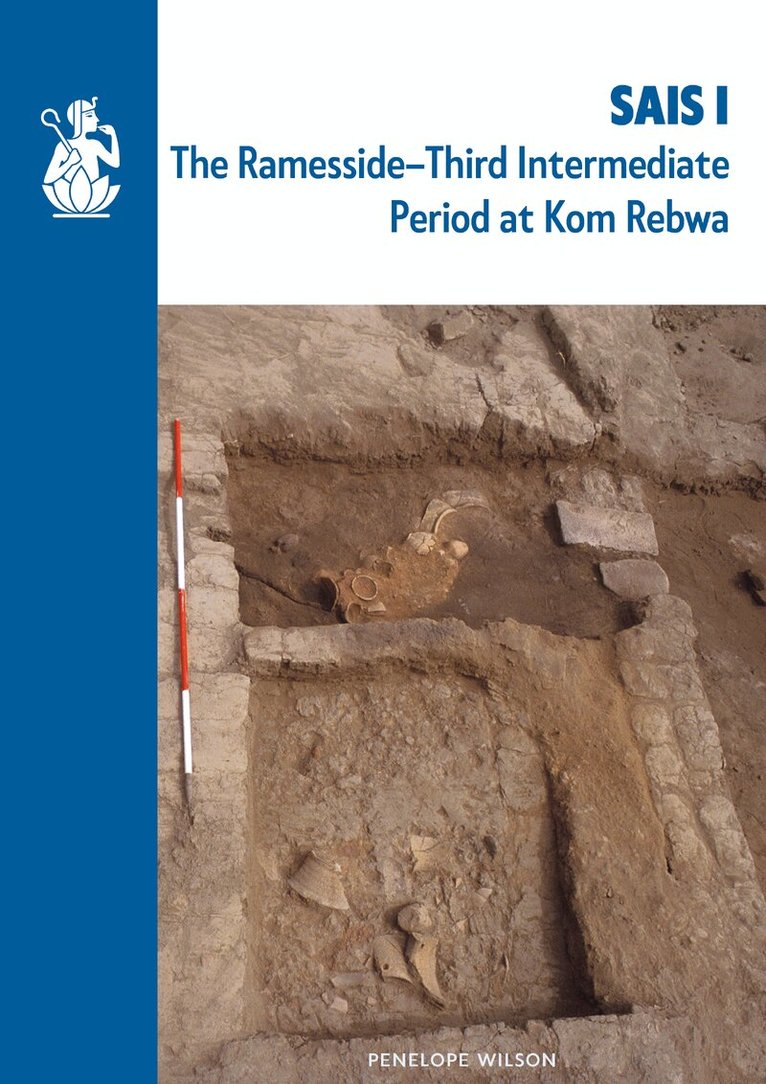
Sais I
The Ramesside-Third Intermediate Period at Kom Rebwa
Häftad, 2011
1294 kr
Lägg i varukorg
Sais was Egypt's capital in the 26th Dynasty, but it also had an earlier history, unknown before the EES/ Durham University/ SCA work at the site. This volume is the final excavation report for work carried out in the Northern Enclosure area of the site at Kom Rebwa, funded by the British Academy …
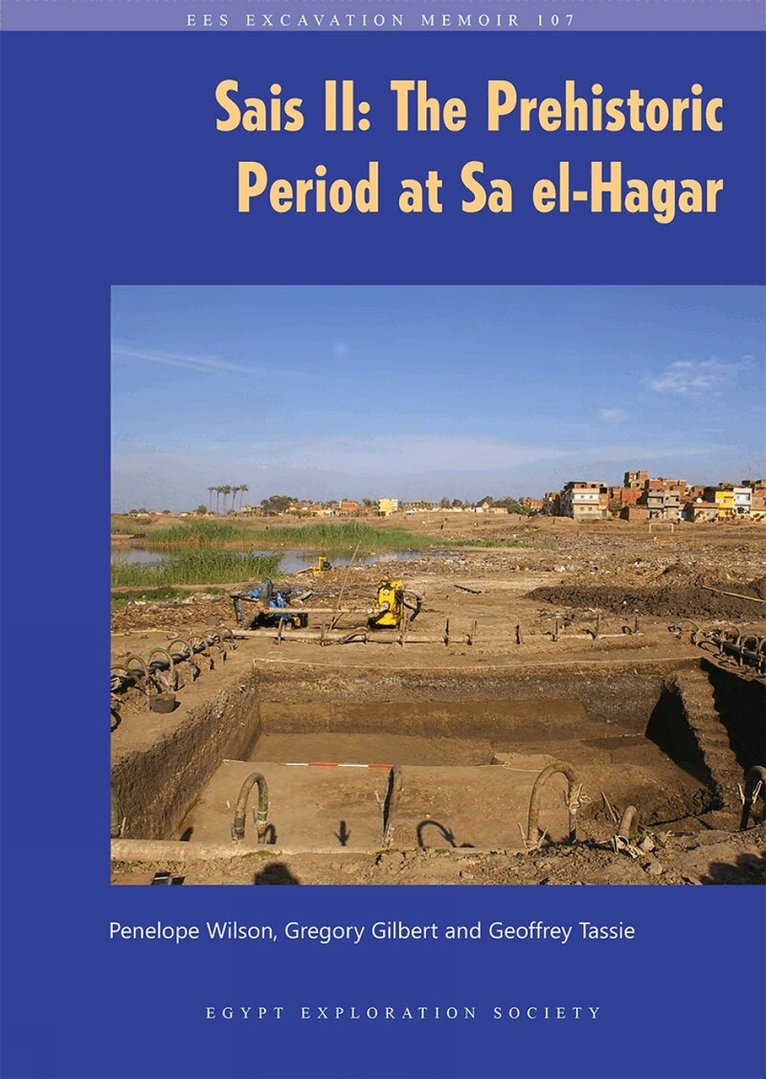
Sais II
The Prehistoric Period at Sa el-Hagar
Av Penelope Wilson, Gregory Gilbert m. fl.
Häftad, 2014
1415 kr
Lägg i varukorg
Sais II: The Prehistoric Period is the final publication of the EES/Durham/SCA excavations carried out in 2007 in the 'Great Pit' at Sa el-Hagar, ancient Sais. It contains a full discussion of the layers dating to the Neolithic and Buto-Maadi Periods, with specialist reports on the chipped and …
Butt Slut Barista 2: Room For Cream
E-bok, 2012
28 kr
Lägg i varukorg
Tammy's time working at BugBean coffee shop has gotten a lot more fun since she started fucking her hunky boss Vincent on the side. But when a fellow barista catches her white-thighed with evidence of the illicit affair, will she be able to convince Melody to keep things quiet?
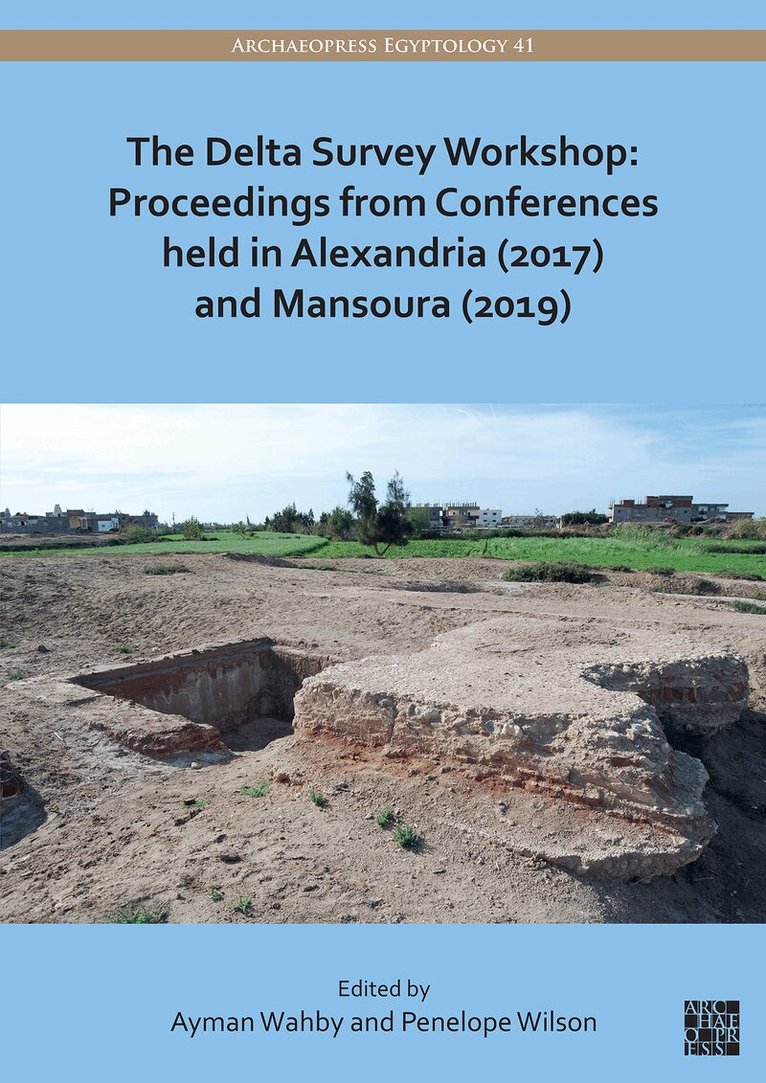
Delta Survey Workshop: Proceedings from Conferences held in Alexandria (2017) and Mansoura (2019)
Av Ayman Wahby, Penelope Wilson
Häftad, 2022
888 kr
Lägg i varukorg
The Delta Survey Workshop comprises the proceedings of two conferences organised by the Delta Survey Project and held in Alexandria in 2017 and Mansoura in 2019. The 23 papers contain the results of the latest fieldwork in the Nile Delta and Sinai, from survey work that records and documents …
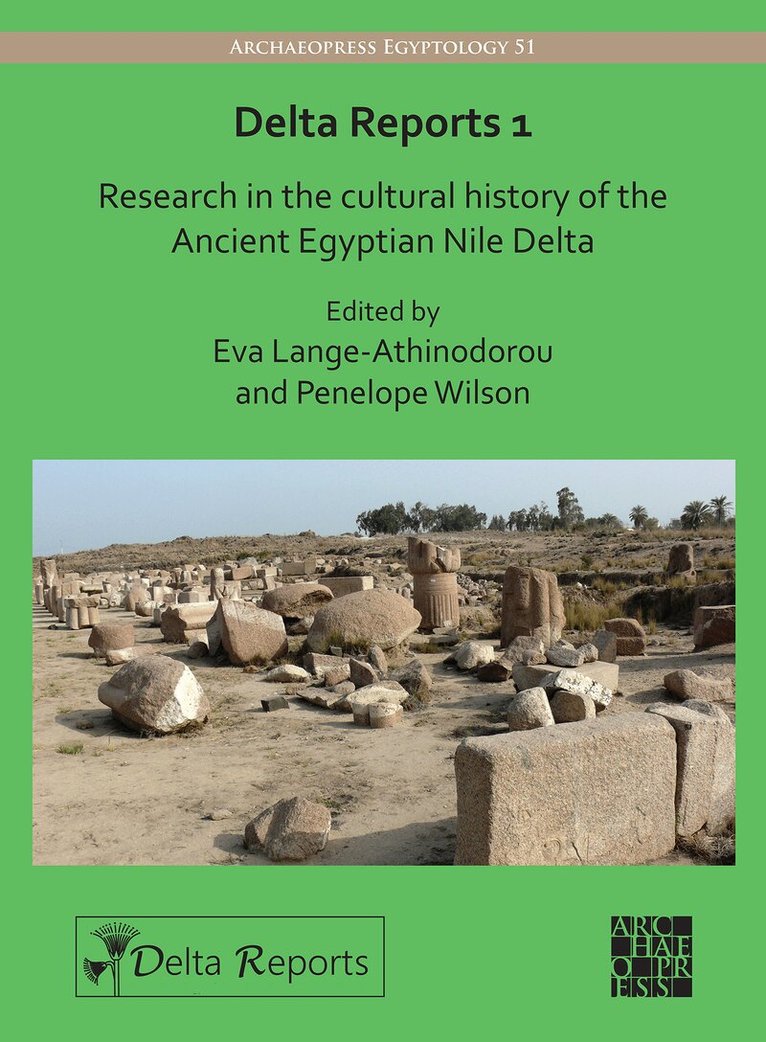
Delta Reports 1
Research in the Cultural History of the Ancient Egyptian Nile Delta
Av Eva Lange-Athinodorou, Penelope Wilson
Häftad, 2025
479 kr
Lägg i varukorg
Following two Delta Conferences (funded through the British Academy Special Project of the Egypt Exploration Society), the first online in 2021 and the other at Ain Shams University in 2023, selected papers have been gathered in this first volume of a new series of Delta Reports. They detail …