Per Anders Rudling – författare
Visar alla böcker från författaren Per Anders Rudling. Handla med fri frakt och snabb leverans.
5 produkter
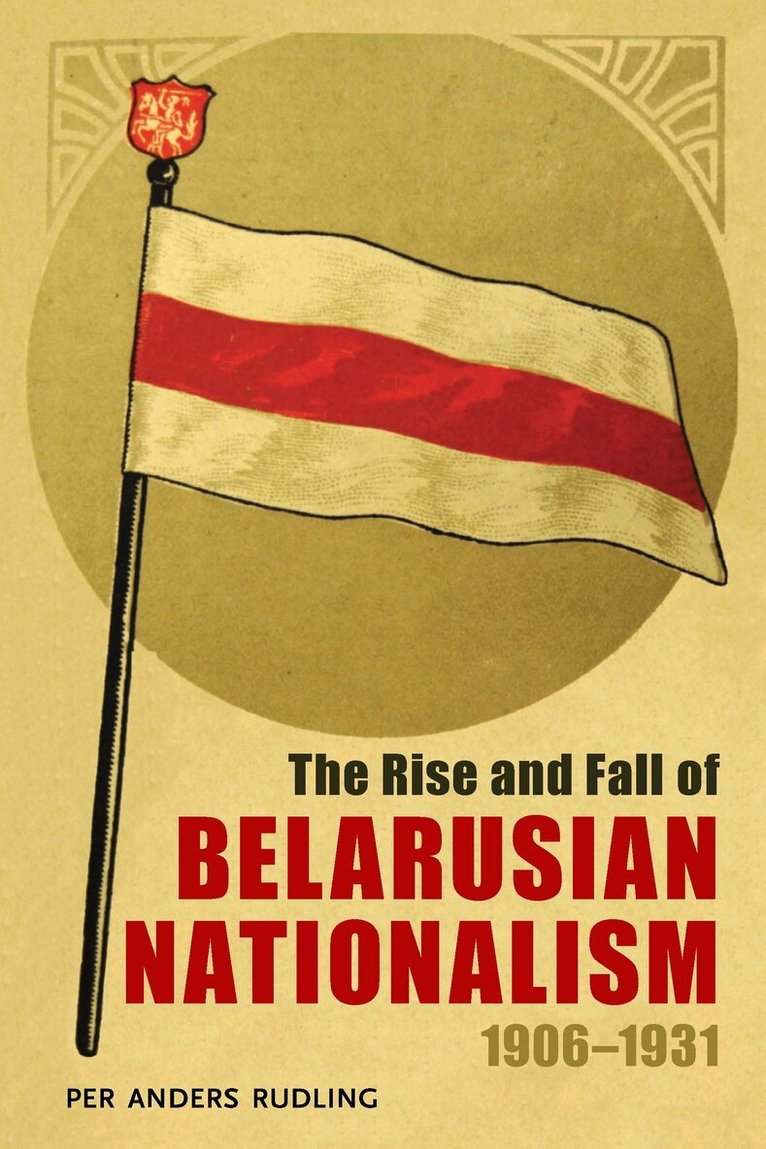
Rise and Fall of Belarusian Nationalism, 1906–1931
Häftad, 2014
829 kr
Lägg i varukorg
Modern Belarusian nationalism emerged in the early twentieth century during a dramatic period that included a mass exodus, multiple occupations, seven years of warfare, and the partition of the Belarusian lands. In this original history, Per Anders Rudling traces the evolution of modern Belarusian …
Transnational and Transatlantic Fascism, 1918–2018
The Far Right in East Central and Southeastern Europe
Av Grzegorz Rossoliński-Liebe, Per Anders Rudling
Inbunden, 2025
2586 kr
Lägg i varukorg
This volume charts the history of transnational and transatlantic fascism in East Central and Southeastern Europe, a lesser-known phenomenon that occurred throughout the twentieth century into the present.Organizations and individuals in this part of the continent, under the influences of Fascist …
Transnational and Transatlantic Fascism, 1918-2018
The Far Right in East Central and Southeastern Europe
Av Per Anders Rudling, Grzegorz Rossolinski-Liebe
E-bok, 2025
27 kr
Lägg i varukorg
This volume charts the history of transnational and transatlantic fascism in East Central and Southeastern Europe, a lesser-known phenomenon that occurred throughout the twentieth century into the present.Organizations and individuals in this part of the continent, under the influences of Fascist …
Transnational and Transatlantic Fascism, 1918-2018
The Far Right in East Central and Southeastern Europe
Av Per Anders Rudling, Grzegorz Rossolinski-Liebe
E-bok, 2025
774 kr
Lägg i varukorg
This volume charts the history of transnational and transatlantic fascism in East Central and Southeastern Europe, a lesser-known phenomenon that occurred throughout the twentieth century into the present.Organizations and individuals in this part of the continent, under the influences of Fascist …
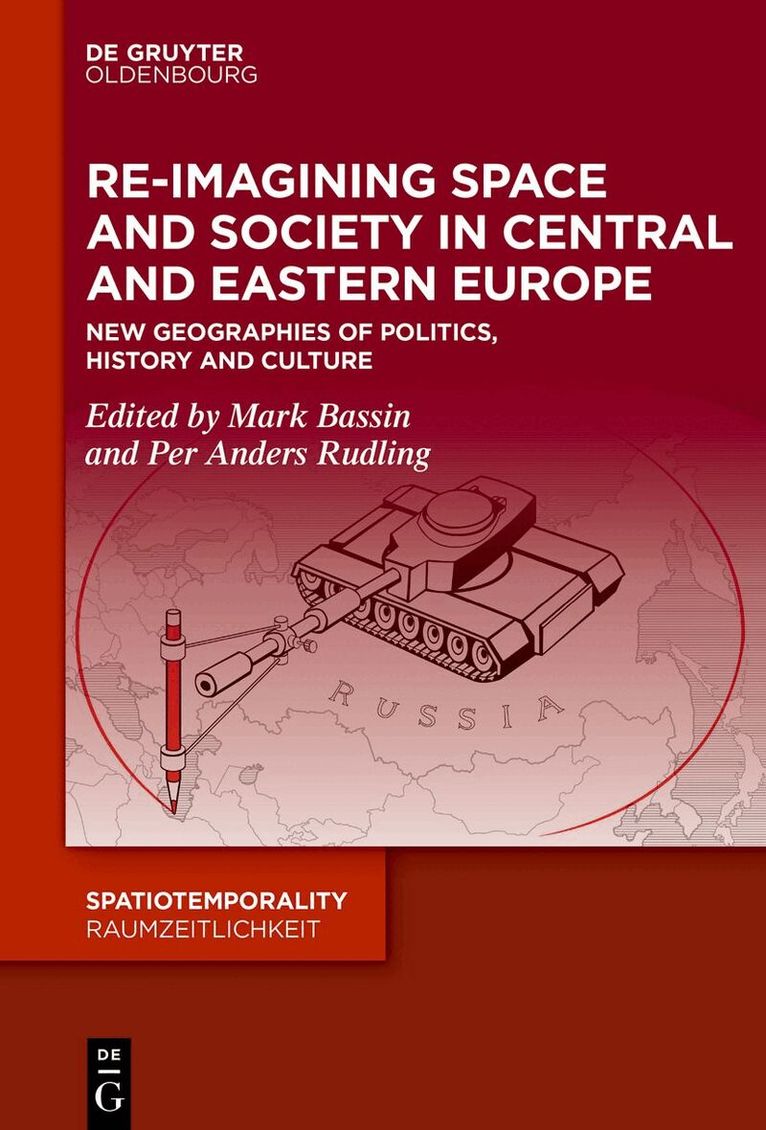
Re-Imagining Space and Society in Central and Eastern Europe
New Geographies of Politics, History and Culture
Av Mark Bassin, Per Anders Rudling
Inbunden, 2026
919 kr
Lägg i varukorg
The end of what the GDR called “real existierender Sozialismus” in Europe at the beginning of the 1990s dramatically changed the geopolitical situation in Central and Eastern Europe. Five states ceased to exist, whereas 22 new states have been recognized, accompanied by a host of internationally …