Peter J Green - Böcker
Visar alla böcker från författaren Peter J Green. Handla med fri frakt och snabb leverans.
10 produkter
10 produkter
Del 27 - Oxford Statistical Science Series (0-19-961199-8)
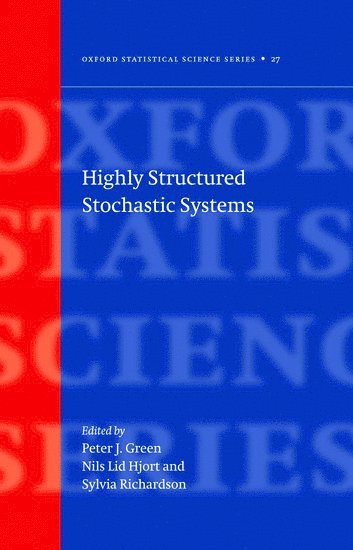
Highly Structured Stochastic Systems
Inbunden, Engelska, 2003
2 161 kr
Skickas inom 7-10 vardagar
Highly Structured Stochastic Systems (HSSS) is a modern strategy for building statistical models for challenging real-world problems, for computing with them, and for interpreting the resulting inferences. Complexity is handled by working up from simple local assumptions in a coherent way, and that is the key to modelling, computation, inference and interpretation; the unifying framework is that of Bayesian hierarchical models. The aim of this book is to make recent developments in HSSS accessible to a general statistical audience. Graphical modelling and Markov chain Monte Carlo (MCMC) methodology are central to the field, and in this text they are covered in depth. The chapters on graphical modelling focus on causality and its interplay with time, the role of latent variables, and on some innovative applications. Those on Monte Carlo algorithms include discussion of the impact of recent theoretical work on the evaluation of performance in MCMC, extensions to variable dimension problems, and methods for dynamic problems based on particle filters. Coverage of these underlying methodologies is balanced by substantive areas of application - in the areas of spatial statistics (with epidemiological, ecological and image analysis applications) and biology (including infectious diseases, gene mapping and evolutionary genetics). The book concludes with two topics (model criticism and Bayesian nonparametrics) that seek to challenge the parametric assumptions that otherwise underlie most HSSS models. Altogether there are 15 topics in the book, and for each there is a substantial article by a leading author in the field, and two invited commentaries that complement, extend or discuss the main article, and should be read in parallel. All authors are distinguished researchers in the field, and were active participants in an international research programme on HSSS.This is the 27th volume in the Oxford Statistical Science Series, which includes texts and monographs covering many topics of current research interest in pure and applied statistics. These texts focus on topics that have been at the forefront of research interest for several years. Other books in the series include: J.Durbin and S.J.Koopman: Time series analysis by State Space Models; Peter J. Diggle, Patrick Heagerty, Kung-Yee Liang, Scott L. Zeger: Analysis of Longitudinal Data 2/e; J.K. Lindsey: Nonlinear Models in Medical Statistics; Peter J. Green, Nils L. Hjort & Sylvia Richardson: Highly Structured Stochastic Systems; Margaret S. Pepe: Statistical Evaluation of Medical Tests.
178 kr
Skickas
Following the end of the steam locomotive in normal service, the diesel has become the favourite of many railway enthusiasts. To show something of the diesel types and operations on various international railway systems, Peter J. Green has selected some of his best railway photographs from his travels to six of the seven continents of the world. The photographs were taken in forty-five countries between 1975 and 2019. While the use of diesel locomotives in many parts of the world is declining with the increasing use of railcars and spreading electrification, a good variety of power can still be found.Particularly rewarding destinations include the USA and Canada, with their impressive freight trains, and many parts of Asia, where diesel-hauled passenger trains regularly run through interesting landscapes. Diesel traction has also become an important feature of many tourist railways worldwide. Whether photographing the railways or travelling by train, the visitor cannot fail to be impressed.
265 kr
Skickas
Peter J Green first photographed Class 50 diesels in action in 1975, while they were still being transferred from the London Midland to the Western Region of British Rail. But it was in the early 1980s, when they were named and painted in Large Logo livery, that his interest in the class really took off. For Peter, they stood out from most other locomotives that were painted in the rather drab Rail Blue livery. The sound of the locomotives, particularly when running at speed, was also very impressive, producing shouts of '50!' from waiting photographers, even before the train was in sight. The class became a particular target for his railway photography and many of his trips were made with them in mind. They regularly worked trains around his home town of Worcester, so if he did not want to go too far, it was easy to find a satisfactory subject at which to point his camera. Before their withdrawal in the late 1980s and early 1990s, they were used on many railtours, which always provided good photographic opportunities. Today, with many of the class working on heritage railways, and a number of privately owned locomotives registered for main line use, there is still plenty to keep his cameras occupied. A selection of Peter's best photos of the Class 50 diesels, taken over a period of forty-five years, appear in these pages.
274 kr
Skickas
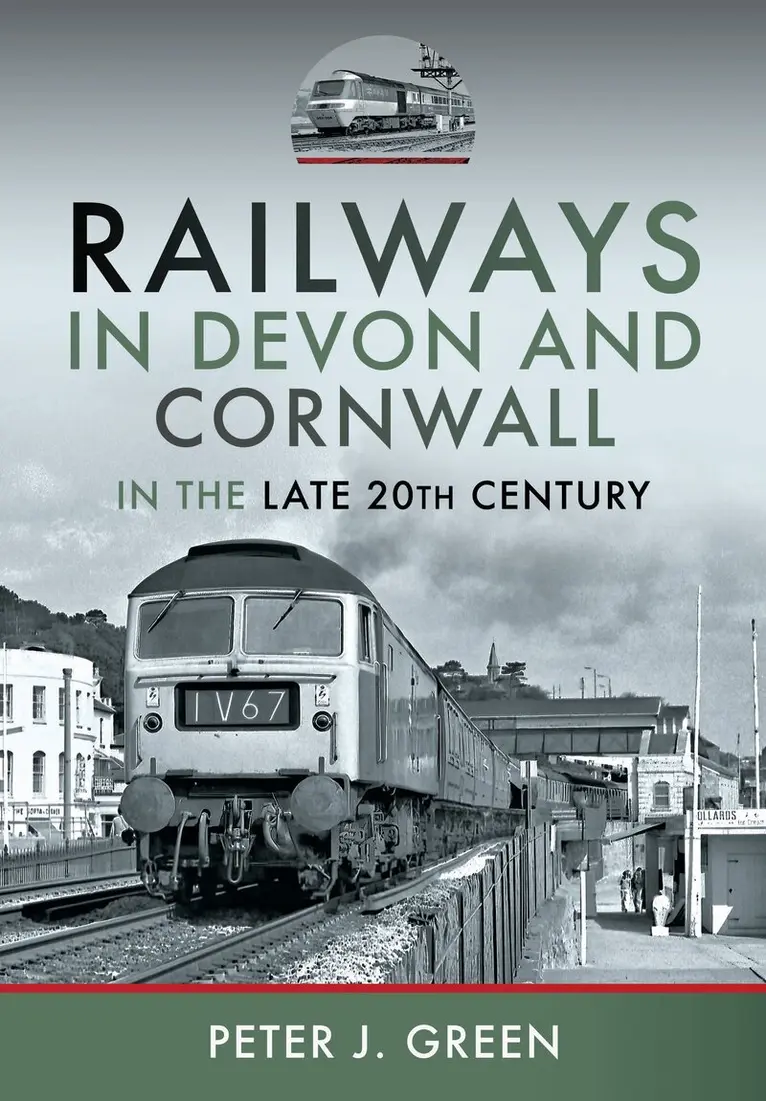
Devon and Cornwall have long been attractive destinations, not only for holidaymakers, but also for railway enthusiasts, and it was in Devon, during a family holiday in 1959 that the author’s passion for railways began.Peter started photographing railways at an early age, mainly concentrating on steam, but he made some visits to Devon in the 1970s, to see the Western Class diesel-hydraulics running along the coast. They were being replaced by Class 50 diesel-electrics at the time.More time was spent in Devon in the 1970s and early 1980s photographing preserved railways as well as the modern scene, and an Easter visit to Goodrington became a regular event for several years.The 1986 West of England resignalling scheme provided a good reason for a further series of visits to Devon to record the mechanical signal boxes, semaphore signalling and associated equipment before it all disappeared.The first of the author’s many trips to Cornwall was in the summer of 1984, when he spent ten days attempting to photograph the entire Cornish railway system. Although an impossible task, the Class 37s on the china clay operations, as well as all the 'Peaks', Class 47s and 50s on the main lines, ensured an enjoyable time.Here, with the help of other contributors, the author has attempted to assemble a comprehensive photographic record of the railways in the two counties in the late 20th Century.
274 kr
Skickas
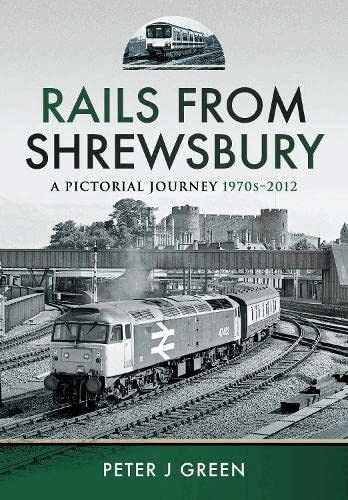
Shrewsbury station, located at the junction of the lines from Chester, Crewe, Wolverhampton, Hereford and Aberystwyth is a busy and interesting railway centre for the enthusiast. Many train movements are still controlled by semaphore signals operated from a number of signal boxes, including the largest remaining operational mechanical signal box in the world at Severn Bridge Junction. Nevertheless, modernisation has been gradually sweeping away much of the railway infrastructure, both at Shrewsbury and in the surrounding area, as it has been everywhere else.This book looks at Shrewsbury itself, the lines that radiate from there, and the trains that ran on them, in the late twentieth and the early part of the twenty-first century. During this time period, much more general railway infrastructure and mechanical signalling was still in use, and locomotive-hauled trains were abundant, using a variety of motive power, including Classes 25, 31, 33, 37 and 47\. The various freight lines that saw traffic are also visited.The railway from Newport through Hereford and Shrewsbury to Chester, in particular, saw regular steam-hauled special trains, a few of which are illustrated here. Preserved railways in the area are not forgotten, including the Severn Valley Railway which once ran from Sutton Bridge Junction at Shrewsbury to Hartlebury, between Kidderminster and Droitwich Spa.
328 kr
Skickas
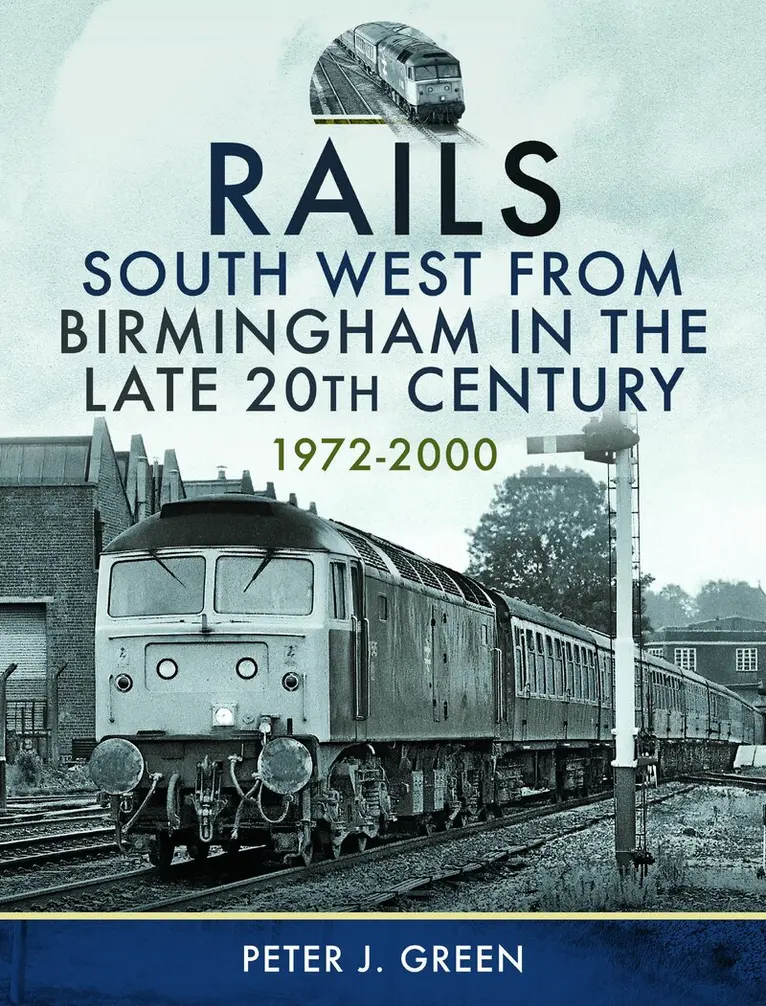
Towards the end of the twentieth century, take a photographic journey along the railway lines to the southwest and south of Birmingham. Starting at Birmingham's main stations, New Street and Snow Hill in the centre of the city, you can travel from the West Midlands through the urban, industrial, and rural landscapes of the counties of Gloucestershire, Herefordshire, Warwickshire and Worcestershire, visiting the branch lines and the various heritage railways and railway centres along the way. As well as the diesel locomotives and railcars that are illustrated in most of the photographs, various steam-hauled special trains are also included. While the railway has gradually improved as a means of transport, for the author it has become increasingly less interesting as it has been modernised. Fortunately, the spectacle of 'Peaks', Class 50s and many other locomotives going about their daily business has been well recorded, and many scenes are captured in these pages. Much railway infrastructure still remained at this time and many older railway stations and mechanical signal boxes, with their associated semaphore signalling, are also featured, adding to the interest of many of the photographs.
328 kr
Skickas
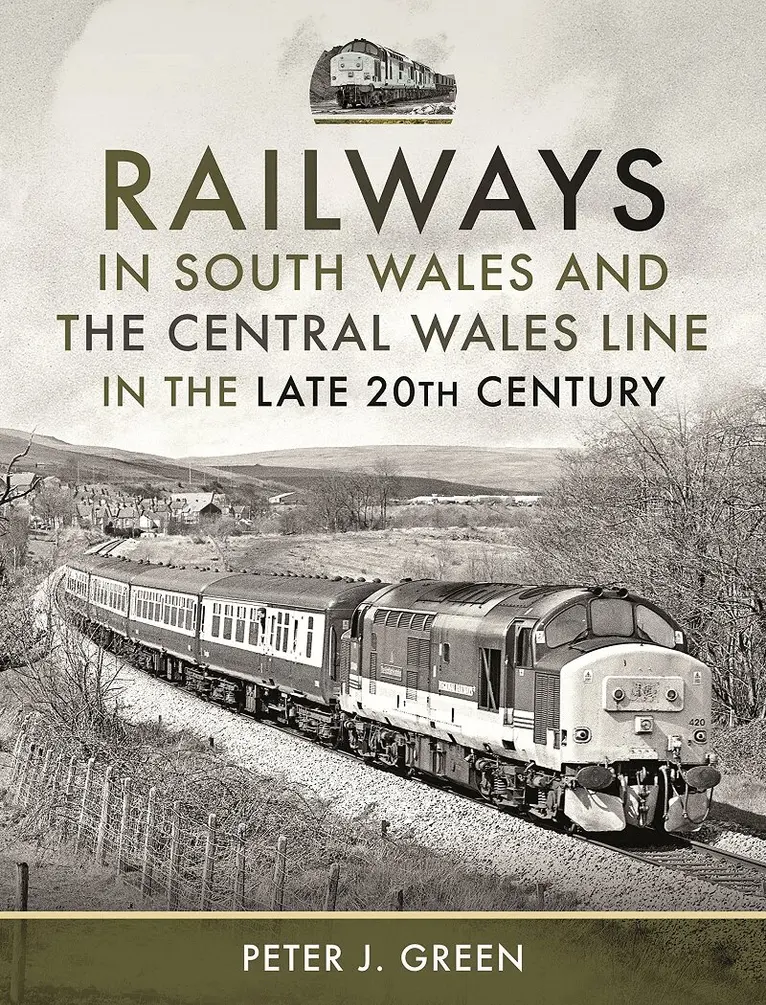
In the early 1980s, I began to visit South Wales on a regular basis to photograph the railway scene. At that time, the collieries and steelworks were generating a lot of rail traffic with Class 37 diesels being the usual motive power.Passenger trains were in the hands of Class 47s and 37s, while 'Peaks' and Class 50s would also appear on occasion. HSTs, DMUs, Sprinters and Pacers were, of course, also common.As time went on, collieries closed and the coal traffic reduced, but there always something new and interesting. Rugby Internationals at Cardiff regularly produced a number of special trains which arrived from various parts of the country, often bringing interesting motive power to the Welsh capital.The Class 37s were slowly replaced by Class 56s, and later Class 60s, on many duties in South Wales, but the Rhymney Valley saw Class 37 diesels working passenger trains into the twenty-first century, and on Rugby International days, privately-owned Class 50s were also used on occasion.I also visited the Central Wales line a number of times and particularly enjoyed the time I spent at the small country stations, before the semaphore signals were replaced.This book contains a selection of photographs taken in the latter part of the 20th and in the very early 21st Century, covering the railways of South Wales and the Welsh section of the Central Wales line. A few photographs of the principal heritage railways in more recent times are also included.
274 kr
Skickas
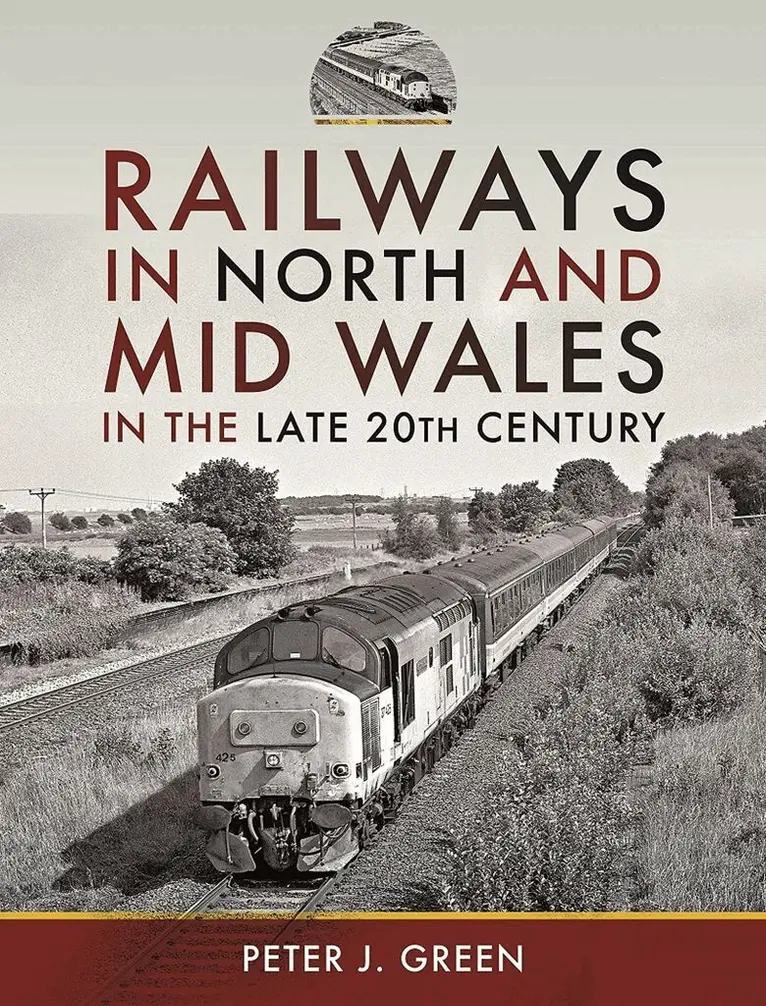
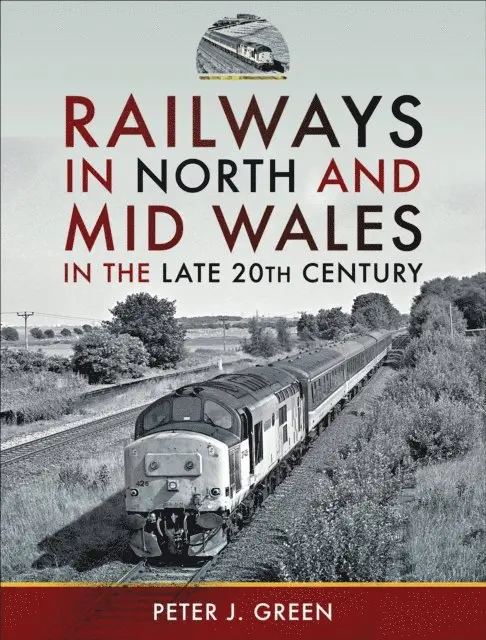
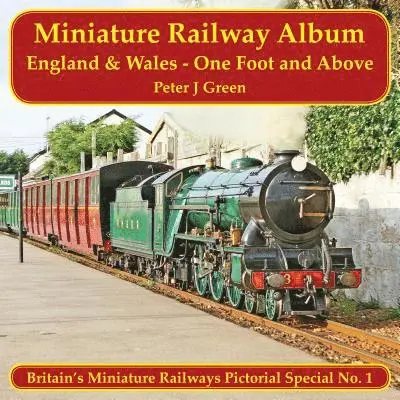
The coastal and mountain scenery around the railway lines of North and Mid Wales is among the best in Great Britain. Here we look at the British Railways lines and the trains that ran on them in the years between 1980 and 2000, as recorded by my cameras during my many visits to the area. A few photographs from earlier years are also included to help to complete the picture. During this period of time, quite a lot of mechanical signalling and many old station buildings still remained, all adding to the railway atmosphere. Featured here are the North Wales Coast line and its branches, the former Cambrian line from Welshpool to Aberystwyth and Pwllheli, and the Welsh section of the Shrewsbury to Chester line. While the emphasis is very much on the main lines, the Welshpool and Llanfair Light Railway, closed by British Railways in 1956 and reopened as a heritage railway, and the Llangollen Railway on a section of the former Ruabon to Barmouth line also feature, as does the Vale of Rheidol Railway, sold by British Rail into private ownership in 1989\. A few photographs of the steam specials that regularly ran on the main lines are also included.
172 kr
Skickas
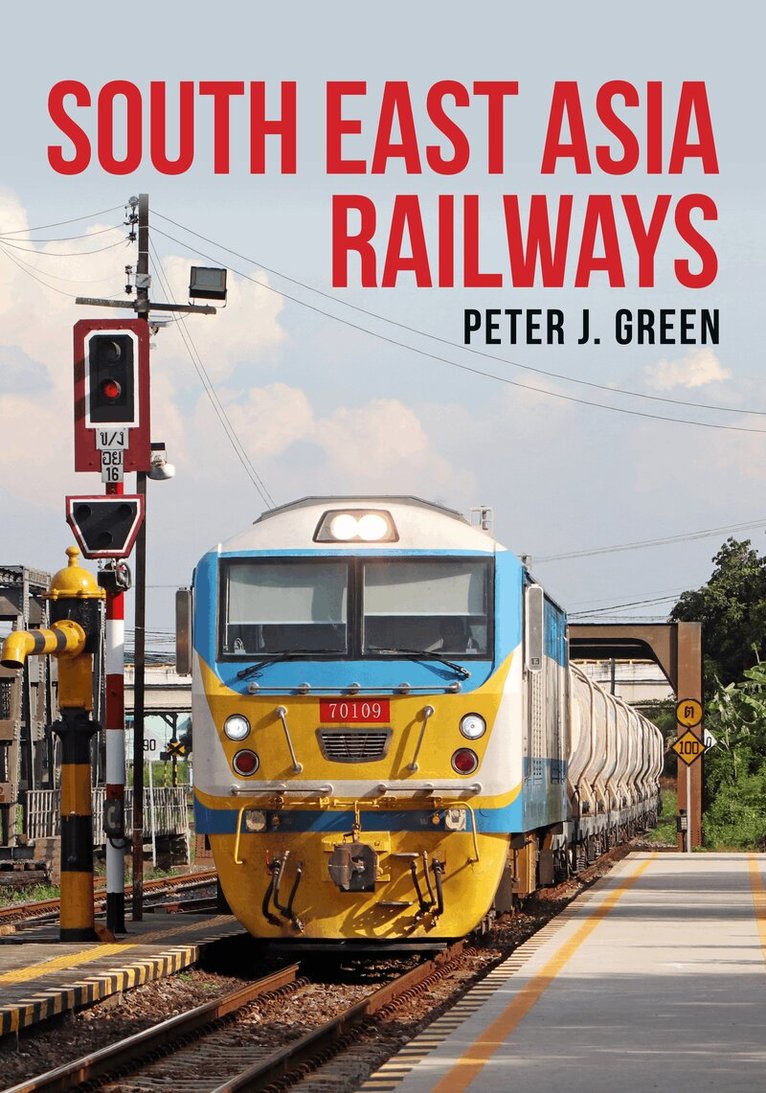
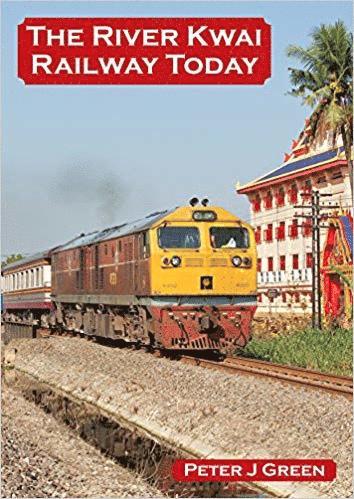
The metre-gauge railways of South East Asia are a popular destination for railway enthusiasts from all over the world. In this book, Peter J. Green looks at the national railways of Thailand, Malaysia, Cambodia, Myanmar and Vietnam in the twenty-first century. While all these railways are modernising at varying rates, it is still possible to step back into the past and experience train travel behind diesel traction, often in carriages with windows that open, through varied and interesting landscapes. Semaphore signalling is disappearing rapidly but can still be seen in parts of Thailand, Myanmar and Malaysia.With a wealth of previously unpublished photographs, this book offers a fascinating insight into the railways of this rapidly changing area of the world.
274 kr
Skickas
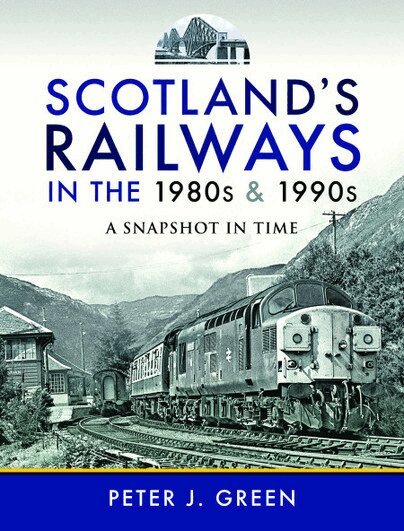
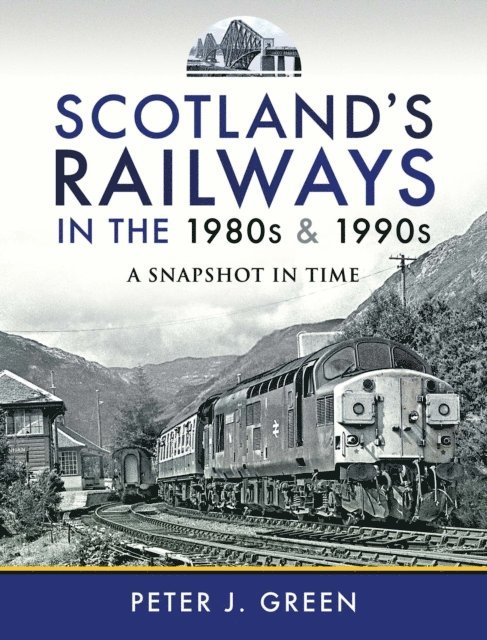
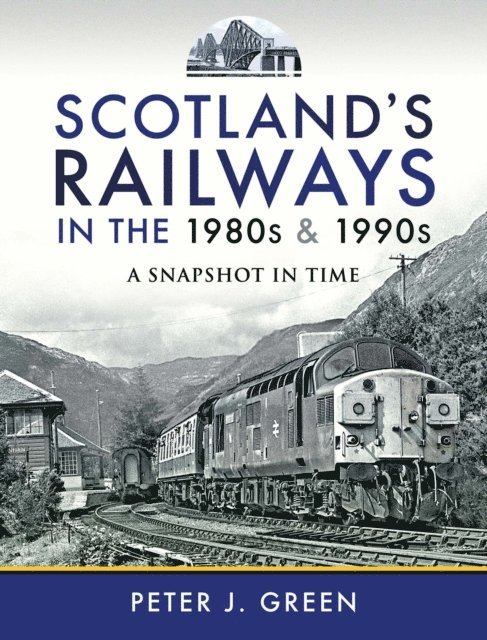
In the 1980s and early 1990s, Scotland was an excellent destination for the railway enthusiast.The many locomotive hauled trains running through splendid scenery, together with the surviving railway infrastructure and mechanical signalling, provided many fine photographic opportunities.My first railway visit to Scotland was on board The Fair Maid rail tour to Perth, behind Flying Scotsman in 1983\. The following year, I again travelled to Scotland, this time on the F & W Railtours The Skirl O' The Pipes 4, to Kyle of Lochalsh and Mallaig, my first visit to the Scottish Highlands.I had previously been travelling abroad for railways, but impressed by what I saw, I decided that I would quickly return to photograph the Scottish railway scene, before it changed too much.This was the start of a series of visits, each for one or two weeks, between 1984 and June 1991, covering the whole country.This book is a photographic record of the locomotives, trains and infrastructure of the railways of Scotland and the landscapes through which the trains ran, as recorded by my various cameras during the period of my visits.