Peter Krapp – författare
Visar alla böcker från författaren Peter Krapp. Handla med fri frakt och snabb leverans.
7 produkter
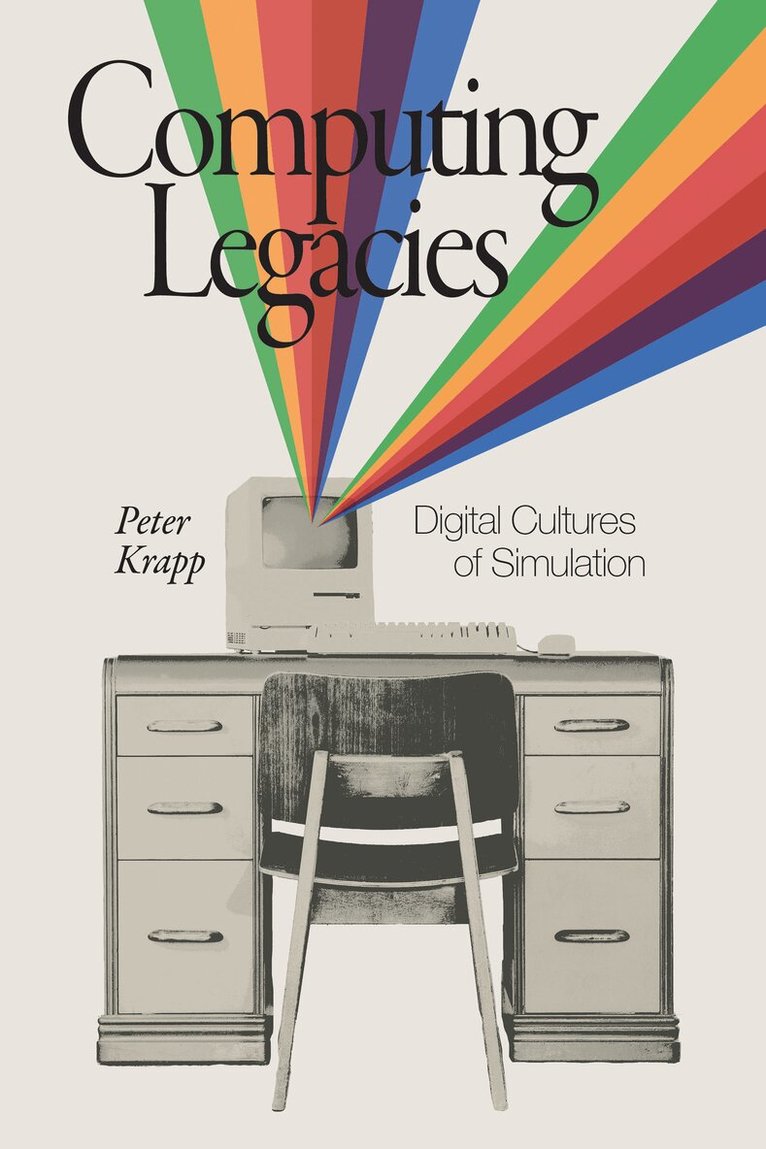
Computing Legacies
Digital Cultures of Simulation
Av Peter Krapp
Häftad, 2024
434 kr
Lägg i varukorg
A media history of simulation that contextualizes our digital heritage and the history of computing. In Computing Legacies , Peter Krapp explores a media history of simulation to excavate three salient aspects of digital culture. Firstly, he profiles simulation as cultural technique, enabling …
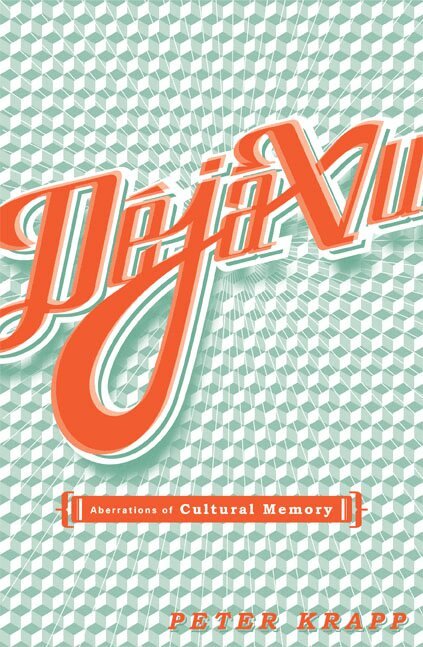
Deja Vu
Aberrations of Cultural Memory
Av Peter Krapp
Häftad, 2004
302 kr
Lägg i varukorg
The pitfalls of cultural memory and forgetting, understood through the genealogy of the phenomenon called dÉjÀ vuReferring to a past that never was, dÉjÀ vu shares a structure not only with fiction, but also with the ever more sophisticated effects of media technology. Tracing the term from the end …
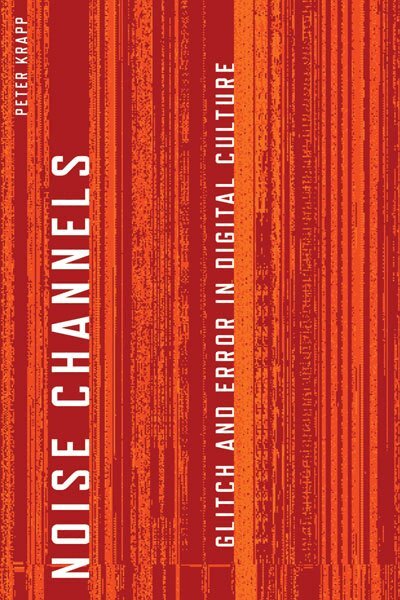
Noise Channels
Glitch and Error in Digital Culture
Av Peter Krapp
Häftad, 2011
282 kr
Lägg i varukorg
To err is human; to err in digital culture is design. In the glitches, inefficiencies, and errors that ergonomics and usability engineering strive to surmount, Peter Krapp identifies creative reservoirs of computer-mediated interaction. Throughout new media cultures, he traces a resistance to the …
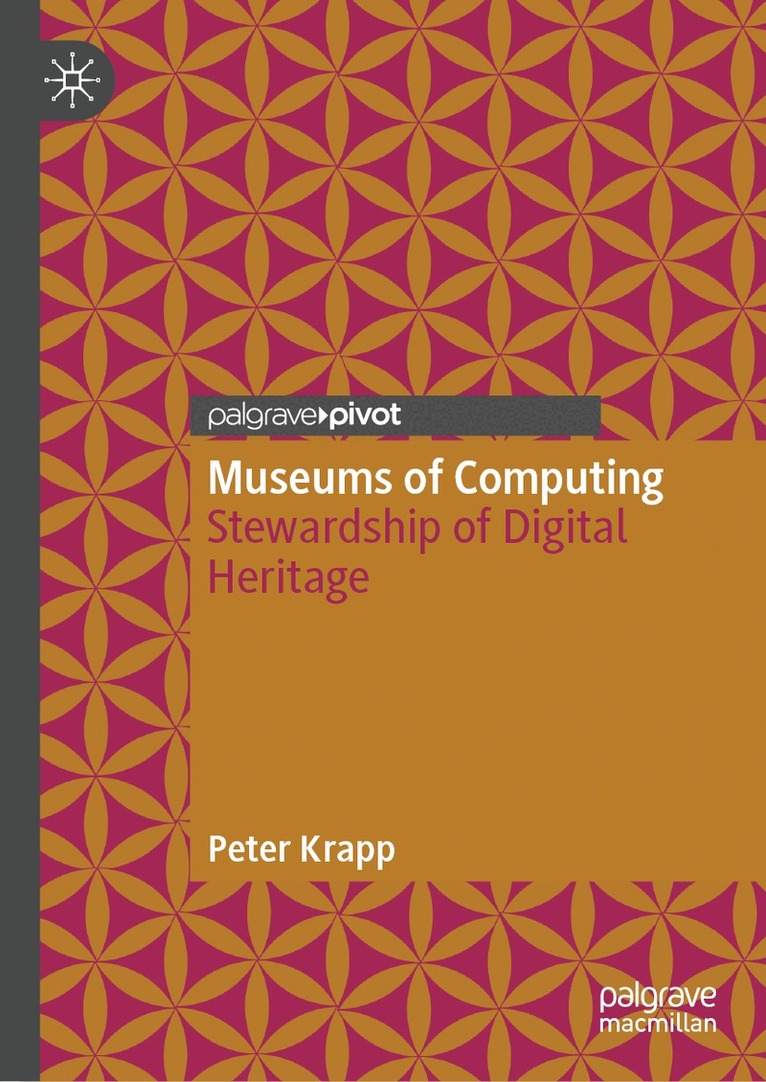
Museums of Computing
Stewardship of Digital Heritage
Av Peter Krapp
Inbunden, 2026
456 kr
Lägg i varukorg
This book analyses museums of computing in several pivotal dimensions. As institutions of cultural memory, they continue to play major roles in how we understand our mediated situation; there are many “missing narratives” in media history, and museums have been part of the response to those …
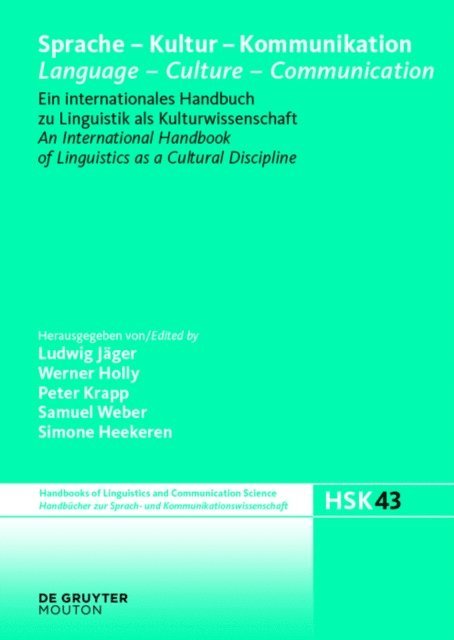
Sprache - Kultur - Kommunikation / Language - Culture - Communication
Ein internationales Handbuch zu Linguistik als Kulturwissenschaft / An International Handbook of Linguistics as a Cultural Discipline
Av Simone Heekeren, Samuel Weber m. fl.
E-bok, 2016
6065 kr
Lägg i varukorg
Das Ziel des Handbuchs ist es, die ''kulturwissenschaftliche Lücke'' in der Sprachwissenschaft historisch und systematisch zu reflektieren sowie einen Beitrag zu ihrer Schließung zu leisten. Die Klärung der Frage: "Wie ist Sprachwissenschaft als Kulturwissenschaft möglich?" soll sowohl aus der …
Sprache - Kultur - Kommunikation / Language - Culture - Communication
Ein internationales Handbuch zu Linguistik als Kulturwissenschaft / An International Handbook of Linguistics as a Cultural Discipline
Av Simone Heekeren, Samuel Weber m. fl.
E-bok, 2016
5934 kr
Lägg i varukorg
Das Ziel des Handbuchs ist es, die ''kulturwissenschaftliche Lücke'' in der Sprachwissenschaft historisch und systematisch zu reflektieren sowie einen Beitrag zu ihrer Schließung zu leisten. Die Klärung der Frage: "Wie ist Sprachwissenschaft als Kulturwissenschaft möglich?" soll sowohl aus der …
Medium Cool
Av Andrew McNamara, Peter Krapp
Häftad, 2002
161 kr
Tillfälligt slut
The fact that the mass media constitute such a ubiquitous presence in contemporary life often leads to the assumption that medium or media emerged as a specific issue only with the advent of mass media. The question of medium is today almost totally subsumed within discussions of the mass media. In …