Peter Meel – författare
Visar alla böcker från författaren Peter Meel. Handla med fri frakt och snabb leverans.
3 produkter
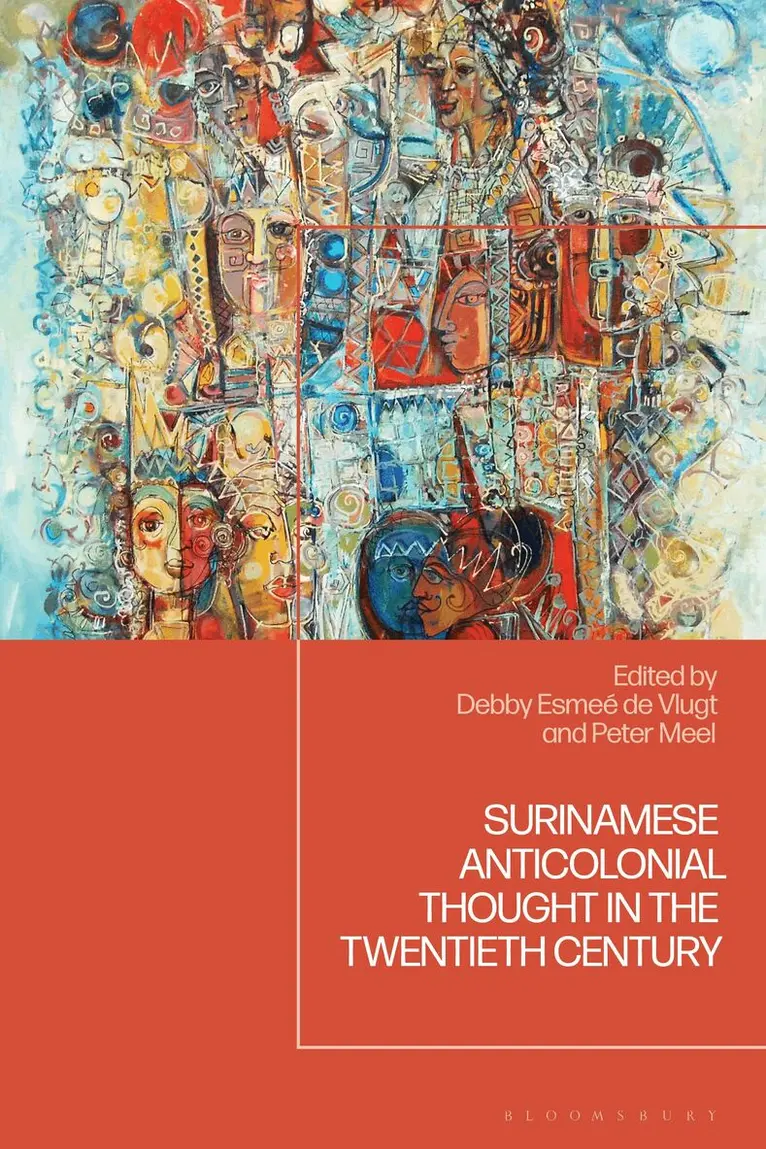
Surinamese Anticolonial Thought in the Twentieth Century
Av Debby Esmeé de Vlugt, Peter Meel
Inbunden, 2026
1251 kr
Lägg i varukorg
Surinamese Anticolonial Thought in the Twentieth Century offers a compelling introduction to the history of anticolonial resistance in Suriname and its diaspora. Covering the lives and ideas of seventeen influential Surinamese thinkers, this book explores how the histories, legacies, and afterlives …
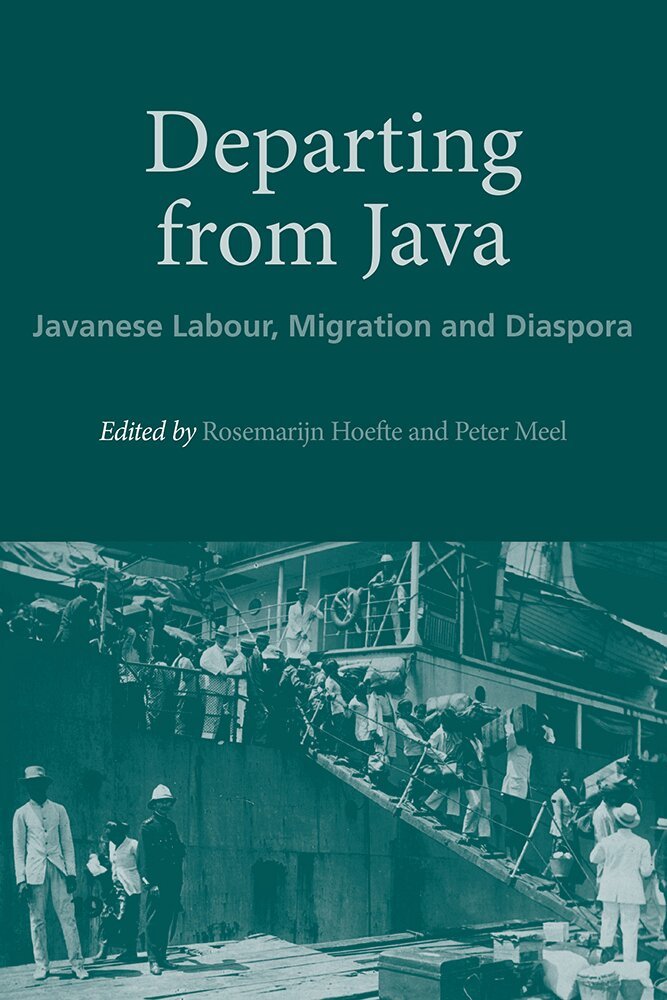
Departing from Java
Javanese Labour, Migration and Diaspora
Av Rosemarijn Hoefte, Peter Meel
Häftad, 2018
316 kr
Lägg i varukorg
From colonial times through to the present day, large numbers of Javanese have left their homes to settle in other parts of Indonesia or much further afield. Frequently this dispersion was forced, often with traumatic results. Today, Javanese communities are found as near to home as Kalimantan and …
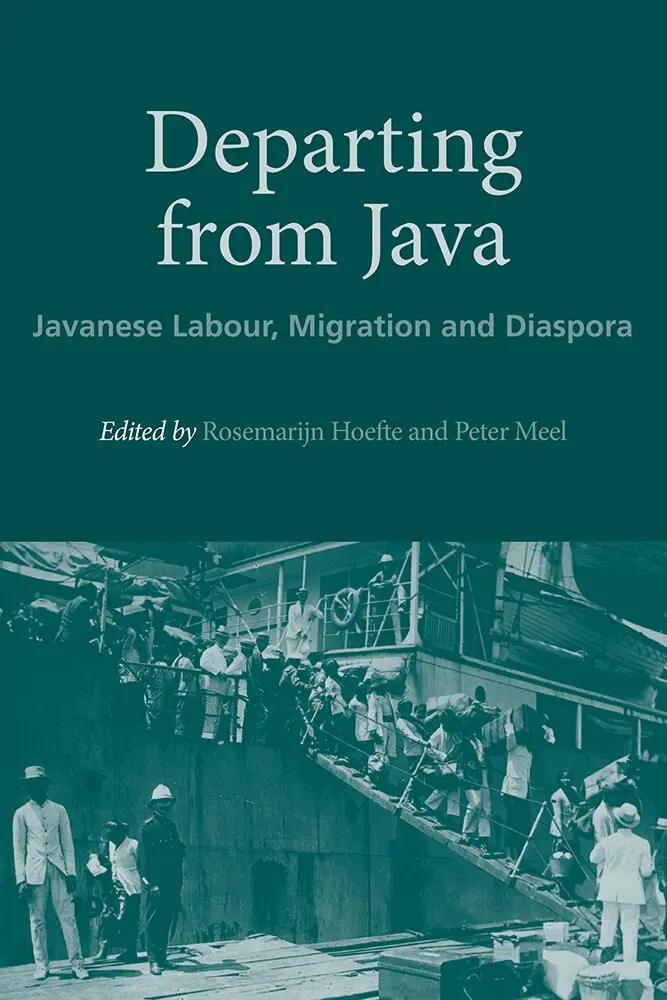
Departing from Java: Javanese Labour, Migration and Diaspora
Av Rosemarijn Hoefte, Peter Meel
Inbunden, 2018
906 kr
Tillfälligt slut
From colonial times through to the present day, large numbers of Javanese have left their homes to settle in other parts of Indonesia or much further afield. Frequently this dispersion was forced, often with traumatic results. Today, Javanese communities are found as close as Kalimantan and as far …