Rosemarijn Hoefte – författare
Visar alla böcker från författaren Rosemarijn Hoefte. Handla med fri frakt och snabb leverans.
6 produkter
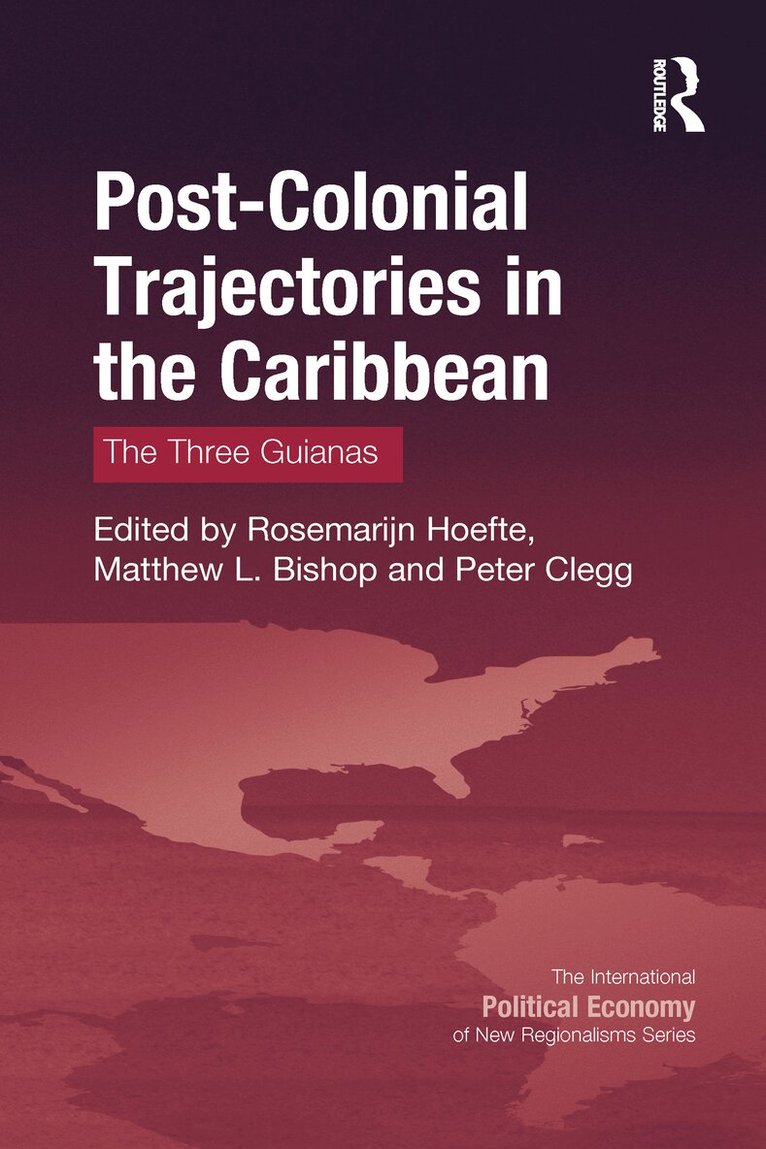
Post-Colonial Trajectories in the Caribbean
The Three Guianas
Av Rosemarijn Hoefte, Matthew L. Bishop m. fl.
Häftad, 2021
695 kr
Lägg i varukorg
This book compares and contrasts the contemporary development experience of neighbouring, geographically similar countries with an analogous history of exploitation but by three different European colonisers. Studying the so-called ‘Three Guianas’ (Guyana, Suriname and French Guiana) offers a …
Post-Colonial Trajectories in the Caribbean
The Three Guianas
Av Peter Clegg, Matthew L. Bishop m. fl.
E-bok, 2016
838 kr
Lägg i varukorg
This book compares and contrasts the contemporary development experience of neighbouring, geographically similar countries with an analogous history of exploitation but by three different European colonisers. Studying the so-called ‘Three Guianas’ (Guyana, Suriname and French Guiana) offers a …
Post-Colonial Trajectories in the Caribbean
The Three Guianas
Av Peter Clegg, Matthew L. Bishop m. fl.
E-bok, 2016
838 kr
Lägg i varukorg
This book compares and contrasts the contemporary development experience of neighbouring, geographically similar countries with an analogous history of exploitation but by three different European colonisers. Studying the so-called ‘Three Guianas’ (Guyana, Suriname and French Guiana) offers a …
Post-Colonial Trajectories in the Caribbean
The Three Guianas
Av Rosemarijn Hoefte, Matthew L. Bishop m. fl.
Inbunden, 2016
2601 kr
Lägg i varukorg
This book compares and contrasts the contemporary development experience of neighbouring, geographically similar countries with an analogous history of exploitation but by three different European colonisers. Studying the so-called ‘Three Guianas’ (Guyana, Suriname and French Guiana) offers a …
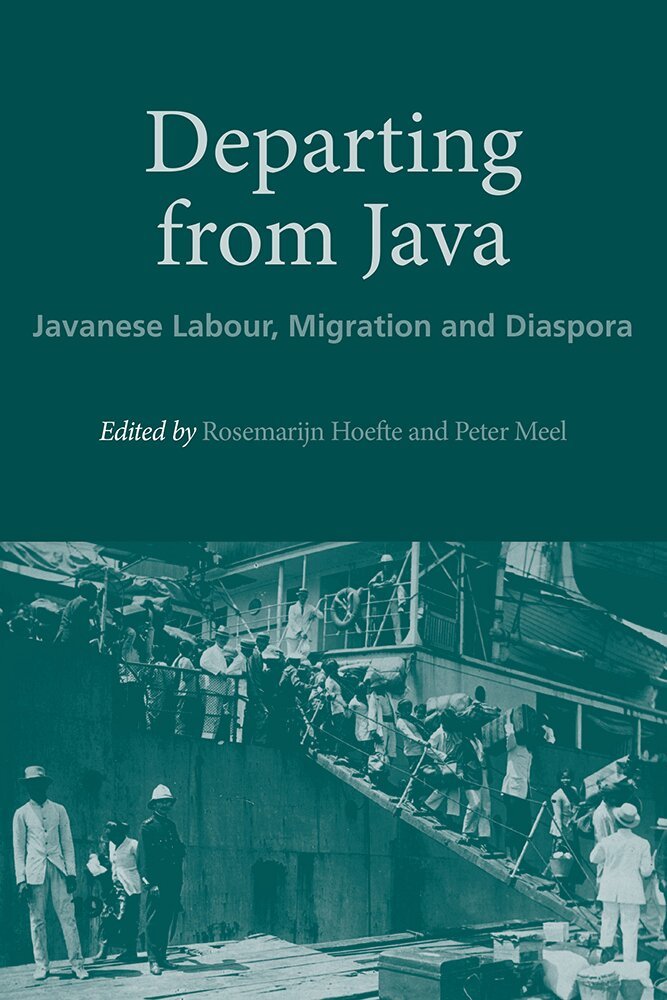
Departing from Java
Javanese Labour, Migration and Diaspora
Av Rosemarijn Hoefte, Peter Meel
Häftad, 2018
316 kr
Lägg i varukorg
From colonial times through to the present day, large numbers of Javanese have left their homes to settle in other parts of Indonesia or much further afield. Frequently this dispersion was forced, often with traumatic results. Today, Javanese communities are found as near to home as Kalimantan and …
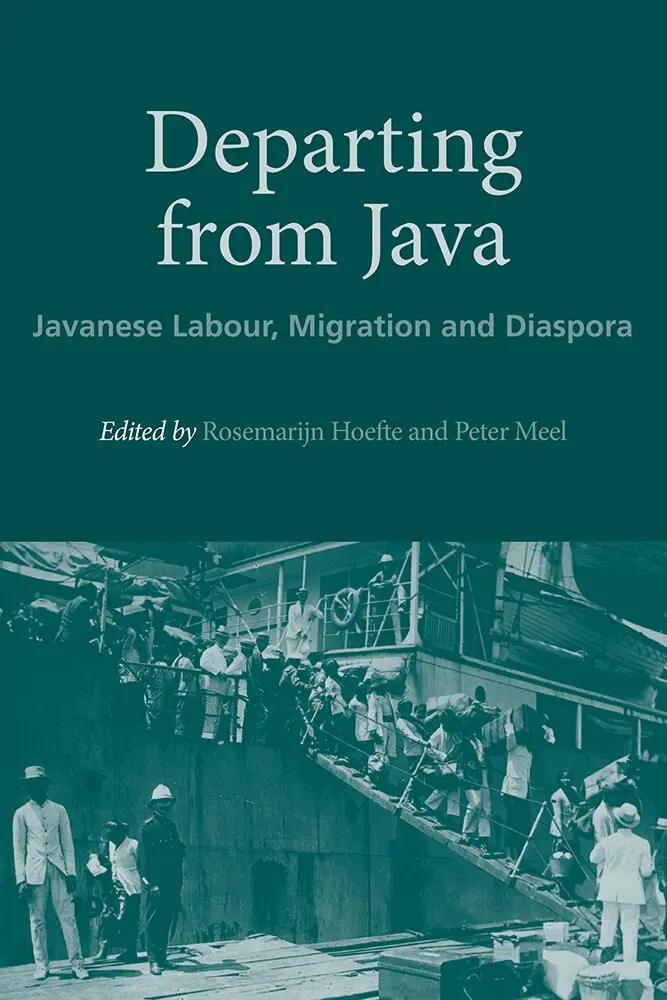
Departing from Java: Javanese Labour, Migration and Diaspora
Av Rosemarijn Hoefte, Peter Meel
Inbunden, 2018
906 kr
Tillfälligt slut
From colonial times through to the present day, large numbers of Javanese have left their homes to settle in other parts of Indonesia or much further afield. Frequently this dispersion was forced, often with traumatic results. Today, Javanese communities are found as close as Kalimantan and as far …