Peter N. Lindfield – författare
Visar alla böcker från författaren Peter N. Lindfield. Handla med fri frakt och snabb leverans.
3 produkter
3 produkter
1 042 kr
Skickas inom 5-8 vardagar
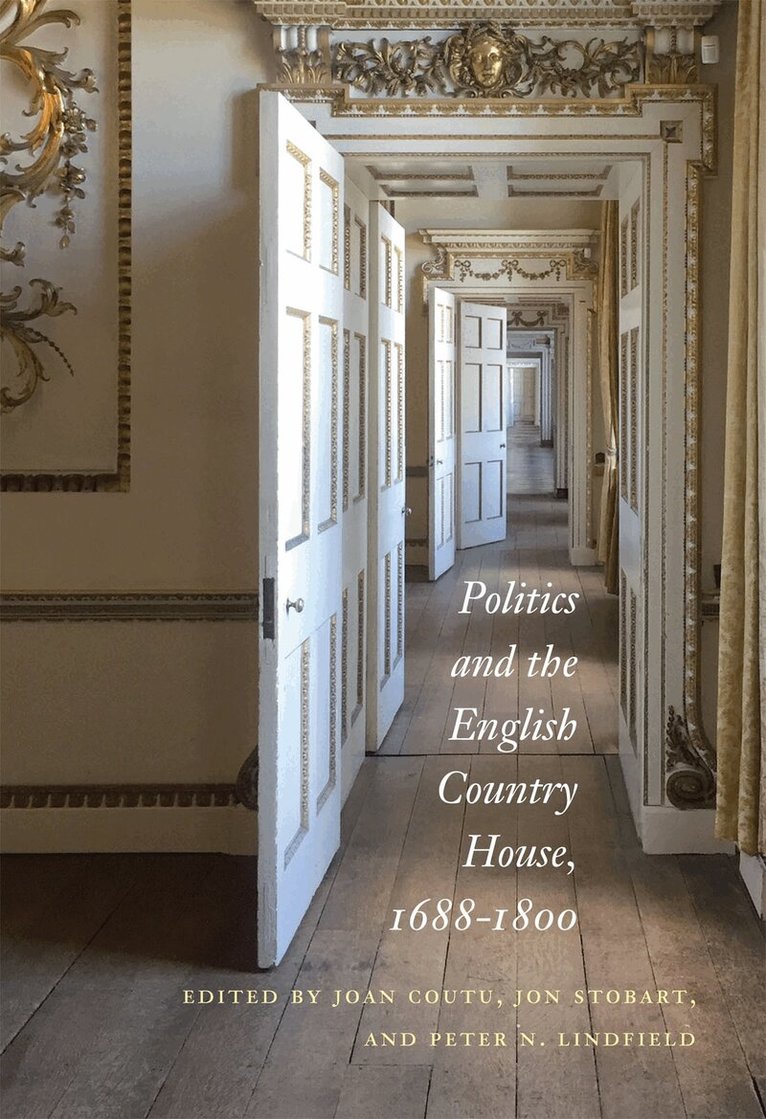
Politics has always been at the heart of the English country house, in its design and construction, as well as in the activities and experiences of those who lived in and visited these places. As Britain moved from an agrarian to an imperial economy over the course of the eighteenth century, the home mirrored the social change experienced in the public sphere. This collection focuses on the relationship between the country house and the mutable nature of British politics in the eighteenth century. Essays explore the country house as a stage for politicking, a vehicle for political advancement, a symbol of party allegiance or political values, and a setting for appropriate lifestyles. Initially the exclusive purview of the landed aristocracy, politics increasingly came to be played out in the open, augmented by the emergence of career politicians – usually untitled members of the patriciate – and men of new money, much of it created on Caribbean plantations or in the employ of the East India Company. Politics and the English Country House, 1688–1800 reveals how, during this period of profound change, the country house remained a constant. The country house was the definitive tangible manifestation of social standing and, for the political class, owning one became almost an imperative. In its consideration of the country house as lived and spatial experience, as an aesthetic and symbolic object, and as an economic engine, this book offers a new perspective on the complexity of political meaning embedded in the eighteenth-century country house – and on ourselves as active recipients and interpreters of its various narratives, more than two centuries later.
632 kr
Kommande
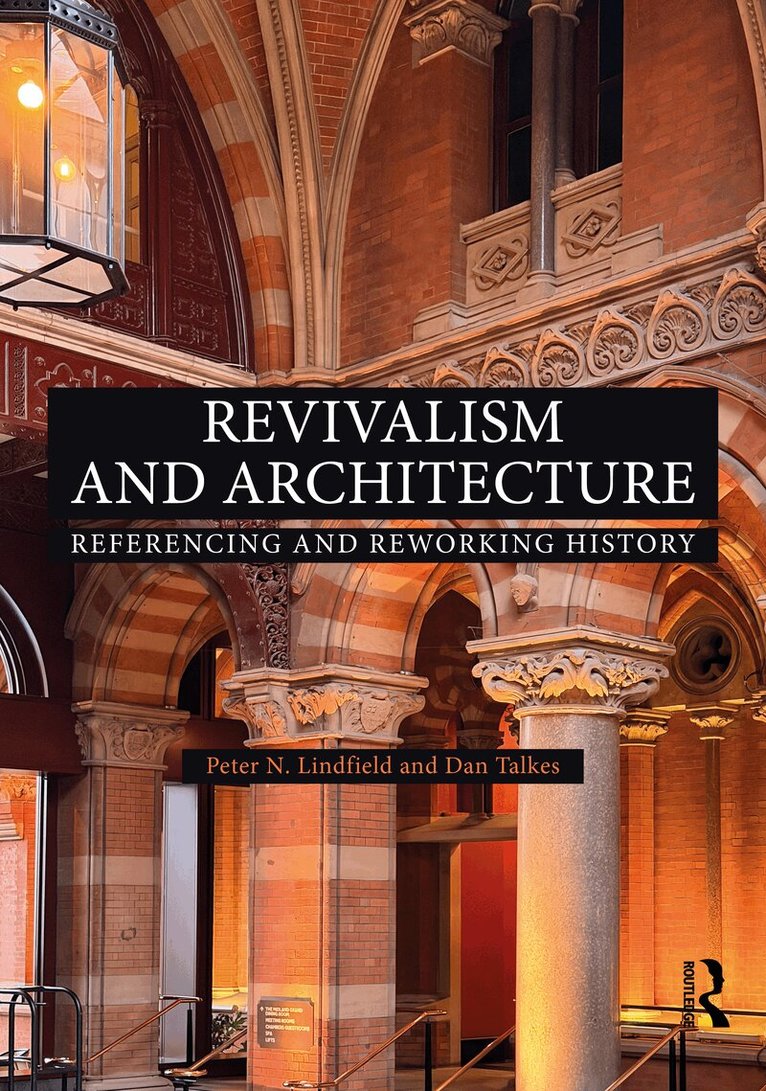
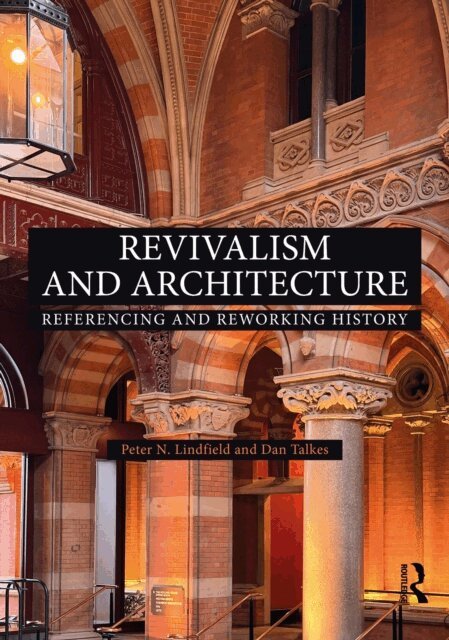
This book is an original and focused academic examination of revivalism in architecture. It looks at how the past has and continues to shape our built environment and visual culture.With contributions by leading scholars and emerging names across the disciplines of architecture, architectural history, history, and design, Revivalism and Architecture explains and challenges our understanding of the past’s impact - at times overt and at others nuanced and covert - upon later generations and geographic regions. There is no defined way to interpret revivalist works, including terminology (‘revival’, ‘modern’, and ‘neo-’), and there is an easy tendency to consider revivalist works as derivative pastiche. This volume questions some lingering prejudice against certain revived styles such as the Victorian Tudor revival, and it evaluates revivalist works according to their own time and merit rather than against their sources. By doing so, this book offers new light on the various, sometimes complicated ways in which the past has impacted, and continues to impact later periods. Contributors examine overt revivalism, the dissemination of revivalist forms, ideas, and styles, and covert revivalism, here termed ‘academic revivalism’. They address how ‘the other’ was revived, as well as the significance of surface pattern to revivalism, and the socio-economic, political, and artistic forces driving, inspiring, and governing revivalist practices.The essays within Revivalism offer innovative research-based studies across architecture and applied design. They underline and enhance the awareness of revivalism’s broader context and utility, and thereby drive scholarship forwards in the ways in which revivalism is conceived and written about. The book also makes an innovative and lasting contribution to the field by underlining the relevance of studying the past to inform today’s students in art, architecture, and design schools.
2 312 kr
Kommande
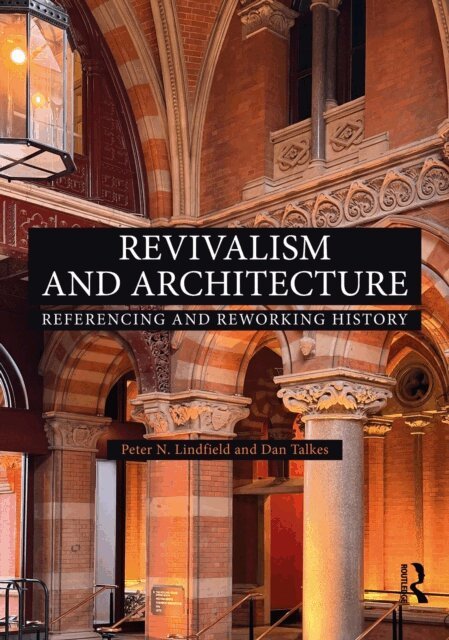
This book is an original and focused academic examination of revivalism in architecture. It looks at how the past has and continues to shape our built environment and visual culture.With contributions by leading scholars and emerging names across the disciplines of architecture, architectural history, history, and design, Revivalism and Architecture explains and challenges our understanding of the past’s impact - at times overt and at others nuanced and covert - upon later generations and geographic regions. There is no defined way to interpret revivalist works, including terminology (‘revival’, ‘modern’, and ‘neo-’), and there is an easy tendency to consider revivalist works as derivative pastiche. This volume questions some lingering prejudice against certain revived styles such as the Victorian Tudor revival, and it evaluates revivalist works according to their own time and merit rather than against their sources. By doing so, this book offers new light on the various, sometimes complicated ways in which the past has impacted, and continues to impact later periods. Contributors examine overt revivalism, the dissemination of revivalist forms, ideas, and styles, and covert revivalism, here termed ‘academic revivalism’. They address how ‘the other’ was revived, as well as the significance of surface pattern to revivalism, and the socio-economic, political, and artistic forces driving, inspiring, and governing revivalist practices.The essays within Revivalism offer innovative research-based studies across architecture and applied design. They underline and enhance the awareness of revivalism’s broader context and utility, and thereby drive scholarship forwards in the ways in which revivalism is conceived and written about. The book also makes an innovative and lasting contribution to the field by underlining the relevance of studying the past to inform today’s students in art, architecture, and design schools.