Peter R. Day – författare
Visar alla böcker från författaren Peter R. Day. Handla med fri frakt och snabb leverans.
11 produkter
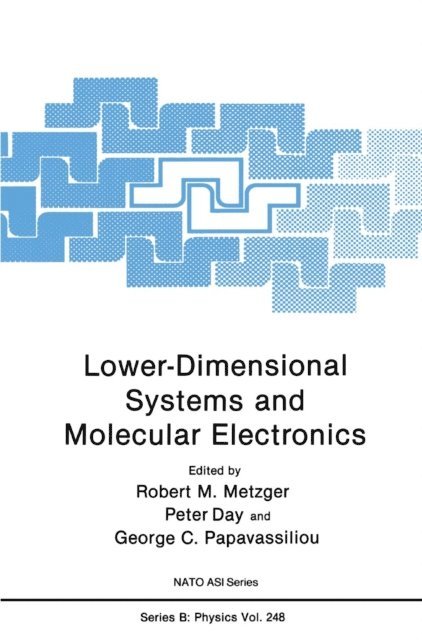
Lower-Dimensional Systems and Molecular Electronics
Av Robert M. Metzger, Peter R. Day m. fl.
Inbunden, 1991
2185 kr
Lägg i varukorg
This volume represents the written account of the NATO Advanced Study Institute "Lower-Dimensional Systems and Molecular Electronics" held at Hotel Spetses, Spetses Island, Greece from 12 June to 23 June 1989. The goal of the Institute was to demonstrate the breadth of chemical and physical …
Sociology in Social Work Practice
Av Peter R. Day
Häftad, 1987
501 kr
Lägg i varukorg
All social work activity is influenced by the society in which it takes place. It is therefore inescapable that understanding sociology should help social workers to make a more effective contribution to people's welfare. The different perspectives which constitute sociology are examined and the …
Sociology in Social Work Practice
Av Peter R. Day
E-bok, 1987
546 kr
Lägg i varukorg
All social work activity is influenced by the society in which it takes place. It is therefore inescapable that understanding sociology should help social workers to make a more effective contribution to people''s welfare. The different perspectives which constitute sociology are examined and the …
Communication in Social Work
The Commonwealth and International Library: Social Work Division
Av Peter R. Day
E-bok, 2014
367 kr
Lägg i varukorg
Communication in Social Work focuses on the role of communication in social work. This book discusses aspects of communication in the helping process and illustrates where information and advice on their own would not have been helpful to the client. Comprised of seven chapters, this book begins …
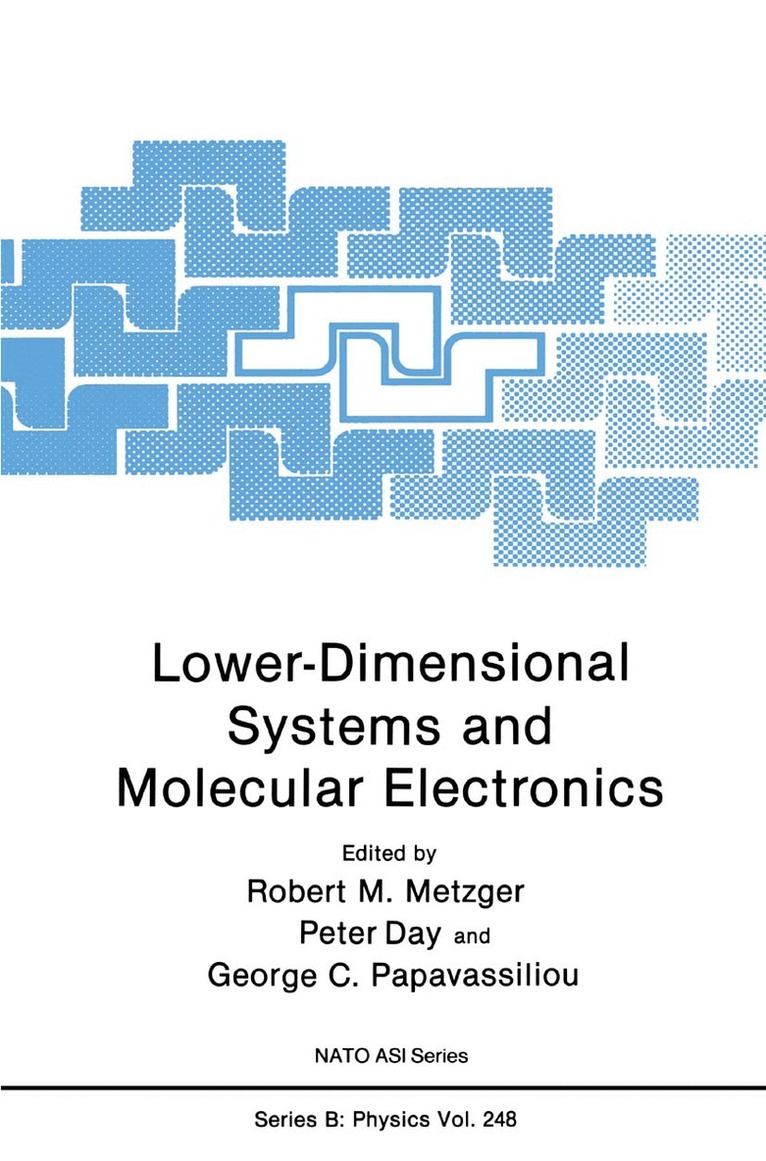
Lower-Dimensional Systems and Molecular Electronics
Av George C. Papavassiliou, Peter R. Day m. fl.
E-bok, 2013
2925 kr
Lägg i varukorg
This volume represents the written account of the NATO Advanced Study Institute "Lower-Dimensional Systems and Molecular Electronics" held at Hotel Spetses, Spetses Island, Greece from 12 June to 23 June 1989. The goal of the Institute was to demonstrate the breadth of chemical and physical …
Lower-Dimensional Systems and Molecular Electronics
Av Robert M. Metzger, Peter R. Day m. fl.
Häftad, 2013
2185 kr
Lägg i varukorg
This volume represents the written account of the NATO Advanced Study Institute "Lower-Dimensional Systems and Molecular Electronics" held at Hotel Spetses, Spetses Island, Greece from 12 June to 23 June 1989. The goal of the Institute was to demonstrate the breadth of chemical and physical …
Perspectives on Later Life
The Application of Research and Theory in Social Care
Av Peter R. Day
Inbunden, 1993
1409 kr
Lägg i varukorg
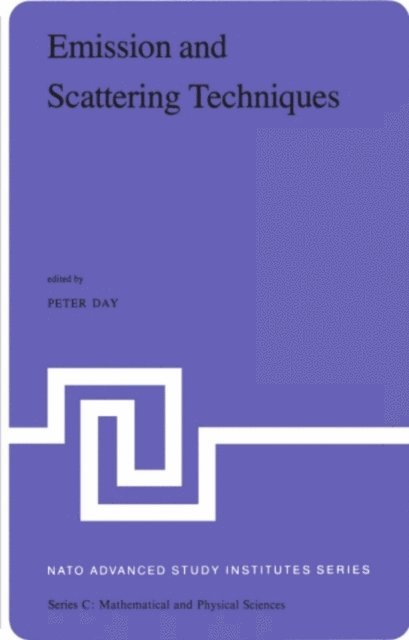
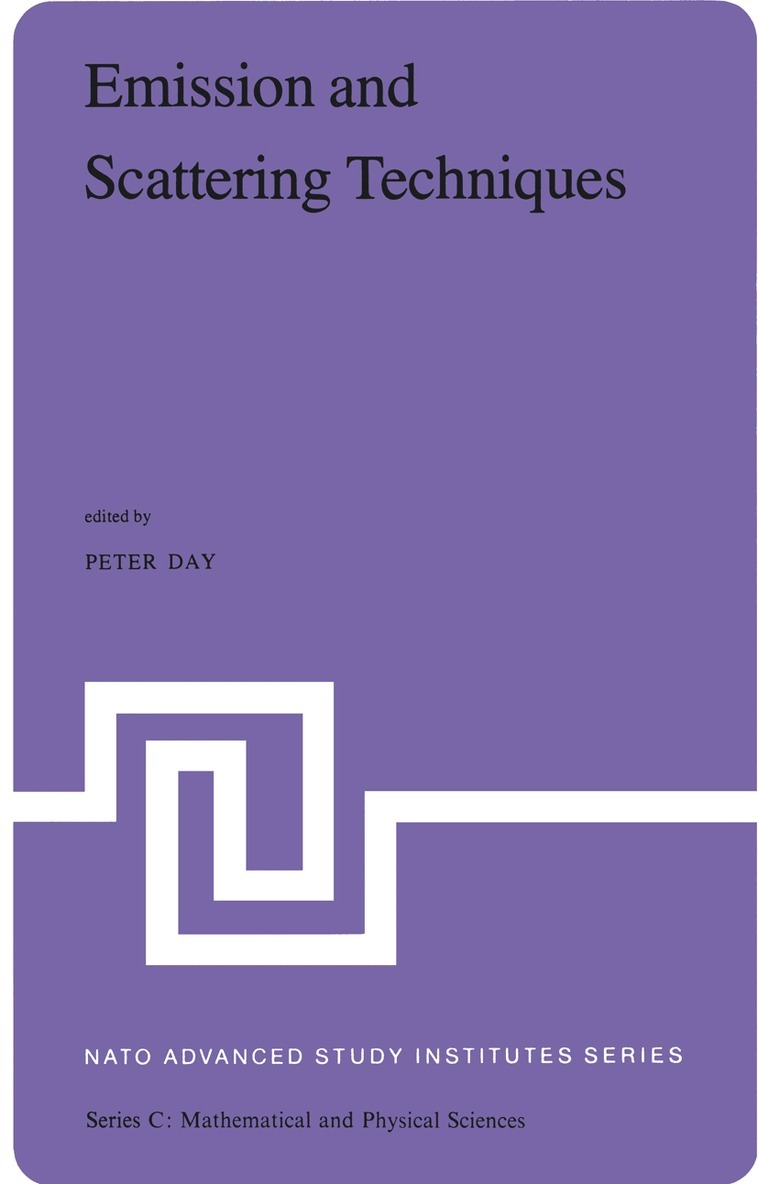
Emission and Scattering Techniques
Studies of Inorganic Molecules, Solids, and Surfaces
Av Peter R. Day
E-bok, 2012
734 kr
Lägg i varukorg
Centrally important to the progress of inorganic chemistry is the application of new physical techniques for determining crystal and molecular structures. Electronic structure, too, can now be explored by a large variety of spectros copic techniques, most of them of quite recent origin. Realizing …
Emission and Scattering Techniques
Studies of Inorganic Molecules, Solids, and Surfaces
Av Peter R. Day
Häftad, 2011
552 kr
Lägg i varukorg
Centrally important to the progress of inorganic chemistry is the application of new physical techniques for determining crystal and molecular structures. Electronic structure, too, can now be explored by a large variety of spectros copic techniques, most of them of quite recent origin. Realizing …
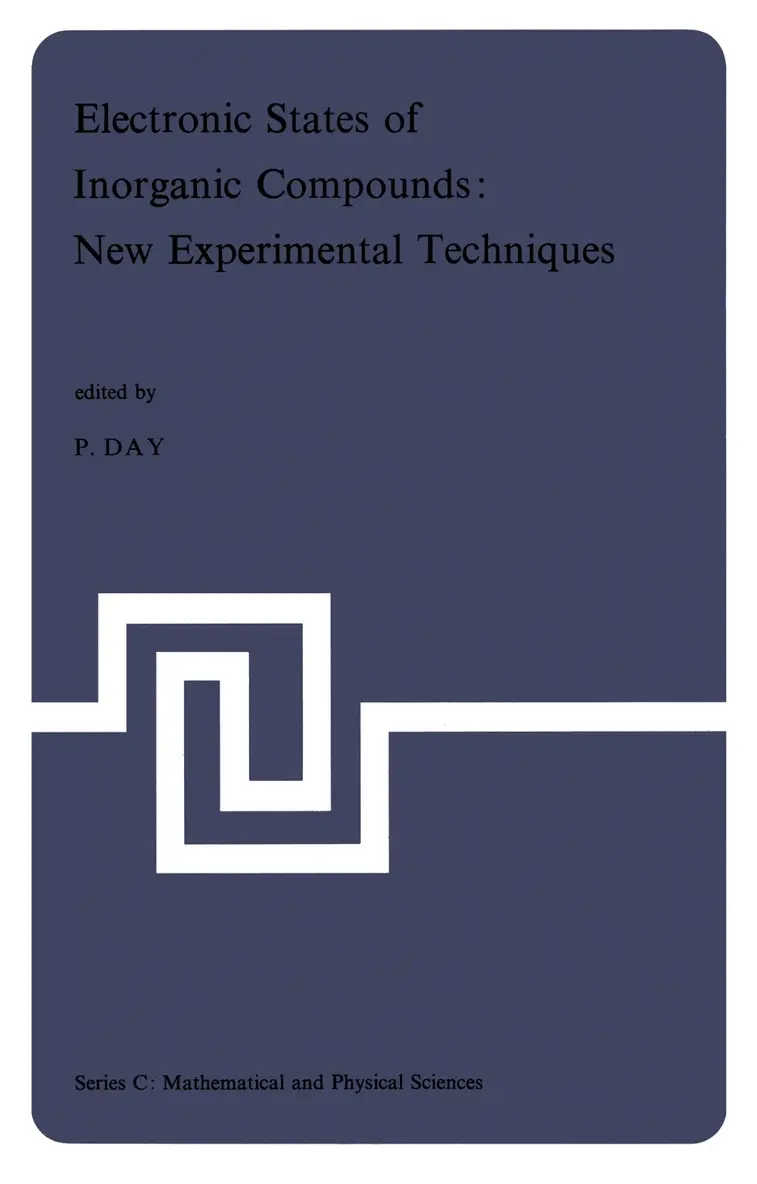
Electronic States of Inorganic Compounds: New Experimental Techniques
Lectures Presented at the NATO Advanced Study Institute held at the Inorganic Chemistry Laboratory and St. John’s College, Oxford, 8–18 September 1974
Av Peter R. Day
E-bok, 2012
710 kr
Lägg i varukorg
In the last few years a surprisingly large number of new experimental techniques have been devised to probe, often with great subtlety, into the electronic structures of inorganic substances. Thus in favourable cases one now has the opportunity of locating and assigning electronically excited …
Electronic States of Inorganic Compounds: New Experimental Techniques
Lectures Presented at the NATO Advanced Study Institute held at the Inorganic Chemistry Laboratory and St. John’s College, Oxford, 8–18 September 1974
Av Peter R. Day
Häftad, 2011
552 kr
Lägg i varukorg
In the last few years a surprisingly large number of new experimental techniques have been devised to probe, often with great subtlety, into the electronic structures of inorganic substances. Thus in favourable cases one now has the opportunity of locating and assigning electronically excited …