Petr Bob – författare
1 116 kr
Skickas inom 10-15 vardagar
1 459 kr
Läs direkt efter köp
1 116 kr
Skickas inom 10-15 vardagar
546 kr
Skickas inom 10-15 vardagar
712 kr
Läs direkt efter köp
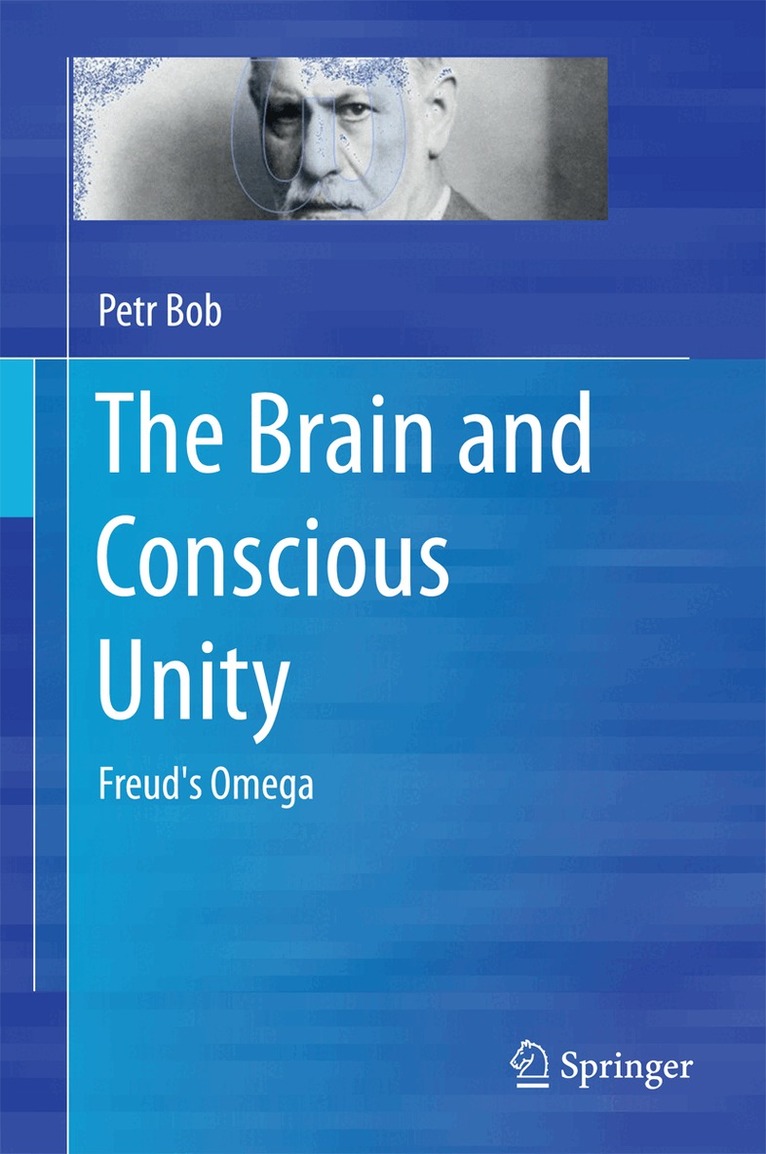
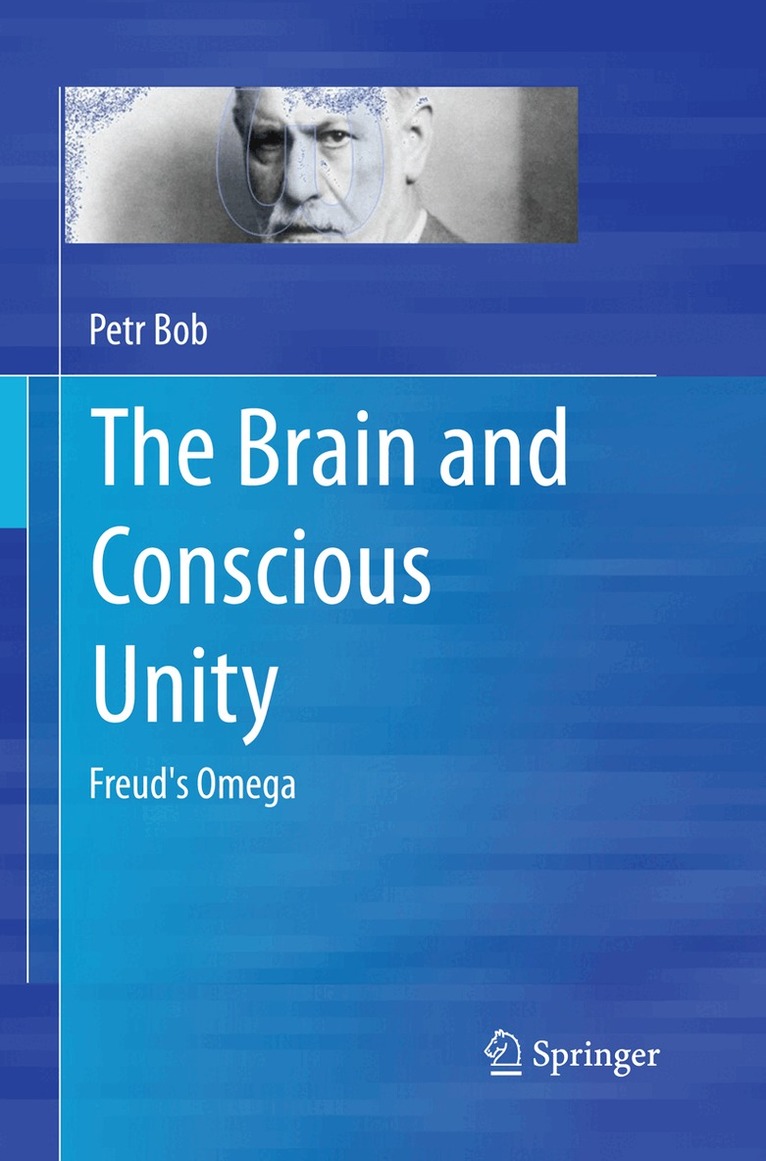
In this provocative text, a noted neuroscientist reexamines Freud''s posthumously published Project of Scientific Psychology in the light of modern neuroscience. This expanded "thermodynamics of the mind" model includes robust conceptions of the cellular and neural processes that accompany creation of consciousness and memory, their contributions to such conditions as depression, dissociative disorders, and schizophrenia, and implications for practice, from imaging to talk-based therapies to pharmacotherapy. Central to this construct is Freud''s proposal of specific "omega" neurons as the most volatile carriers of consciousness between mind and brain, which is applied to current issues regarding complexity and executive functioning. In addition, the book is extensively referenced, allowing readers to investigate these and related phenomena in greater detail.
Among the topics covered:
Neural reductionism in Freud''s "Project" and neuropsychoanalysis.
Thermodynamics and brain self-organization.Conflicting information and the dissociated mind.The Cartesian model of the mind and the binding problem.Neuroendocrine and immune response to stress.The concept of omega neurons and modern chaos theory.Rigorous, challenging, and occasionally startling, The Brain and Conscious Unity is a milestone in the neuroscience and mind/brain literature to be read and discussed by psychiatrists, psychologists, and neuropsychologists.
546 kr
Skickas inom 10-15 vardagar
Electrophysiology and Psychophysiology in Psychiatry and Psychopharmacology
1 671 kr
Skickas inom 10-15 vardagar
2 110 kr
Läs direkt efter köp
Electrophysiology and Psychophysiology in Psychiatry and Psychopharmacology
1 671 kr
Skickas inom 10-15 vardagar
672 kr
Skickas inom 10-15 vardagar
896 kr
Läs direkt efter köp
This first-of-its-kind volume revisits current findings on ADHD in terms of classic thinking on developmental neuropsychology for a more rounded concept of brain disorganization. Insights from Freud, Janet, John Hughlings Jackson, and other pioneers help identify mechanisms (e.g., the primitive reflexes) that can cause children with ADHD to be prone to cognitive dissociation when exposed to stressful environments. The authors’ model of the developing distracted brain pinpoints effects of stress on cognitive and affective functions, most notably attention and memory, and suggests situations in which stimuli may facilitate integration between brain and mind. This expanded knowledge opens out new educational possibilities for vulnerable students as well as new opportunities for therapeutic breakthroughs for children with ADHD.
Included in the coverage:
· Definition, diagnosis, and epidemiology of Attention Deficit and Hyperactivity Disorder.
· Historical and recent research on ADHD.
· Attentional functions, executive dysfunctions, and stress, implications for ADHD.
· Neural dissolution, dissociation, and stress in ADHD.
· Attention, brain-mind integration and ADHD.
· Implications for education and therapy of ADHD children.
ADHD, Stress, and Development ably synthesizes past and current understanding into a robust framework with implications for real-world practice. It offers practitioners and researchers new perspectives and future directions in neuropsychology, psychiatry, child and school psychology, and pediatrics.