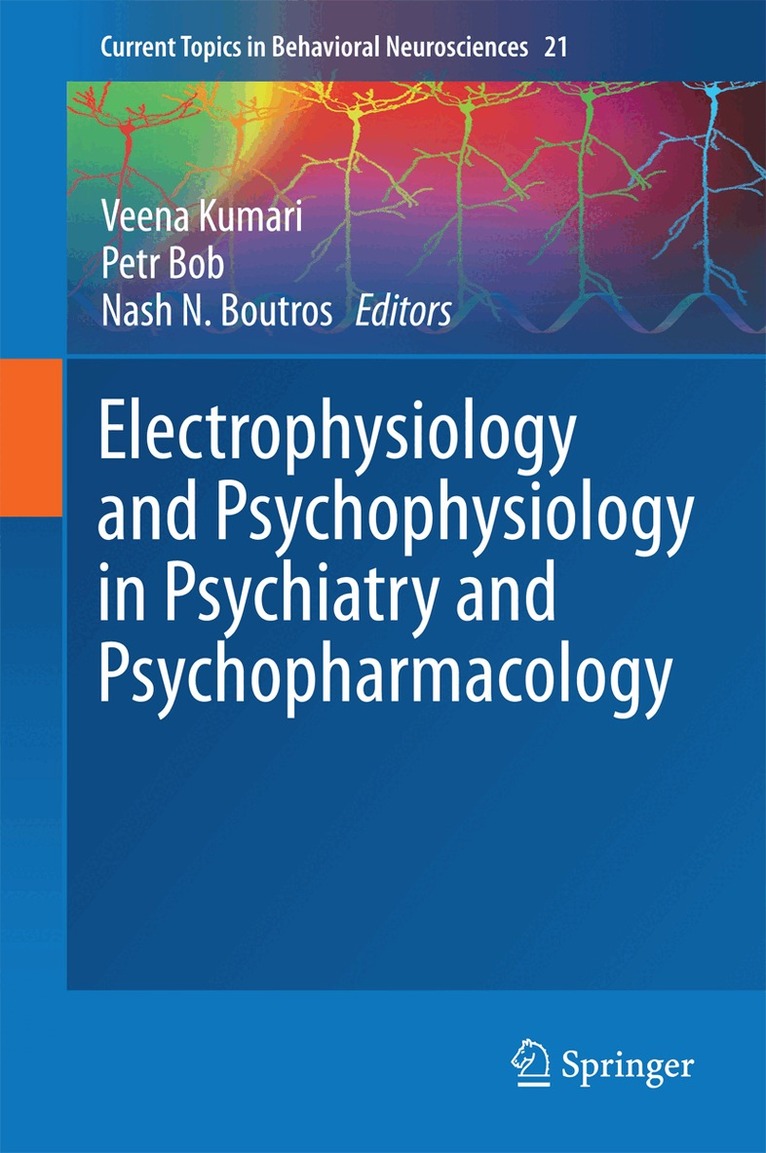
Veena Kumari – författare
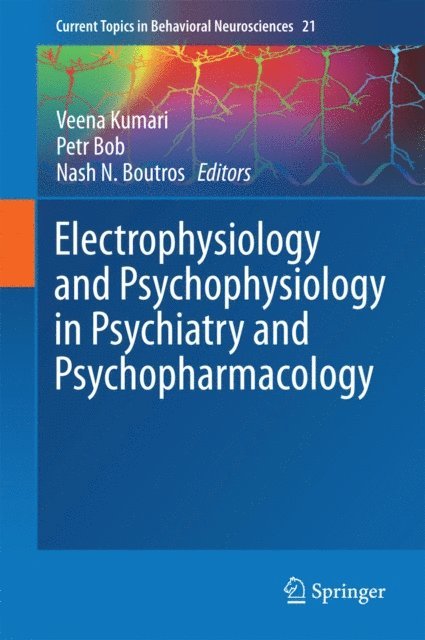
Electrophysiology and Psychophysiology in Psychiatry and Psychopharmacology
1 670 kr
Skickas inom 10-15 vardagar
2 110 kr
Läs direkt efter köp
Electrophysiology and Psychophysiology in Psychiatry and Psychopharmacology
1 670 kr
Skickas inom 10-15 vardagar
1 861 kr
Läs direkt efter köp
Physiology is the science of the function of living systems. This includes how organisms, organ systems, organs, cells, and bio-molecules carry out the chemical or physical functions that exist in a living system. The ABO blood group system is the most important blood type system (or blood group system) in human blood transfusion. The associated anti-A antibodies and anti-B antibodies are usually IgM antibodies, which are usually produced in the first years of life by sensitization to environmental substances such as food, bacteria, and viruses. ABO blood types are also present in some other animals, for example apes such as chimpanzees, bonobos, andgorillas. The gene encodes a monomeric single-pass type I membrane glycoprotein found on erythrocytes, leukocytes, glomerular podocytes, and splenic follicular dendritic cells. The Knops blood group system is a system of antigens located on this protein. The protein mediates cellular binding to particles and immune complexes that have activated complement. The book helps the student in overall self assessment and prompts him to practice and review the gap areas in his learning process.
1 780 kr
Läs direkt efter köp
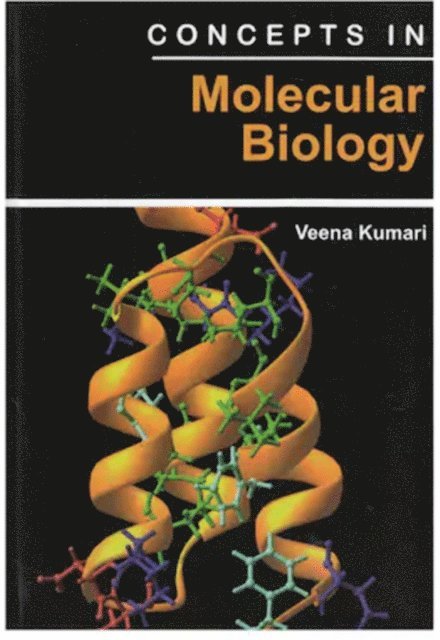
Molecular biology is the study of biology at a molecular level. The field overlaps with other areas of biology and chemistry, particularly genetics and biochemistry. Molecular biology chiefly concerns itself with understanding the interactions between the various systems of a cell, including the interactions between DNA, RNA and protein biosynthesis as well as learning how these interactions are regulated. Researchers in molecular biology use specific techniques native to molecular biology, but increasingly combine these with techniques and ideas from genetics and biochemistry. There is not a defined line between these disciplines. Much of the work in molecular biology is quantitative, and recently much work has been done at the interface of molecular biology and computer science in bioinformatics and computational biology. This book presents the information on some of the basic concept of this subject.
3 708 kr
Läs direkt efter köp
2 166 kr
Läs direkt efter köp
4 652 kr
Läs direkt efter köp
4 583 kr
Läs direkt efter köp
4 450 kr
Läs direkt efter köp
6 378 kr
Läs direkt efter köp
6 378 kr
Läs direkt efter köp
6 533 kr
Läs direkt efter köp
6 770 kr
Läs direkt efter köp
4 450 kr
Läs direkt efter köp
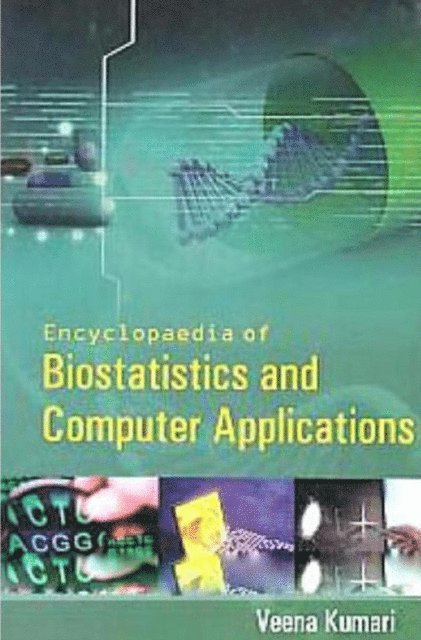
Biochemistry, sometimes abbreviated as “BioChem”, is the study of chemical processes in living organisms. Biochemistry governs all living organisms and living processes. By controlling information flow through biochemical signalling and the flow of chemical energy through metabolism; biochemical processes give rise to the seemingly magical phenomenon of life. Much of biochemistry deals with the structures and functions of cellular components such as proteins, carbohydrates, lipids, nucleic acids and other biomolecules although increasingly processes rather than individual molecules are the main focus. Over the last 40 years biochemistry has become so successful at explaining living processes that now almost all areas of the life sciences from botany to medicine are engaged in biochemical research. Today the main focus of pure biochemistry is in understanding how biological molecules give rise to the processes that occur within living cells which in turn relates greatly to the study and understanding of whole organisms. Since the late 1950s and early 1960s, molecular biologists have learned to characterize, isolate, and manipulate the molecular components of cells and organisms. These components include DNA, the repository of genetic information; RNA, a close relative of DNA whose functions range from serving as a temporary working copy of DNA to actual structural and enzymatic functions as well as a functional and structural part of the translational apparatus; and proteins, the major structural and enzymatic type of molecule in cells. One of the most basic techniques of molecular biology to study protein function is expression cloning. In this technique, DNA coding for a protein of interest is cloned into a plasmid. It is expected that the encyclopaedia will provide a fund of rich experiences to the students and teachers.
4 332 kr
Läs direkt efter köp
Biochemistry, sometimes abbreviated as “BioChem”, is the study of chemical processes in living organisms. Biochemistry governs all living organisms and living processes. By controlling information flow through biochemical signalling and the flow of chemical energy through metabolism; biochemical processes give rise to the seemingly magical phenomenon of life. Much of biochemistry deals with the structures and functions of cellular components such as proteins, carbohydrates, lipids, nucleic acids and other biomolecules although increasingly processes rather than individual molecules are the main focus. Over the last 40 years biochemistry has become so successful at explaining living processes that now almost all areas of the life sciences from botany to medicine are engaged in biochemical research. Today the main focus of pure biochemistry is in understanding how biological molecules give rise to the processes that occur within living cells which in turn relates greatly to the study and understanding of whole organisms. Since the late 1950s and early 1960s, molecular biologists have learned to characterize, isolate, and manipulate the molecular components of cells and organisms. These components include DNA, the repository of genetic information; RNA, a close relative of DNA whose functions range from serving as a temporary working copy of DNA to actual structural and enzymatic functions as well as a functional and structural part of the translational apparatus; and proteins, the major structural and enzymatic type of molecule in cells. One of the most basic techniques of molecular biology to study protein function is expression cloning. In this technique, DNA coding for a protein of interest is cloned into a plasmid. It is expected that the encyclopaedia will provide a fund of rich experiences to the students and teachers.