Philip Ford – författare
Visar alla böcker från författaren Philip Ford. Handla med fri frakt och snabb leverans.
4 produkter
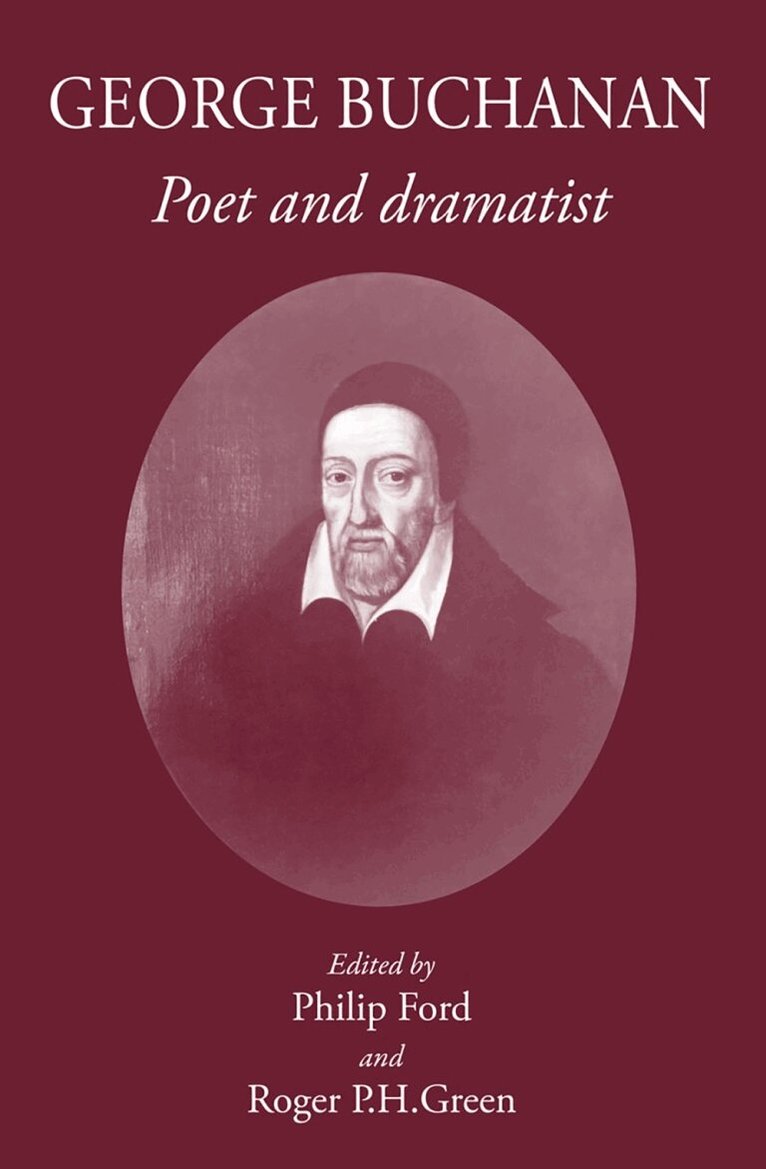
George Buchanan
Poet and Dramatist
Av Philip Ford, Roger P.H. Green
Inbunden, 2009
1218 kr
Lägg i varukorg
Educated in Scotland and France, George Buchanan became one of the most influential writers of 16th century Europe. Writing in the lingua franca of his time - Classical Latin - he was to be hailed internationally as `easily the prince of poets'. Here fifteen scholars, from many countries, analyse …
George Buchanan
Poet and Dramatist
Av Roger P. H. Green, Philip Ford
E-bok, 2009
1781 kr
Lägg i varukorg
Educated in Scotland and France, George Buchanan became one of the most influential writers of 16th century Europe. Writing in the lingua franca of his time - Classical Latin - he was to be hailed internationally as ''easily the prince of poets''. Here fifteen scholars, from many countries, analyse …
Judgment of Palaemon
The Contest between Neo-Latin and Vernacular Poetry in Renaissance France
Av Philip Ford
Inbunden, 2013
2545 kr
Lägg i varukorg
In Virgil's third Eclogue, Palaemon concludes the poetry competition between Menalcas and Damoetas by saying that he cannot choose between them, a judgment that is emblematic of the contest between Neo-Latin and vernacular poetry in Renaissance France. Both forms of poetry draw on similar roots, …
Early Modern Cultures of Neo-Latin Drama
Häftad, 2013
664 kr
Tillfälligt slut
The vitality and power of expression of Neo-Latin DramaThe essays in this collection all illustrate the vitality of Neo-Latin drama in early modern Europe, arising from its productive combination of classical models with deep-rooted vernacular traditions. While the plays were often composed in the …