Philip Ollerenshaw – författare
Visar alla böcker från författaren Philip Ollerenshaw. Handla med fri frakt och snabb leverans.
4 produkter
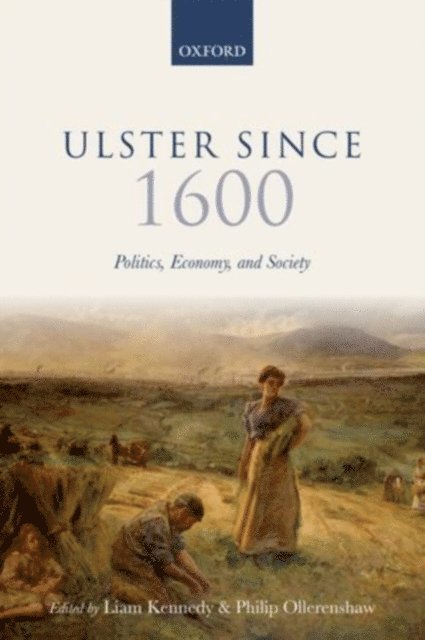
Ulster Since 1600
Politics, Economy, and Society
Av Philip Ollerenshaw, Liam Kennedy
E-bok, 2012
954 kr
Lägg i varukorg
Ulster Since 1600 surveys the history of the province from plantation to partition, and onwards from the formation of the Northern Ireland state to the ''Troubles'' of recent decades. It synthesises existing historical knowledge and also brings new insights to bear on the political, social, and …
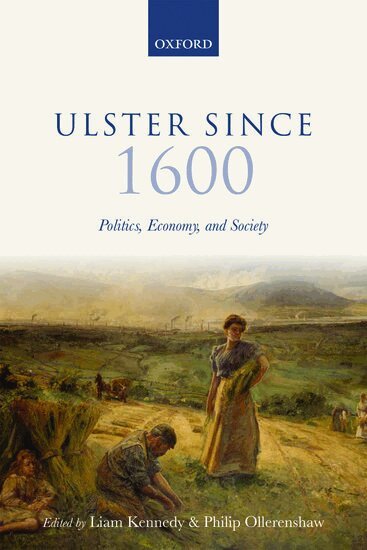
Ulster Since 1600
Politics, Economy, and Society
Av Liam Kennedy, Philip Ollerenshaw
Inbunden, 2012
1500 kr
Lägg i varukorg
Ulster Since 1600 surveys the history of the province from plantation to partition, and onwards from the formation of the Northern Ireland state to the 'Troubles' of recent decades. It synthesises existing historical knowledge and also brings new insights to bear on the political, social, and …
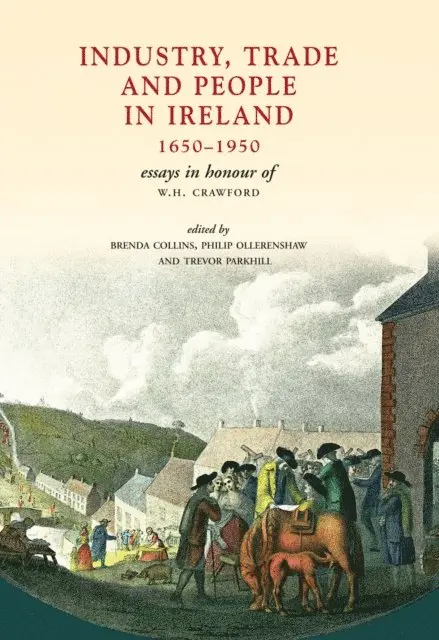
Industry, Trade and People in Ireland, 1650-1950
Essays in honour of W.H. Crawford
Av Trevor Parkhill, Philip Ollerenshaw m. fl.
E-bok, 2012
118 kr
Lägg i varukorg
Bill Crawford (W.H. Crawford) had played a key role in the development of Irish economic, social and regional history for over forty years. The essays in Industry, Trade and People in Ireland, 1650-1950 are testimony to his many spheres of influence - as teacher, archivist, curator, researcher and …
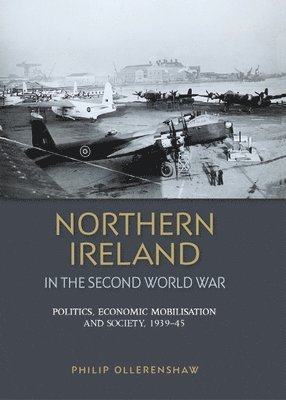
Northern Ireland in the Second World War
Politics, Economic Mobilisation and Society, 1939–45
Inbunden, 2013
1156 kr
Tillfälligt slut
This original and distinctive book surveys the political, economic and social history of Northern Ireland in the Second World War. Since its creation in 1920, Northern Ireland has been a deeply divided society and the book explores these divisions before and during the war. It examines rearmament, …