Philip Resnick – författare
Visar alla böcker från författaren Philip Resnick. Handla med fri frakt och snabb leverans.
12 produkter
12 produkter
E-bok
PDF, Engelska, 1997348 kr
Läs direkt efter köp
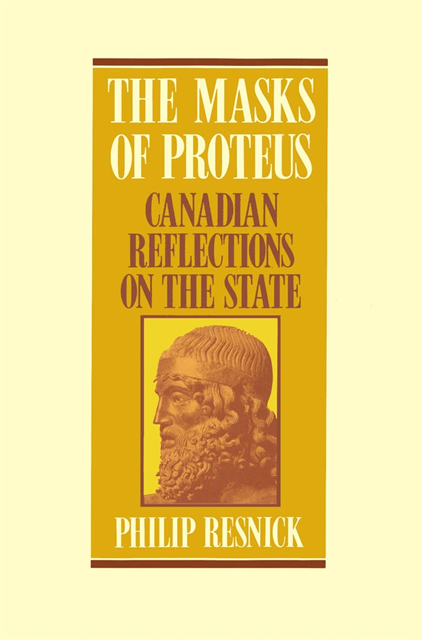
In this collection of twelve essays Philip Resnick provides a comparative perspective on the modern state, arguing that the power of the state, like the mythological god Proteus, takes many different forms and cannot be revealed by any single discipline. He delves into political theory, political economy, and political sociology, as well as examining a number of isms important to any treatment of the modern state.
E-bok
PDF, Engelska, 19901 005 kr
Läs direkt efter köp
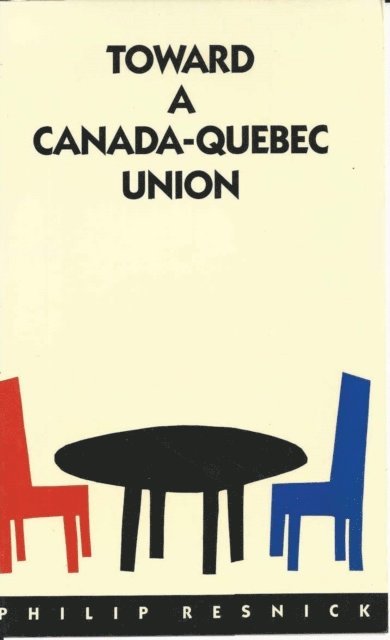
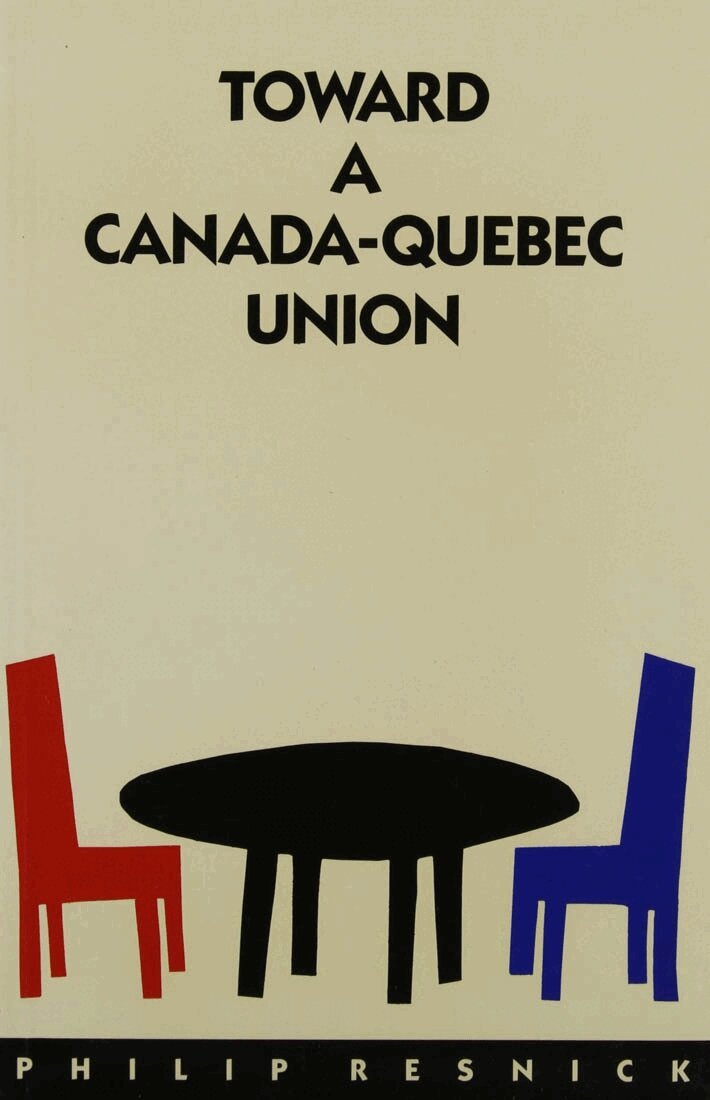
Resnick, a leading Canadian nationalist, argues that English-Canadian attitudes toward Quebec have changed fundamentally since the November 1988 election. Quebec has become too selfish, he says, and English Canada feels betrayed by Quebec''s refusal either to recognize or take seriously the desires of the rest of the country. He suggests that Quebec reconsider the social values it once supported, values which are in opposition to the market-oriented Canada-US Free Trade Agreement. Resnick argues that this agreement will only weaken the Canadian state, as would the Meech Lake Accord. Canada''s move toward the right, politically and economically, is, for Resnick, exacerbated by Quebec''s stubborn self-interest. He argues that the consequences of moving to the right, such as we have seen in the US and Great Britain, should concern both English Canada and Quebec; only by working together can Canada as a whole begin "to formulate more humane and compelling alternatives for the coming decade." Daniel Latouche makes it quite clear in his reply that the Québécois are tired of having to justify themselves, their distinctiveness, and their support of Free Trade. While English-Canadians may think they have been betrayed by Quebec, he says, it is only because they have not looked at the issues from a Québécois perspective. When vying for its share of political power, says Latouche, Quebec is only playing by the rules it has learnt from English Canada. And Free Trade, he points out, was an initiative originating in Ontario and the West. Latouche asserts that Quebec''s response to the Supreme Court ruling on Bill 101 was a legitimate use of the Canadian constitution and asks whether it is because it was Quebec that made use of this clause that it was condemned. The Supreme Court ruling, Latouche argues, protected commercial interests "thus accelerating the judicial integration of Canada within the American legal culture." All Quebec did was make use of an escape clause to protect itself. Resnick suggests that since the Quiet Revolution there has been an increased responsiveness on the part of English Canadians to Quebec and its demands. But Latouche has no time for this argument: "Do you mean that every time we manage to have a share of what all Canadians are entitled to, these are mere bones you are throwing to us. My friend, we are not dogs eating at the table because of your generosity. We are citizens and tax-payers." Letters to a Québécois Friend will not put an end to the debates. By bringing into the open the feelings of two leading nationalists - whose "nations" are not the same - this dialogue will ensure that the debates continue with increased fervour.
E-bok
PDF, Engelska, 1997975 kr
Läs direkt efter köp
Topics in this collection of essays range from a utopian-style foray into possible structures for democratic governance at the global level to a Hobbesian analysis of the ongoing challenges that democratic theory faces; from an assertion of the importance of social and economic equality to a recognition of the limits of solidarity in the real world of pluralistic and divided societies in which we live; from identification with the cosmopolitan and the international to a defence of the national and the local; from a predilection for direct democracy and the lost community of republican theory, past and present, to a recognition of the fairly circumscribed ways in which these can ultimately be expressed in our day. In spite of the challenges facing global democracy, Resnick looks to the next millennium with renewed hope for the democratic project.
E-bok
PDF, Engelska, 1991623 kr
Läs direkt efter köp
Inbunden, Engelska, 2004
1 157 kr
Skickas inom 5-8 vardagar
Insiders and Outsiders celebrates the work of Alan Cairns, one of the most influential Canadian social scientists of the contemporary period. Few scholars have helped shape so many key debates in such a wide range of topics in Canadian politics, from the electoral system and federalism, to constitutional and Charter politics, to questions of Aboriginal citizenship.This volume contains engaging and critical analyses of Cairns' contributions by a diverse group of scholars -- political scientists, legal scholars, historians, and policymakers, many of them leaders in their own fields. It includes assessments of his role as a public intellectual, his interpretation of Canada's electoral system, his views on federalism and on Canadian unity, his approach to Aboriginal/non-Aboriginal relations, and his writings on citizenship and diversity. The book will be of particular interest to students and scholars of Canadian politics, history, and society, especially those examining ssues such as the Charter of Rights, Aboriginal politics, federalism, multiculturalism, political institutions, and political change. It should also be of interest to a larger public that follows the Canadian political scene, and that shares Cairns' concerns with broad questions of citizenship, diversity, and national unity.
Häftad, Engelska, 2005
620 kr
Skickas inom 3-6 vardagar
Insiders and Outsiders celebrates the work of Alan Cairns, one of the most influential Canadian social scientists of the contemporary period. Few scholars have helped shape so many key debates in such a wide range of topics in Canadian politics, from the electoral system and federalism, to constitutional and Charter politics, to questions of Aboriginal citizenship.This volume contains engaging and critical analyses of Cairns' contributions by a diverse group of scholars -- political scientists, legal scholars, historians, and policymakers, many of them leaders in their own fields. It includes assessments of his role as a public intellectual, his interpretation of Canada's electoral system, his views on federalism and on Canadian unity, his approach to Aboriginal/non-Aboriginal relations, and his writings on citizenship and diversity. The book will be of particular interest to students and scholars of Canadian politics, history, and society, especially those examining ssues such as the Charter of Rights, Aboriginal politics, federalism, multiculturalism, political institutions, and political change. It should also be of interest to a larger public that follows the Canadian political scene, and that shares Cairns' concerns with broad questions of citizenship, diversity, and national unity.
E-bok
PDF, Engelska, 2013315 kr
Läs direkt efter köp
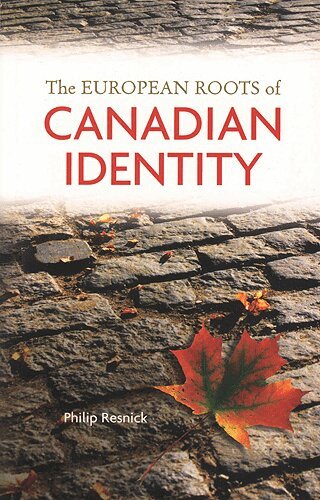
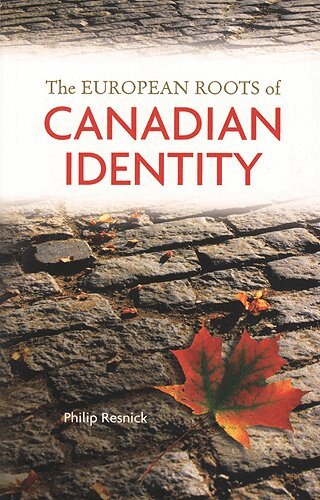
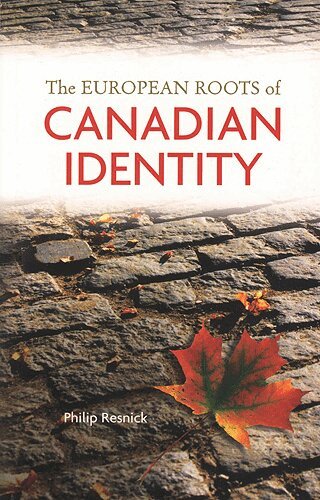
What makes Canada a different kind of society from the United States? In this book-length essay, Philip Resnick argues that, in more ways than one, Canada has been profoundly marked by its European origins. This is most apparent where the European historical underpinnings both of English-speaking and French-speaking Canada are concerned, but it is no less true when one examines Canada's multiple national identities, robust social programs, increasingly secular values and multilateral outlook on international affairs today. As the war in Iraq brought home, and the 2004 federal election reinforced, Canada is a more European-type society than is our neighbour to the south. This does not come without its own complexities or problems. On the contrary, there are significant parallels between the ambiguous versions of national identity that one finds in Canada and what one finds on the European continent. There are parallels, too, between the elements of self-doubt that characterize Canadians overall when they think about their country and those of Europeans caught up in their own, often fractious, attempts to forge a more integrated Europe. The author argues that Canada needs Europe as an effective counter-weight to the influence of the United States. He further argues that, at a deeper existential level, Canadians need relevant European references to better understand what makes them the kind of North Americans that they are.
Häftad, Engelska, 2012
308 kr
Skickas inom 5-8 vardagar
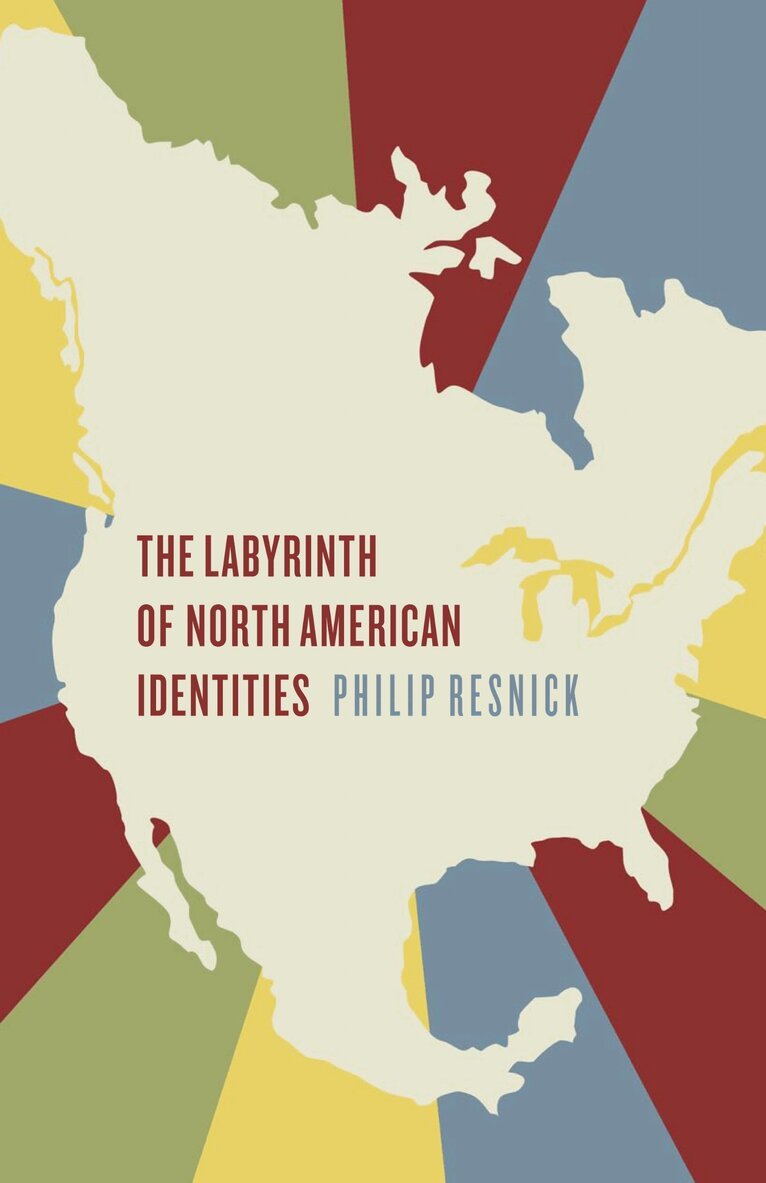
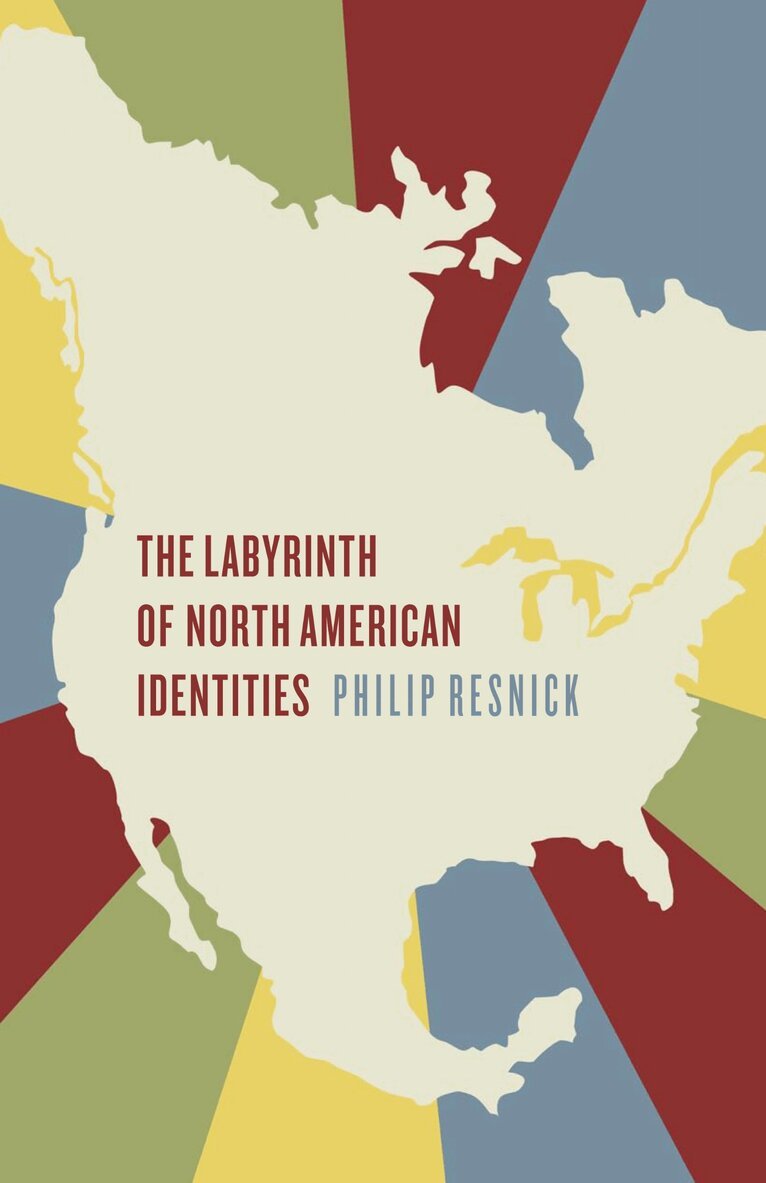
What exactly does it mean to be North American? Europeans have been engaged in a long-running debate about the meaning and nature of Europe. The Labyrinth of North American Identities generates a similar discussion in the context of North America: what do we learn about North America as a unit and its individual countries when we explore the idea of a shared North American identity? Combining cultural, anthropological, historical, political, economic, and religious considerations, Philip Resnick acknowledges the relative differences in power and influence of the United States and its North American neighbours but digs deeper to uncover shared characteristics that constitute a labyrinth of North American identities unrestricted by national boundaries.To date, discussions of North America have largely revolved around the often technical implications of the North American Free Trade Agreement (NAFTA) or US homeland security. What has been lacking, by contrast, is a culturally-driven set of reflections. This book examines the legacy of indigenous cultures; the role of organized religion; pathways to independence; the role of imperial languages; manifest destiny; market capitalism and its limitations; democratic practices and failures; diverging uses of the state; new world utopias and dystopias; regional identities; and civilizational perspectives. What results is a vision of North America that defies any top-down attempt to impose a homogeneous "North Americanness."
E-bok
PDF, Engelska, 2012321 kr
Läs direkt efter köp
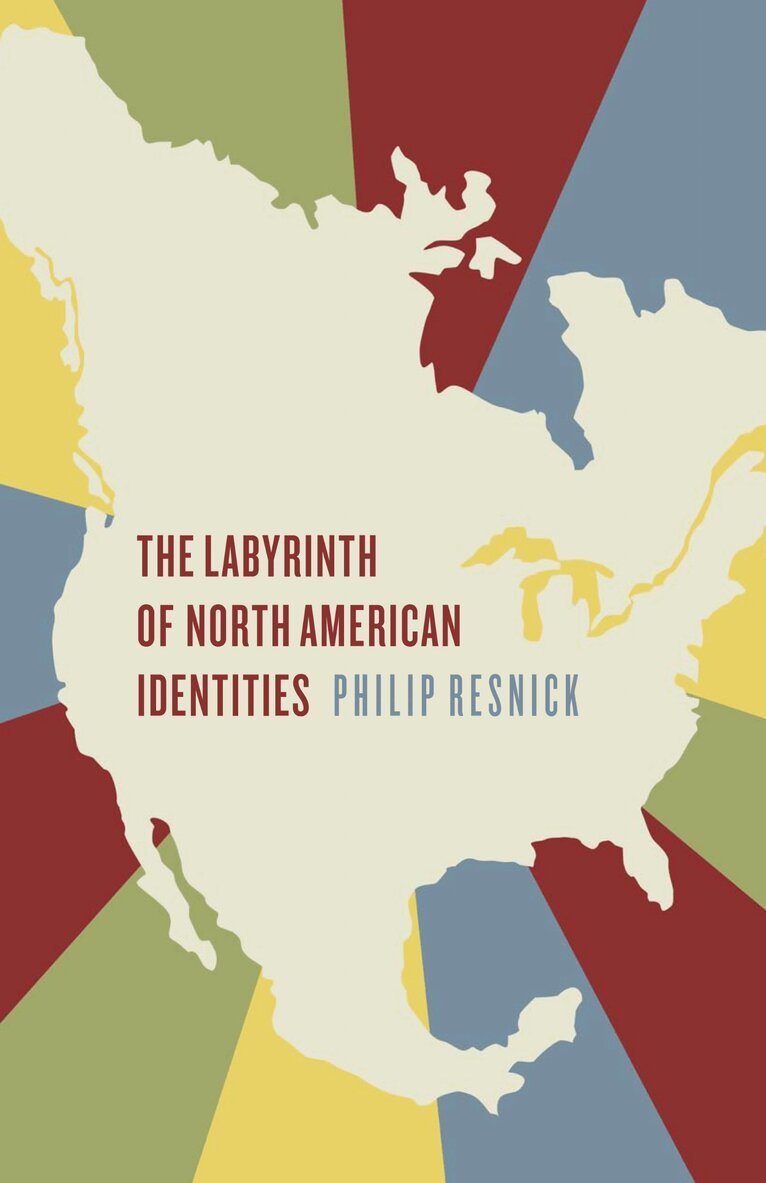
What exactly does it mean to be North American? Europeans have been engaged in a long-running debate about the meaning and nature of Europe. The Labyrinth of North American Identities generates a similar discussion in the context of North America: what do we learn about North America as a unit and its individual countries when we explore the idea of a shared North American identity? Combining cultural, anthropological, historical, political, economic, and religious considerations, Philip Resnick acknowledges the relative differences in power and influence of the United States and its North American neighbours but digs deeper to uncover shared characteristics that constitute a labyrinth of North American identities unrestricted by national boundaries.To date, discussions of North America have largely revolved around the often technical implications of the North American Free Trade Agreement (NAFTA) or US homeland security. What has been lacking, by contrast, is a culturally-driven set of reflections. This book examines the legacy of indigenous cultures; the role of organized religion; pathways to independence; the role of imperial languages; manifest destiny; market capitalism and its limitations; democratic practices and failures; diverging uses of the state; new world utopias and dystopias; regional identities; and civilizational perspectives. What results is a vision of North America that defies any top-down attempt to impose a homogeneous "North Americanness."
E-bok
Engelska, 2012321 kr
Läs direkt efter köp
What exactly does it mean to be North American? Europeans have been engaged in a long-running debate about the meaning and nature of Europe. The Labyrinth of North American Identities generates a similar discussion in the context of North America: what do we learn about North America as a unit and its individual countries when we explore the idea of a shared North American identity? Combining cultural, anthropological, historical, political, economic, and religious considerations, Philip Resnick acknowledges the relative differences in power and influence of the United States and its North American neighbours but digs deeper to uncover shared characteristics that constitute a labyrinth of North American identities unrestricted by national boundaries.To date, discussions of North America have largely revolved around the often technical implications of the North American Free Trade Agreement (NAFTA) or US homeland security. What has been lacking, by contrast, is a culturally-driven set of reflections. This book examines the legacy of indigenous cultures; the role of organized religion; pathways to independence; the role of imperial languages; manifest destiny; market capitalism and its limitations; democratic practices and failures; diverging uses of the state; new world utopias and dystopias; regional identities; and civilizational perspectives. What results is a vision of North America that defies any top-down attempt to impose a homogeneous "North Americanness."
E-bok
Engelska, 2005318 kr
Läs direkt efter köp
What makes Canada a different kind of society from the United States? In this book-length essay, Philip Resnick argues that, in more ways than one, Canada has been profoundly marked by its European origins. This is most apparent where the European historical underpinnings both of English-speaking and French-speaking Canada are concerned, but it is no less true when one examines Canada's multiple national identities, robust social programs, increasingly secular values and multilateral outlook on international affairs today. As the war in Iraq brought home, and the 2004 federal election reinforced, Canada is a more European-type society than is our neighbour to the south. This does not come without its own complexities or problems. On the contrary, there are significant parallels between the ambiguous versions of national identity that one finds in Canada and what one finds on the European continent. There are parallels, too, between the elements of self-doubt that characterize Canadians overall when they think about their country and those of Europeans caught up in their own, often fractious, attempts to forge a more integrated Europe. The author argues that Canada needs Europe as an effective counter-weight to the influence of the United States. He further argues that, at a deeper existential level, Canadians need relevant European references to better understand what makes them the kind of North Americans that they are.
Häftad, Engelska, 2005
261 kr
Skickas inom 5-8 vardagar