Philippa Gates - Böcker
Visar alla böcker från författaren Philippa Gates. Handla med fri frakt och snabb leverans.
10 produkter
10 produkter
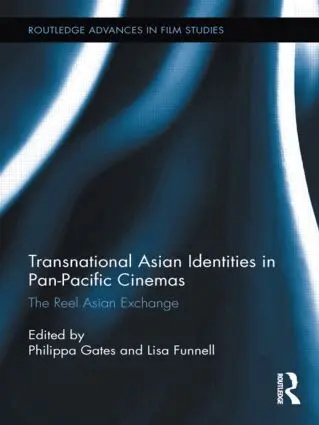
Transnational Asian Identities in Pan-Pacific Cinemas
The Reel Asian Exchange
Inbunden, Engelska, 2011
2 170 kr
Skickas inom 10-15 vardagar
This collection examines the exchange of Asian identities taking place at the levels of both film production and film reception amongst pan-Pacific cinemas. The authors consider, on the one hand, texts that exhibit what Mette Hjort refers to as, "marked transnationality," and on the other, the polysemic nature of transnational film texts by examining the release and reception of these films. The topics explored in this collection include the innovation of Hollywood generic formulas into 1950's and 1960's Hong Kong and Japanese films; the examination of Thai and Japanese raced and gendered identity in Asian and American films; the reception of Hollywood films in pre-1949 China and millennial Japan; the production and performance of Asian adoptee identity and subjectivity; the political implications and interpretations of migrating Chinese female stars; and the production and reception of pan-Pacific co-productions..
1 057 kr
Tillfälligt slut
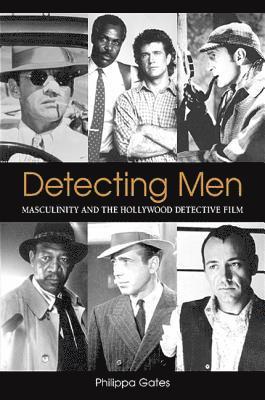
Looks at how detective films have reflected and shaped our ideas about masculinity, heroism, law and order, and national identity.Detecting Men examines the history of the Hollywood detective genre and the ways that detective films have negotiated changing social attitudes toward masculinity, heroism, law enforcement, and justice. Genre film can be a site for the expression and resolution of problematic social issues, but while there have been many studies of such other male genres as war films, gangster films, and Westerns, relatively little attention has been paid to detective films beyond film noir. In this volume, Philippa Gates examines classical films of the thirties and forties as well as recent examples of the genre, including Die Hard, the Lethal Weapon films, The Usual Suspects, Seven, Devil in a Blue Dress, and Murder by Numbers, in order to explore social anxieties about masculinity and crime and Hollywood's conceptions of gender. Up until the early 1990s, Gates argues, the primary focus of the detective genre was the masculinity of the hero. However, from the mid-1990s onward, the genre has shifted to more technical portrayals of crime scene investigation, forensic science, and criminal profiling, offering a reassuring image of law enforcement in the face of violent crime. By investigating the evolution of the detective film, Gates suggests, perhaps we can detect the male.
402 kr
Tillfälligt slut
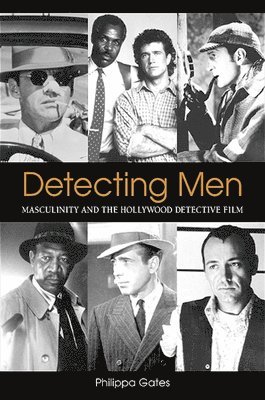
Looks at how detective films have reflected and shaped our ideas about masculinity, heroism, law and order, and national identity.Detecting Men examines the history of the Hollywood detective genre and the ways that detective films have negotiated changing social attitudes toward masculinity, heroism, law enforcement, and justice. Genre film can be a site for the expression and resolution of problematic social issues, but while there have been many studies of such other male genres as war films, gangster films, and Westerns, relatively little attention has been paid to detective films beyond film noir. In this volume, Philippa Gates examines classical films of the thirties and forties as well as recent examples of the genre, including Die Hard, the Lethal Weapon films, The Usual Suspects, Seven, Devil in a Blue Dress, and Murder by Numbers, in order to explore social anxieties about masculinity and crime and Hollywood's conceptions of gender. Up until the early 1990s, Gates argues, the primary focus of the detective genre was the masculinity of the hero. However, from the mid-1990s onward, the genre has shifted to more technical portrayals of crime scene investigation, forensic science, and criminal profiling, offering a reassuring image of law enforcement in the face of violent crime. By investigating the evolution of the detective film, Gates suggests, perhaps we can detect the male.
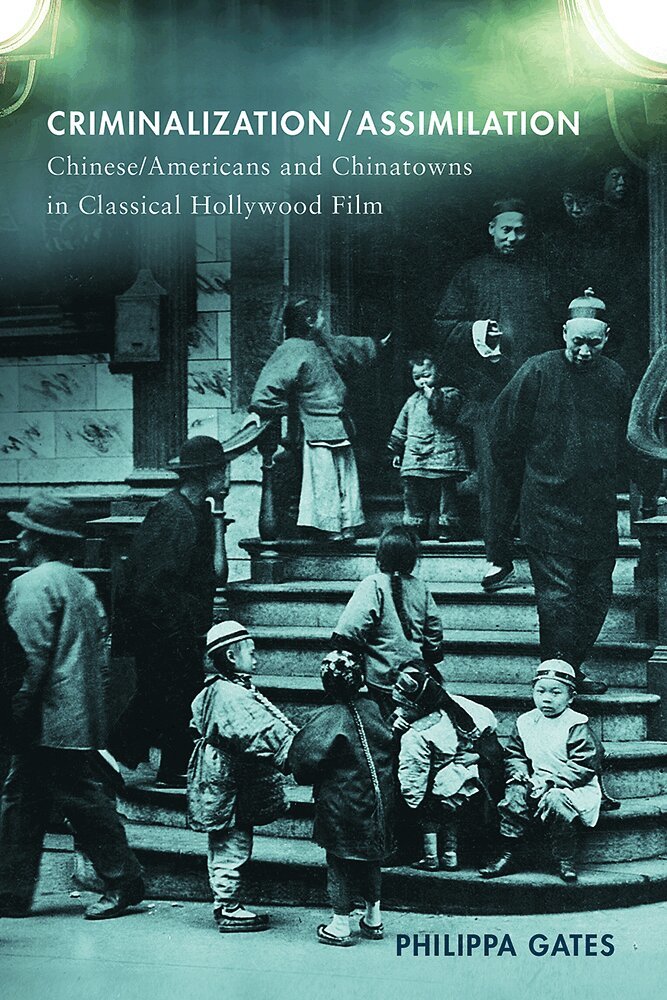
Criminalization/Assimilation
Chinese/Americans and Chinatowns in Classical Hollywood Film
Häftad, Engelska, 2019
431 kr
Skickas inom 7-10 vardagar
Criminalization/Assimilation traces how Classical Hollywood films constructed America's image of Chinese Americans from their criminalization as unwanted immigrants to their eventual acceptance when assimilated citizens, exploiting both America's yellow peril fears about Chinese immigration and its fascination with Chinatowns. Philippa Gates examines Hollywood's responses to social issues in Chinatown communities, primarily immigration, racism, drug trafficking, and prostitution, as well as the impact of industry factors including the Production Code and star system on the treatment of those subjects. Looking at over 200 films, Gates reveals the variety of racial representations within American film in the first half of the twentieth century and brings to light not only lost and forgotten films but also the contributions of Asian American actors whose presence onscreen offered important alternatives to Hollywood's yellowface fabrications of Chinese identity and a resistance to Hollywood's Orientalist narratives.
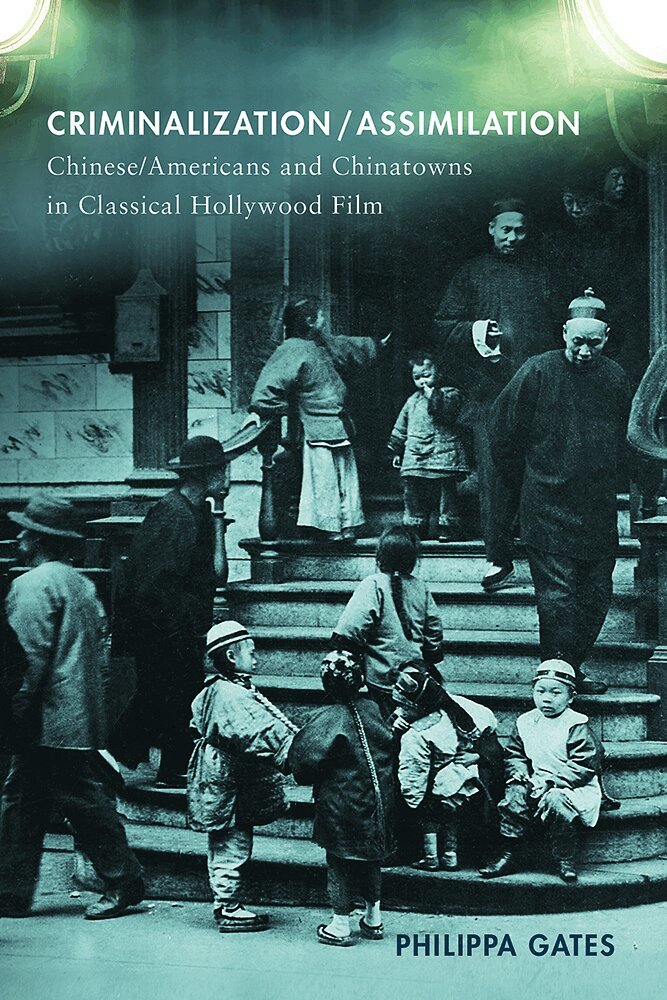
Criminalization/Assimilation
Chinese/Americans and Chinatowns in Classical Hollywood Film
Inbunden, Engelska, 2019
1 581 kr
Skickas inom 7-10 vardagar
Criminalization/Assimilation traces how Classical Hollywood films constructed America's image of Chinese Americans from their criminalization as unwanted immigrants to their eventual acceptance when assimilated citizens, exploiting both America's yellow peril fears about Chinese immigration and its fascination with Chinatowns. Philippa Gates examines Hollywood's responses to social issues in Chinatown communities, primarily immigration, racism, drug trafficking, and prostitution, as well as the impact of industry factors including the Production Code and star system on the treatment of those subjects. Looking at over 200 films, Gates reveals the variety of racial representations within American film in the first half of the twentieth century and brings to light not only lost and forgotten films but also the contributions of Asian American actors whose presence onscreen offered important alternatives to Hollywood's yellowface fabrications of Chinese identity and a resistance to Hollywood's Orientalist narratives.
407 kr
Skickas inom 10-15 vardagar
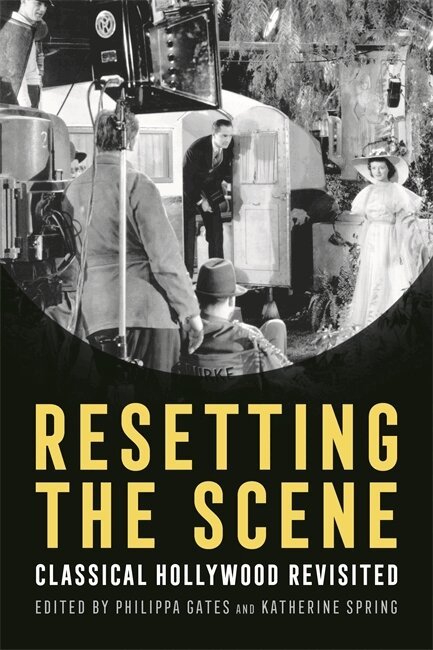
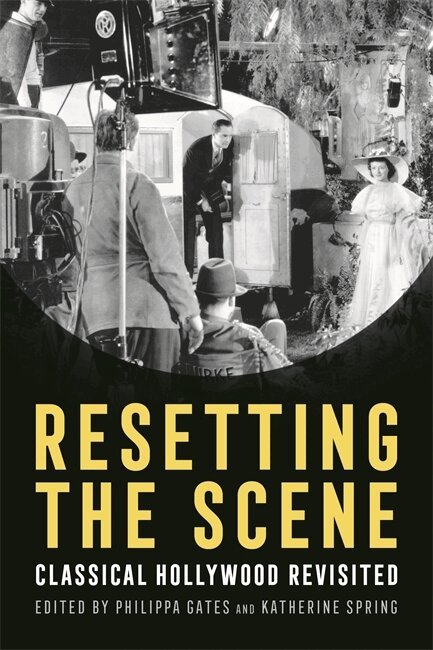
More than a century after its emergence, classical Hollywood cinema remains popular today with cinephiles and scholars alike. Resetting the Scene: Classical Hollywood Revisited, edited by Philippa Gates and Katherine Spring, showcases cutting-edge work by renowned researchers of Hollywood filmmaking of the studio era and proposes new directions for classical Hollywood studies in the twenty-first century. Resetting the Scene includes twenty-six accessible chapters and an extensive bibliography. In Part 1, Katherine Spring's introduction and David Bordwell's chapter reflect on the newest methods, technological resources, and archival discoveries that have galvanized recent research of studio filmmaking. Part 2 brings together close analyses of film style both visual and sonic with case studies of shot composition, cinematography, and film music. Part 3 offers new approaches to genre, specifically the film musical, the backstudio picture, and the B-film. Part 4 focuses on industry operations, including the origins of Hollywood, cross-promotion, production planning, and talent management. Part 5 offers novel perspectives on the representation of race, in regard to censorship, musicals, film noir, and science fiction. Part 6 illuminates forgotten histories of women's labor in terms of wartime propaganda, below-the-line work, and the evolution of star persona. Part 7 explores the demise of the studio system but also the endurance of classical norms in auteur cinema and screenwriting in the post-classical era. Part 8 highlights new methods for studying Hollywood cinema, including digital resources as tools for writing history and analyzing films, and the intersection of film studies with emergent fields like media industry studies. Intended for scholars and students of Hollywood film history, Resetting the Scene intersects with numerous fields consonant with film studies, including star studies, media industry studies, and critical race theory.
1 091 kr
Skickas inom 10-15 vardagar
More than a century after its emergence, classical Hollywood cinema remains popular today with cinephiles and scholars alike. Resetting the Scene: Classical Hollywood Revisited, edited by Philippa Gates and Katherine Spring, showcases cutting-edge work by renowned researchers of Hollywood filmmaking of the studio era and proposes new directions for classical Hollywood studies in the twenty-first century. Resetting the Scene includes twenty-six accessible chapters and an extensive bibliography. In Part 1, Katherine Spring's introduction and David Bordwell's chapter reflect on the newest methods, technological resources, and archival discoveries that have galvanized recent research of studio filmmaking. Part 2 brings together close analyses of film style both visual and sonic with case studies of shot composition, cinematography, and film music. Part 3 offers new approaches to genre, specifically the film musical, the backstudio picture, and the B-film. Part 4 focuses on industry operations, including the origins of Hollywood, cross-promotion, production planning, and talent management. Part 5 offers novel perspectives on the representation of race, in regard to censorship, musicals, film noir, and science fiction. Part 6 illuminates forgotten histories of women's labor in terms of wartime propaganda, below-the-line work, and the evolution of star persona. Part 7 explores the demise of the studio system but also the endurance of classical norms in auteur cinema and screenwriting in the post-classical era. Part 8 highlights new methods for studying Hollywood cinema, including digital resources as tools for writing history and analyzing films, and the intersection of film studies with emergent fields like media industry studies. Intended for scholars and students of Hollywood film history, Resetting the Scene intersects with numerous fields consonant with film studies, including star studies, media industry studies, and critical race theory.
635 kr
Skickas inom 10-15 vardagar
This collection examines the exchange of Asian identities taking place at the levels of both film production and film reception amongst pan-Pacific cinemas. The authors consider, on the one hand, texts that exhibit what Mette Hjort refers to as, "marked transnationality," and on the other, the polysemic nature of transnational film texts by examining the release and reception of these films. The topics explored in this collection include the innovation of Hollywood generic formulas into 1950's and 1960's Hong Kong and Japanese films; the examination of Thai and Japanese raced and gendered identity in Asian and American films; the reception of Hollywood films in pre-1949 China and millennial Japan; the production and performance of Asian adoptee identity and subjectivity; the political implications and interpretations of migrating Chinese female stars; and the production and reception of pan-Pacific co-productions..
441 kr
Tillfälligt slut
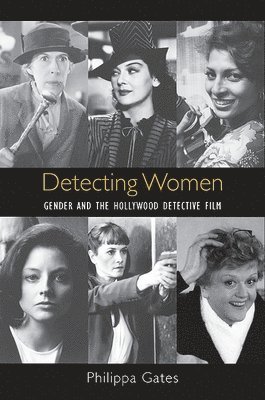
Ambitious and comprehensive history of the female detective in Hollywood film from 1929 to 2009.Finalist for the 2012 Edgar Award in the Best Critical/Biographical Category presented by the Mystery Writers of America In this extensive and authoritative study of over 300 films, Philippa Gates explores the "woman detective" figure from her pre-cinematic origins in nineteenth century detective fiction through her many incarnations throughout the history of Hollywood cinema. Through the lens of theories of gender, genre, and stardom and engaging with the critical concepts of performativity, masquerade, and feminism, Detecting Women analyzes constructions of the female investigator in the detective genre and focuses on the evolution of her representation from 1929 to today. While a popular assumption is that images of women have become increasingly positive over this period, Gates argues that the most progressive and feminist models of the female detective exist in mainstream film's more peripheral products such as 1930's B-picture and 1970's Blaxploitation films. Offering revisions and new insights into peripheral forms of mainstream film, Gates explores this space that allows a fantasy of resolution of social anxieties about crime and, more interestingly, gender, in the 20th and early 21st centuries. The author's innovative, engaging, and capacious approach to this important figure within feminist film history breaks new ground in the field of gender and film studies.
1 215 kr
Tillfälligt slut
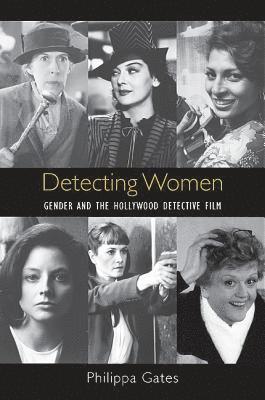
Ambitious and comprehensive history of the female detective in Hollywood film from 1929 to 2009.Finalist for the 2012 Edgar Award in the Best Critical/Biographical Category presented by the Mystery Writers of America In this extensive and authoritative study of over 300 films, Philippa Gates explores the "woman detective" figure from her pre-cinematic origins in nineteenth century detective fiction through her many incarnations throughout the history of Hollywood cinema. Through the lens of theories of gender, genre, and stardom and engaging with the critical concepts of performativity, masquerade, and feminism, Detecting Women analyzes constructions of the female investigator in the detective genre and focuses on the evolution of her representation from 1929 to today. While a popular assumption is that images of women have become increasingly positive over this period, Gates argues that the most progressive and feminist models of the female detective exist in mainstream film's more peripheral products such as 1930's B-picture and 1970's Blaxploitation films. Offering revisions and new insights into peripheral forms of mainstream film, Gates explores this space that allows a fantasy of resolution of social anxieties about crime and, more interestingly, gender, in the 20th and early 21st centuries. The author's innovative, engaging, and capacious approach to this important figure within feminist film history breaks new ground in the field of gender and film studies.