Phillip Montague – författare
Visar alla böcker från författaren Phillip Montague. Handla med fri frakt och snabb leverans.
4 produkter
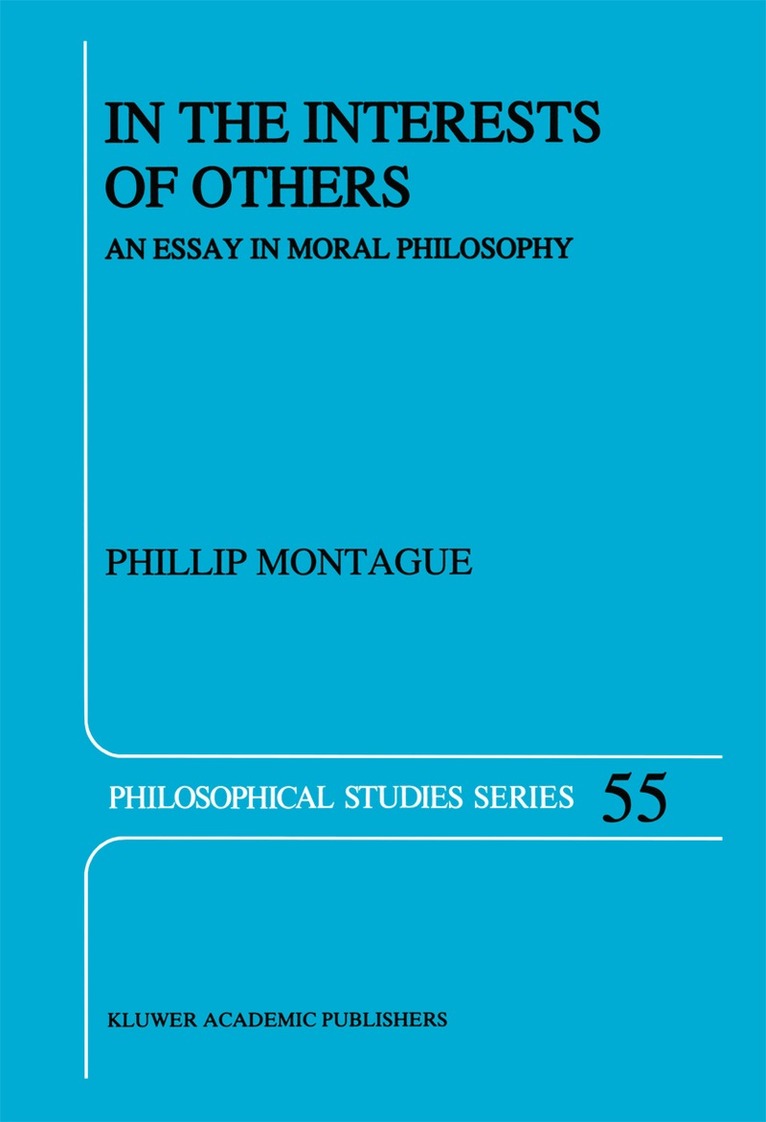
In the Interests of Others
An Essay in Moral Philosophy
Inbunden, 1992
1098 kr
Lägg i varukorg
Are we morally required to act in the interests of others? Does our worth as persons depend in any way on our valuing the good of others? These questions, illustrative of those addressed in this book, concern the relevance of other-interested considerations - of facts about what is good or bad for …
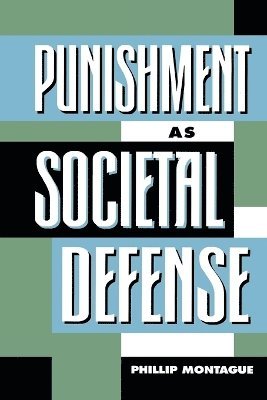
Punishment as Societal-Defense
Häftad, 1996
565 kr
Lägg i varukorg
People punished by law are treated in ways that we consider immoral in other contexts. In Punishment as Societal-Defense, Phillip Montague develops a new theory of punishment that, instead of justifying it on the basis of deterrence or retribution, constructs it as analogous to individual …
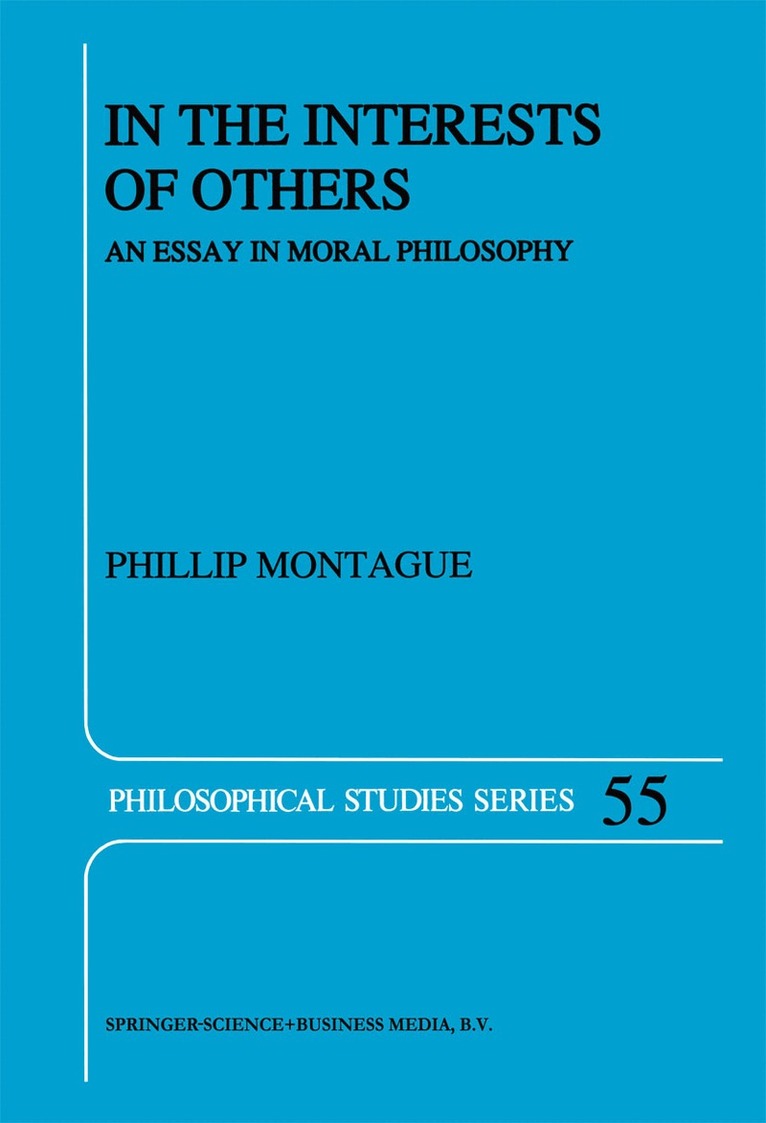
In the Interests of Others
An Essay in Moral Philosophy
Häftad, 2012
1098 kr
Lägg i varukorg
Are we morally required to act in the interests of others? Does our worth as persons depend in any way on our valuing the good of others? These questions, illustrative of those addressed in this book, concern the relevance of other-interested considerations -- of facts about what is good or bad for …
In the Interests of Others
An Essay in Moral Philosophy
E-bok, 2012
1427 kr
Lägg i varukorg
Are we morally required to act in the interests of others? Does our worth as persons depend in any way on our valuing the good of others? These questions, illustrative of those addressed in this book, concern the relevance of other-interested considerations -- of facts about what is good or bad for …