Phyllis A. Bird – författare
Visar alla böcker från författaren Phyllis A. Bird. Handla med fri frakt och snabb leverans.
7 produkter
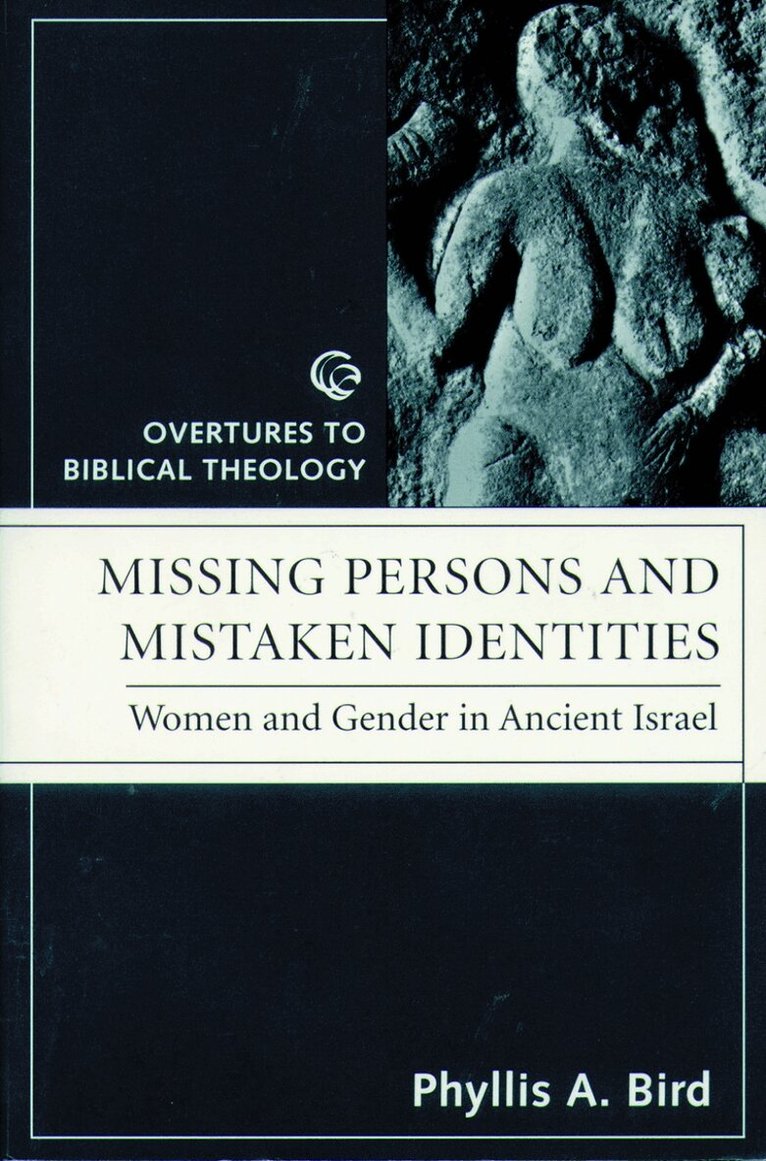
Missing Persons and Mistaken Identities
Women and Gender in Ancient Israel
Av A BIRD, PHYLLIS, Phyllis A. Bird
Häftad, 1997
3,0 utav 5 stjärnor. Totalt antal röster: (1)
503 kr
Lägg i varukorg
Faith, Feminism, and the Forum of Scripture
Essays on Biblical Theology and Hermeneutics
E-bok, 2015
416 kr
Lägg i varukorg
Faith and feminism unite in these essays to explore the theology of the Hebrew Bible as testimony to the faith of ancient Israel and as a source for Christian theology and ethics. Each chapter in Faith, Feminism, and the Forum of Scripture approaches the Bible as a site of theological reflection in …
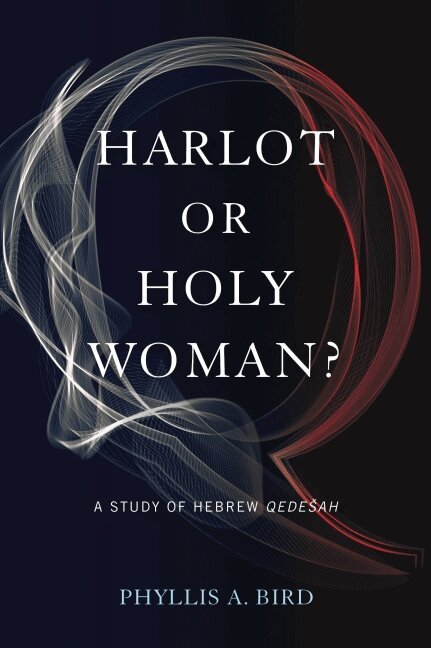
Harlot or Holy Woman?
A Study of Hebrew Qedešah
Inbunden, 2019
974 kr
Lägg i varukorg
Harlot or Holy Woman? presents an exhaustive study of qedešah, a Hebrew word meaning “consecrated woman” but rendered “prostitute” or “sacred prostitute” in Bible translations. Reexamining biblical and extrabiblical texts, Phyllis A. Bird questions how qedešah came to be associated with …
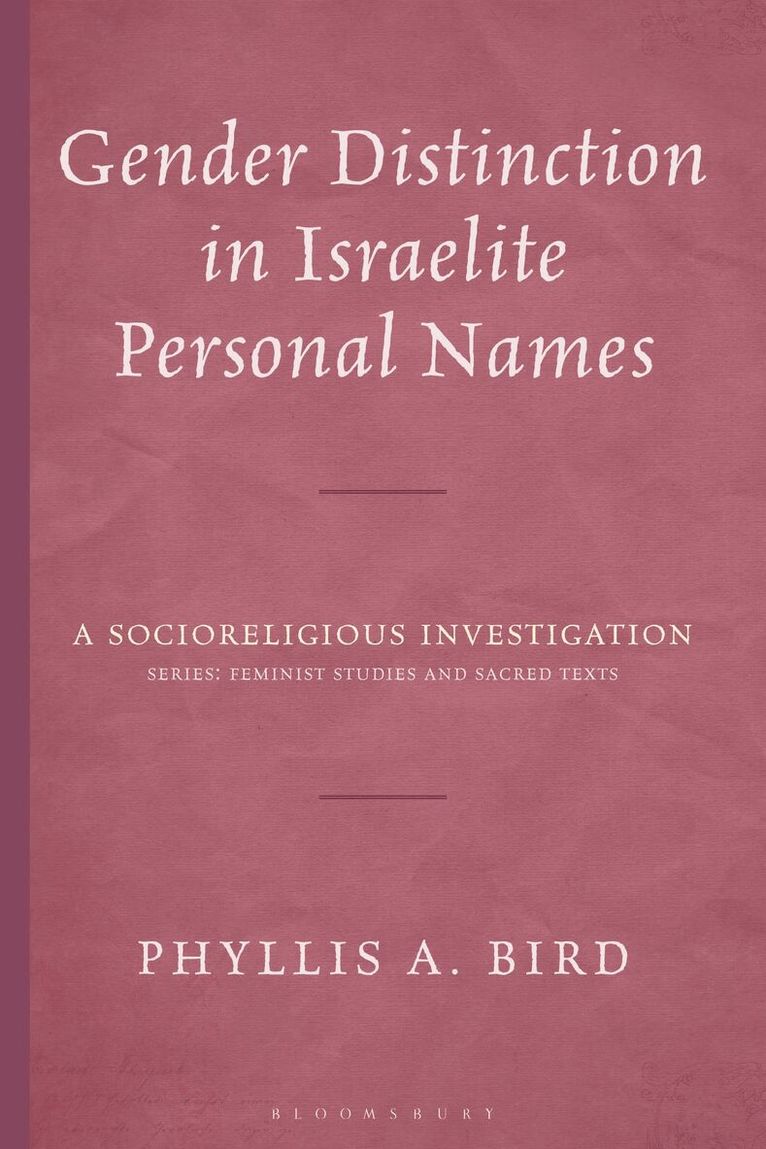
Gender Distinction in Israelite Personal Names
A Socioreligious Investigation
Inbunden, 2026
1275 kr
Lägg i varukorg
This book challenges the traditional view that no significant distinction exists between male and female names in the Hebrew Bible by comparing all female names from the Hebrew Bible, Hebrew inscriptions, and Elephantine documents with comparable male names. It shows clear distinctions, unnoted or …
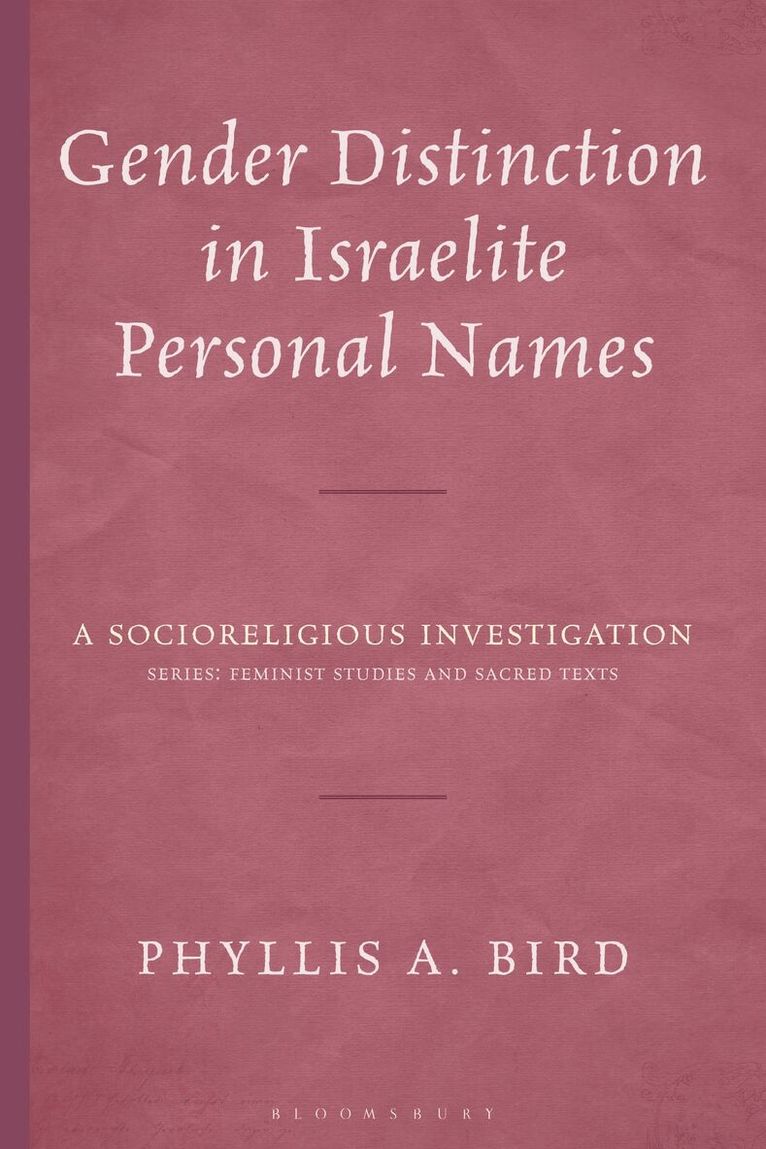
Gender Distinction in Israelite Personal Names
A Socioreligious Investigation
Häftad, 2027
412 kr
Kommande
This book challenges the traditional view that no significant distinction exists between male and female names in the Hebrew Bible by comparing all female names from the Hebrew Bible, Hebrew inscriptions, and Elephantine documents with comparable male names. It shows clear distinctions, unnoted or …