Piermaria Corona – författare
Visar alla böcker från författaren Piermaria Corona. Handla med fri frakt och snabb leverans.
6 produkter
6 produkter
Inbunden, Engelska, 2003
2 171 kr
Skickas inom 10-15 vardagar
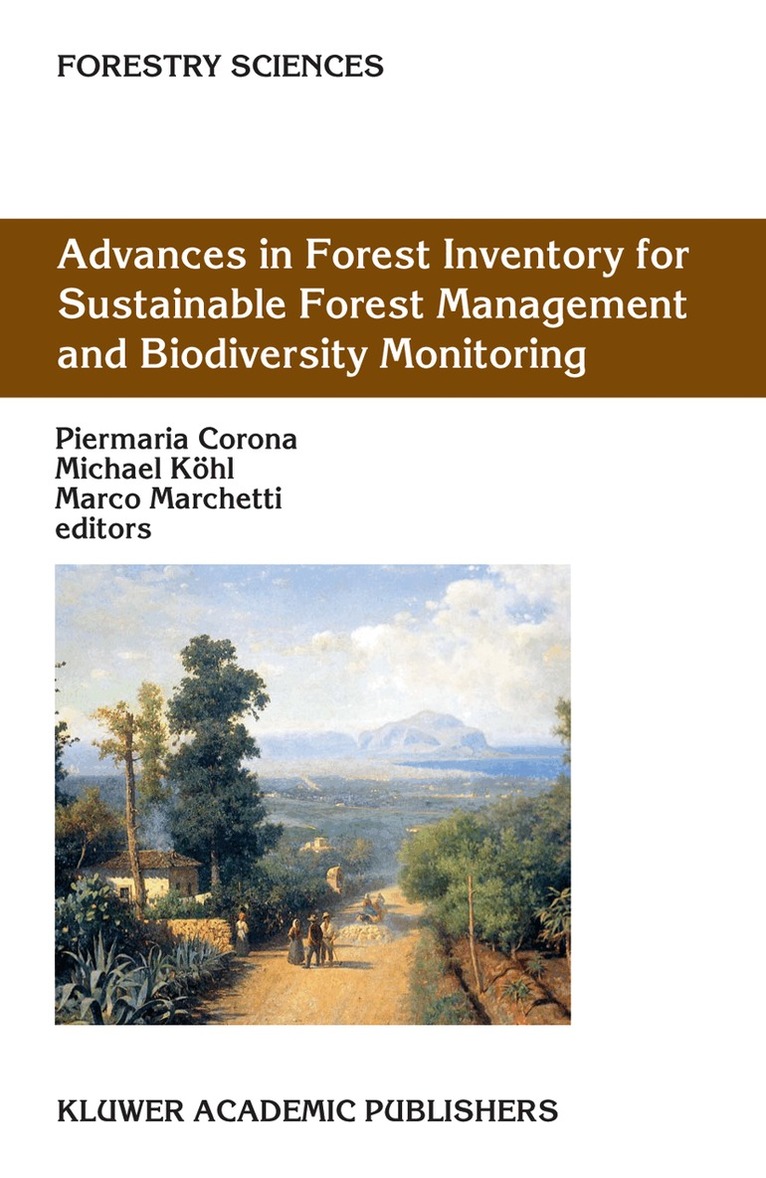
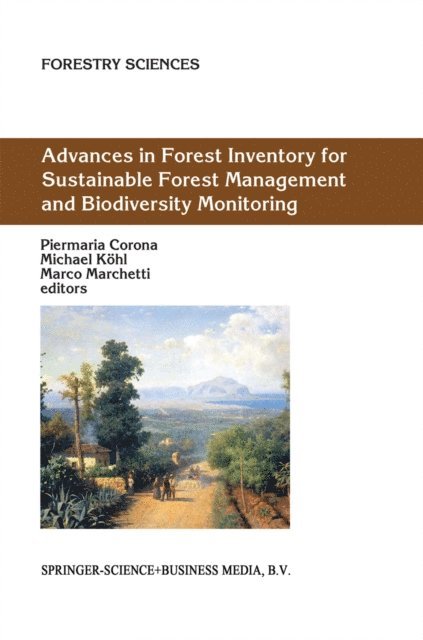
Forests represent a remnant wilderness of high recreational value in the densely populated industrial societies, a threatened natural resource in some regions of the world and a renewable reservoir of essential raw materials for the wood processing industry. In June 1992 the United Nations Conference on the Environment and Development (UNCED) in Rio de Janeiro initiated a world-wide process of negotiation with the aim of ensuring sustainable management, conservation and development of forest resources. Although there seems to be unanimous support for sustainable development from all quarters, there is no generally accepted set of indicators which allows comparisons to be made between a given situation and a desirable one. In a recent summary paper prepared by the FAO Forestry and Planning Division, Ljungman et al. (1999) find that forest resources continue to diminish, while being called upon to produce a greater range of goods and services and that calls for sustainable forest management will simply go unheeded if the legal, policy and administrative environment do not effectively control undesirable practices. Does the concept of sustainable forest management represent not much more than a magic formula for achieving consensus, a vague idea which makes it difficult to match action to rhetoric? The concept of sustainable forest management is likely to remain an imprecise one, but we can contribute to avoiding management practices that are clearly unsustainable.
Del 76 - Forestry Sciences
Advances in Forest Inventory for Sustainable Forest Management and Biodiversity Monitoring
Häftad, Engelska, 2010
2 171 kr
Skickas inom 10-15 vardagar
Forests represent a remnant wilderness of high recreational value in the densely populated industrial societies, a threatened natural resource in some regions of the world and a renewable reservoir of essential raw materials for the wood processing industry. In June 1992 the United Nations Conference on the Environment and Development (UNCED) in Rio de Janeiro initiated a world-wide process of negotiation with the aim of ensuring sustainable management, conservation and development of forest resources. Although there seems to be unanimous support for sustainable development from all quarters, there is no generally accepted set of indicators which allows comparisons to be made between a given situation and a desirable one. In a recent summary paper prepared by the FAO Forestry and Planning Division, Ljungman et al. (1999) find that forest resources continue to diminish, while being called upon to produce a greater range of goods and services and that calls for sustainable forest management will simply go unheeded if the legal, policy and administrative environment do not effectively control undesirable practices. Does the concept of sustainable forest management represent not much more than a magic formula for achieving consensus, a vague idea which makes it difficult to match action to rhetoric? The concept of sustainable forest management is likely to remain an imprecise one, but we can contribute to avoiding management practices that are clearly unsustainable.
Inbunden, Engelska, 2011
1 605 kr
Skickas inom 10-15 vardagar
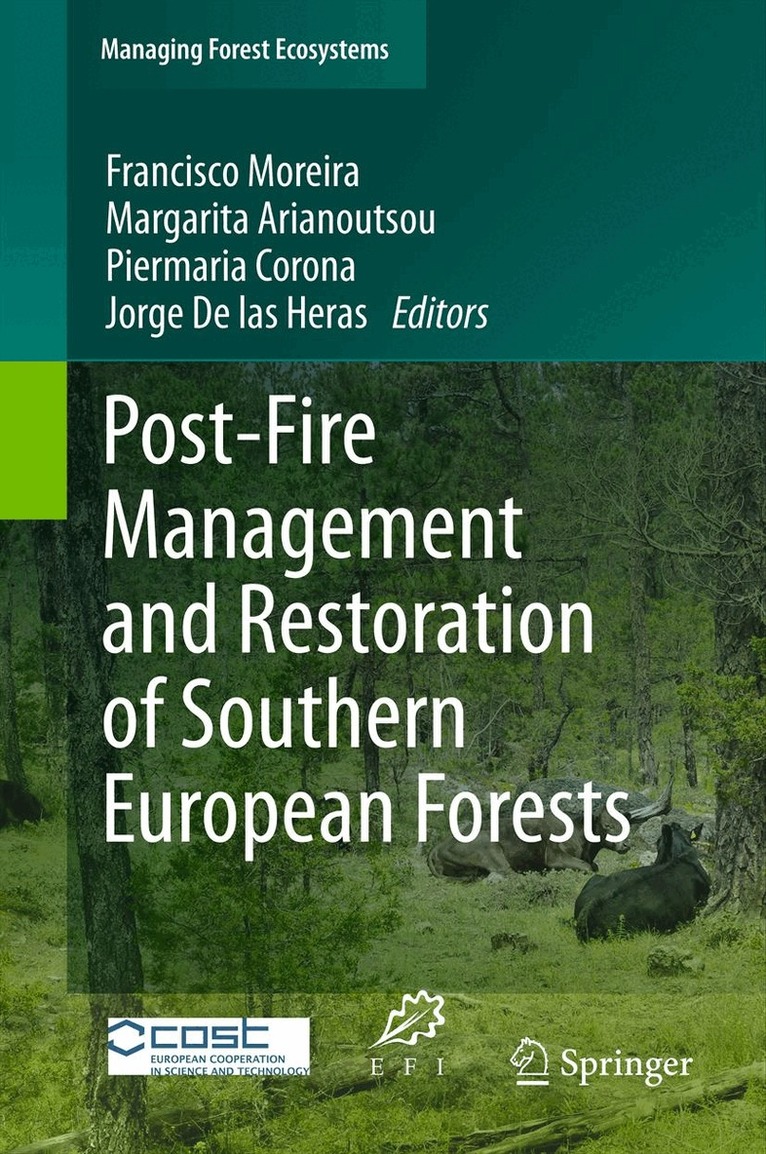
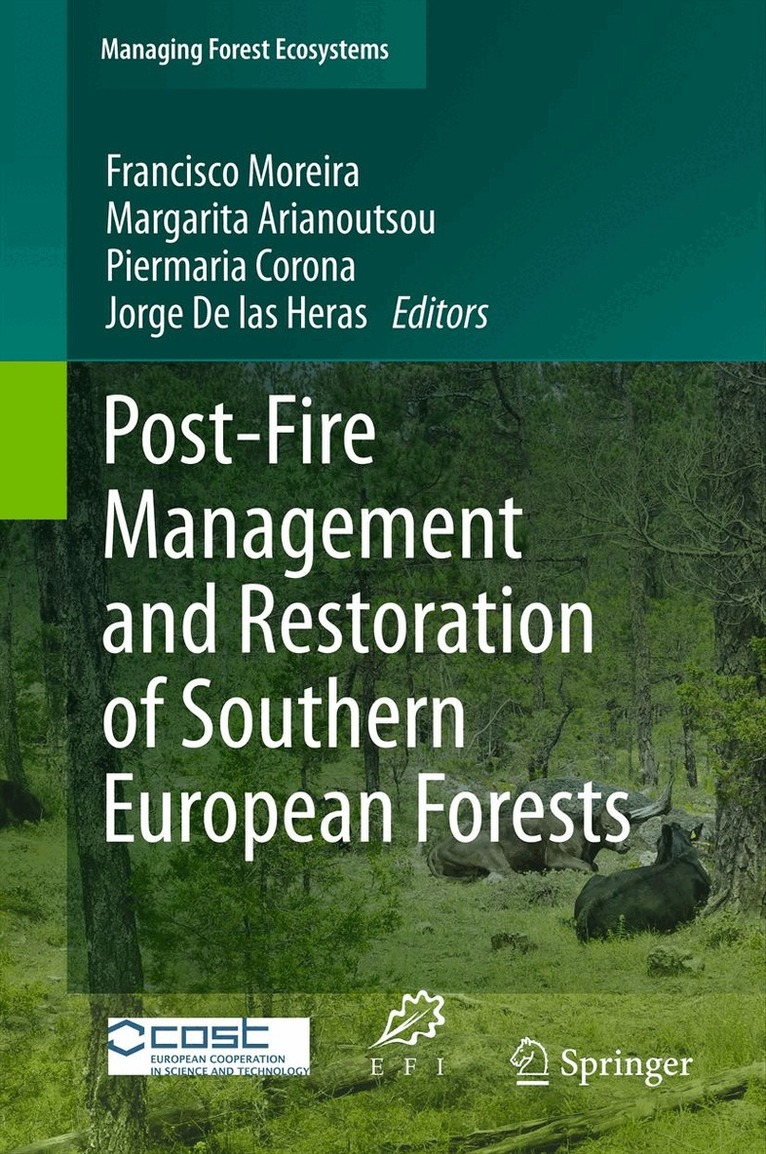
In spite of all the efforts made in fire prevention and suppression, every year about 45 000 forest fires occur in Europe, burning ca. 0.5 million hectares of forests and other rural lands. The management of these burned forests has been given much less attention than fire prevention or fire suppression issues, but the post-fire management of burned areas raises strong concerns (economic and social impacts, soil erosion and water quality, biodiversity loss, forest restoration). Although there are a few publications which address post-fire management, the focus of these has been either on general approaches to restoration or specific topics such as preventing post-fire soil erosion. This book is about the post-fire management of fire-prone forest types in southern Europe. It provides the first comprehensive overview of the topic, ranging from stand-level to landscape-level management, and from emergency actions to long-term restoration approaches.
E-bok
PDF, Engelska, 20111 977 kr
Läs direkt efter köp
In spite of all the efforts made in fire prevention and suppression, every year about 45 000 forest fires occur in Europe, burning ca. 0.5 million hectares of forests and other rural lands. The management of these burned forests has been given much less attention than fire prevention or fire suppression issues, but the post-fire management of burned areas raises strong concerns (economic and social impacts, soil erosion and water quality, biodiversity loss, forest restoration). Although there are a few publications which address post-fire management, the focus of these has been either on general approaches to restoration or specific topics such as preventing post-fire soil erosion. This book is about the post-fire management of fire-prone forest types in southern Europe. It provides the first comprehensive overview of the topic, ranging from stand-level to landscape-level management, and from emergency actions to long-term restoration approaches.
E-bok
PDF, Engelska, 20132 765 kr
Läs direkt efter köp
Forests represent a remnant wilderness of high recreational value in the densely populated industrial societies, a threatened natural resource in some regions of the world and a renewable reservoir of essential raw materials for the wood processing industry. In June 1992 the United Nations Conference on the Environment and Development (UNCED) in Rio de Janeiro initiated a world-wide process of negotiation with the aim of ensuring sustainable management, conservation and development of forest resources. Although there seems to be unanimous support for sustainable development from all quarters, there is no generally accepted set of indicators which allows comparisons to be made between a given situation and a desirable one. In a recent summary paper prepared by the FAO Forestry and Planning Division, Ljungman et al. (1999) find that forest resources continue to diminish, while being called upon to produce a greater range of goods and services and that calls for sustainable forest management will simply go unheeded if the legal, policy and administrative environment do not effectively control undesirable practices. Does the concept of sustainable forest management represent not much more than a magic formula for achieving consensus, a vague idea which makes it difficult to match action to rhetoric? The concept of sustainable forest management is likely to remain an imprecise one, but we can contribute to avoiding management practices that are clearly unsustainable.
Häftad, Engelska, 2014
1 605 kr
Skickas inom 10-15 vardagar
In spite of all the efforts made in fire prevention and suppression, every year about 45 000 forest fires occur in Europe, burning ca. 0.5 million hectares of forests and other rural lands. The management of these burned forests has been given much less attention than fire prevention or fire suppression issues, but the post-fire management of burned areas raises strong concerns (economic and social impacts, soil erosion and water quality, biodiversity loss, forest restoration). Although there are a few publications which address post-fire management, the focus of these has been either on general approaches to restoration or specific topics such as preventing post-fire soil erosion. This book is about the post-fire management of fire-prone forest types in southern Europe. It provides the first comprehensive overview of the topic, ranging from stand-level to landscape-level management, and from emergency actions to long-term restoration approaches.