Pierre Larouche – författare
Visar alla böcker från författaren Pierre Larouche. Handla med fri frakt och snabb leverans.
13 produkter
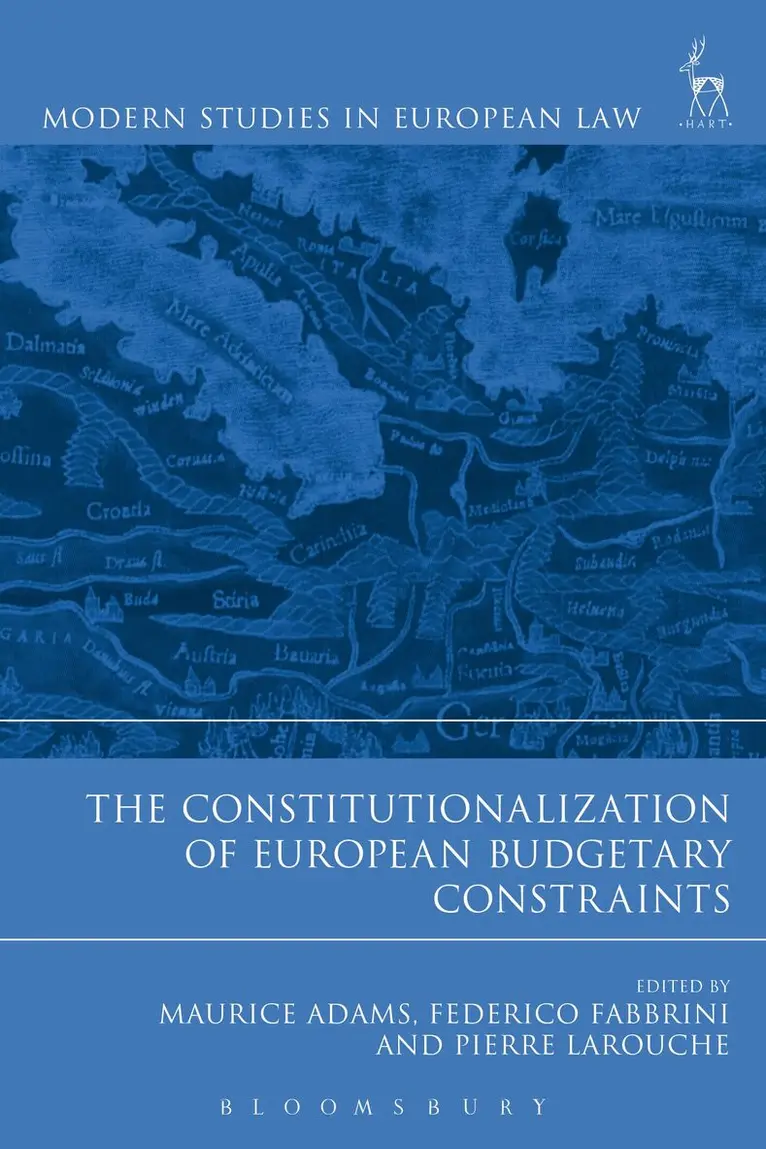
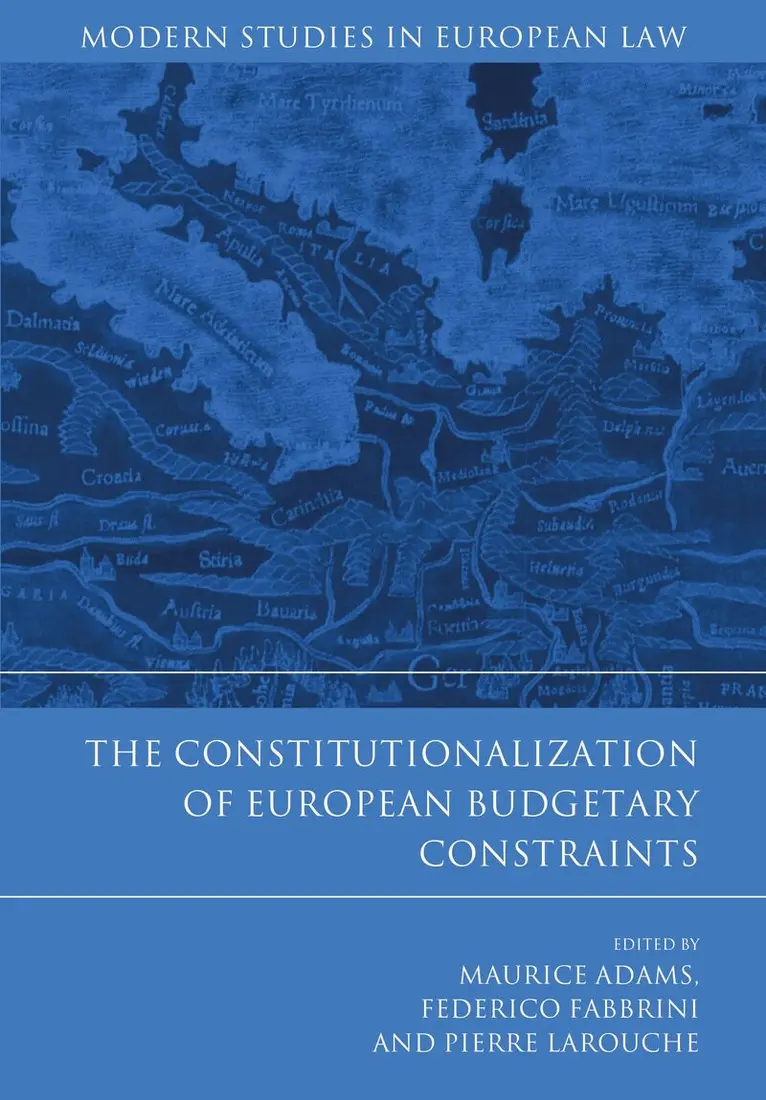
Constitutionalization of European Budgetary Constraints
Av Maurice Adams, Federico Fabbrini m. fl.
Häftad, 2016
528 kr
Lägg i varukorg
The recently enacted Treaty on the Stability, Coordination and Governance of the Economic and Monetary Union (generally referred to as the Fiscal Compact) has introduced a 'golden rule', which is a detailed obligation that government budgets be balanced. Moreover, it required the 25 members of the …
Constitutionalization of European Budgetary Constraints
Av Maurice Adams, Federico Fabbrini m. fl.
E-bok, 2014
574 kr
Lägg i varukorg
The recently enacted Treaty on the Stability, Coordination and Governance of the Economic and Monetary Union (generally referred to as the Fiscal Compact) has introduced a ''golden rule'', which is a detailed obligation that government budgets be balanced. Moreover, it required the 25 members of …
Constitutionalization of European Budgetary Constraints
Av Maurice Adams, Federico Fabbrini m. fl.
E-bok, 2014
574 kr
Lägg i varukorg
The recently enacted Treaty on the Stability, Coordination and Governance of the Economic and Monetary Union (generally referred to as the Fiscal Compact) has introduced a ''golden rule'', which is a detailed obligation that government budgets be balanced. Moreover, it required the 25 members of …
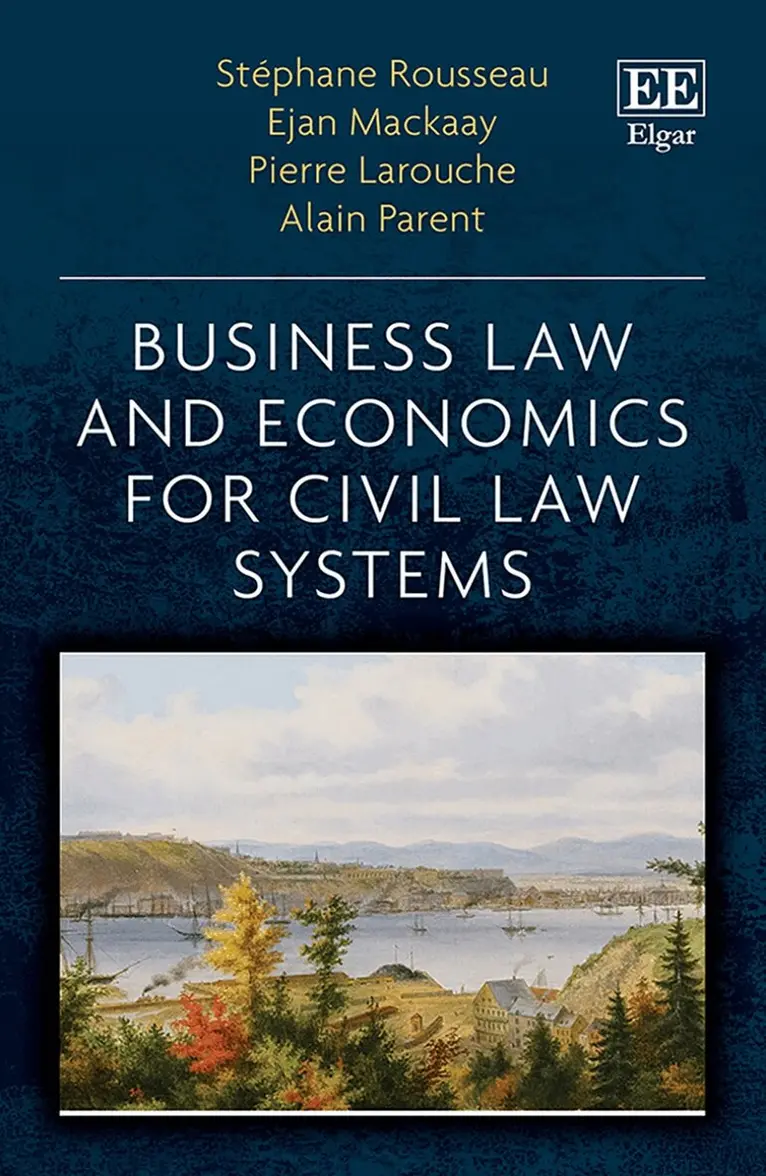
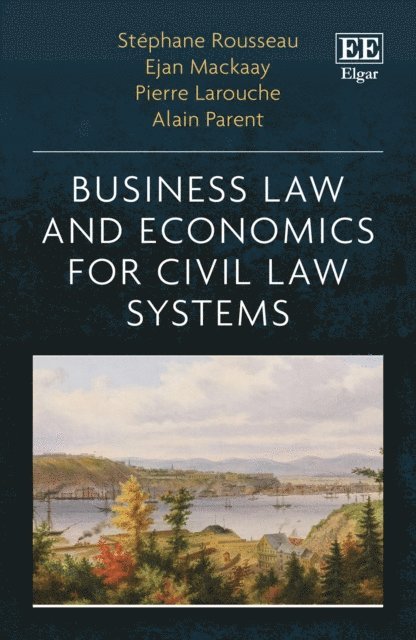
Business Law and Economics for Civil Law Systems
Av Stéphane Rousseau, Ejan Mackaay m. fl.
Inbunden, 2021
2153 kr
Lägg i varukorg
Business Law and Economics for Civil Law Systems highlights the relevance of economic analysis of business law from a civilian perspective. It integrates a comparative approach (common law and civil law) to economic analysis using tools and illustrations to assist in conducting critical economic …
Business Law and Economics for Civil Law Systems
Av Alain Parent, Pierre Larouche m. fl.
E-bok, 2021
422 kr
Lägg i varukorg
Business Law and Economics for Civil Law Systems highlights the relevance of economic analysis of business law from a civilian perspective. It integrates a comparative approach (common law and civil law) to economic analysis using tools and illustrations to assist in conducting critical economic …
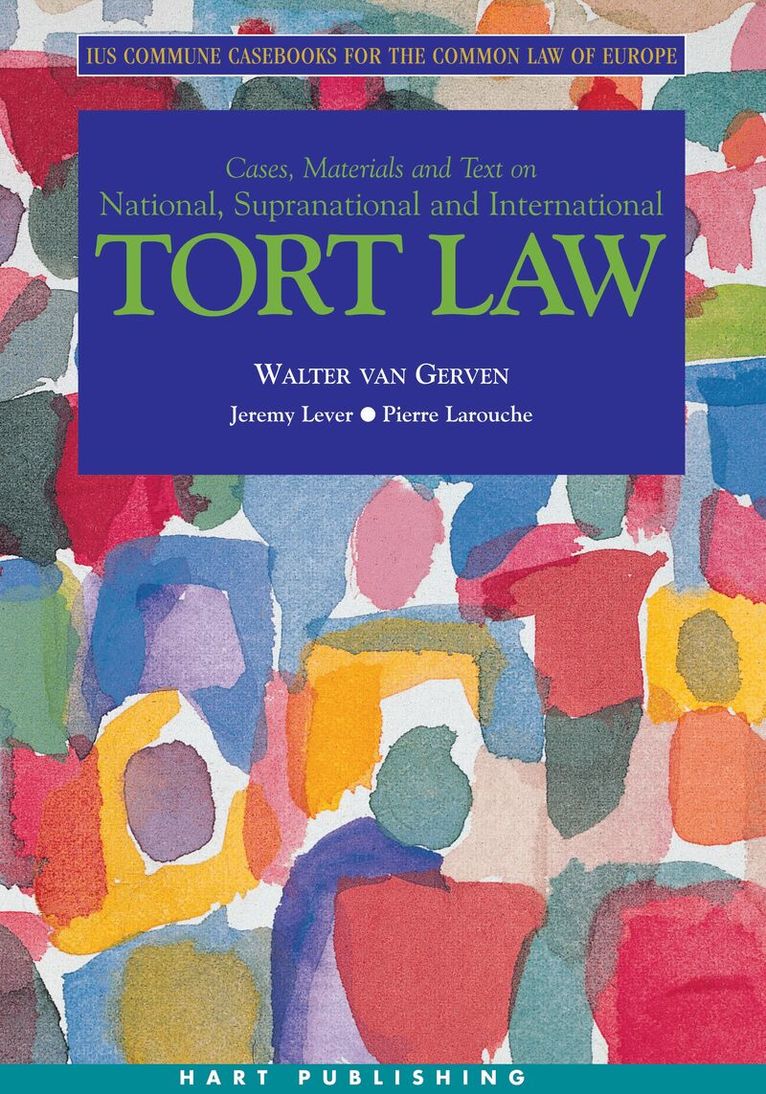
Tort Law
Ius Commune Casebooks for the Common Law of Europe
Av Jeremy F. Lever, Pierre Larouche m. fl.
Häftad, 2001
1569 kr
Lägg i varukorg
This is the complete version of the Casebook on Tort Law,part of which was already published in 1998 under the title Tort Law: Scope of Protection. Additional subjects covered in this book include the tort/contract divide, causation, remedies, fault and unlawfulness, liability for others, liability …
Competition Law and Regulation in European Telecommunications
Inbunden, 2000
2220 kr
Lägg i varukorg
Using numerous practical examples,this book examines the evolution of EC telecommunications law following the achievement of liberalisation, the main policy goal of the 1990s. After reviewing the development of regulation in the run-up to liberalisation, the author identifies the methods used to …
Competition Law and Regulation in European Telecommunications
E-bok, 2000
2437 kr
Lägg i varukorg
Using numerous practical examples,this book examines the evolution of EC telecommunications law following the achievement of liberalisation, the main policy goal of the 1990s. After reviewing the development of regulation in the run-up to liberalisation, the author identifies the methods used to …
Constitutionalization of European Budgetary Constraints
Av Maurice Adams, Federico Fabbrini m. fl.
Inbunden, 2014
1311 kr
Lägg i varukorg
The recently enacted Treaty on the Stability, Coordination and Governance of the Economic and Monetary Union (generally referred to as the Fiscal Compact) has introduced a 'golden rule', which is a detailed obligation that government budgets be balanced. Moreover, it required the 25 members of the …
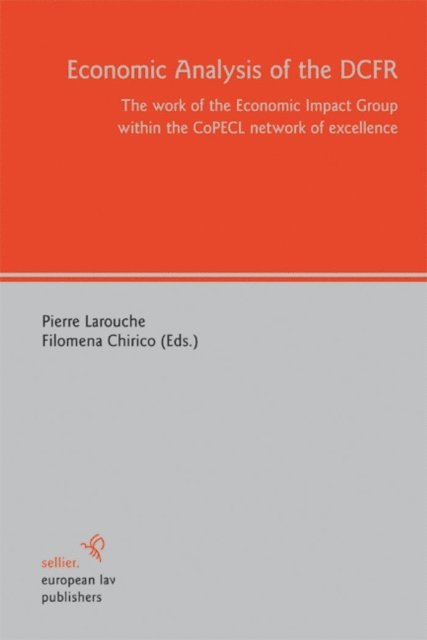
Economic Analysis of the DCFR
The work of the Economic Impact Group within CoPECL
Av Pierre Larouche, Filomena Chirico
E-bok, 2010
1168 kr
Lägg i varukorg
The Economic Impact Group (EIG) was created to support the work on the DCFR with insights from law and economics. It brings together a number of leading European law and economics scholars. The Group looked at the main elements of the DCFR with two questions in mind: from an economic perspective, …
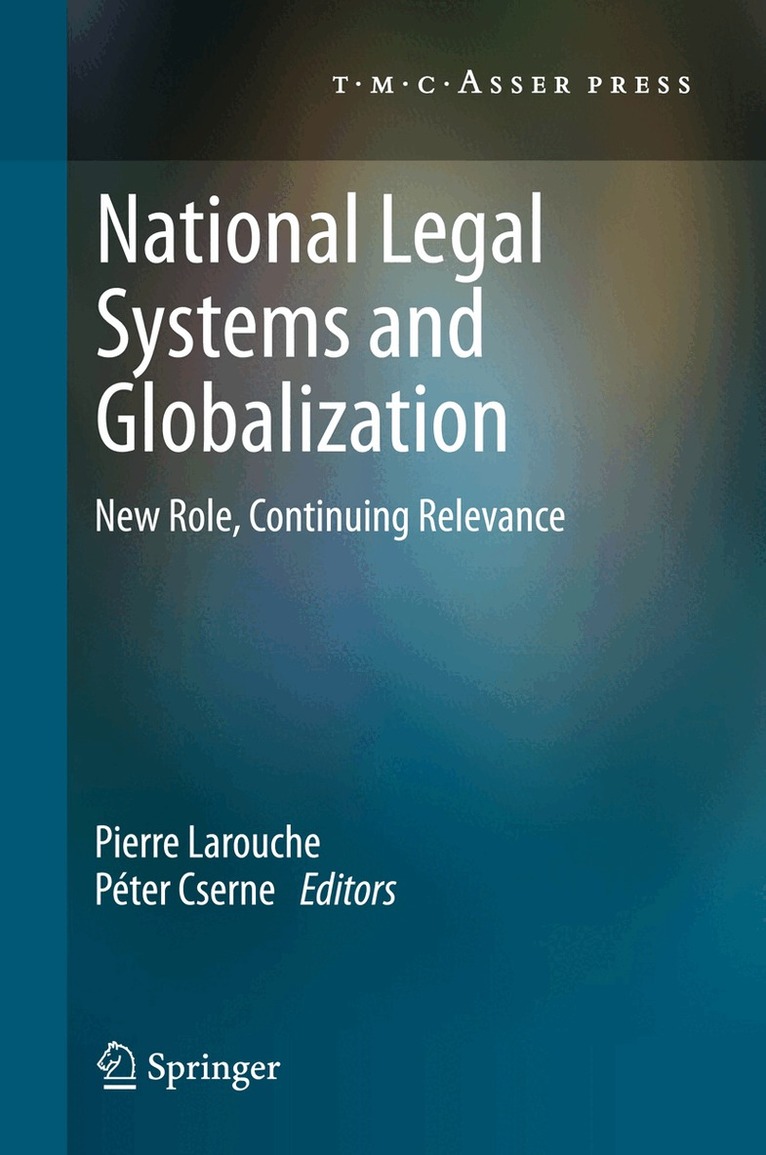
National Legal Systems and Globalization
New Role, Continuing Relevance
Av Pierre Larouche, Péter Cserne
Inbunden, 2012
1007 kr
Lägg i varukorg
This book presents the results of research project financed by the Hague Institute for the Internationalization of Law (HiiL) and carried out at the Tilburg Law and Economics Center (TILEC) of Tilburg University. The project team shows that globalization, instead of threatening national legal …
National Legal Systems and Globalization
New Role, Continuing Relevance
Av Peter Cserne, Pierre Larouche
E-bok, 2012
1342 kr
Lägg i varukorg
This book presents the results of research project financed by the Hague Institute for the Internationalization of Law (HiiL) and carried out at the Tilburg Law and Economics Center (TILEC) of Tilburg University. The project team shows that globalization, instead of threatening national legal …
National Legal Systems and Globalization
New Role, Continuing Relevance
Av Pierre Larouche, Péter Cserne
Häftad, 2014
1007 kr
Lägg i varukorg
This book presents the results of research project financed by the Hague Institute for the Internationalization of Law (HiiL) and carried out at the Tilburg Law and Economics Center (TILEC) of Tilburg University. The project team shows that globalization, instead of threatening national legal …