Pierre Tiquet – författare
Visar alla böcker från författaren Pierre Tiquet. Handla med fri frakt och snabb leverans.
4 produkter
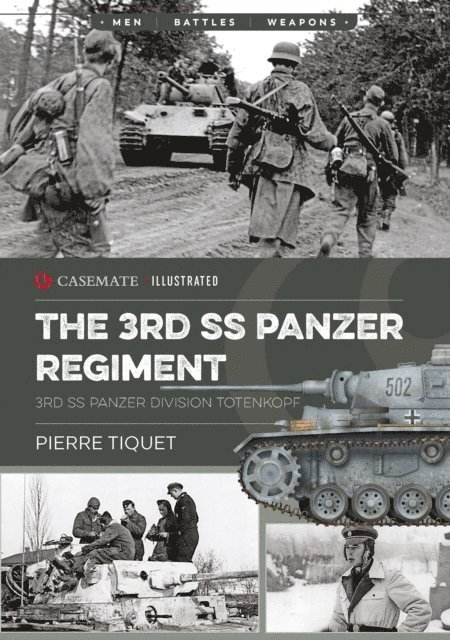
3rd SS Panzer Regiment
3rd SS Panzer Division Totenkopf
Häftad, 2020
232 kr
Lägg i varukorg
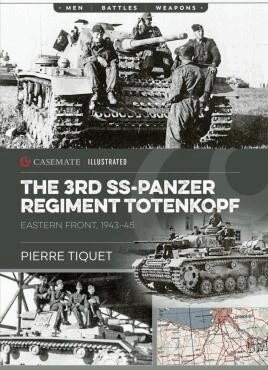
The 3rd SS Panzer Regiment was part of the Totenkopf Division—one of the 38 Waffen-SS divisions active during World War II. Notorious for its brutality, most notably a mass execution of British prisoners in the battle of France, “Totenkopf” had a fearsome reputation. The 3rd SS Panzer Regiment was …
3rd SS Panzer Regiment
3rd SS Panzer Division Totenkopf
E-bok, 2020
214 kr
Lägg i varukorg
“A fascinating look into the experiences of the men of an elite armored unit that fought on the Eastern Front, written essentially in their own words.” — AMPS The 3rd SS Panzer Regiment was part of the Totenkopf Division—one of the thirty-eight Waffen-SS divisions active during World War II. …
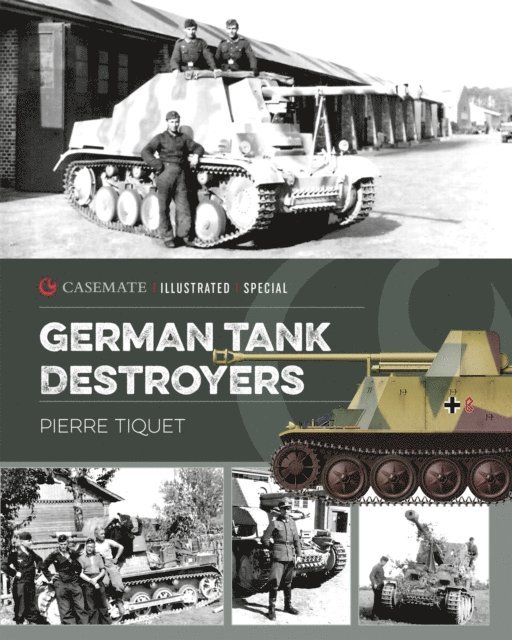
German Tank Destroyers
E-bok, 2021
294 kr
Lägg i varukorg
An "e;unusually well-detailed"e; pictorial history of the entire class of vehicles including the Hornisse, Jagdpanzer 38, Jagdpanzer IV, and Elefant (AMPS). From the early days of World War II, it was clear that the Wehrmacht's antitank units would need to be motorized as existing horse- or …
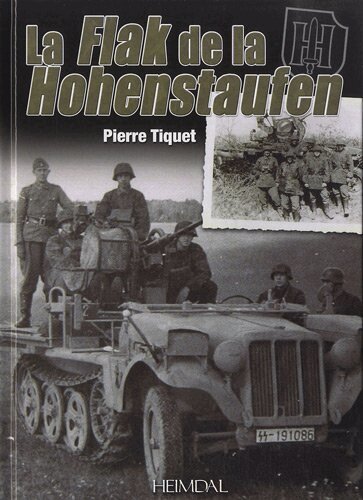
Flak de la Hohenstaufen
Inbunden, 2013
461 kr
Tillfälligt slut
The 9th SS Panzer Division "Hohenstaufen", also known as SS-Panzergrenadier-Division 9, SS-Panzergrenadier-Division 9 Hohenstaufen or 9. SS-Panzer-Division Hohenstaufen, was a German Waffen-SS Armoured division which saw action on both the Eastern and Western Fronts during World War II. The …