Pietro A. Sasso – författare
Visar alla böcker från författaren Pietro A. Sasso. Handla med fri frakt och snabb leverans.
15 produkter
15 produkter
Del 57 - Adolescent Cultures, School & Society
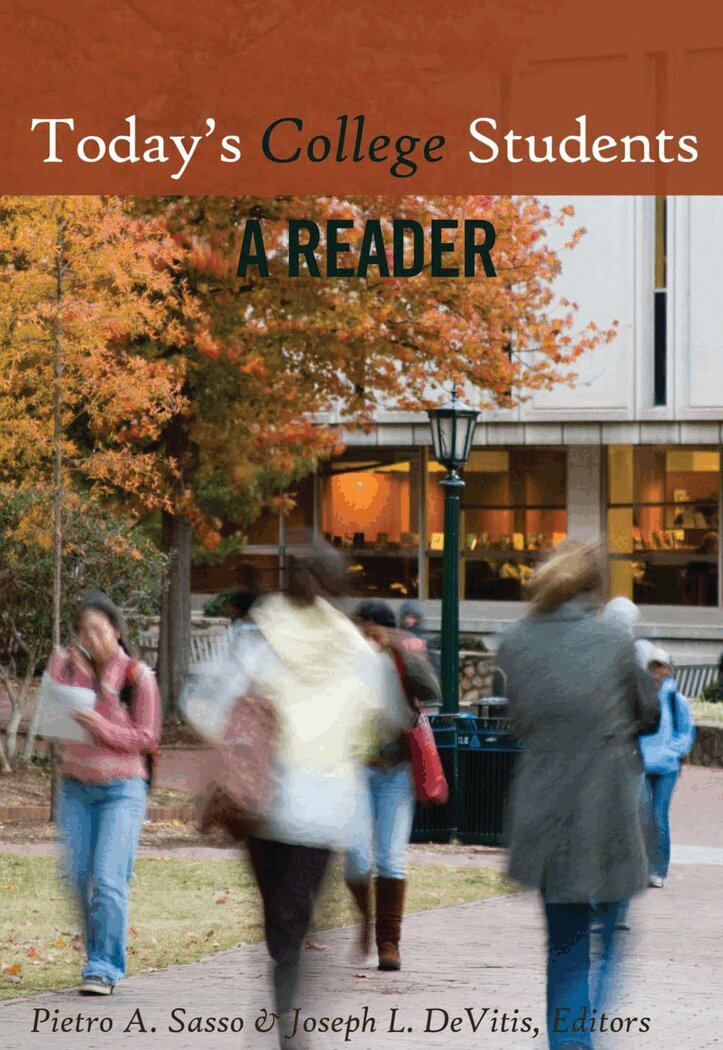
Today’s College Students
A Reader
Häftad, Engelska, 2014
584 kr
Skickas inom 5-8 vardagar
America’s undergraduates truly represent a mind-boggling diversity. Today’s College Students: A Reader looks at a wide variety of student groups and identities, which sets it apart from other texts on contemporary college students that do not cover such a broad spectrum. The editors and contributors also invite students, their instructors, and other college/university practitioners to be mindful of the crucial, yet sometimes overlooked, connection between extra-curricular campus activities and learning. Sustaining educational moments throughout the undergraduate experience, in and out of the classroom, is why colleges exist. This volume thus reminds us that both social interaction and individual critical reflection are vital collegiate processes, especially in an age of consumerism and the McDonaldization of higher education. Ultimately, the text seeks to reinforce and augment the rich diversity that can make college more rewarding for us all. It is especially useful for courses devoted to today’s college students and diversity, the multicultural university, college student development, and student affairs administration.
Häftad, Engelska, 2015
425 kr
Skickas inom 5-8 vardagar
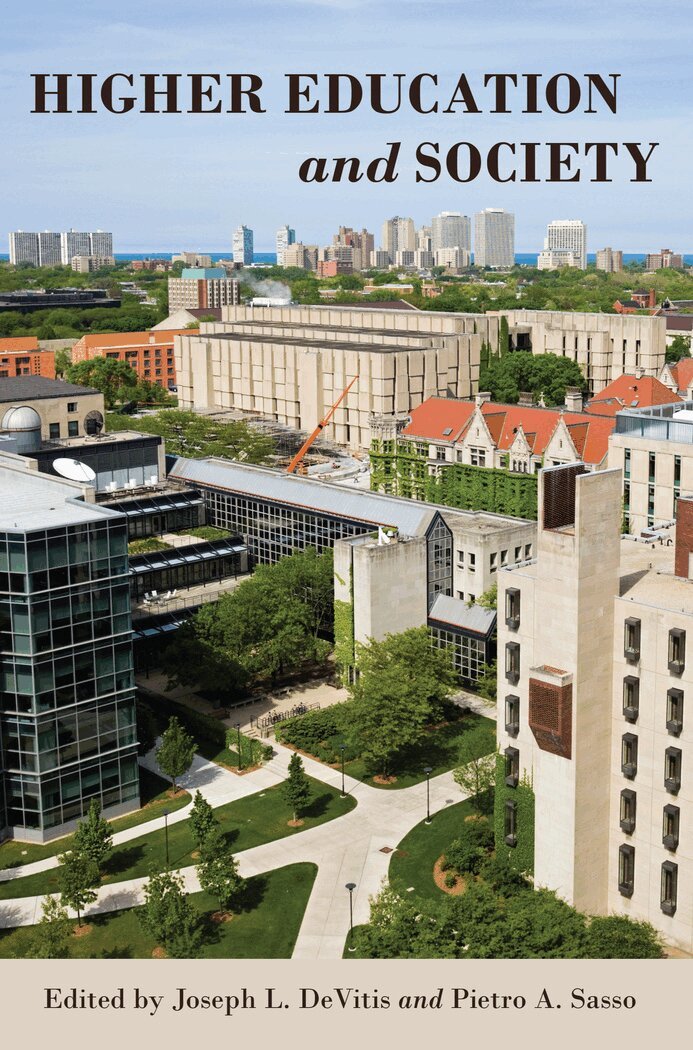
Higher education and society are becoming increasingly intertwined. Both act as a transmitter of culture, yet many colleges and universities also ideally seek to create a more perfectible society and more enlightened, engaged citizens. When the connections between social structures and post-secondary education are closely entangled, the university’s aims can take on a contentious struggle for identity in a vexing web of competing external interests – especially in light of scarce economic resources, corporate pressures, technological questions, and globalizing trends. Higher Education and Society weighs the urgent question of how society and higher education influence each other. How the latter responds to that unsettled issue may well determine whether colleges and universities chart a more self-reflective path or one of rising deference to societal contingencies. This book is essential for all those who study and work in today’s colleges – and for all those who seek a better education for their children, the nation, and the world. It is especially recommended for courses in higher education and society, contemporary issues in higher education, the philosophy of higher education, academic issues in higher education, leadership in higher education, and globalization and higher education. The book is also useful for the preparation of faculty development programs in colleges and universities.
Inbunden, Engelska, 2015
1 617 kr
Skickas inom 5-8 vardagar
Higher education and society are becoming increasingly intertwined. Both act as a transmitter of culture, yet many colleges and universities also ideally seek to create a more perfectible society and more enlightened, engaged citizens. When the connections between social structures and post-secondary education are closely entangled, the university’s aims can take on a contentious struggle for identity in a vexing web of competing external interests – especially in light of scarce economic resources, corporate pressures, technological questions, and globalizing trends. Higher Education and Society weighs the urgent question of how society and higher education influence each other. How the latter responds to that unsettled issue may well determine whether colleges and universities chart a more self-reflective path or one of rising deference to societal contingencies. This book is essential for all those who study and work in today’s colleges – and for all those who seek a better education for their children, the nation, and the world. It is especially recommended for courses in higher education and society, contemporary issues in higher education, the philosophy of higher education, academic issues in higher education, leadership in higher education, and globalization and higher education. The book is also useful for the preparation of faculty development programs in colleges and universities.
Del 69 - Adolescent Cultures, School & Society
Dynamic Student Development Meta-Theory
A New Model for Student Success
Häftad, Engelska, 2017
743 kr
Skickas inom 5-8 vardagar
The Dynamic Student Development Metatheodel (DSDM) is a meta-theory based on empirically based inferences drawn from a national survey entitled the University Learning Outcomes Assessment (UniLOA). The UniLOA’s current dataset consists of over 500,000 college student participants and has supported impressive findings that allow for the reconceptualization of long-held cultural artifacts and assumptions regarding the way students grow, learn, and develop (GLD) and how decision makers within postsecondary education have selected to engage the domains of student development measured by the UniLOA. This book champions a model of student success. The DSDM was developed from common factors identified in multiple theories and models within the areas of human and student development as well as empirically based theories and models of education. By first defining complementary elements within the theories and models then establishing accurate operational definitions, the planning and engagement of appropriate services, supports, interventions, and programs (SSIPs) and the active assessment of their outcomes can lead to a more effective response to current challenges faced by higher educators. As a metamodel, the DSDM reconceptualizes student success within higher education that is disruptive to the current accepted paradigm of student learning and engagement. This book is intended for faculty and staff interested in critical debate about issues in higher education and for deliberation by graduate students in college administration programs.
Del 69 - Adolescent Cultures, School & Society
Dynamic Student Development Meta-Theory
A New Model for Student Success
Inbunden, Engelska, 2018
1 200 kr
Skickas inom 5-8 vardagar
The Dynamic Student Development Metatheodel (DSDM) is a meta-theory based on empirically based inferences drawn from a national survey entitled the University Learning Outcomes Assessment (UniLOA). The UniLOA’s current dataset consists of over 500,000 college student participants and has supported impressive findings that allow for the reconceptualization of long-held cultural artifacts and assumptions regarding the way students grow, learn, and develop (GLD) and how decision makers within postsecondary education have selected to engage the domains of student development measured by the UniLOA. This book champions a model of student success. The DSDM was developed from common factors identified in multiple theories and models within the areas of human and student development as well as empirically based theories and models of education. By first defining complementary elements within the theories and models then establishing accurate operational definitions, the planning and engagement of appropriate services, supports, interventions, and programs (SSIPs) and the active assessment of their outcomes can lead to a more effective response to current challenges faced by higher educators. As a metamodel, the DSDM reconceptualizes student success within higher education that is disruptive to the current accepted paradigm of student learning and engagement. This book is intended for faculty and staff interested in critical debate about issues in higher education and for deliberation by graduate students in college administration programs.
Del 517 - Counterpoints
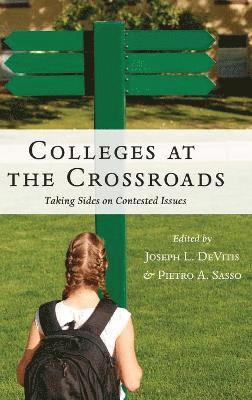
Colleges at the Crossroads
Taking Sides on Contested Issues
Häftad, Engelska, 2018
719 kr
Skickas inom 5-8 vardagar
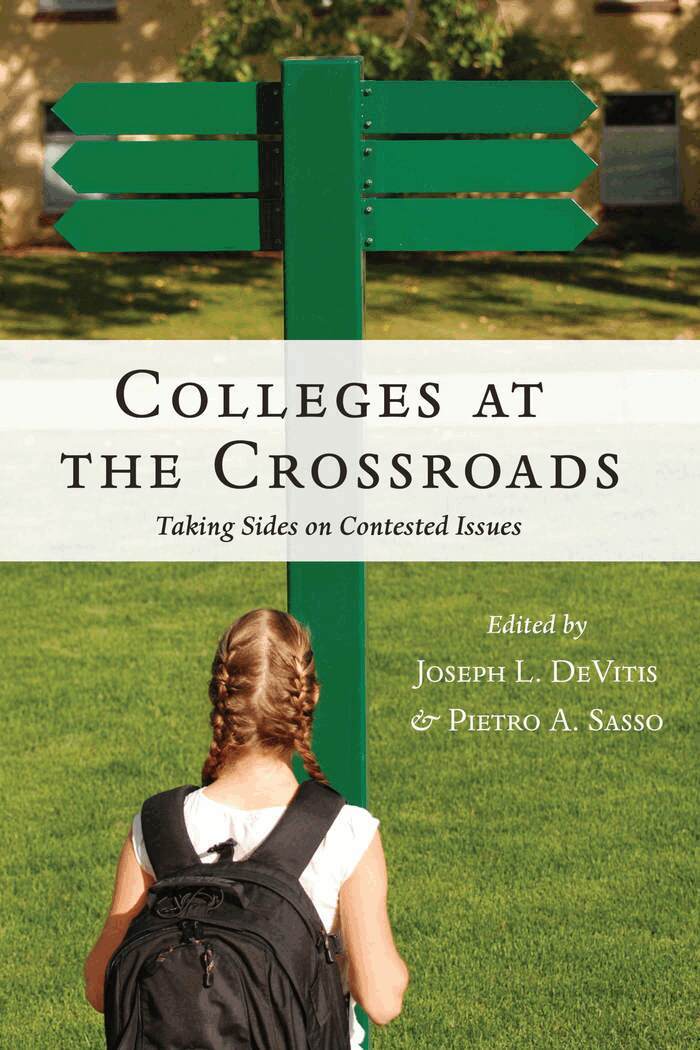
Focusing on crucial issues in higher education, this book challenges readers to go beyond taken-for-granted assumptions about America’s colleges and universities and instead critically examine important questions facing them in today’s troubled world. Each chapter presents divergent perspectives, that is, "pro" and "con" views, in the hope of stimulating reasoned dialogue among students, faculty, administrators, and the public at large. Readers will explore how internal factors in the academic community often interact with external social, economic, and political influences to produce conflictual results. They will see that academe is hardly value-neutral and inevitably political. This book urges them to transcend strident political persuasion and instead engage in the careful analysis needed to make colleges better.The text provides in-depth appraisal of key topics of controversy: the purposes of higher education, liberal education, academic freedom, political correctness, tenure, shared governance, faculty workload, admissions tests, student learning, Greek life, the worth of college, equity and social justice, athletics, student entitlement, technology and distance instruction, and college amenities. The book will appeal to students, faculty, staff, and all those interested in the future of higher education. It is especially useful for courses in contemporary issues in higher education, foundations of higher education, higher education and society, college student development, and the organization and administration of higher education.
Del 517 - Counterpoints
Colleges at the Crossroads
Taking Sides on Contested Issues
Inbunden, Engelska, 2018
1 189 kr
Skickas inom 5-8 vardagar
Focusing on crucial issues in higher education, this book challenges readers to go beyond taken-for-granted assumptions about America’s colleges and universities and instead critically examine important questions facing them in today’s troubled world. Each chapter presents divergent perspectives, that is, "pro" and "con" views, in the hope of stimulating reasoned dialogue among students, faculty, administrators, and the public at large. Readers will explore how internal factors in the academic community often interact with external social, economic, and political influences to produce conflictual results. They will see that academe is hardly value-neutral and inevitably political. This book urges them to transcend strident political persuasion and instead engage in the careful analysis needed to make colleges better.The text provides in-depth appraisal of key topics of controversy: the purposes of higher education, liberal education, academic freedom, political correctness, tenure, shared governance, faculty workload, admissions tests, student learning, Greek life, the worth of college, equity and social justice, athletics, student entitlement, technology and distance instruction, and college amenities. The book will appeal to students, faculty, staff, and all those interested in the future of higher education. It is especially useful for courses in contemporary issues in higher education, foundations of higher education, higher education and society, college student development, and the organization and administration of higher education.
Häftad, Engelska, 2024
655 kr
Skickas inom 5-8 vardagar
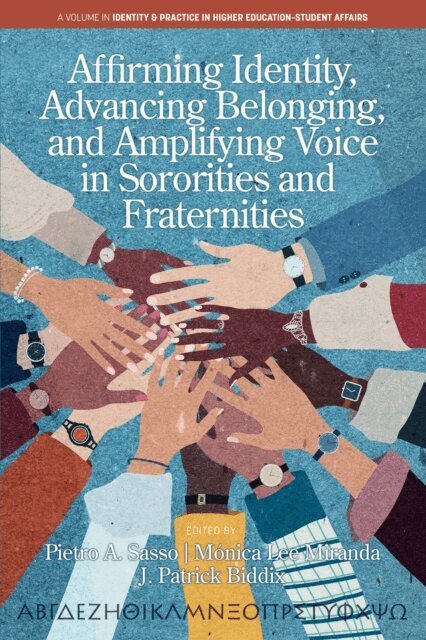
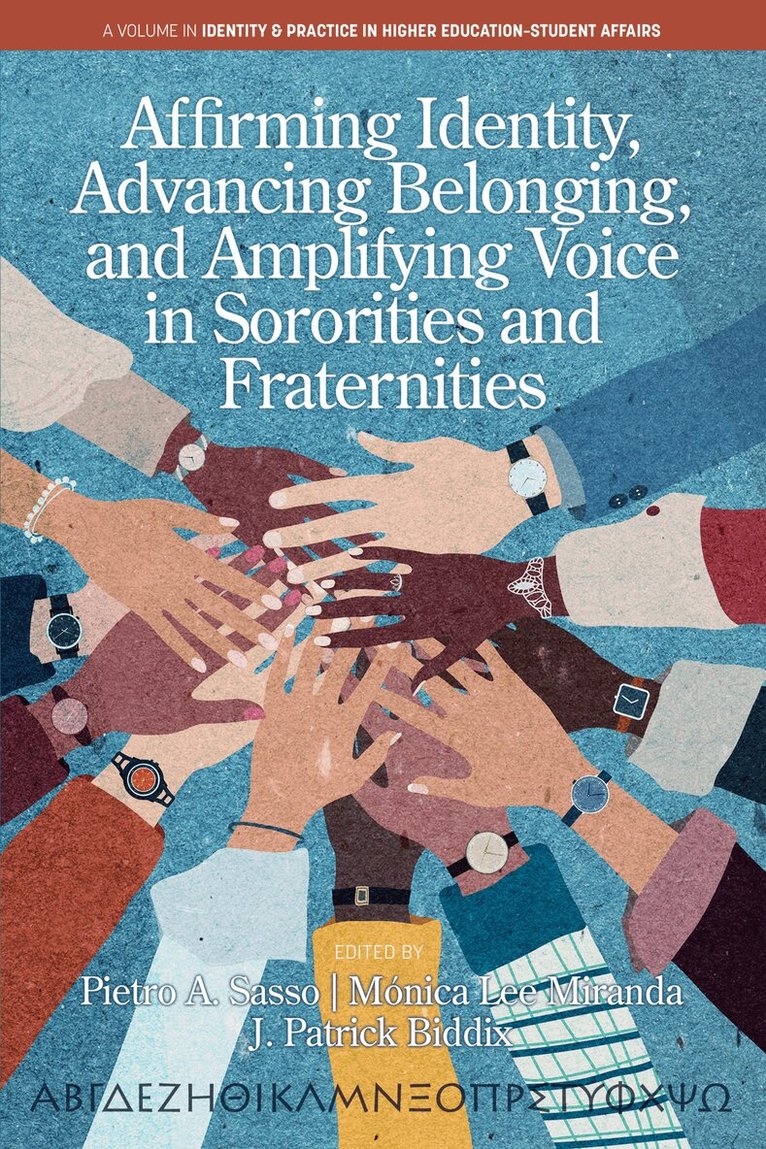
In the wake of the #AbolishGreekLife and other calls for racial justice, the role of identity development also becomes ever increasingly important as we consider how to make the sorority/fraternity more inclusive for our students. In the end, it may really be the power of inclusion on college campuses that leads to many of the educational goals that we yearn for in student growth: the formal and informal social interactions, bonded in reflective learning, that help build social and academic success. In this we can celebrate together, especially those of us who have romanticized so many 'bright college years.' This text is a response to a call for existential exploration as an attempt to critically revivify our understanding of the sorority/fraternity experience as it contributes specifically to students’ identity development and learning.The text is grouped around centering their experiences through three A’s: Amplifying Voice, Affirming Identity, and Advancing Belonging to highlight the identity experiences of the diverse spectrum of fraternity and sorority members across the intersections of identity so often excluded from the literature. Chapters in this text attempt to foreground how the fraternity/sorority experience explicitly contributes to these areas of student development across multiple identities including race, ethnicity, culture, gender identity, social class, and ability.Authors critically interrogate systems of oppressions that subjugate marginality from those with intersectional identities to recognize the larger challenges facing the sorority/fraternity movement as an attempt to disrupt these systems to better identify influences on identity development.
Inbunden, Engelska, 2024
1 108 kr
Skickas inom 5-8 vardagar
In the wake of the #AbolishGreekLife and other calls for racial justice, the role of identity development also becomes ever increasingly important as we consider how to make the sorority/fraternity more inclusive for our students. In the end, it may really be the power of inclusion on college campuses that leads to many of the educational goals that we yearn for in student growth: the formal and informal social interactions, bonded in reflective learning, that help build social and academic success. In this we can celebrate together, especially those of us who have romanticized so many 'bright college years.' This text is a response to a call for existential exploration as an attempt to critically revivify our understanding of the sorority/fraternity experience as it contributes specifically to students’ identity development and learning.The text is grouped around centering their experiences through three A’s: Amplifying Voice, Affirming Identity, and Advancing Belonging to highlight the identity experiences of the diverse spectrum of fraternity and sorority members across the intersections of identity so often excluded from the literature. Chapters in this text attempt to foreground how the fraternity/sorority experience explicitly contributes to these areas of student development across multiple identities including race, ethnicity, culture, gender identity, social class, and ability.Authors critically interrogate systems of oppressions that subjugate marginality from those with intersectional identities to recognize the larger challenges facing the sorority/fraternity movement as an attempt to disrupt these systems to better identify influences on identity development.
Häftad, Engelska, 2024
644 kr
Skickas inom 5-8 vardagar
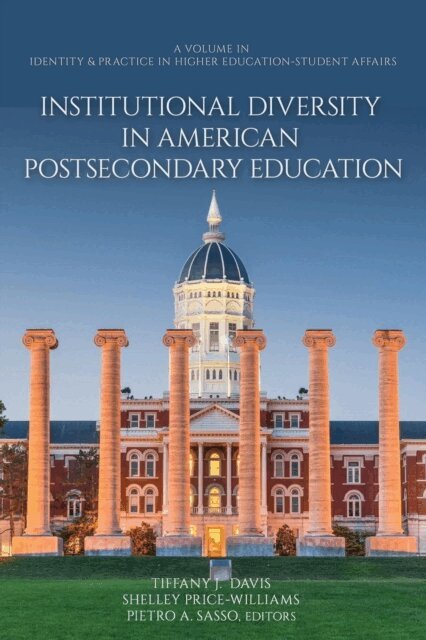
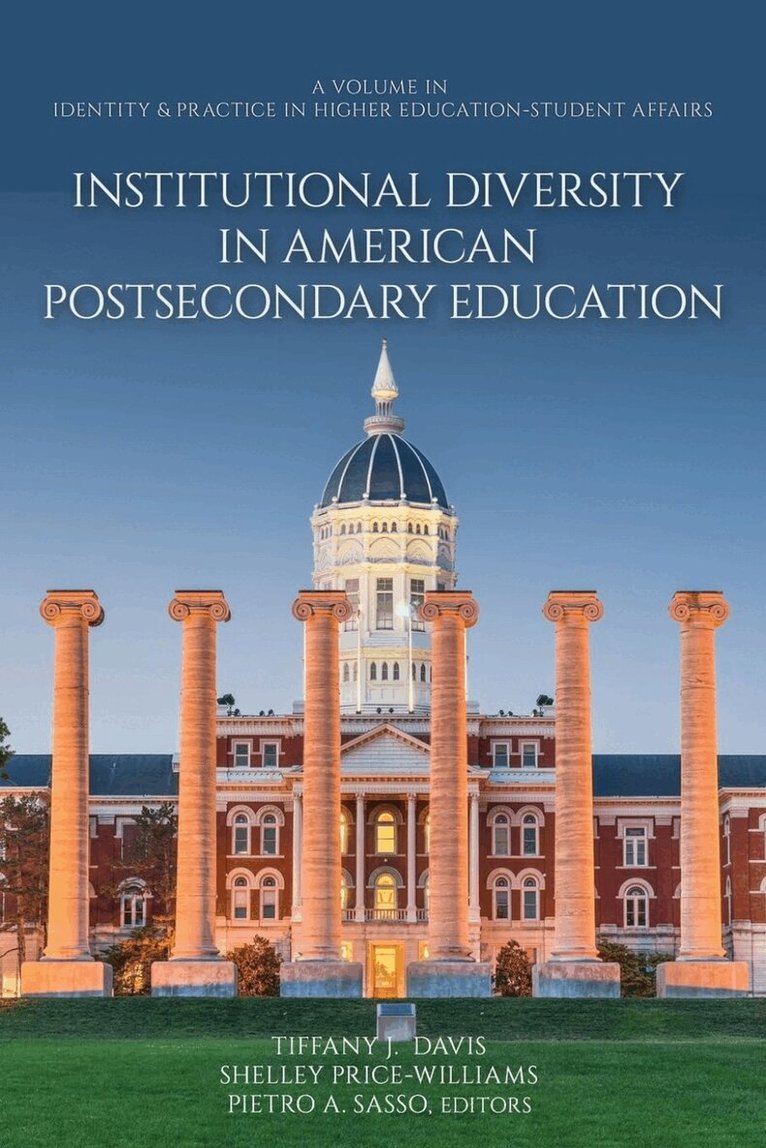
The glossy and polished college videos, view books, and websites catered to the marketplace of students. Some recruitment brochures often discuss famous alumni, athletics championships, and a vibrant student life. Particularly at research universities, marketing materials may even focus on entrepreneurs and medical discoveries. These types of colleges along with others compromise the marketplace of higher education in which different types of colleges exist across a spectrum of missions, institutional sagas, and histories. Within this marketplace is a bewildering and disorienting catalog of different institutional types and classifications. This marketplace also exists within a conglomerate of rankings and ratings that are ordered by US News & World Report and Petersons. Such rankings are often connected to a larger quest for prestige and primarily facilitated by these private-sector publications, but are juxtaposed to the higher education industry-created Carnegie Classification system.The Carnegie Classification system was created as an approach to differentiate the more than 4,000 institutions by size, mission, and scope for research and policy analysis. However, this system is also integrated into broader hierarchies of accreditation and funding. However, the continued reclassification of the system in 2005, 2010, and the addition of new categories in 2018 such as doctoral/professional has advanced to “call attention to- and emphasize the importance of-the considerable institutional diversity of U.S. higher education (2005, p. 52). However, these typologies do not fully describe or conceptualize the organizational, administrative, culture, or student experiences of each of these typologies. The rankings guides and the Carnegie Classification systems often overlook more nuanced institutional types such as faith-based or “works colleges.” They also overlook the role and impact of Minority Serving Institutions (MSI). This lack of recognition often facilitates continued invisibility for different institutional types and the diverse multiple student populations they may educate and support. Therefore, this edited text seeks to expand and further the Carnegie Classification system typology, and beyond the private sector rankings.This text is a response to a call for existential exploration as an attempt to critically revivify our understanding of the various institutional types and is inspired by the words of David Thorton Moore in which it might be heartening to see a cadre of faculty and critical scholars facilitate, “a form of discourse in which teachers and students conduct an unfettered investigation of social institutions, power relations, and value commitment.” In this text, the authors describe and problematize the various institutional types as defined by accreditation, Carnegie classification, and private sector rankings.
Inbunden, Engelska, 2024
1 140 kr
Skickas inom 5-8 vardagar
The glossy and polished college videos, view books, and websites catered to the marketplace of students. Some recruitment brochures often discuss famous alumni, athletics championships, and a vibrant student life. Particularly at research universities, marketing materials may even focus on entrepreneurs and medical discoveries. These types of colleges along with others compromise the marketplace of higher education in which different types of colleges exist across a spectrum of missions, institutional sagas, and histories. Within this marketplace is a bewildering and disorienting catalog of different institutional types and classifications. This marketplace also exists within a conglomerate of rankings and ratings that are ordered by US News & World Report and Petersons. Such rankings are often connected to a larger quest for prestige and primarily facilitated by these private-sector publications, but are juxtaposed to the higher education industry-created Carnegie Classification system.The Carnegie Classification system was created as an approach to differentiate the more than 4,000 institutions by size, mission, and scope for research and policy analysis. However, this system is also integrated into broader hierarchies of accreditation and funding. However, the continued reclassification of the system in 2005, 2010, and the addition of new categories in 2018 such as doctoral/professional has advanced to “call attention to- and emphasize the importance of-the considerable institutional diversity of U.S. higher education (2005, p. 52). However, these typologies do not fully describe or conceptualize the organizational, administrative, culture, or student experiences of each of these typologies. The rankings guides and the Carnegie Classification systems often overlook more nuanced institutional types such as faith-based or “works colleges.” They also overlook the role and impact of Minority Serving Institutions (MSI). This lack of recognition often facilitates continued invisibility for different institutional types and the diverse multiple student populations they may educate and support. Therefore, this edited text seeks to expand and further the Carnegie Classification system typology, and beyond the private sector rankings.This text is a response to a call for existential exploration as an attempt to critically revivify our understanding of the various institutional types and is inspired by the words of David Thorton Moore in which it might be heartening to see a cadre of faculty and critical scholars facilitate, “a form of discourse in which teachers and students conduct an unfettered investigation of social institutions, power relations, and value commitment.” In this text, the authors describe and problematize the various institutional types as defined by accreditation, Carnegie classification, and private sector rankings.
Häftad, Engelska, 2024
590 kr
Skickas inom 5-8 vardagar
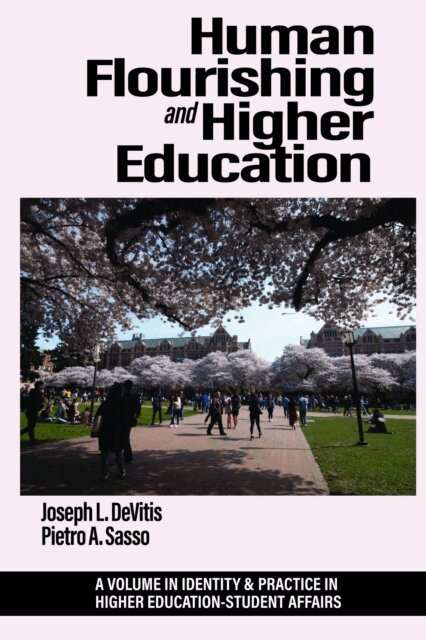
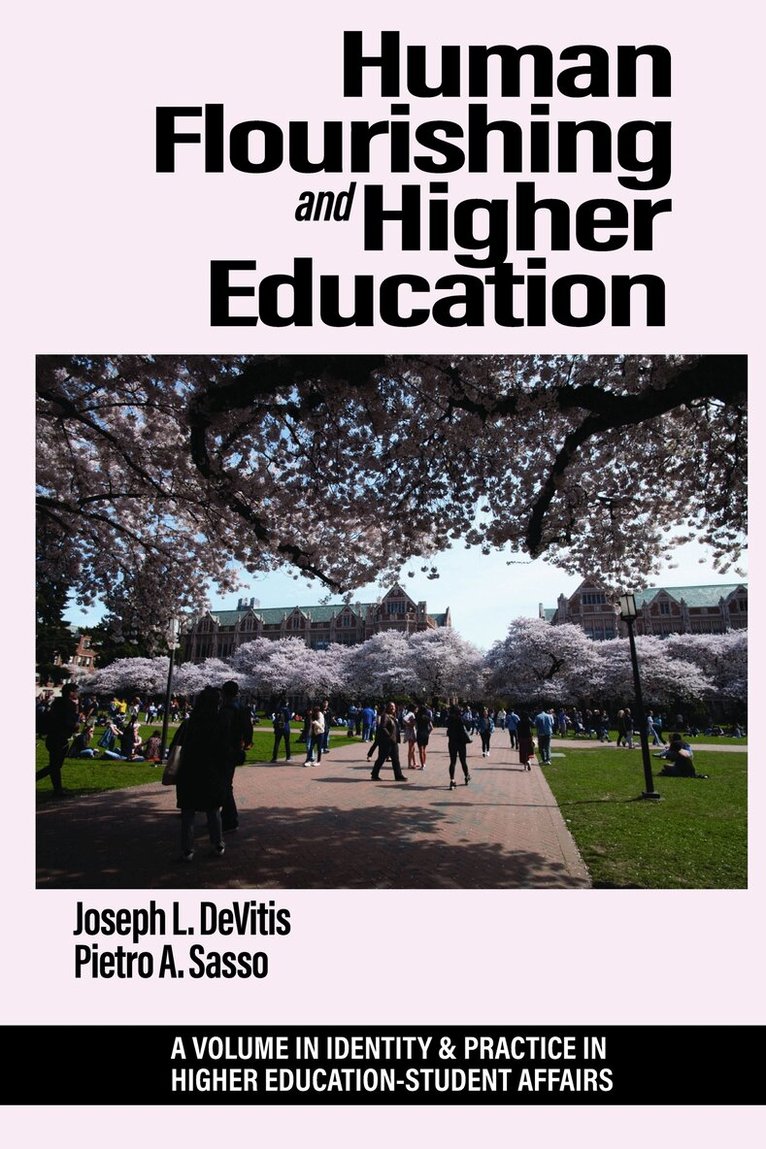
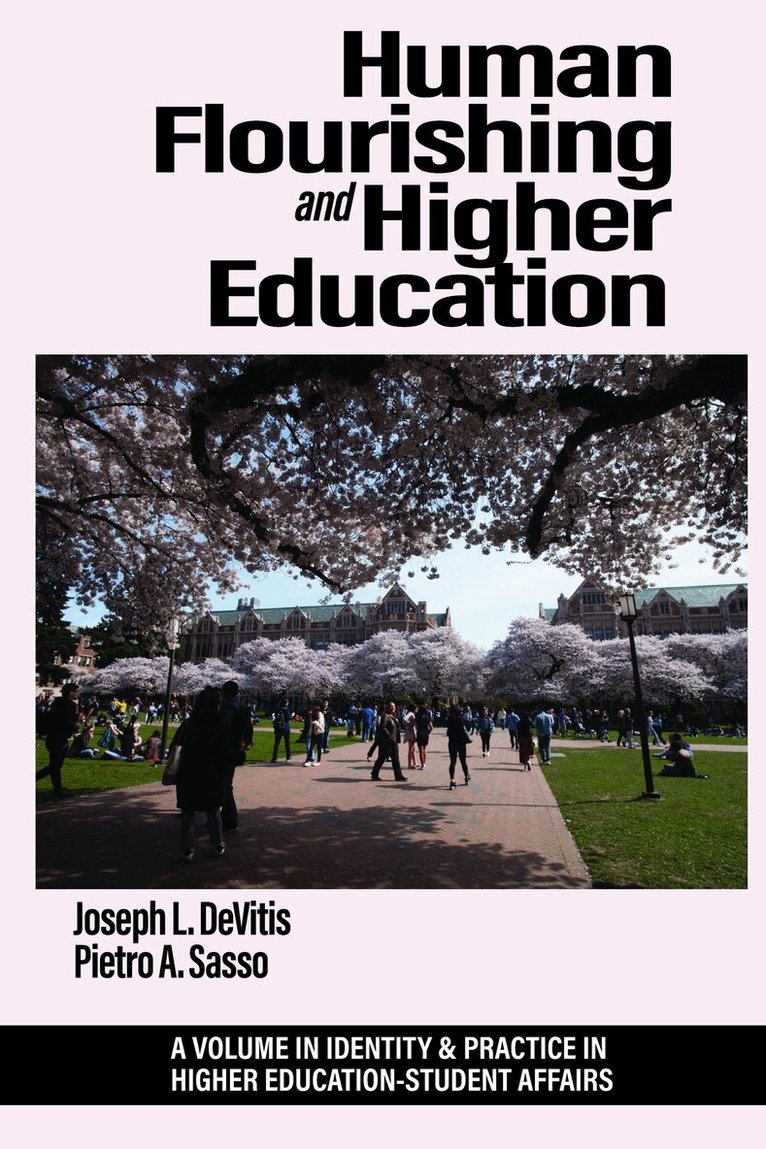
This book provides a more overarching, inclusive, appraisal of “human flourishing,” especially as it applies to the larger society and higher education. In an increasingly fractured world, it is imperative that both internal (individual) attributes of that notion be juxtaposed with external (social, economic, and political) factors that may either enhance or constrain development toward a more fulsome realization of “human flourishing.” The text focuses more on external contingencies since that side of the equation has been more submerged through history than the former model. Thus, the chapters take on a kind of Deweyan approach in that they simultaneously treat school and society, rather than a narrow look at only higher education. The methodological lenses for the book include critical pedagogy, critical social theory, philosophical analysis, and qualitative research.The volume uses the term “human flourishing,” as opposed to “human thriving,” because (1) it connotes a fuller flavor for the means and ends in developing both individuals and societies; (2) “thriving” sometimes connotes a sense of status, a problematic aspirational goal; (3) more universities and colleges are creating “centers for human flourishing,” as in the case of Baylor, Harvard, Notre Dame of Maryland, and Stanford. In sum, “human flourishing” seems more attuned to the larger aims of liberal education, building a good life and a saner society, and the forging of continuous efforts toward higher ethical aims. Indeed, it is more synonymous with fulsome growth in individual identity and the enrichment of cultural development within a pluralistic world.
Inbunden, Engelska, 2024
1 043 kr
Skickas inom 5-8 vardagar
This book provides a more overarching, inclusive, appraisal of “human flourishing,” especially as it applies to the larger society and higher education. In an increasingly fractured world, it is imperative that both internal (individual) attributes of that notion be juxtaposed with external (social, economic, and political) factors that may either enhance or constrain development toward a more fulsome realization of “human flourishing.” The text focuses more on external contingencies since that side of the equation has been more submerged through history than the former model. Thus, the chapters take on a kind of Deweyan approach in that they simultaneously treat school and society, rather than a narrow look at only higher education. The methodological lenses for the book include critical pedagogy, critical social theory, philosophical analysis, and qualitative research.The volume uses the term “human flourishing,” as opposed to “human thriving,” because (1) it connotes a fuller flavor for the means and ends in developing both individuals and societies; (2) “thriving” sometimes connotes a sense of status, a problematic aspirational goal; (3) more universities and colleges are creating “centers for human flourishing,” as in the case of Baylor, Harvard, Notre Dame of Maryland, and Stanford. In sum, “human flourishing” seems more attuned to the larger aims of liberal education, building a good life and a saner society, and the forging of continuous efforts toward higher ethical aims. Indeed, it is more synonymous with fulsome growth in individual identity and the enrichment of cultural development within a pluralistic world.
Häftad, Engelska, 2025
670 kr
Skickas
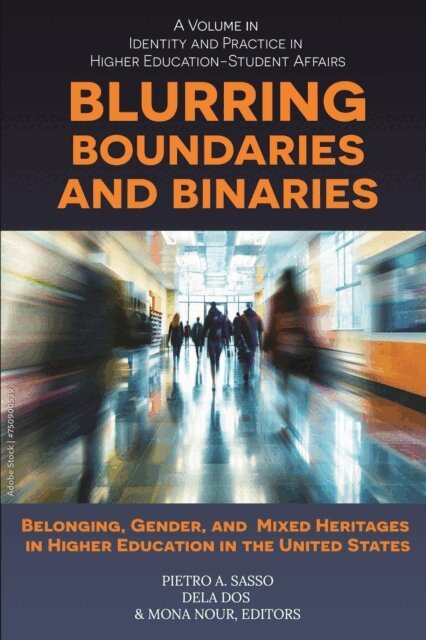
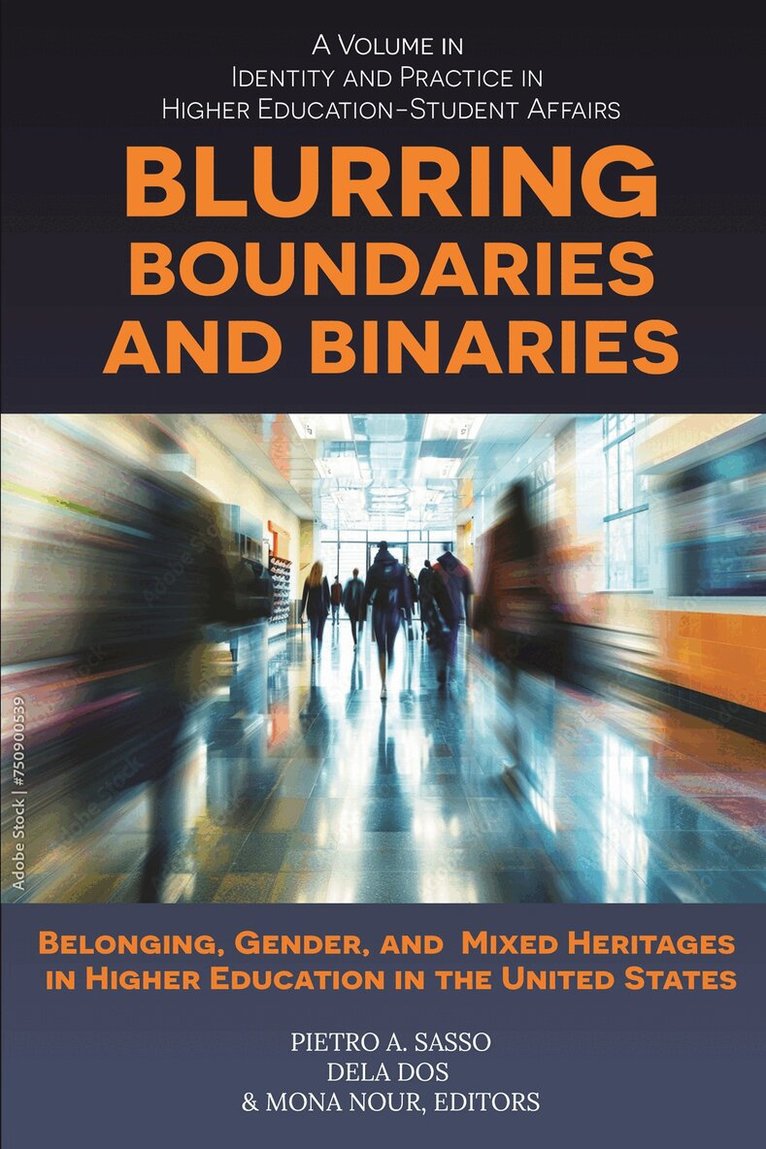
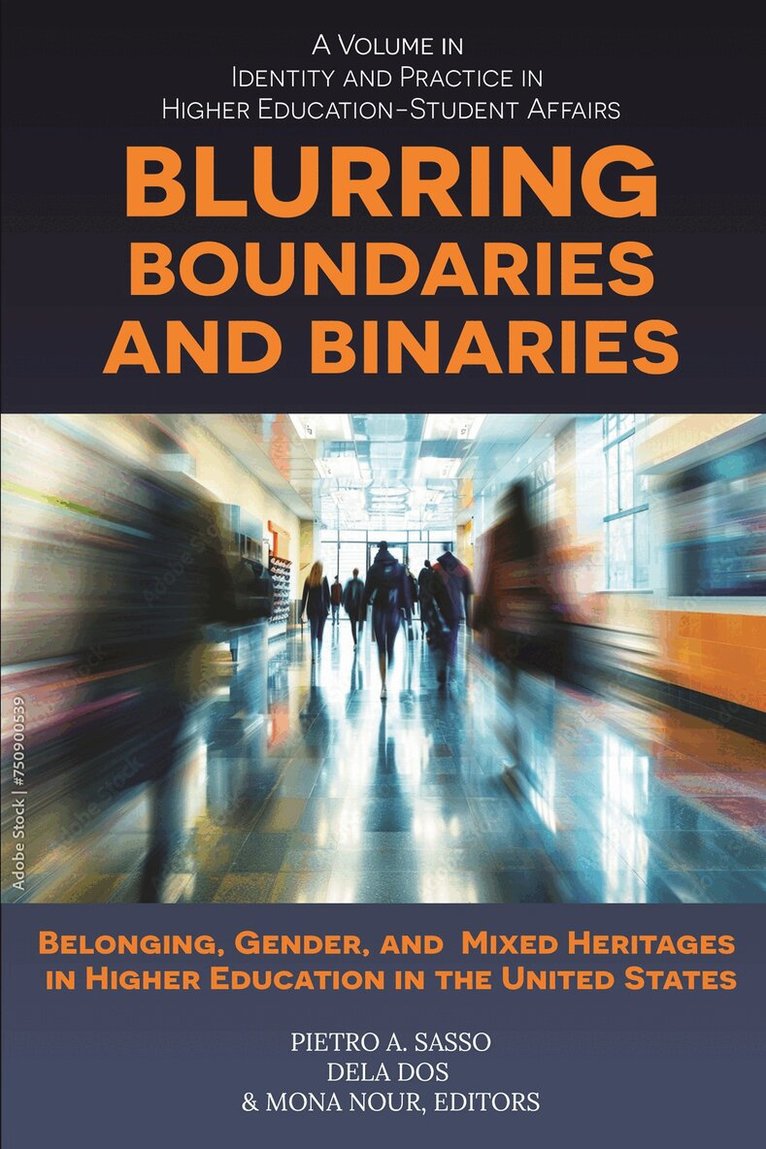
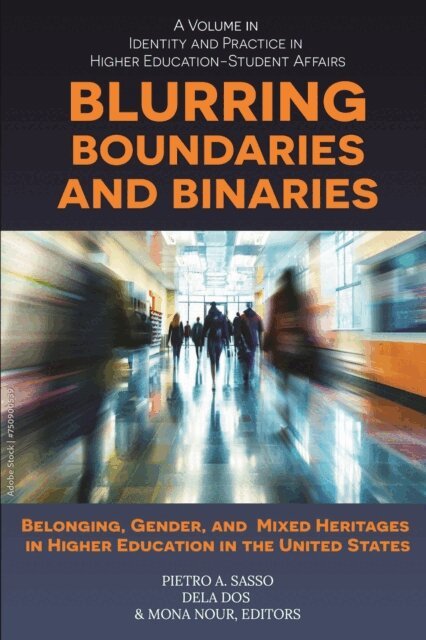
Multiraciality is not an identity to be fractured or abstracted by others, but rather integrated across multiple racial locations. Multiraciality is sophisticated and its weaving of complexity into forging new congruence posits new ways to understand identity. Multiraciality disrupts monoracial constructs and can be disorienting to others who are unable to have sufficient knowledge of self to be able to conceptualize that other persons occupy multiple racial locations across broader systems of culture and identity domains. Multiraciality is to be celebrated, explored, and made visible. Thus, this text is also reflected of different author identities and from the different academic disciplines of education, sociology, and counseling.
Inbunden, Engelska, 2025
1 173 kr
Skickas inom 5-8 vardagar
Multiraciality is not an identity to be fractured or abstracted by others, but rather integrated across multiple racial locations. Multiraciality is sophisticated and its weaving of complexity into forging new congruence posits new ways to understand identity. Multiraciality disrupts monoracial constructs and can be disorienting to others who are unable to have sufficient knowledge of self to be able to conceptualize that other persons occupy multiple racial locations across broader systems of culture and identity domains. Multiraciality is to be celebrated, explored, and made visible. Thus, this text is also reflected of different author identities and from the different academic disciplines of education, sociology, and counseling.