Piotr Forecki – författare
Visar alla böcker från författaren Piotr Forecki. Handla med fri frakt och snabb leverans.
3 produkter
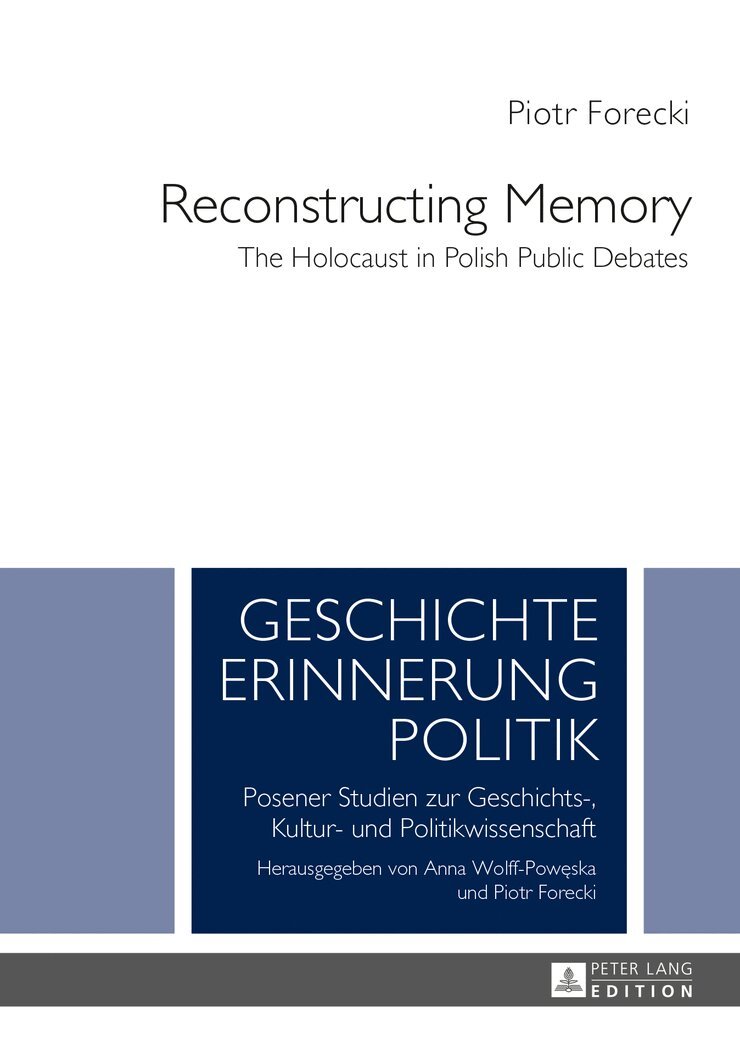
Reconstructing Memory
The Holocaust in Polish Public Debates
Inbunden, 2013
828 kr
Lägg i varukorg
The book aims to reconstruct and analyze the disputes over the Polish-Jewish past and memory in public debates in Poland between 1985 and 2012, from the discussions about Claude Lanzmann’s Shoah, Jan Błoński’s essay The Poor Poles Look at the Ghetto, Jan Tomasz Gross’ books Neighbours, Fear and …
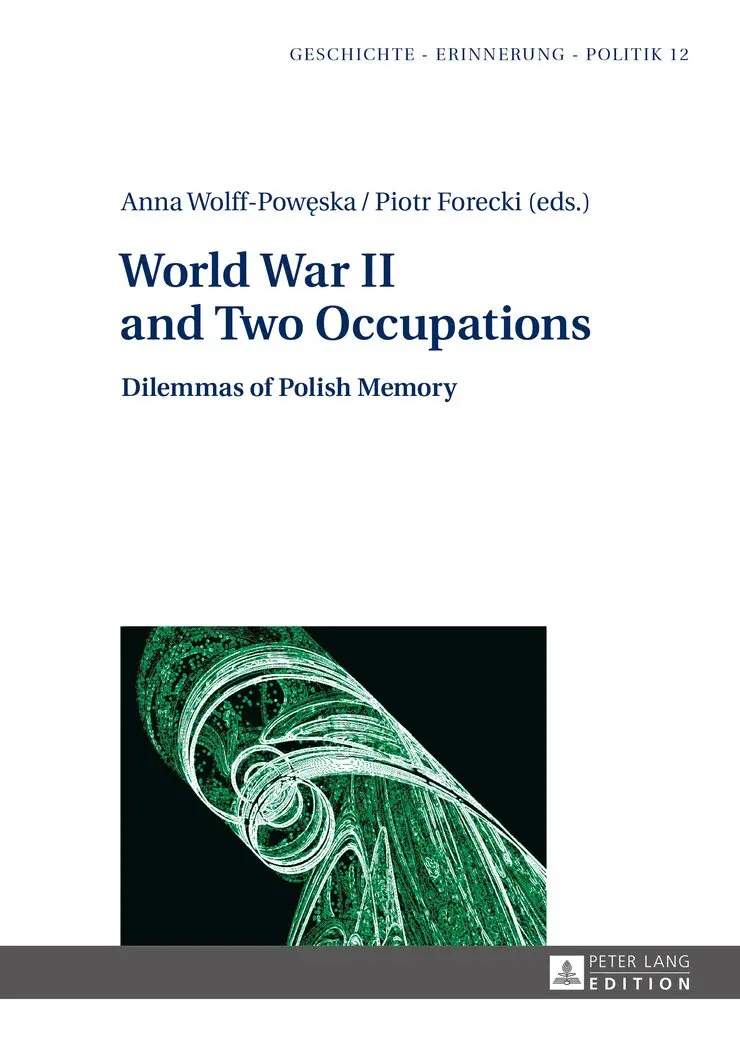
World War II and Two Occupations
Dilemmas of Polish Memory
Av Anna Wolff-Powęska, Piotr Forecki
Inbunden, 2016
869 kr
Lägg i varukorg
This anthology presents the work of several authors from different academic disciplines. Film and literature experts, sociologists, historians and theatrologists analyse the Polish memory of the Nazi and Stalinist occupations, which are key components of Polish collective identity. Before the …
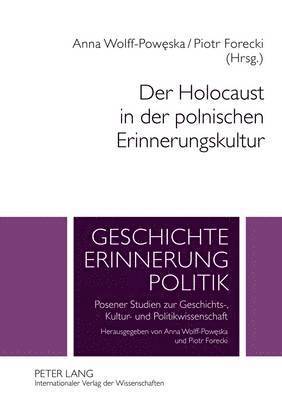
Der Holocaust in Der Polnischen Erinnerungskultur
Av Anna Wolff-Poweska, Piotr Forecki
Inbunden, 2012
691 kr
Tillfälligt slut
Dieses Buch ist ein Versuch des Entgegenkommens und der Aufnahme eines Dialogs der Erinnerungen. Es geht dabei um die Menschen, die seit Jahrhunderten auf polnischem Boden gelebt hatten, die zur Schatzkammer der polnischen Kultur einen gewaltigen Beitrag geleistet hatten und die die deutsche …