Piotr Zientara – författare
Visar alla böcker från författaren Piotr Zientara. Handla med fri frakt och snabb leverans.
9 produkter
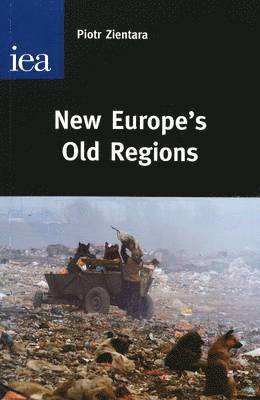
New Europe's Old Regions
Häftad, 2008
249 kr
Lägg i varukorg
The recent accession of the former communist countries of Central and Eastern Europe to the European Union significantly changed many of its social and economic characteristics. For example, a situation was created where income differences between regions in the EU are on a par with those between …
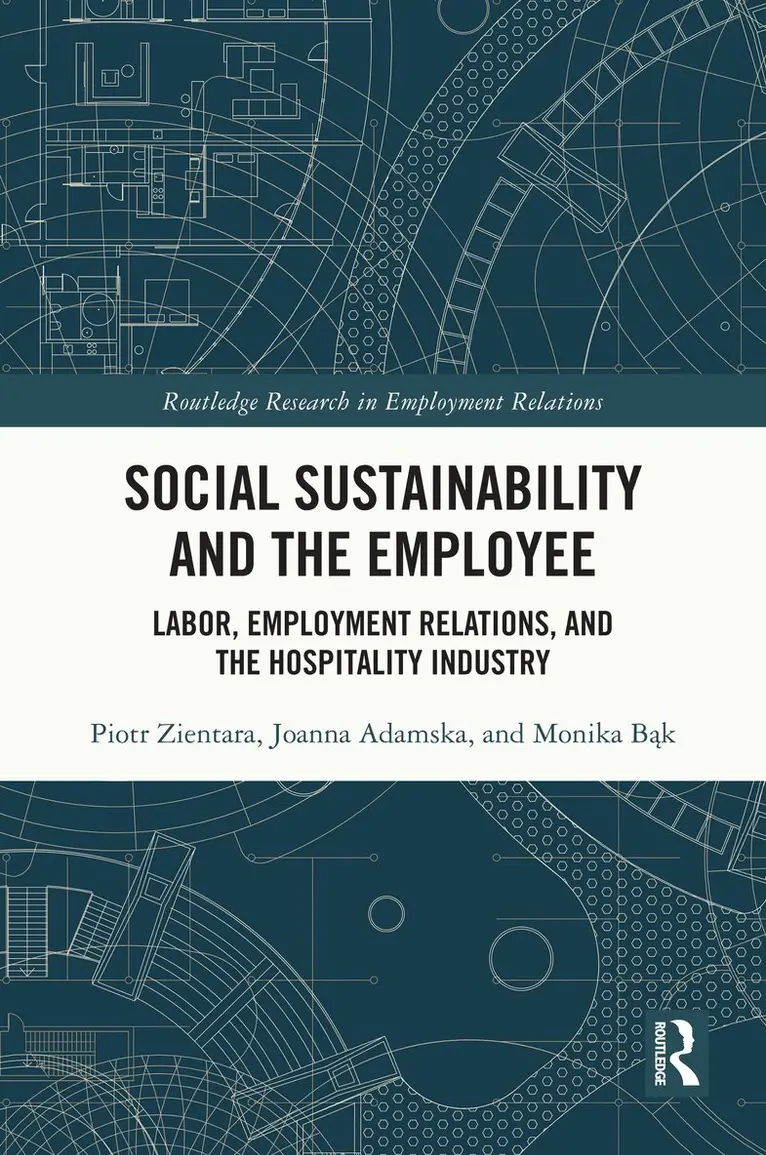
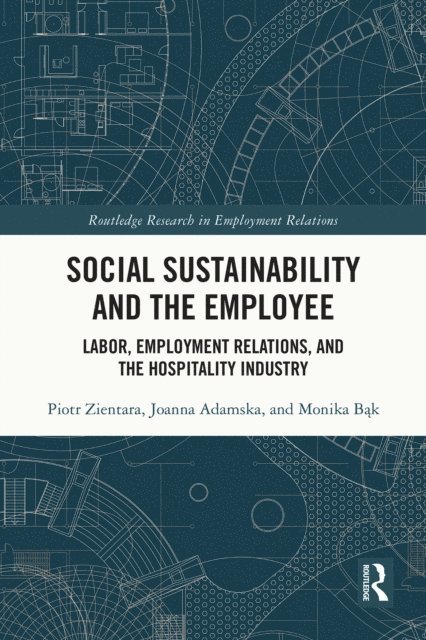
Social Sustainability and the Employee
Labor, Employment Relations, and the Hospitality Industry
Av Piotr Zientara, Joanna Adamska m. fl.
Inbunden, 2025
2581 kr
Lägg i varukorg
This research monograph delves into the pressing issue of employee-centered social sustainability in the hospitality industry. Through empirical studies and content analysis of CSR reports, it highlights the significant challenges faced by frontline hospitality workers – such as low wages, job …
Social Sustainability and the Employee
Labor, Employment Relations, and the Hospitality Industry
Av Piotr Zientara, Joanna Adamska m. fl.
Häftad, 2026
725 kr
Lägg i varukorg
This research monograph delves into the pressing issue of employee-centered social sustainability in the hospitality industry. Through empirical studies and content analysis of CSR reports, it highlights the significant challenges faced by frontline hospitality workers – such as low wages, job …
Social Sustainability and the Employee
Labor, Employment Relations, and the Hospitality Industry
Av Monika Bak, Joanna Adamska m. fl.
E-bok, 2025
856 kr
Lägg i varukorg
This research monograph delves into the pressing issue of employee-centered social sustainability in the hospitality industry. Through empirical studies and content analysis of CSR reports, it highlights the significant challenges faced by frontline hospitality workers – such as low wages, job …
Social Sustainability and the Employee
Labor, Employment Relations, and the Hospitality Industry
Av Monika Bak, Joanna Adamska m. fl.
E-bok, 2025
856 kr
Lägg i varukorg
This research monograph delves into the pressing issue of employee-centered social sustainability in the hospitality industry. Through empirical studies and content analysis of CSR reports, it highlights the significant challenges faced by frontline hospitality workers – such as low wages, job …
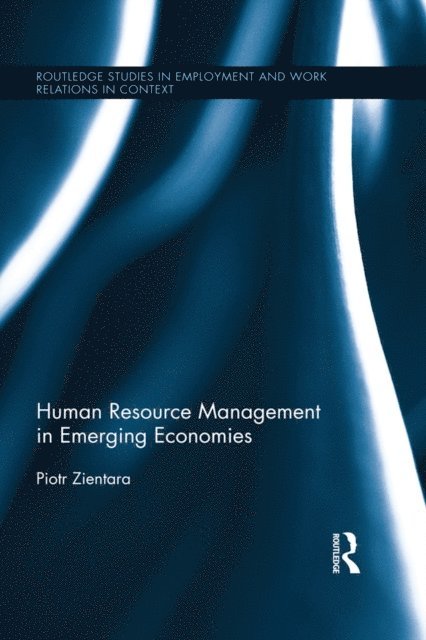
Human Resource Management in Emerging Economies
Häftad, 2018
770 kr
Lägg i varukorg
The demise of communism in 1989 in eastern Europe, followed by the break-up of the Soviet Union and the spectacular rise of China and India in the 1990s, brought about a new world order. In eastern Europe communism not only caused large-scale impoverishment and technological slowing, but also …
Human Resource Management in Emerging Economies
Inbunden, 2014
2581 kr
Lägg i varukorg
The demise of communism in 1989 in eastern Europe, followed by the break-up of the Soviet Union and the spectacular rise of China and India in the 1990s, brought about a new world order. In eastern Europe communism not only caused large-scale impoverishment and technological slowing, but also …
Human Resource Management in Emerging Economies
E-bok, 2014
910 kr
Lägg i varukorg
The demise of communism in 1989 in eastern Europe, followed by the break-up of the Soviet Union and the spectacular rise of China and India in the 1990s, brought about a new world order. In eastern Europe communism not only caused large-scale impoverishment and technological slowing, but also …
Human Resource Management in Emerging Economies
E-bok, 2014
910 kr
Lägg i varukorg
The demise of communism in 1989 in eastern Europe, followed by the break-up of the Soviet Union and the spectacular rise of China and India in the 1990s, brought about a new world order. In eastern Europe communism not only caused large-scale impoverishment and technological slowing, but also …