Pippa Virdee – författare
Visar alla böcker från författaren Pippa Virdee. Handla med fri frakt och snabb leverans.
6 produkter
Pakistan
A Very Short Introduction
Av Pippa Virdee
E-bok, 2021
95 kr
Lägg i varukorg
What is Pakistan? The name refers to a seventy-year-old post-colonial product of the bloodiest partition of territory and population that accompanied the end of British empire in South Asia. But the region of the Indus Valley has a four-thousand-year-old history, and was the site of one of the …
Pakistan
A Very Short Introduction
Av Pippa Virdee
E-bok, 2021
95 kr
Lägg i varukorg
What is Pakistan? The name refers to a seventy-year-old post-colonial product of the bloodiest partition of territory and population that accompanied the end of British empire in South Asia. But the region of the Indus Valley has a four-thousand-year-old history, and was the site of one of the …
Pakistan
A Very Short Introduction
Av Pippa Virdee
Häftad, 2021
114 kr
Lägg i varukorg
What is Pakistan? The name refers to a seventy-year-old post-colonial product of the bloodiest partition of territory and population that accompanied the end of British empire in South Asia. But the region of the Indus Valley has a four-thousand-year-old history, and was the site of one of the …
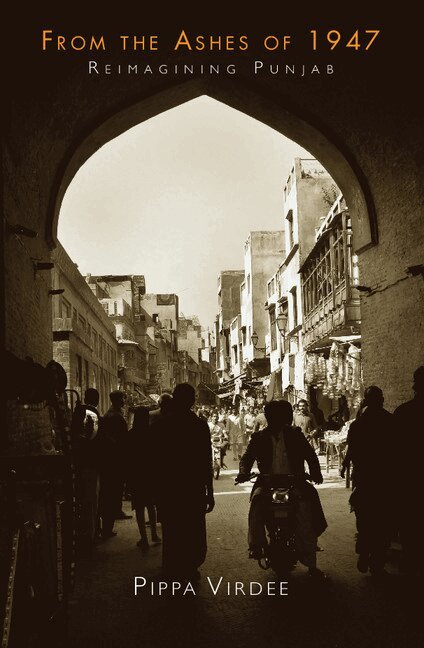
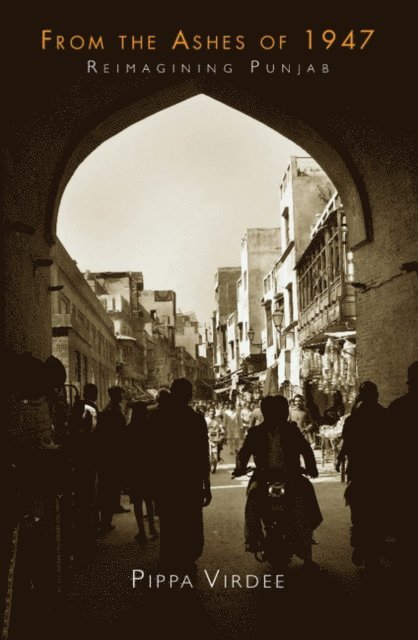
From the Ashes of 1947
Reimagining Punjab
Av Pippa Virdee
Inbunden, 2018
1391 kr
Lägg i varukorg
This book revisits the partition of the British Indian province of Punjab, its attendant violence and, as a consequence, the divided and dislocated Punjabi lives. Navigating nostalgia and trauma, dreams and laments, identity(s) and homeland(s), it explores the partition of the very idea of …
From the Ashes of 1947
Reimagining Punjab
Av Pippa Virdee
E-bok, 2018
1377 kr
Lägg i varukorg
This book revisits the partition of the British Indian province of Punjab, its attendant violence and, as a consequence, the divided and dislocated Punjabi lives. Navigating nostalgia and trauma, dreams and laments, identity(s) and homeland(s), it explores the partition of the very idea of …
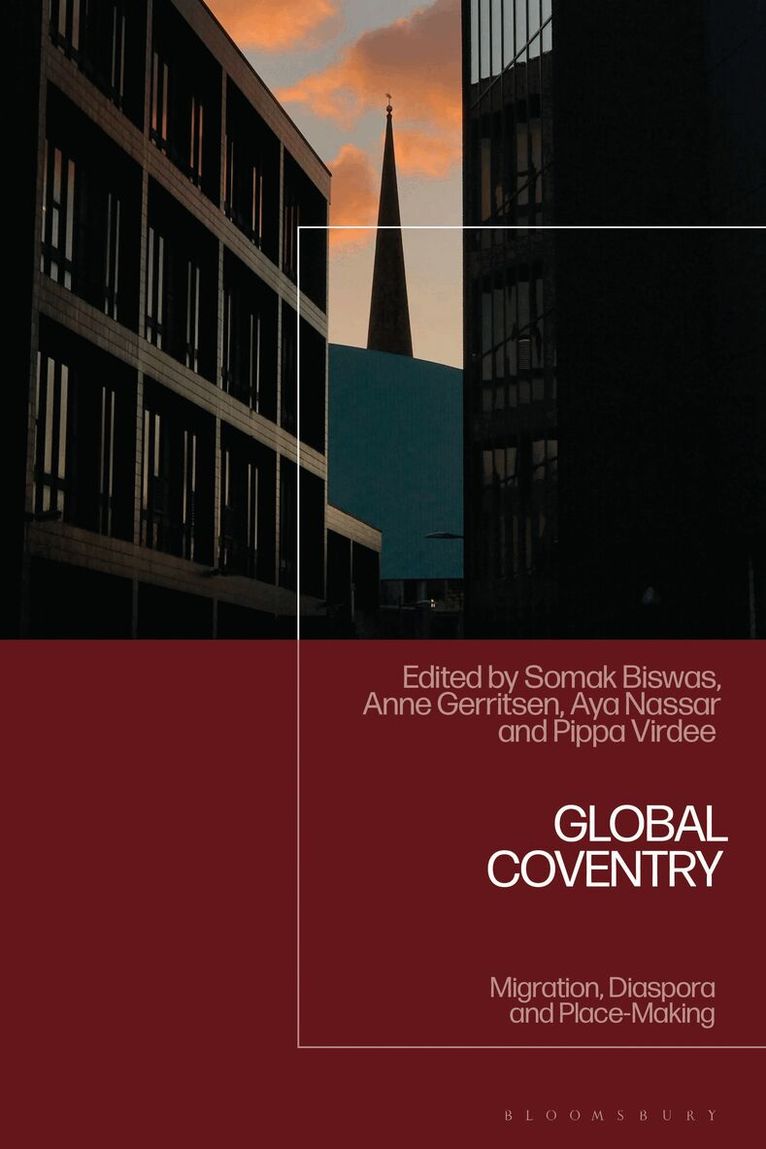
Global Coventry
Migration, Diaspora and Place-Making
Av Anne Gerritsen, Somak Biswas m. fl.
Inbunden, 2027
1231 kr
Kommande
This exciting collection of interdisciplinary essays studies the cultural history of Coventry’s global populations.Coventry has long been a place where diverse cultures mix. Attracting workers, traders and artisans, as well as migrants, refugees and students, the city is home to an incredible range …