Pramod Kapoor – författare
Visar alla böcker från författaren Pramod Kapoor. Handla med fri frakt och snabb leverans.
9 produkter
9 produkter
E-bok
Engelska, 201815 kr
Läs direkt efter köp
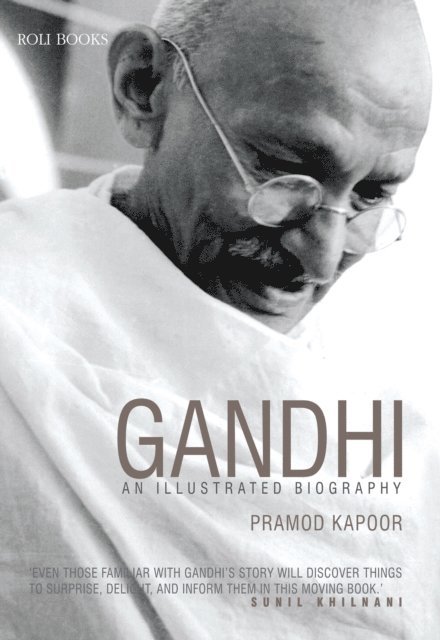
His life and ideals remain an inspiration across the world but in reality, it was the complexity of his character that made Mohandas Karamchand Gandhi such a fascinating subject. Yet, much of the finer details of his life and intellectual growth has been obscured by the greatness of his achievements. To bring them all together in this illustrated biography is to bring alive one of the most revered figures in modern Indian history and in a way that is a departure from earlier works. Gandhi: An Illustrated Biography is an intimate study into the evolution of a mischievous, fun-loving boy, into the Mahatma. From his schooling and early marriage in Kathiawar to his first brushes with the grandeur of London; from his chance employment for a legal case in South Africa to a train ride in Pietermaritzburg that led to his first fight for equality; from a relatively unsuccessful lawyer to a globally celebrated crusader for human rights Gandhi was that rare rebel who redefined the meaning of mass resistance for generations to come. This book is the result of intensive research and tracks Gandhi s life through photographs sourced from across the world. The chronological text and accompanying photographs bring out his unique complexities his failures and successes, the intimate relations he shared with his contemporaries and the difficult one he shared with his own family. This book is a labour of love and an attempt to portray Gandhi s methods and his message for a new generation of readers.
Inbunden, Engelska, 2024
653 kr
Skickas inom 5-8 vardagar
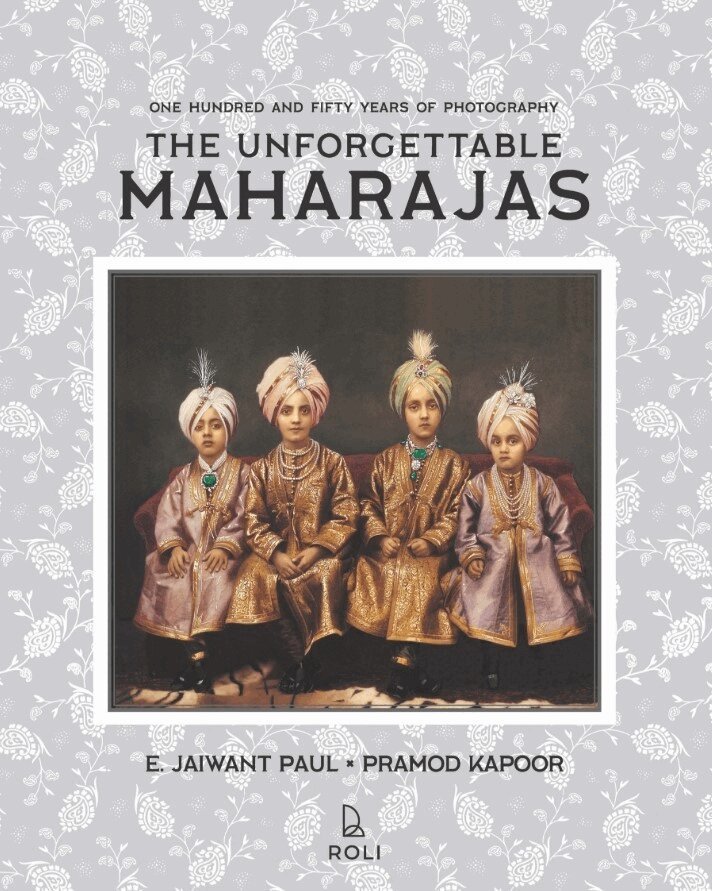
Showcasing an extensive range of photographs from India’s princely states, The Unforgettable Maharajas opens a window into the private lives of the maharajas. Featuring the jewellery, interiors, portraiture and many more aspects of the lives of these majestic families, this luxurious book is a documentation in photographs, of the maharajas of India: undoubtedly one of the greatest anachronizms of the 20th century. Among them were enlightened rulers and profligate princes, saints and scoundrels, heroes and cowards, sadists and boors, charmers and eccentrics. In the eyes of their people, however, they had the divine right to rule and they left the stamp of an unmistakable aura of majesty.A comprehensive collection of historical photographs from princely India, this is also the largest selection of royal pictures in any one book.
Häftad, Engelska, 2025
357 kr
Skickas inom 3-6 vardagar
E-bok
Engelska, 2008107 kr
Läs direkt efter köp
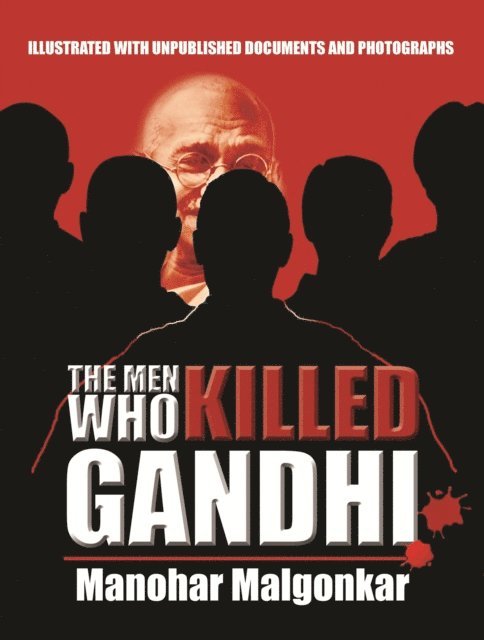
The Men Who Killed Gandhi by Manohar Malgonkar takes readers back into the pages of Indian history during the time of the partition, featuring the murder plot and assassination of Mahatma Gandhi.The Men Who Killed Gandhi is a spellbinding non fictional recreation of the events which led to India's partition, the eventual assassination of Gandhi, and the prosecution of those who were involved in Gandhi's murder. This historical reenactment is set against the tumultuous backdrop of the British Raj. Malgonkar's book is a result of painstaking research and from also having privileged access to many important documents and photographs related to the assassination.There is no doubt that Mahatma Gandhi played a leading role in obtaining independence from the British. But the problems that ensued afterwards, such as the structural rebuilding of the country and the Partition, led to many riots, massive migrations, and deep racial and cultural divides. Not everyone agreed with Gandhi and his ideals. As a result, a plot to assassinate Gandhi was devised by six individuals named, Narayan Apte, Gopal Godse, Madanlal Pahwa, Digambar Badge, and Nathuram Godse. This was eventually carried out in New Delhi, on the 30th of January, 1948. Eventually, these six individuals were tried and convicted. Four of them received life sentences while two of them received the death penalty.The first publication of The Men Who Killed Gandhi occurred in 1978, during the Emergency years. As a result, Malgonkar omitted many vital facts including Dr. Ambedkar's role in minimizing Savarkar's criminal conviction. This 11th edition of the text contains these omitted facts as well as rare documents, and photographs obtained from National Archives. After the four individuals who were convicted for Gandhi's murder completed their life sentences, they were interviewed by Malgonkar. These individuals revealed many details to him which were never known before. The author also received access to the Kapur Commission from his friend Mr. Nayar, who was in the Indian Police Service. As a result, The Men Who Killed Gandhi is considered the most historically accurate account of Gandhi's assassination plot.
E-bok
Engelska, 2022120 kr
Läs direkt efter köp
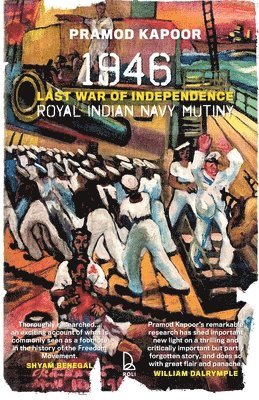
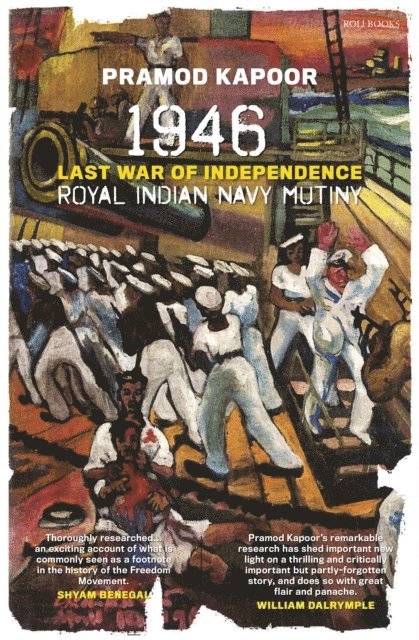
In 1946, 20,000 non-commissioned sailors of the Royal Indian Navy mutinied. They were inspired by the heroism of the Azad Hind Fauj. But their anger was sparked by terrible service conditions, racism, and broken recruitment promises. In less than 48 hours, 20,000 men took over 78 ships and 21 shore establishments and replaced British flags with the entwined flags of the Congress, the Muslim League, and the communists. The British panicked and announced a Cabinet Mission to discuss modalities of transfer of power. By this time, Indian troops had refused to fire on the ratings, and the mutiny sparked revolts in other branches of the armed forces. The young ratings presented a charter of demands, even as they fought pitched battles against British troops. People thronged the streets in support, and hartals were followed by street fights between civilians and British soldiers resulting in over 400 deaths and 1,500 injured. To quell the rebellion, British commanded their powerful warship HMS Glasgow to sail rapidly from Trincomalee and ordered low sorties by the Royal Air Force fighter planes. In retaliation, the ratings trained the guns mounted on the captured ships towards the shore, threatening to blow Gateway of India, Yacht Club, and the dockyards. As violence escalated, telegrams flew between the Viceroy s office and the British Cabinet. The British realized they could no longer hold India by force. While the communists continued to support the rebellious ratings, the Congress and the Muslim League persuaded them to surrender, promising they would not be victimized. Shamefully, years later, the governments of India and Pakistan refused to honour those promises after Independence. The mutiny caused public disagreements between Gandhiji and Aruna Asaf Ali, and between Sardar Patel and Nehru. Historians say it accelerated the transfer of power. But this seminal event, which inspired songs, art and theatre has been edited out of the popular narratives of the Freedom Movement.
Inbunden, Engelska, 2023
575 kr
Skickas inom 5-8 vardagar
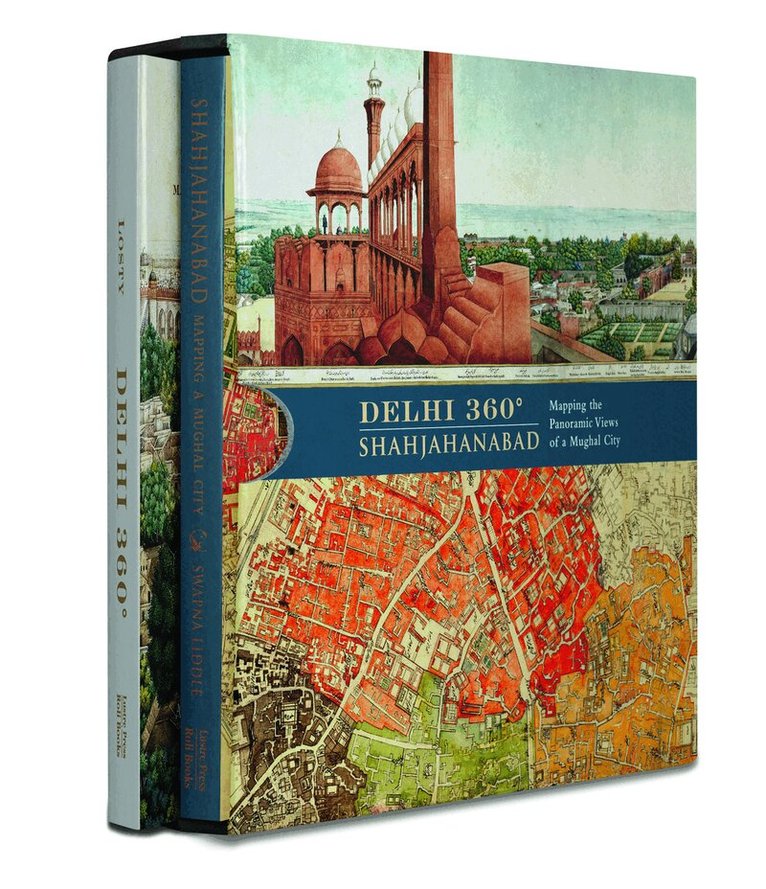
‘I asked my soul: What is Delhi? She replied: The world is the body and Delhi its life.’ So said Mirza Ghalib, poet in the court of the last Mughal emperor, Bahadur Shah Zafar. This special two-book slipcase set on Delhi’s Shahjahanabad, famous for its imperial aura and history, as well as spiritual ambience, is a journey through the majestic Red Fort and the lanes of the living, planned and walled Mughal city on the banks of River Yamuna. Delhi 360°: A Unique Panorama in The British Library Collection. Made in 1846, the painting commonly known as ‘The Delhi Panorama’ by the famous topographical artist Mazhar Ali Khan is the finest artistic rendering of Shahjahanabad ever made. It also affords a unique glimpse into the heart of the imperial palace in the Red Fort before much of it was destroyed after the 1857 Uprising. The 360º view of Delhi along with its extraordinary detailing of the cityscape makes the panorama not just an important historical document but also the masterpiece of its artist. The 5-metre long panorama, in the collection of the British Library since 1981, along with all the Persian and Urdu inscriptions has never before been published complete. Its publication here is accompanied by essays that put the panorama in its historical and artistic context with a commentary on the inscriptions that brings it to life. Shahjahanabad Delhi’s Shahjahanabad was first founded as an empire’s capital at the glorious height of the Mughal dynasty; from this vantage point, it was also witness to the empire’s decline and eventual extinction. The city would transform profoundly in the aftermath of the Revolt of 1857, with many of its neighbourhoods and buildings obliterated, and many of its inhabitants, including the last Mughal emperor, Bahadur Shah Zafar, having left, never to return. Fortunately, a mapmaker, working in 1846, painstakingly depicted important buildings, streets, and landmarks, providing a wealth of information about the city as it had evolved up to that time.
Inbunden, Engelska, 2013
117 kr
Tillfälligt slut
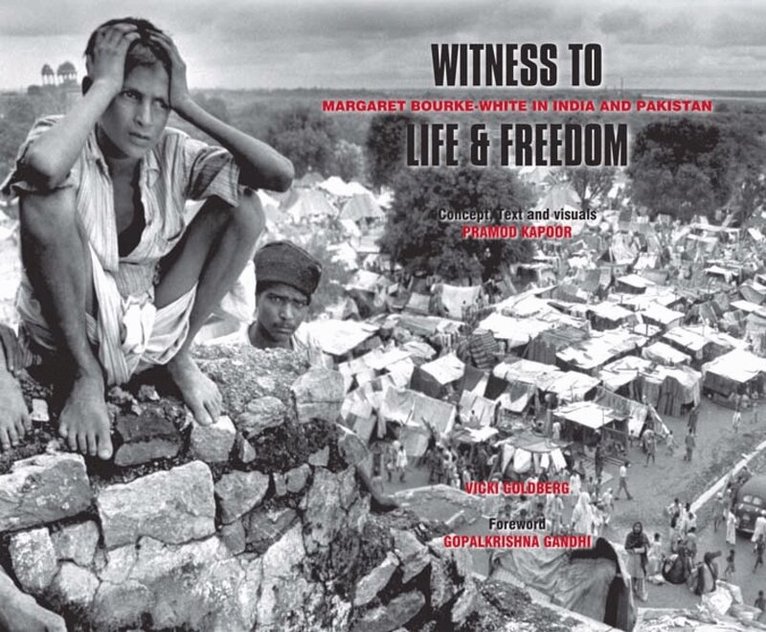
This book is a photo essay on the Partition between India and Pakistan in 1947-48. Margaret Bourke-White captured this and the mayhem of communal violence that followed.
Inbunden, Engelska, 2019
526 kr
Tillfälligt slut
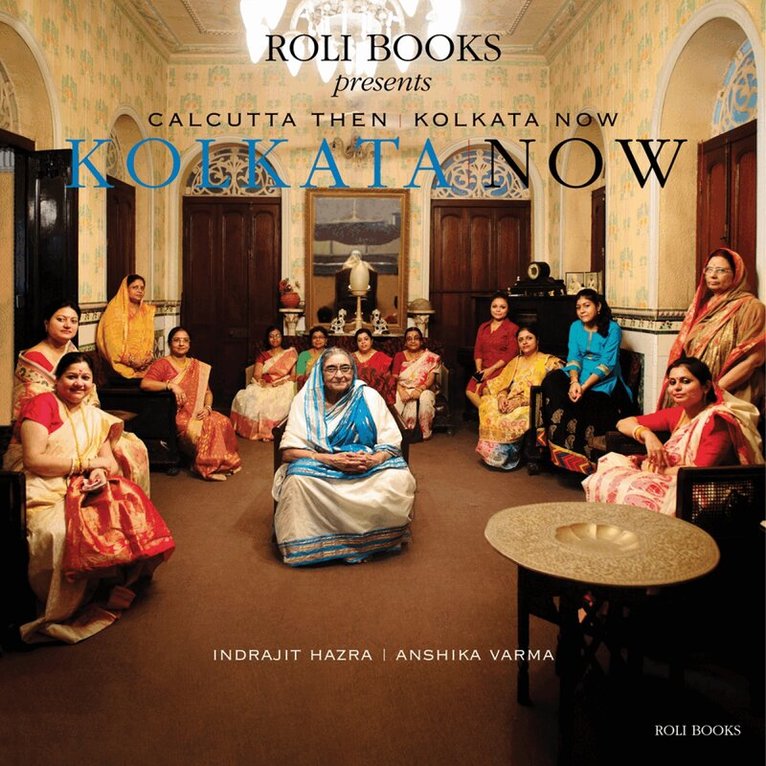
Calcutta Then: Calcutta is where it all began. The city symbolised India's transformation from medievalism to modernity. Kolkata Now: Love it, endure it, call it what you will, Kolkata is Life as 'khaos' as no other city is. Once a bubble, it is today a city that contains a multitude of cities: Kolkata, Calcutta, Kalkatta.
Inbunden, Engelska, 2020
526 kr
Tillfälligt slut
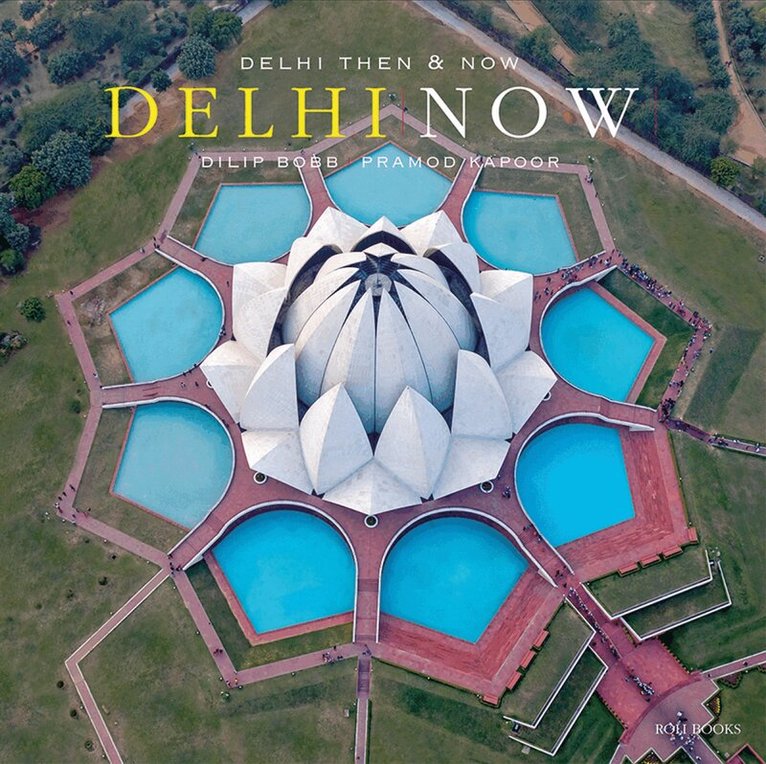
Two extensive essays trace the story of Delhi from the days when it was known by other names Indraprastha, Firozabad, Dinpanah to its reincarnation as New Delhi.