E. Jaiwant Paul – författare
Visar alla böcker från författaren E. Jaiwant Paul. Handla med fri frakt och snabb leverans.
5 produkter
5 produkter
E-bok
Engelska, 2003101 kr
Läs direkt efter köp
Inbunden, Engelska, 2024
653 kr
Skickas inom 5-8 vardagar
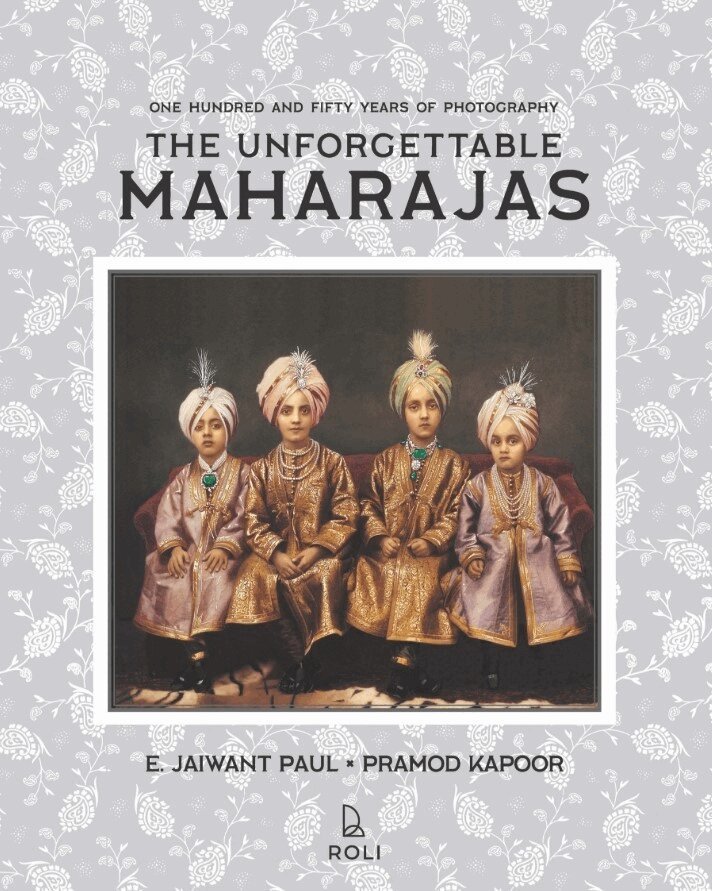
Showcasing an extensive range of photographs from India’s princely states, The Unforgettable Maharajas opens a window into the private lives of the maharajas. Featuring the jewellery, interiors, portraiture and many more aspects of the lives of these majestic families, this luxurious book is a documentation in photographs, of the maharajas of India: undoubtedly one of the greatest anachronizms of the 20th century. Among them were enlightened rulers and profligate princes, saints and scoundrels, heroes and cowards, sadists and boors, charmers and eccentrics. In the eyes of their people, however, they had the divine right to rule and they left the stamp of an unmistakable aura of majesty.A comprehensive collection of historical photographs from princely India, this is also the largest selection of royal pictures in any one book.
E-bok
Engelska, 2008104 kr
Läs direkt efter köp
A landmark historical work, written at the cusp of modernity in the early nineteenth century, Annals and Antiquities of Rajasthan was Lieutenant Colonel James Tod's classic tribute to this grand desert region of India. Tod - mesmerized by this region and its inhabitants, the Rajpoots - dedicated himself to examining everything about Rajasthan through indigenous documentation, architectural relics, inscriptions, and medieval poetry. For twenty years, Tod delved deep into its long history, its legends and folklore, its social customs and its art. He also conducted geographical research and made the first accurate map of Rajasthan in 1815. This pioneering book condenses the two thick volumes of Tod's Annals and presents them in an accessible and comprehensive manner. While Tod's original style has been preserved, some gaps and inaccuracies have been clarified by the author. A treasury of invaluable material for historians and general readers alike, the Annals cover the history of six important regions of Rajasthan - Mewar, Marwar, Jessulmer, Bikaner, Amber, and Haravati - and give an engaging account of Rajpoot life from the twelfth century onwards. Many of the surviving traditions of Rajpoots that have their roots in bloody battles, tribal conquests, or petty rivalries, and the Rajpoots'inherent chivalry, loyalty, devotion and zeal have been perceptively discussed. This abridgement also illuminates how the history of the subcontinent was successively written and perceived by the British.
E-bok
Engelska, 2011104 kr
Läs direkt efter köp
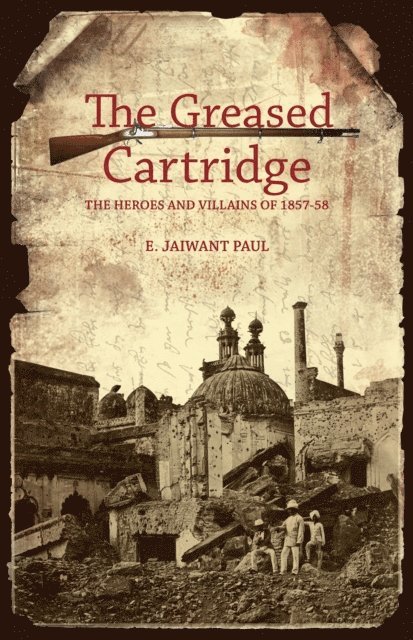
In most accounts of the revolt, the greased cartridge has been referred to as the spark and tinder that lit the flames of rebellion. The greased cartridge - what was it all about? The army so far had been quipped with the smooth-barrelled musket, which had a protracted loading procedure and was not accurate over long ranges. The new Enfield rifles, which were now being issued, had grooved or rifled barrels. This made them more accurate and gave them a longer range. The powder and bullet for the new rifle were put together in a paper cartridge. To load the rifle, the end of the cartridge containing the powder had to be bitten off so that the charge would ignite. The cartridge was then rammed down the muzzle of the rifle.. The grease used was tallow, probably containing both cow and pig fat. To "e;the cow reverencing Hindu and the pig paranoid Muslims"e; having to bite this was repellent, defiling and deadly to their religious prospects. The Revolt of 1857-58 was the biggest and bloodiest conflict against any European colonial power during the nineteenth century. This book is essentially about the heroes - Tatya Tope, Nana Saheb, Rani Lakshmi Bai, Kunwar Singh of Jagdishpur - and not to forget, a few villains. Though the revolt failed in its objective, even in failure it served a grand purpose. It was a source of inspiration for the national liberation movement, which later achieved what the revolt could not.
E-bok
Engelska, 2005107 kr
Läs direkt efter köp
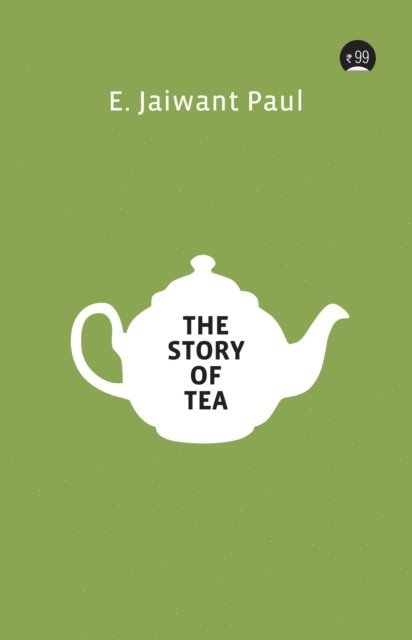
The Story of Tea traces the history, myths and rituals of growing and drinking tea from the tea gardens of China to the roadside dhabas of India. Thomas Garraway's first public sale of tea in England in 1657 was of historic importance. For this he published and distributed a poster... "e;The leaf of such known virtues ... that it is sold for twice its weight in silver. It maketh the body active and lusty. It helpth the headache, giddiness and heaviness and thereof. It is very good against stone and gravel, cleaning the kidneys and ureter. It is good against crudities, strengthening the weakness of the Ventricle or Stomack, causing good appetite and Deigestion and particularly for men of a corpulent body and such as are great eaters of flesh... It prevents and cures ague, surefeits...and fevers, by infusing a fit quantity of the leaf, thereby provoking a most gentle vomit...It drives away all pains in the Collick proceeding from wind and purgeth safety the Gall..."e; So said Thomas Garraway and indeed, many belived him!