Qadri Ismail – författare
Visar alla böcker från författaren Qadri Ismail. Handla med fri frakt och snabb leverans.
5 produkter
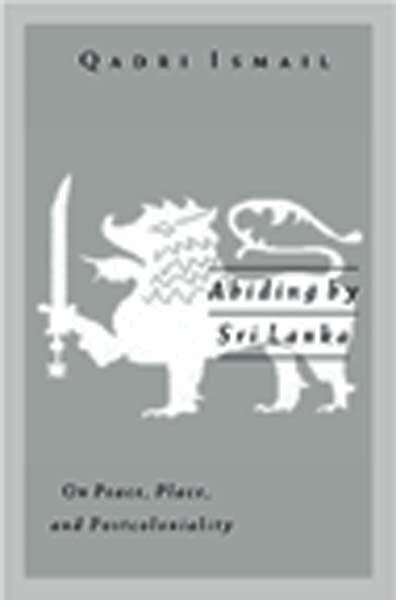
Abiding by Sri Lanka
On Peace, Place, and Postcoloniality
Av Qadri Ismail
Häftad, 2005
289 kr
Lägg i varukorg
The lack of peace in Sri Lanka is commonly portrayed as a consequence of a violent, ethnonationalist conflict between the Sinhalese majority and the Tamil minority. Viewed in this light, resolution could be attained through conflict management. But, as Qadri Ismail reveals, this is too simplistic …
Unmaking the Nation: The Politics of Identity and History in Modern Sri Lanka
Av Pradeep Jeganathan, Qadri Ismail
Häftad, 2009
276 kr
Lägg i varukorg
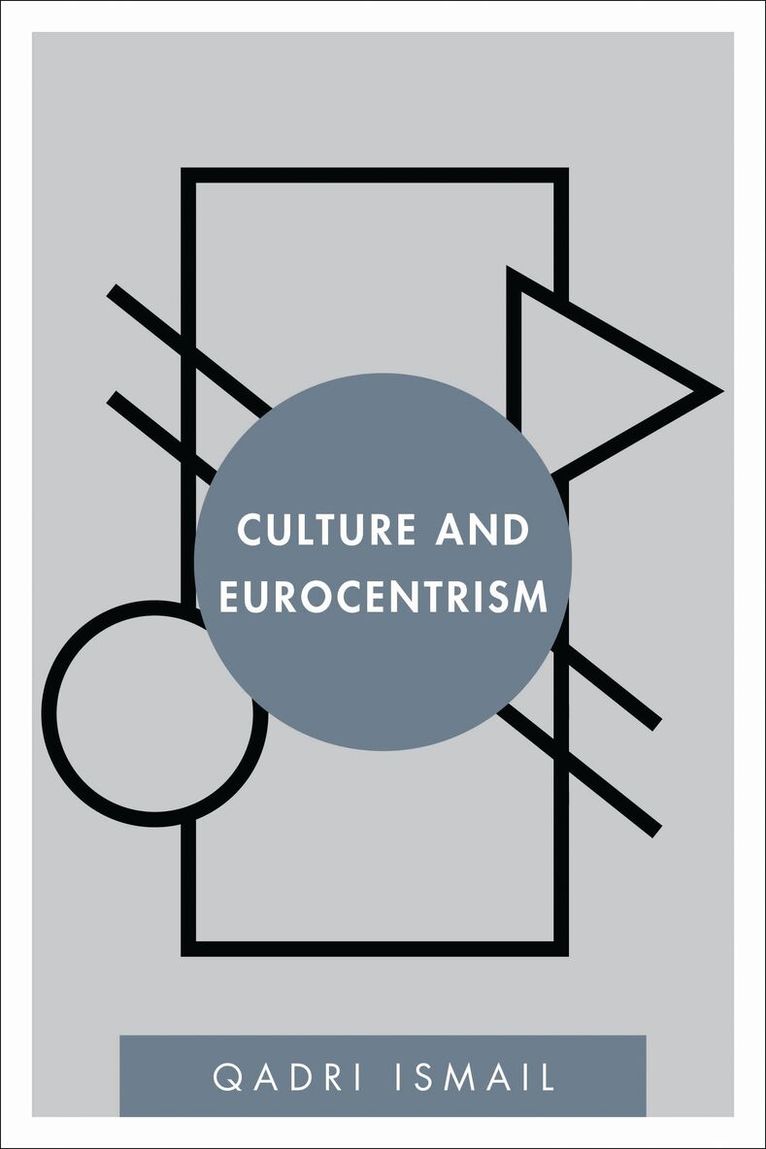
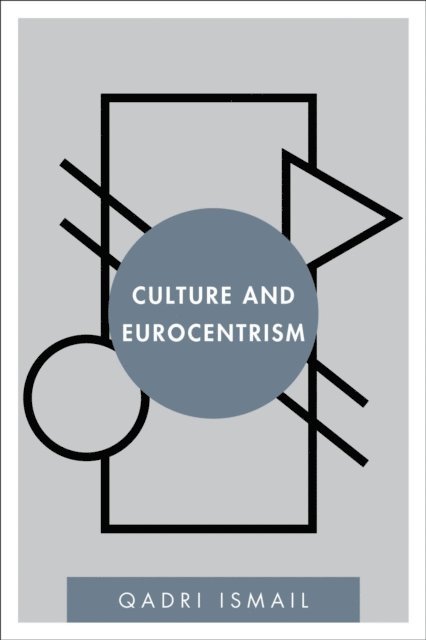
Culture and Eurocentrism
Av Qadri Ismail
Inbunden, 2015
2290 kr
Lägg i varukorg
The conviction that we all have, possess or inhabit a discrete culture, and have done so for centuries, is one of the more dominant default assumptions of our contemporary politico-intellectual moment. However, the concept of culture as a signifier of subjectivity only entered the modern Anglo-U.S. …
Culture and Eurocentrism
Av Qadri Ismail
Häftad, 2015
823 kr
Lägg i varukorg
The conviction that we all have, possess or inhabit a discrete culture, and have done so for centuries, is one of the more dominant default assumptions of our contemporary politico-intellectual moment. However, the concept of culture as a signifier of subjectivity only entered the modern Anglo-U.S. …
Culture and Eurocentrism
Av Qadri Ismail
E-bok, 2015
779 kr
Lägg i varukorg
The conviction that we all have, possess or inhabit a discrete culture, and have done so for centuries, is one of the more dominant default assumptions of our contemporary politico-intellectual moment. However, the concept of culture as a signifier of subjectivity only entered the modern Anglo-U.S. …