R. James Woolsey - Böcker
Visar alla böcker från författaren R. James Woolsey. Handla med fri frakt och snabb leverans.
4 produkter
4 produkter
1 921 kr
Skickas inom 10-15 vardagar
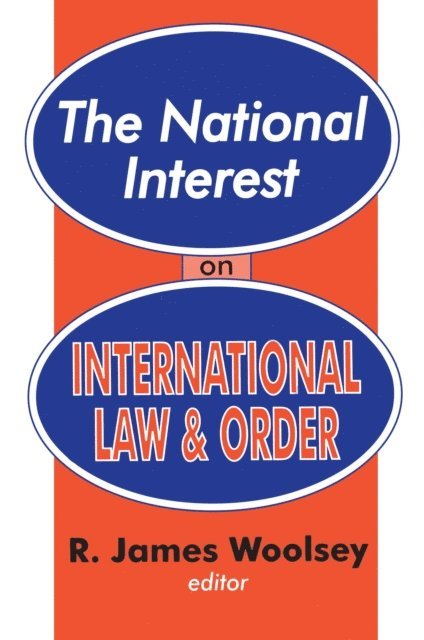
International law and the nature of the global order is regularly examined and debated among specialists. This volume brings together in one place twenty-four articles addressing these subjects, written by some of America's leading academics, lawyers, and policymakers, and originally published in The National Interest, a leading realist journal of international affairs.Prominent jurists, lawyers, and practitioners debate the role that international law should play in the formulation of policy in the first section, and whether 'international law' really exists. Authors explore such questions as the enforceable norms of global behavior, and if American foreign policy should conform to such regulations. A second section looks at the viability and utility of international institutions in advancing U.S. interests. Included are debates over the role and purpose of the United Nations and the International Criminal Court. A third Section deals with the intersection of law enforcement and foreign policy. It explores such questions as whether primary responsibility for combating global terrorism and the international drug trade should be vested with law enforcement agencies or whether it should fall under the purview of foreign policy.The final portion of the book is devoted to the question of human rights, particularly the tripartite debate between Robin Fox, Francis Fukuyama, and William F. Schulz over the nature and origins of human rights. Among the questions considered are whether human rights are an outgrowth of natural law, or are natural imperatives at odds with protecting individual dignities and freedoms. Is there a universal standard of rights, or are human rights norms derived from majority consensus?The list of distinguished contributors to this volume include John Bolton, Robert Bork, Lee Casey, Douglas Feith, Owen Harries, Senator Jesse Helms, Alan Keyes, Irving Kristol, Joseph Nye, Jeremy Rabkin, David Rivkin, Alfred P. Rubin, and Abrahama Sofaer. This volume will be of interest to legal scholars, political scientists, and students of diplomacy and international relations.
617 kr
Skickas inom 10-15 vardagar
International law and the nature of the global order is regularly examined and debated among specialists. This volume brings together in one place twenty-four articles addressing these subjects, written by some of America's leading academics, lawyers, and policymakers, and originally published in The National Interest, a leading realist journal of international affairs.Prominent jurists, lawyers, and practitioners debate the role that international law should play in the formulation of policy in the first section, and whether 'international law' really exists. Authors explore such questions as the enforceable norms of global behavior, and if American foreign policy should conform to such regulations. A second section looks at the viability and utility of international institutions in advancing U.S. interests. Included are debates over the role and purpose of the United Nations and the International Criminal Court. A third Section deals with the intersection of law enforcement and foreign policy. It explores such questions as whether primary responsibility for combating global terrorism and the international drug trade should be vested with law enforcement agencies or whether it should fall under the purview of foreign policy.The final portion of the book is devoted to the question of human rights, particularly the tripartite debate between Robin Fox, Francis Fukuyama, and William F. Schulz over the nature and origins of human rights. Among the questions considered are whether human rights are an outgrowth of natural law, or are natural imperatives at odds with protecting individual dignities and freedoms. Is there a universal standard of rights, or are human rights norms derived from majority consensus?The list of distinguished contributors to this volume include John Bolton, Robert Bork, Lee Casey, Douglas Feith, Owen Harries, Senator Jesse Helms, Alan Keyes, Irving Kristol, Joseph Nye, Jeremy Rabkin, David Rivkin, Alfred P. Rubin, and Abrahama Sofaer. This volume will be of interest to legal scholars, political scientists, and students of diplomacy and international relations.
998 kr
Tillfälligt slut
235 kr
Skickas
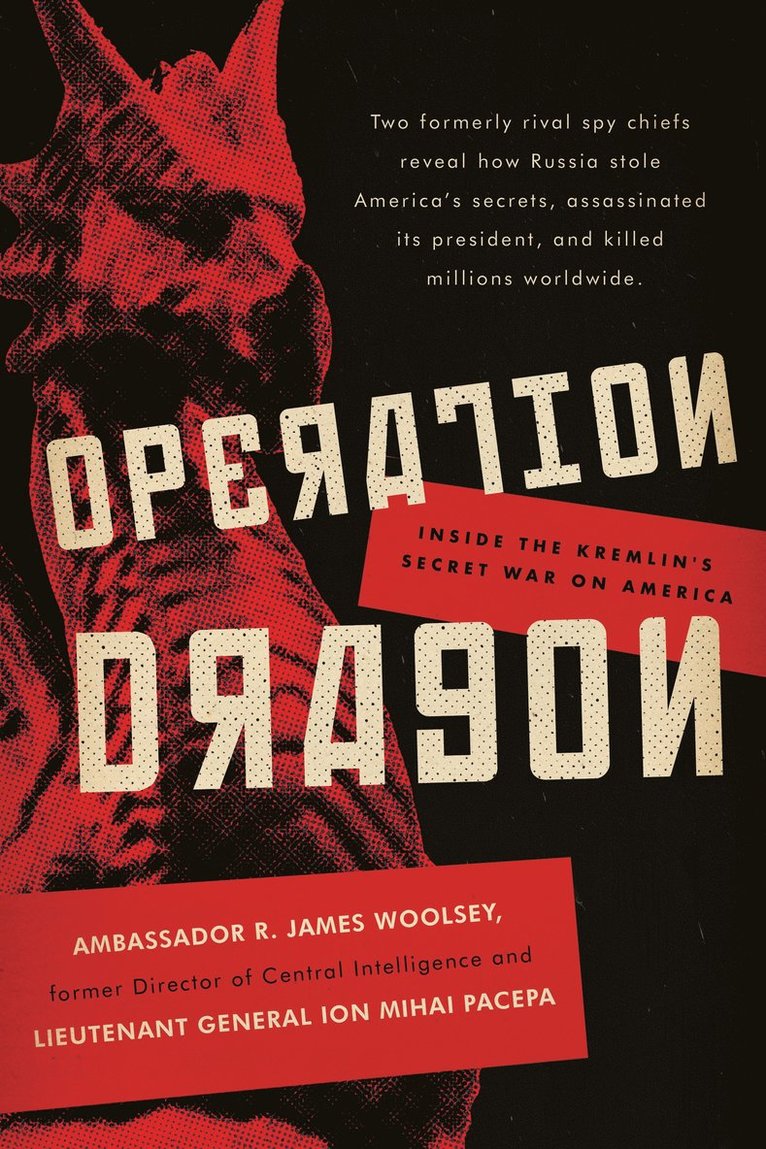
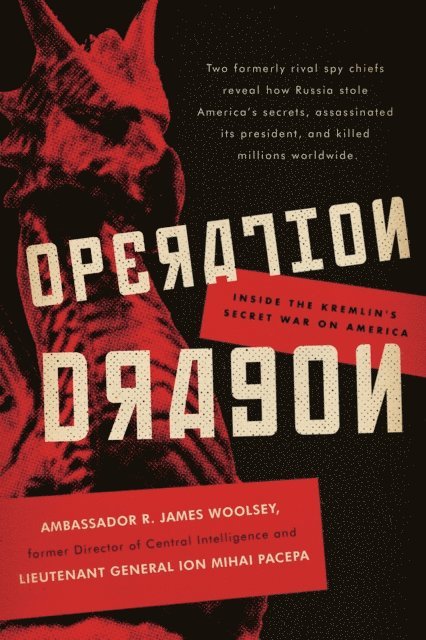
Former Director of Central Intelligence R. James Woolsey and former Romanian acting spy chief Lt. General Ion Mihai Pacepa, who was granted political asylum in the U.S. in 1978, describe why Russia remains an extremely dangerous force in the world, and they finally and definitively put to rest the question of who killed President Kennedy on November 22, 1963.All evidence points to the fact that the assassination—carried out by Lee Harvey Oswald—was ordered by Soviet Premier Nikita Khrushchev, acting through what was essentially the Russian leader’s personal army, the KGB (now known as the FSB). This evidence, which is codified as most things in foreign intelligence are, has never before been jointly decoded by a top U.S. foreign intelligence leader and a former Soviet Bloc spy chief familiar with KGB patterns and codes.Meanwhile, dozens of conspiracy theorists have written books about the JFK assassination during the past fifty-six years. Most of these theories blame America and were largely triggered by the KGB disinformation campaign implemented in the intense effort to remove Russia’s own fingerprints that blamed in turn Lyndon Johnson, the CIA, secretive groups of American oilmen, Howard Hughes, Fidel Castro, and the Mafia.Russian propaganda sowed hatred and contempt for the U.S. quite effectively, and its operations have morphed into many forms, including the recruitment of global terror groups and the backing of enemy nation- states. Yet it was the JFK assassination, with its explosive aftermath of false conspiracy theories, that set the model for blaming America first.