R. Sabadini – författare
Visar alla böcker från författaren R. Sabadini. Handla med fri frakt och snabb leverans.
6 produkter
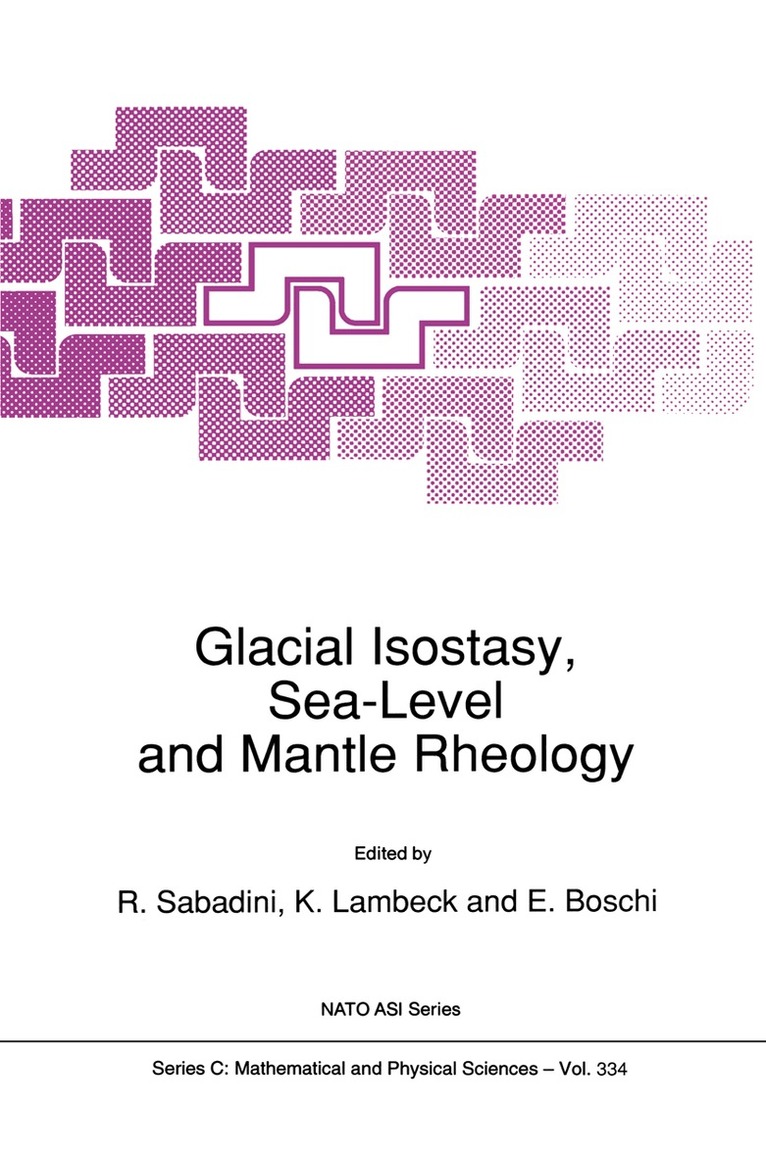
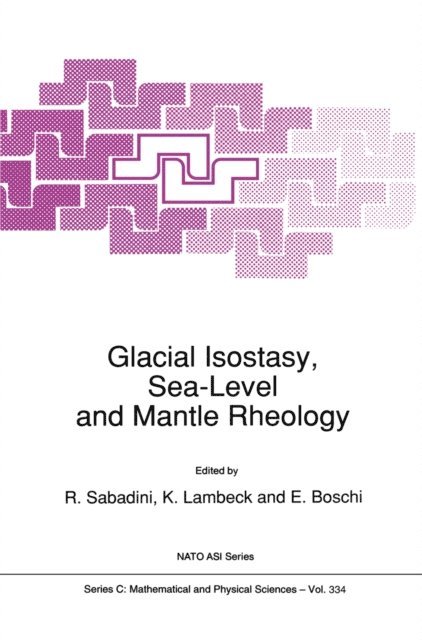
Glacial Isostasy, Sea-Level and Mantle Rheology
Av R. Sabadini, K. Lambeck m. fl.
Inbunden, 1991
3272 kr
Lägg i varukorg
by K. Lambeck, R. Sabadini and E. B08Chi Viscosity is one of the important material properties of the Earth, controlling tectonic and dynamic processes such as mantle convection, isostasy, and glacial rebound. Yet it remains a poorly resolved parameter and basic questions such as whether the …
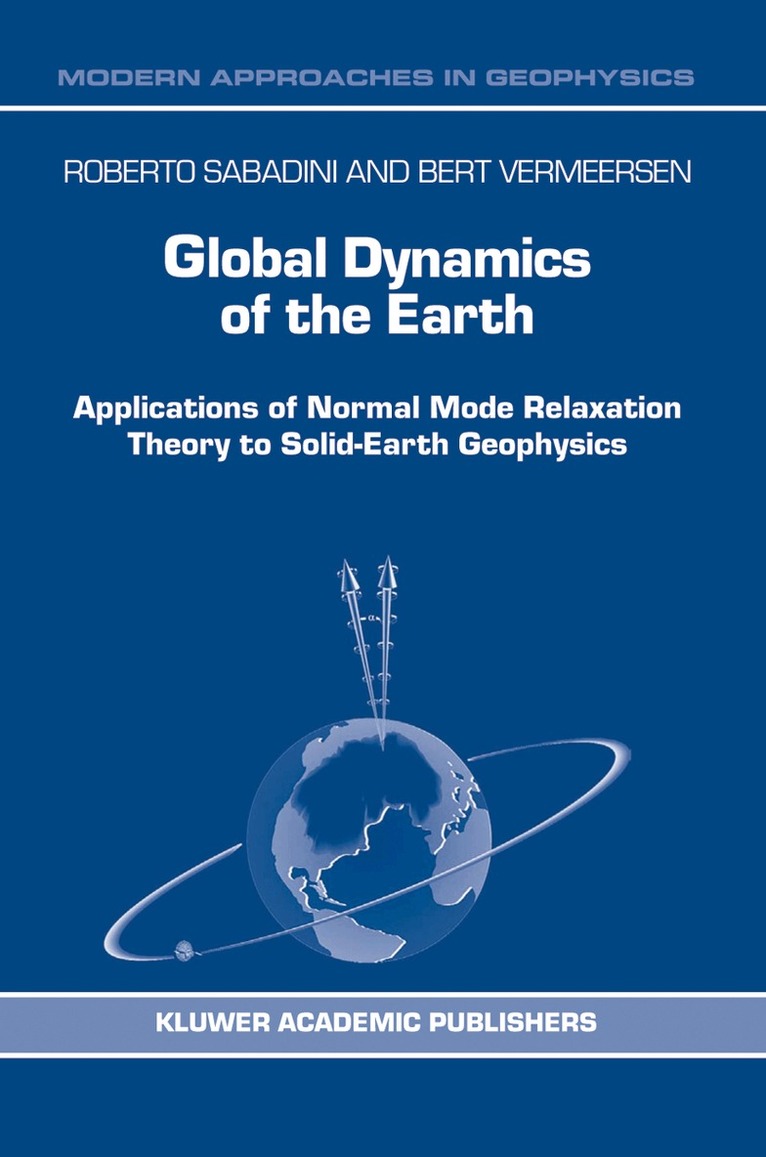
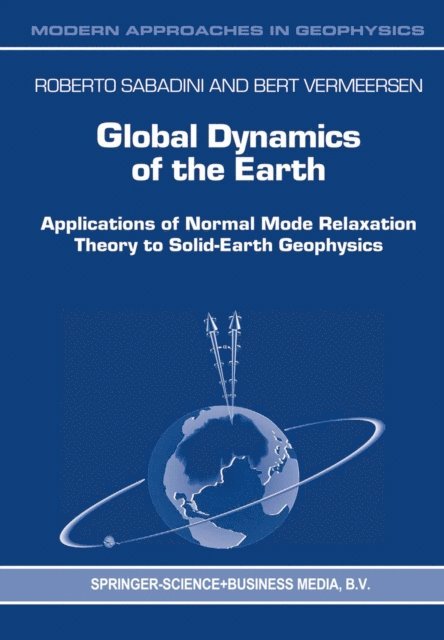
Global Dynamics of the Earth
Applications of Normal Mode Relaxation Theory to Solid-Earth Geophysics
Av R. Sabadini, Bert Vermeersen
Inbunden, 2004
1098 kr
Lägg i varukorg
This volume opens up new perspectives on the physics of the Earth's interior for graduate students and researchers working in the fields of geophysics and geodesy. It looks at our planet in an integrated fashion, linking the physics of its interior to the geophysical and geodetic techniques that …
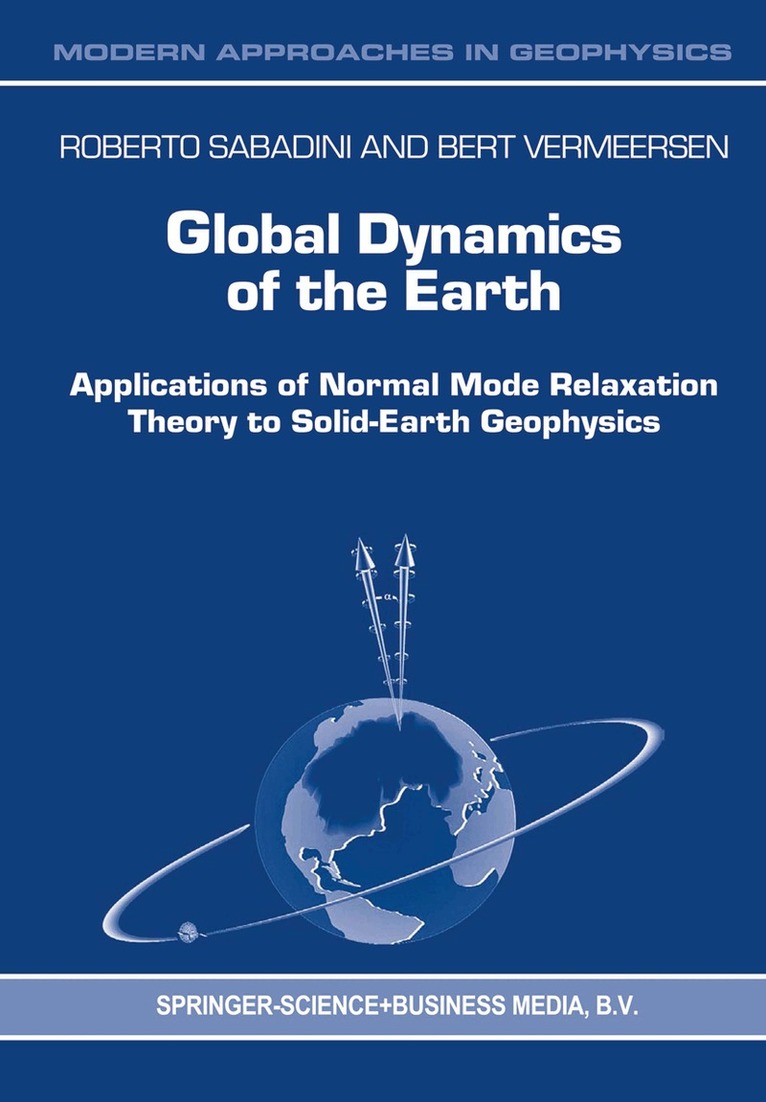
Global Dynamics of the Earth
Applications of Normal Mode Relaxation Theory to Solid-Earth Geophysics
Av R. Sabadini, Bert Vermeersen
Häftad, 2004
1098 kr
Lägg i varukorg
This volume opens up new perspectives on the physics of the Earth's interior for graduate students and researchers working in the fields of geophysics and geodesy. It looks at our planet in an integrated fashion, linking the physics of its interior to the geophysical and geodetic techniques that …
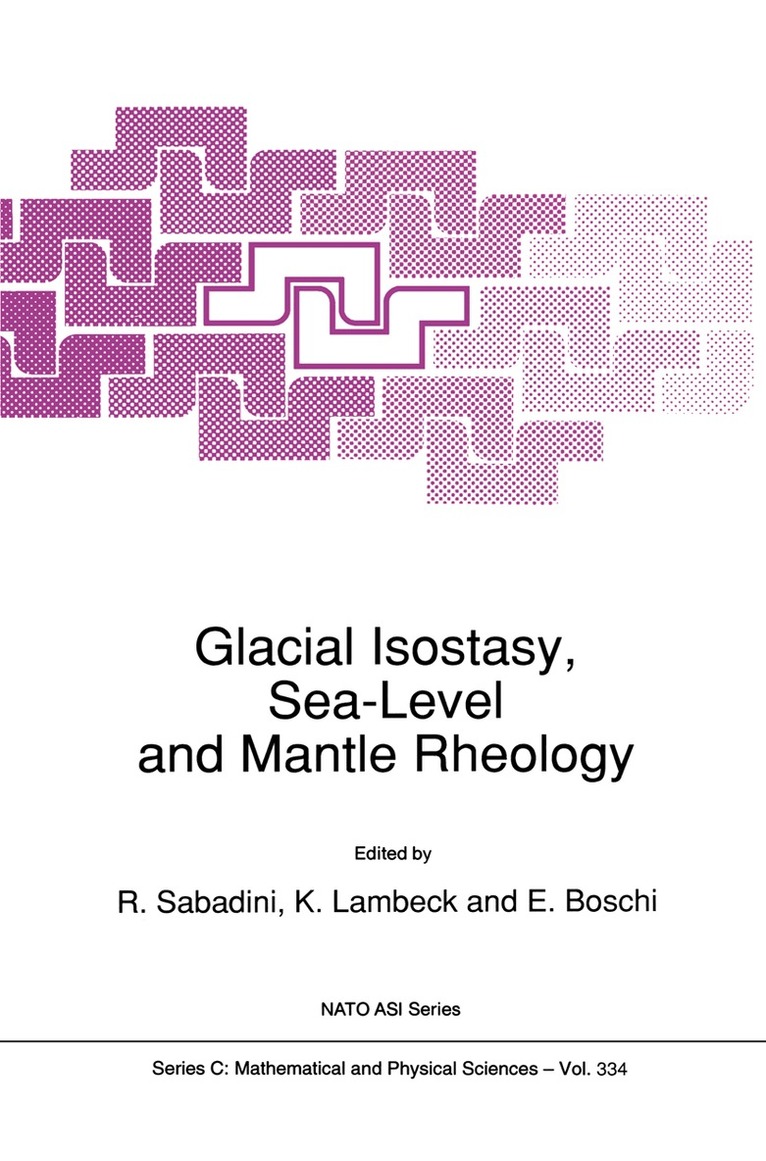
Glacial Isostasy, Sea-Level and Mantle Rheology
Av R. Sabadini, K. Lambeck m. fl.
Häftad, 2013
3272 kr
Lägg i varukorg
by K. Lambeck, R. Sabadini and E. B08Chi Viscosity is one of the important material properties of the Earth, controlling tectonic and dynamic processes such as mantle convection, isostasy, and glacial rebound. Yet it remains a poorly resolved parameter and basic questions such as whether the …
Glacial Isostasy, Sea-Level and Mantle Rheology
Av E. Boschi, K. Lambeck m. fl.
E-bok, 2012
4066 kr
Lägg i varukorg
by K. Lambeck, R. Sabadini and E. B08Chi Viscosity is one of the important material properties of the Earth, controlling tectonic and dynamic processes such as mantle convection, isostasy, and glacial rebound. Yet it remains a poorly resolved parameter and basic questions such as whether the …
Global Dynamics of the Earth
Applications of Normal Mode Relaxation Theory to Solid-Earth Geophysics
Av Bert Vermeersen, R. Sabadini
E-bok, 2014
1427 kr
Lägg i varukorg
This volume opens up new perspectives on the physics of the Earth''s interior for graduate students and researchers working in the fields of geophysics and geodesy. It looks at our planet in an integrated fashion, linking the physics of its interior to the geophysical and geodetic techniques that …