
Rachel Hachlili – författare
Visar alla böcker från författaren Rachel Hachlili. Handla med fri frakt och snabb leverans.
7 produkter
7 produkter
Häftad, Engelska, 1989
641 kr
Skickas inom 5-8 vardagar
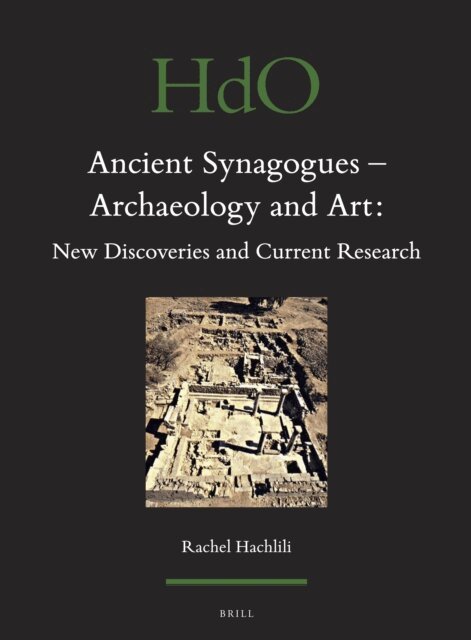
E-bok
PDF, Engelska, 20134 933 kr
Läs direkt efter köp
Ancient Synagogues - Archaeology and Art. New Discoveries and Current Research presents archaeological evidence - the architecture, art, Jewish symbols, zodiac, biblical tales, inscriptions, and coins - which attest to the importance of the synagogue. When considered as a whole, all these pieces of evidence confirm the centrality of the synagogue institution in the life of the Jewish communities all through Israel and in the Diaspora. Most importantly, the synagogue and its art and architecture played a powerful role in the preservation of the fundamental beliefs, customs, and traditions of the Jewish people following the destruction of the Second Temple and the loss of Jewish sovereignty in the Land of Israel. The book also includes a supplement of the report on the Qazion excavation.
E-bok
PDF, Engelska, 20156 823 kr
Läs direkt efter köp
Jewish Diaspora in Hellenistic, Roman and Byzantine periods from first to the eighth centuries C.E. is the subject of this work. The author thoroughly investigates origin, symbolism and significance of the mainly synagogal and funerary art forms in the Diaspora.Ancient Jewish Art and Archaeology in the Diaspora is the companion volume to the successful Ancient Jewish Art and Archeaeology in the Land of Israel (1988) by the same author.The geographical area covered includes Syria, Asia Minor, North Africa and Mediterranean Europe.The first section examines the characteristic features of Diaspora Art synagogue architecture and art (including the Torah shrine and mosaic pavements). Another section deals with burial and funerary practices. Of special importance are the sections on the Biblical scenes, designs and iconography of the Dura Europos synagogue, and the Jewish symbols such as the Menorah, ritual objects, the Ark, the conch and the Torah Scrolls.The book is richly illustrated with more than 325 drawings and photographs, some in colour.
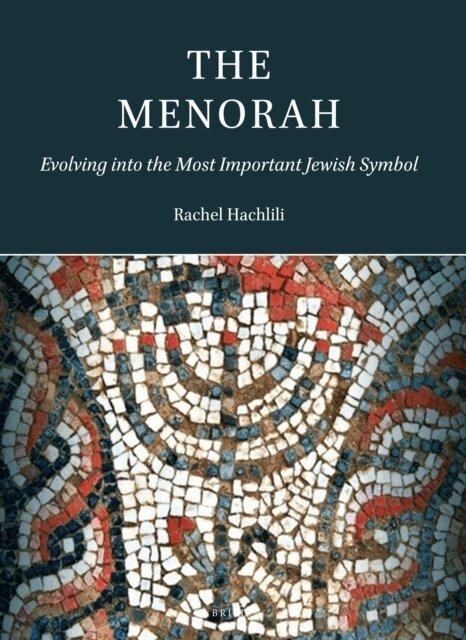
E-bok
PDF, Engelska, 20186 572 kr
Läs direkt efter köp
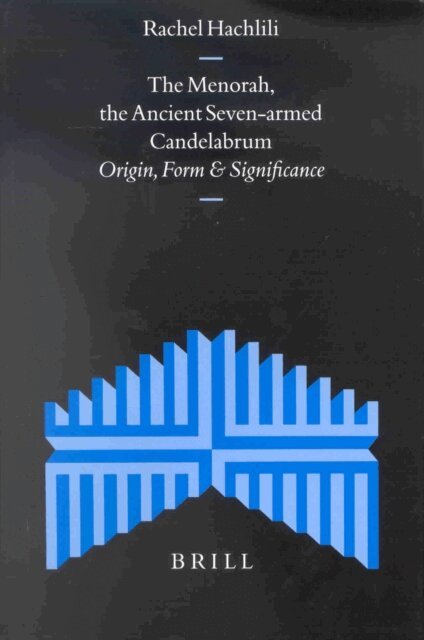
The Menorah, the ancient seven-armed candelabrum, was the most important Jewish symbol both in the Land of Israel and the Diaspora. The menorah was the most important of the Temple vessels and it also came to symbolize Judaism, when it was necessary to distinguish synagogues and Jewish tombs from Christian or pagan structures. This book is a continuation of Hachlili's earlier comprehensive study, The Menorah, the Ancient Seven-armed Candelabrum: Origin, Form and Significance. Brill, 2001. It entails the compilation and study of the material of the past two decades, presenting the theme of the menorah, focusing on its development, form, meaning, significance, and symbolism in antiquity.
E-bok
PDF, Engelska, 20215 035 kr
Läs direkt efter köp
The menorah was the most important and dominant symbol in Jewish art, both in the Land of Israel and the Diaspora. The menorah was an integral part of the Temple ritual and was the most important of the Temple vessels. Its later representation served the purpose of reminding the Jews of their previous glory as well as their pride in the Temple, and expressed the longing and hope for the renewal of the Temple services and worship. Following the destruction of the Temple, the menorah took on the profound significance of the Temple. It also came to symbolize Judaism, when it was necessary to distinguish synagogues, Jewish tombs, and catacombs from Christian or pagan structures in the Land of Israel and the Diaspora . The menorah image has been found depicted in synagogues, public buildings, homes, and the funerary context throughout the Land of Israel and the Diaspora, leaving no doubt as to which are Jewish structures. The prominent position of the menorah in Jewish art emphasizes its significance.The book is presenting the art, archaeological, historical and literary evidence for the development, form, meaning, and significance of the menorah during the Second Temple period and the Late Antiquity.
E-bok
PDF, Engelska, 20054 961 kr
Läs direkt efter köp
Research of burials constitutes one of the main reliable sources of information related to various aspects of funerary practices and rituals, and offers a perception of ancient social life and community organization. The material remains of mortuary rituals is effective in reconstructing the history of a society, its religious beliefs and its social outlook. Tombs offer ample data on the artistic taste evinced by funerary architecture and the ornamentation of receptacles and objects. Changes in Jewish funerary practices did not alter the plan and architecture of the tombs. Though the funerary rites changed from inhumation in coffins and loculi to secondary burial by collecting bones in ossuaries the artifacts associated with these graves did not modify much and indicate that these were culturally and socially identical people. The study outlines the material preserved in the ancient Jewish cemeteries of the Second Temple period (first century BCE to first century CE) at Jerusalem, Jericho, 'En Gedi, Qumran and some other tomb sites.
E-bok
PDF, Engelska, 20088 235 kr
Läs direkt efter köp
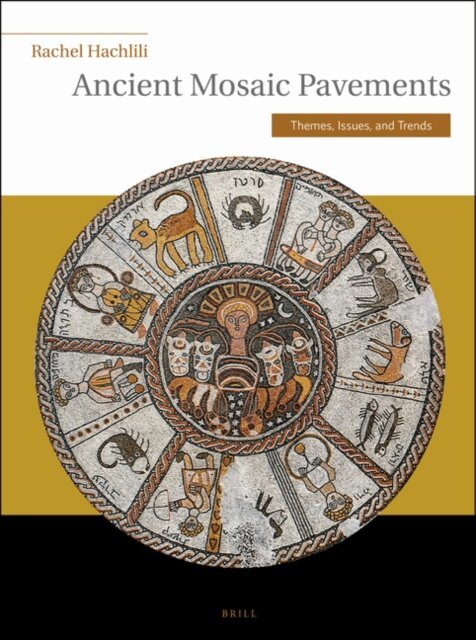
This publication is engaged in issues, trends, and themes depicted on mosaic pavements discovered in Israel, the Gaza Strip and Petra (the provinces of ancient Palaestina Prima, Secunda and Tertia) with comparable floors in Jordan (Arabia). The majority of the mosaic pavements discussed in this study are dated to the 4th-8th centuries CE. Mosaic pavements were the normal medium for decorating the floors of synagogues, churches, monasteries, and chapels, as well as public and private buildings. Inscriptions found on many of the pavements commemorate the donors, refer to the artists, and sometimes date the mosaics. The ornamentation of the mosaics in this region is remarkable, rich, and varied in its themes and provides many insights into the contemporary artistic and social cultures.