Ralph Ketcham – författare
Visar alla böcker från författaren Ralph Ketcham. Handla med fri frakt och snabb leverans.
14 produkter
Anti-Federalist Papers and the Constitutional Convention Debates
Häftad, 2003
155 kr
Lägg i varukorg
The complete texts of the documents that tell the story of the clashes and compromises that gave birth to the Unites States of America.Should the members of the government be elected by direct vote of the people? Should the government be headed by a single executive, and how powerful should that …
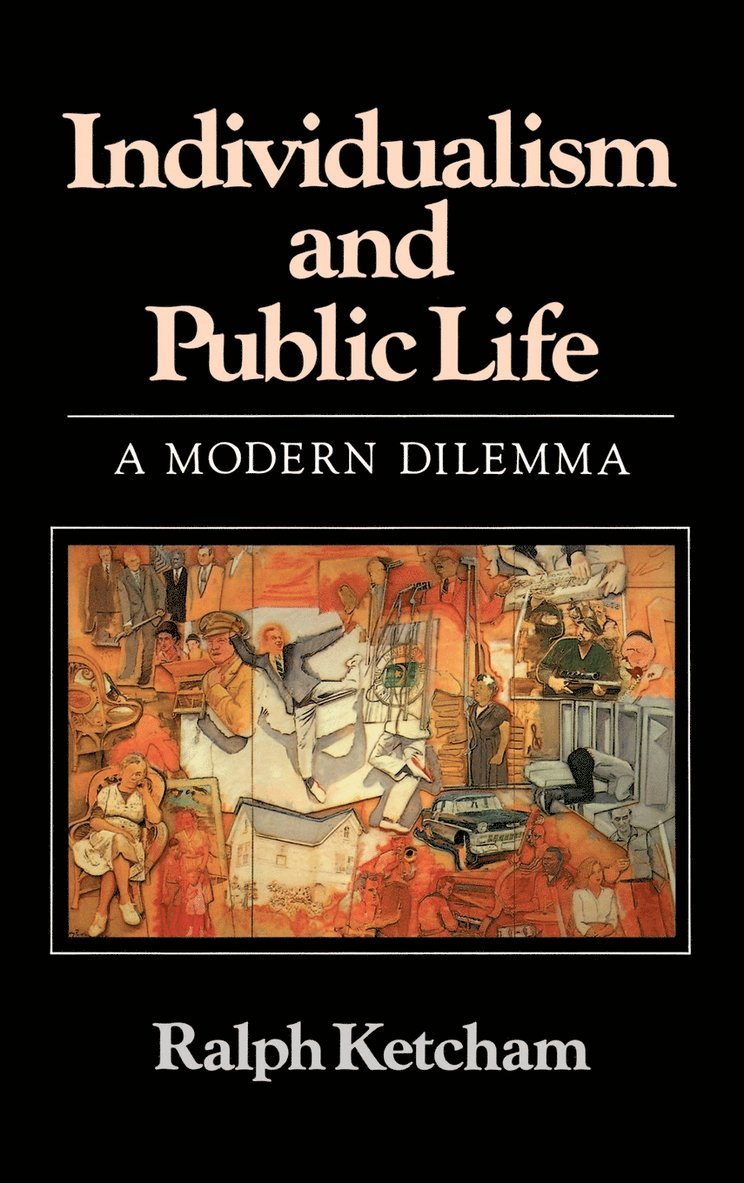
Individualism and Public Life
A Modern Dilemma
Inbunden, 1988
636 kr
Lägg i varukorg
In the spirit of recent works such as Habits of the Heart and The Closing of the American Mind, Ralph Ketcham's Individualism and Public Life asks whether the individualism which has made possible so many of the material advances we enjoy may also be the cause of the shortcomings troubling our …
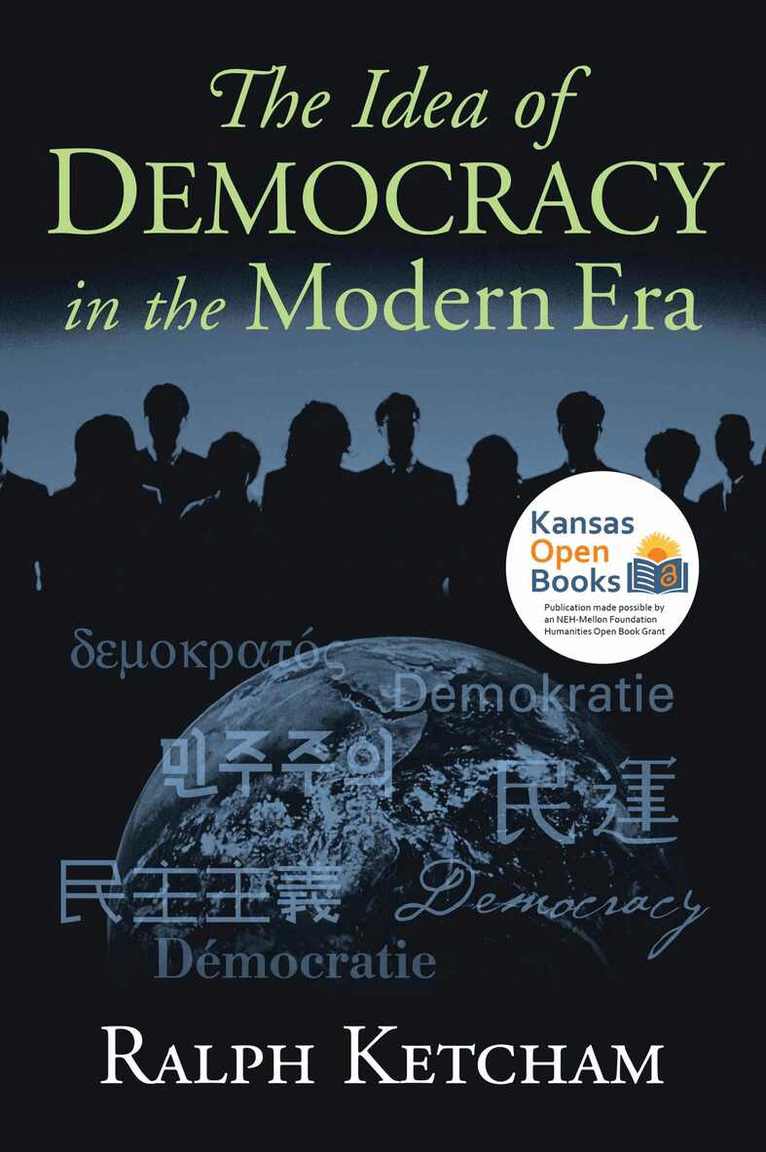
Idea of Democracy in the Modern Era
Häftad, 2021
417 kr
Lägg i varukorg
Although the last half of the twentieth century has been called the Age of Democracy, the twenty-first has already demonstrated the fragility of its apparent triumph as the dominant form of government throughout the world.Reassessing the fate of democracy for our time, distinguished political …
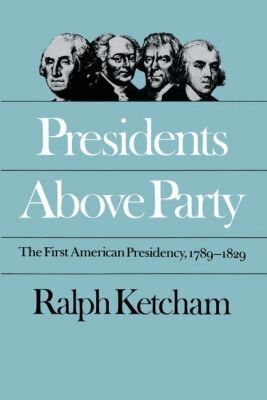
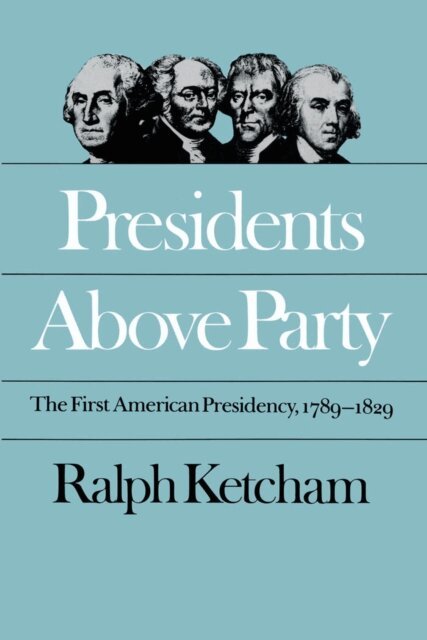
Presidents Above Party
The First American Presidency, 1789-1829
Häftad, 1987
574 kr
Lägg i varukorg
George Washington's vision was a presidency free of party, a republican, national office that would transcend faction. That vision would remain strong in the administrations of John Adams, Thomas Jefferson, James Madison, James Monroe, and John Quincy Adams, yet largely disappear under Andrew …
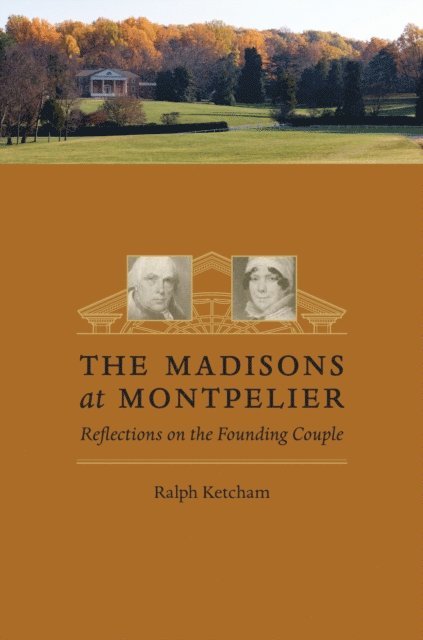
Madisons at Montpelier
Reflections on the Founding Couple
E-bok, 2009
293 kr
Lägg i varukorg
Restored to its original splendor, Montpelier is now a national shrine, but before Montpelier became a place of study and tribute, it was a home. Often kept from it by the business of the young nation, James and Dolley Madison could finally take up permanent residence when they retired from …
Madisons at Montpelier
Reflections on the Founding Couple
Häftad, 2011
266 kr
Lägg i varukorg
Restored to its original splendor, Montpelier is now a national shrine, but before Montpelier became a place of study and tribute, it was a home. Often kept from it by the business of the young nation, James and Dolley Madison could finally take up permanent residence when they retired from …
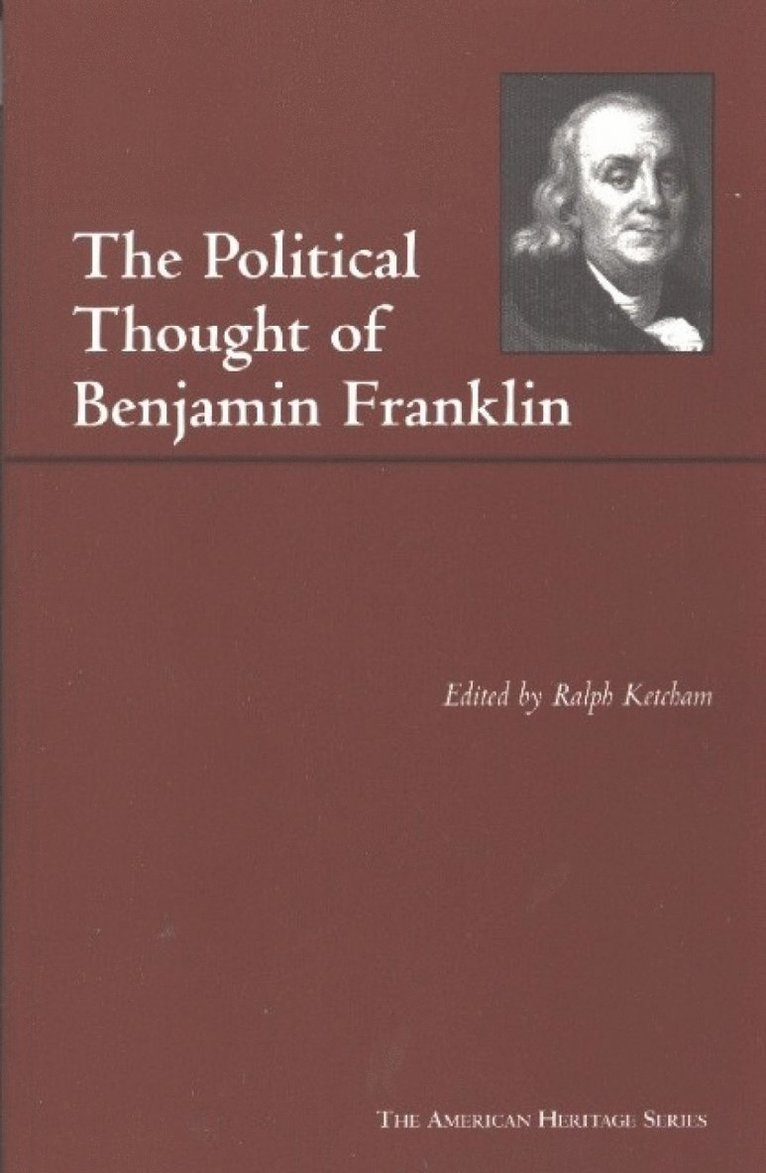
Political Thought of Benjamin Franklin
Av Benjamin Franklin, Ralph Ketcham
Häftad, 2003
175 kr
Lägg i varukorg
Too often dismissed as the least philosophic of the Founding Fathers, Benjamin Franklin had a deep and lasting impact on the shape of American political thought. In this substantial collection of Franklin’s letters, essays, and lesser-known papers, Ralph Ketcham traces the development of Franklin’s …
Political Thought of Benjamin Franklin
Av Benjamin Franklin, Ralph Ketcham
Inbunden, 2003
655 kr
Lägg i varukorg
Too often dismissed as the least philosophic of the Founding Fathers, Benjamin Franklin had a deep and lasting impact on the shape of American political thought. In this substantial collection of Franklin’s letters, essays, and lesser-known papers, Ralph Ketcham traces the development of Franklin’s …
Selected Writings of James Madison
Av James Madison, Ralph Ketcham
Inbunden, 2006
762 kr
Lägg i varukorg
The writings collected here reflect the Madison who emerges from the best scholarship of the last thirty years--scholarship to which Ralph Ketcham, as editor of The Papers of James Madison and in many other ways, has made stunning contributions. Ketcham's Introduction, a brief chronology, the text …
Anti-Federalist Papers and the Constitutional Convention Debates
E-bok, 2003
111 kr
Lägg i varukorg
The complete texts of the documents that tell the story of the clashes and compromises that gave birth to the Unites States of America. Should the members of the government be elected by direct vote of the people? Should the government be headed by a single executive, and how powerful should that …
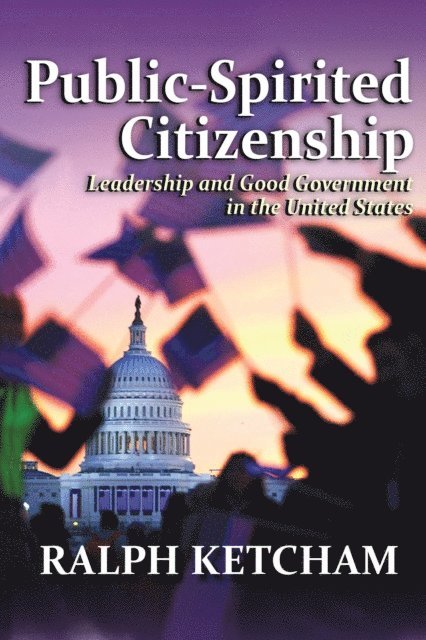
Public-Spirited Citizenship
Leadership and Good Government in the United States
E-bok, 2017
807 kr
Lägg i varukorg
Any searching look at the theory and practice of citizenship in the United States today is bewildering and disconcerting. Despite earnest concern for participation, access, and "leverage," there is a widespread perception that nothing citizens do has much meaning or influence. This book argues that …
Public-Spirited Citizenship
Leadership and Good Government in the United States
E-bok, 2017
856 kr
Lägg i varukorg
Any searching look at the theory and practice of citizenship in the United States today is bewildering and disconcerting. Despite earnest concern for participation, access, and "leverage," there is a widespread perception that nothing citizens do has much meaning or influence. This book argues that …
Public-Spirited Citizenship
Leadership and Good Government in the United States
Inbunden, 2015
2594 kr
Lägg i varukorg
Any searching look at the theory and practice of citizenship in the United States today is bewildering and disconcerting. Despite earnest concern for participation, access, and "leverage," there is a widespread perception that nothing citizens do has much meaning or influence. This book argues that …
Presidents Above Party
The First American Presidency, 1789-1829
E-bok, 2013
410 kr
Lägg i varukorg
George Washington’s vision was a presidency free of party, a republican, national office that would transcend faction. That vision would remain strong in the administrations of John Adams, Thomas Jefferson, James Madison, James Monroe, and John Quincy Adams, yet largely disappear under Andrew …