Ramesh Ganohariti – författare
Visar alla böcker från författaren Ramesh Ganohariti. Handla med fri frakt och snabb leverans.
6 produkter
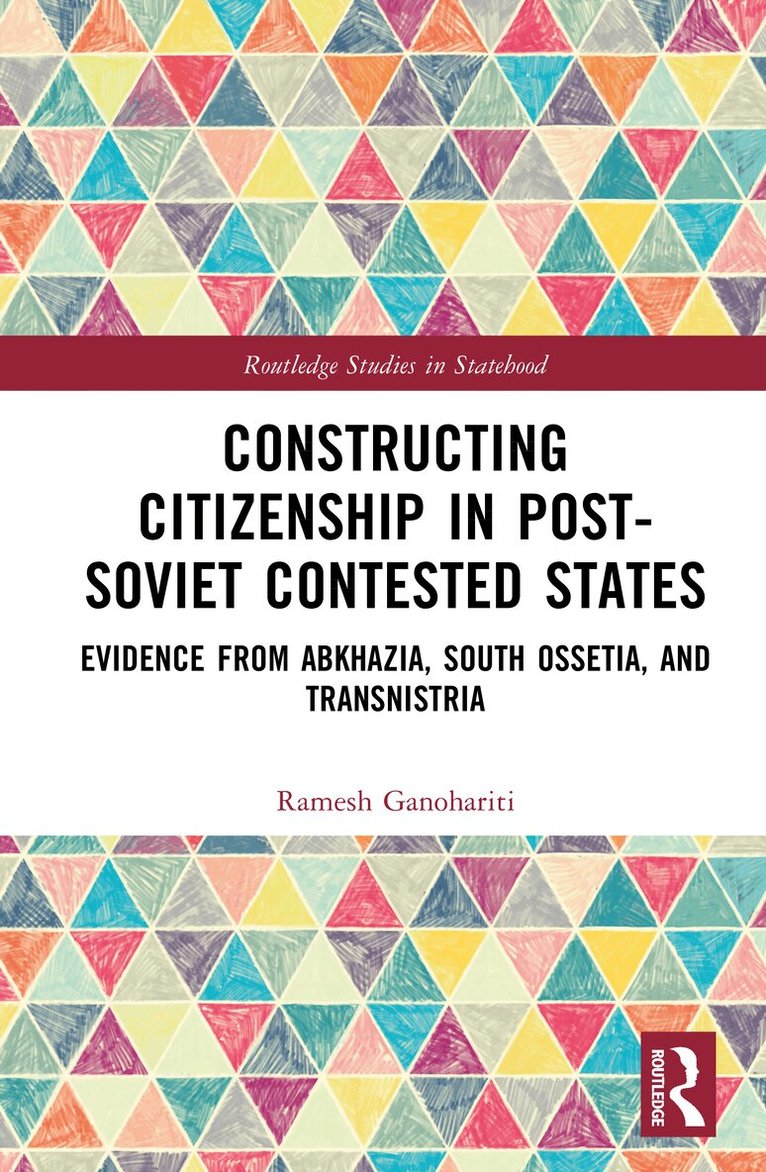
Constructing Citizenship in Post-Soviet Contested States
Evidence from Abkhazia, South Ossetia, and Transnistria
E-bok, 2026
765 kr
Lägg i varukorg
This book explains how the phenomenon of citizenship has been constructed in three contested states in the former Soviet space.Citizenship is a source of (legal) identity that provides access to resources, rights, and recognition. However, the disputed nature of contested states leads to their …
Constructing Citizenship in Post-Soviet Contested States
Evidence from Abkhazia, South Ossetia, and Transnistria
E-bok, 2026
765 kr
Lägg i varukorg
This book explains how the phenomenon of citizenship has been constructed in three contested states in the former Soviet space.Citizenship is a source of (legal) identity that provides access to resources, rights, and recognition. However, the disputed nature of contested states leads to their …
Constructing Citizenship in Post-Soviet Contested States
Evidence from Abkhazia, South Ossetia, and Transnistria
Inbunden, 2026
2317 kr
Lägg i varukorg
This book explains how the phenomenon of citizenship has been constructed in three contested states in the former Soviet space.Citizenship is a source of (legal) identity that provides access to resources, rights, and recognition. However, the disputed nature of contested states leads to their …
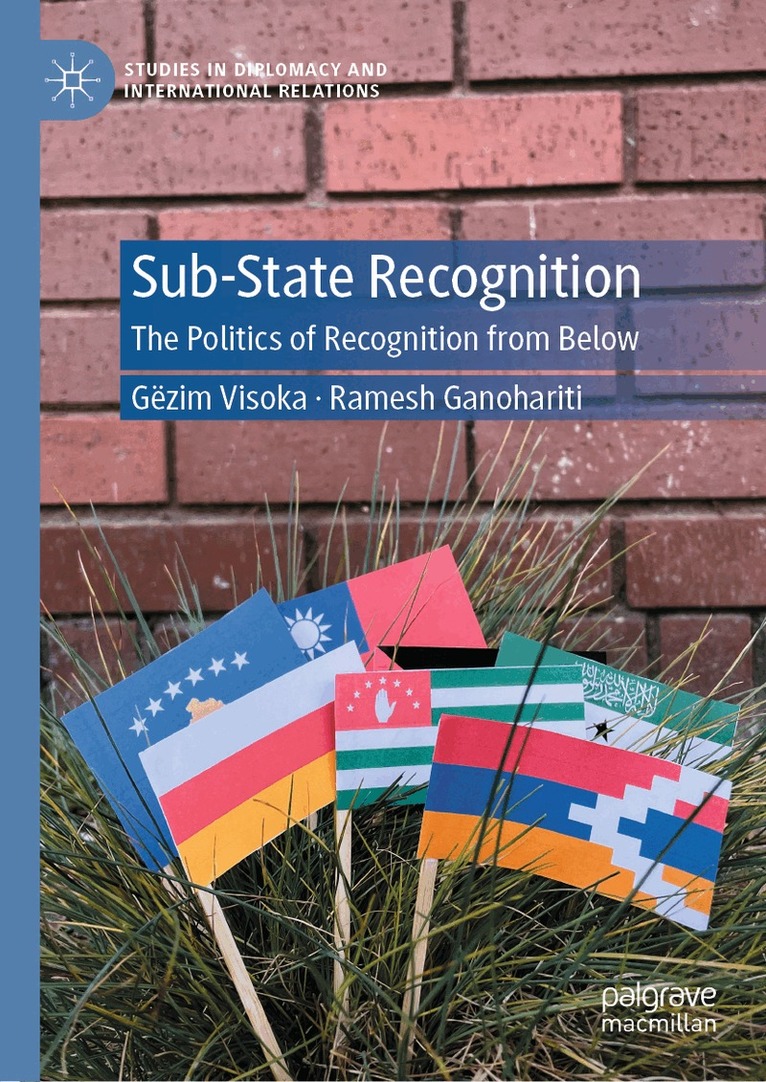
Sub-State Recognition
The Politics of Recognition from Below
Av Gëzim Visoka, Ramesh Ganohariti
Inbunden, 2025
1095 kr
Lägg i varukorg
This book examines the rise of sub-state recognition in the theory and practice of international relations and diplomacy. Sub-state recognition occurs when non-sovereign entities, such as regions, cities, or local governments, recognize or support an aspirant state or entity seeking independence or …
Sub-State Recognition
The Politics of Recognition from Below
Av Ramesh Ganohariti, Gezim Visoka
E-bok, 2025
1459 kr
Lägg i varukorg
This book examines the rise of sub-state recognition in the theory and practice of international relations and diplomacy. Sub-state recognition occurs when non-sovereign entities, such as regions, cities, or local governments, recognize or support an aspirant state or entity seeking independence or …
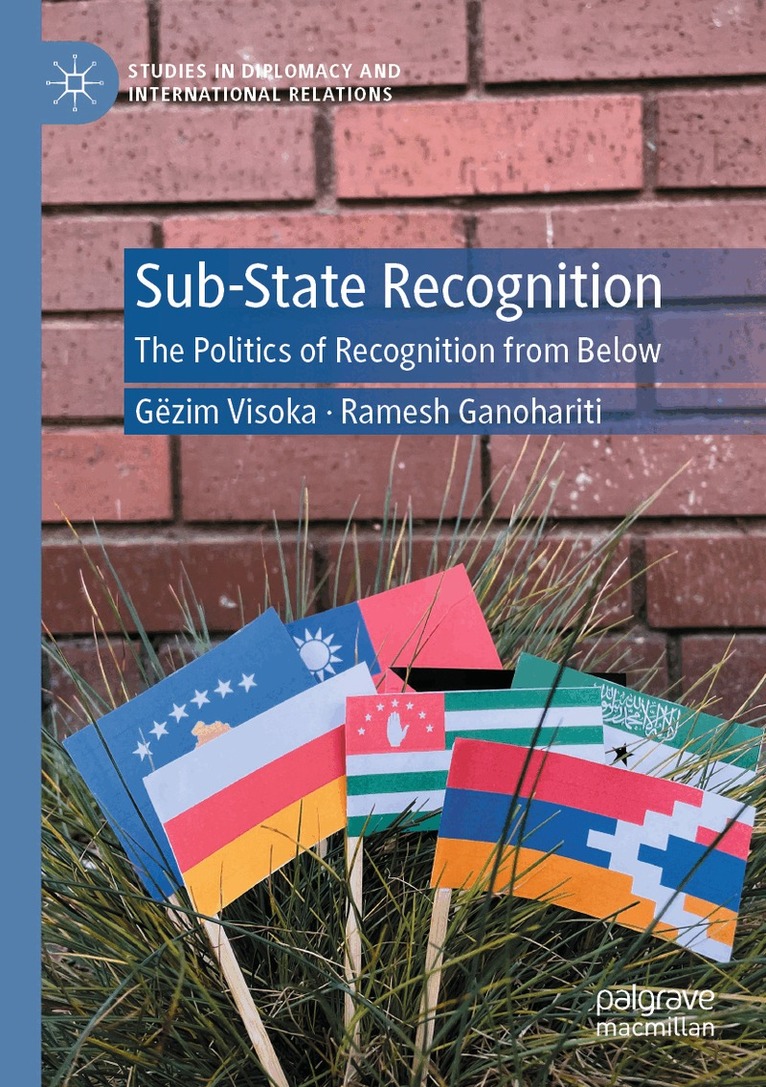
Sub-State Recognition
The Politics of Recognition from Below
Av Gëzim Visoka, Ramesh Ganohariti
Häftad, 2026
769 kr
Lägg i varukorg
This book examines the rise of sub-state recognition in the theory and practice of international relations and diplomacy. Sub-state recognition occurs when non-sovereign entities, such as regions, cities, or local governments, recognize or support an aspirant state or entity seeking independence or …