Ramnarayan S. Rawat - Böcker
Visar alla böcker från författaren Ramnarayan S. Rawat. Handla med fri frakt och snabb leverans.
5 produkter
5 produkter
285 kr
Skickas inom 7-10 vardagar
Often identified as leatherworkers or characterized as a criminal caste, Chamars of North India have long been stigmatized as untouchables. In this pathbreaking study, Ramnarayan S. Rawat shows that in fact the majority of Chamars have always been agriculturalists, and their association with the ritually impure occupation of leatherworking has largely been constructed through Hindu, colonial, and postcolonial representations of untouchability. Rawat undertakes a comprehensive reconsideration of the history, identity, and politics of this important Dalit group. Using Dalit vernacular literature, local-level archival sources, and interviews in Dalit neighborhoods, he reveals a previously unrecognized Dalit movement which has flourished in North India from the earliest decades of the 20th century and which has recently achieved major political successes.
1 308 kr
Skickas inom 10-15 vardagar
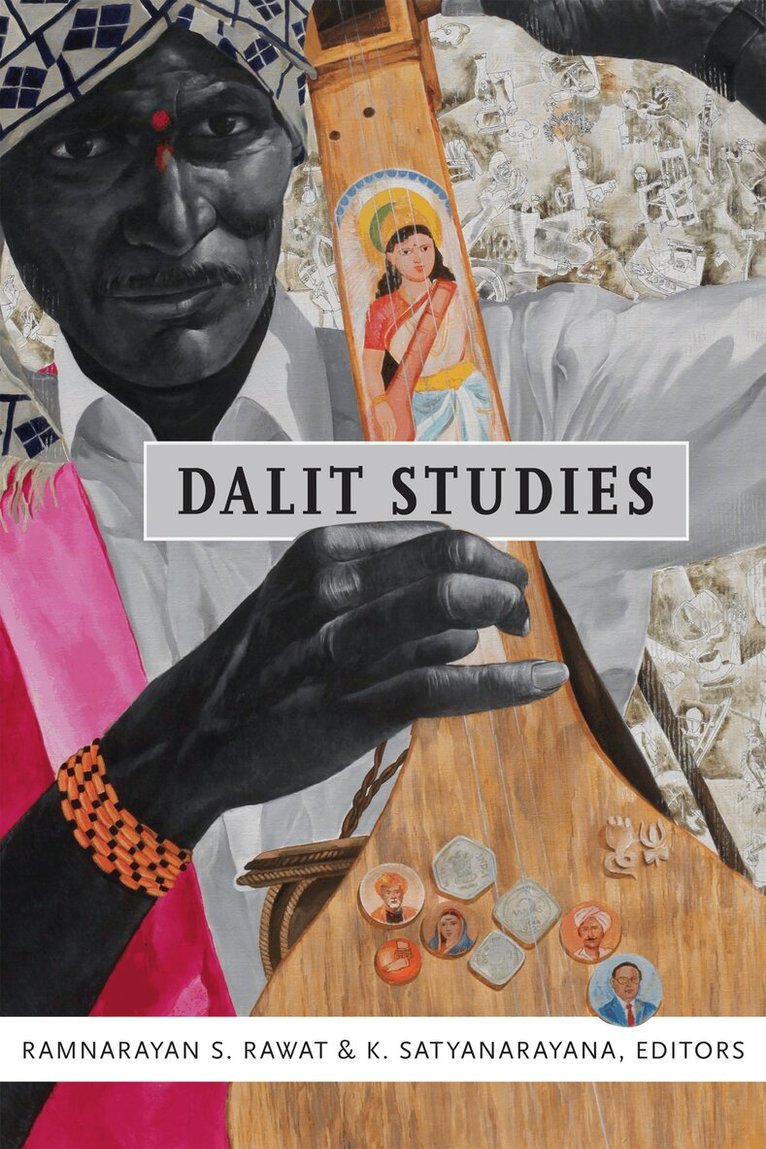
The contributors to this major intervention into Indian historiography trace the strategies through which Dalits have been marginalized as well as the ways Dalit intellectuals and leaders have shaped emancipatory politics in modern India. Moving beyond the anticolonialism/nationalism binary that dominates the study of India, the contributors assess the benefits of colonial modernity and place humiliation, dignity, and spatial exclusion at the center of Indian historiography. Several essays discuss the ways Dalits used the colonial courts and legislature to gain minority rights in the early twentieth century, while others highlight Dalit activism in social and religious spheres. The contributors also examine the struggle of contemporary middle-class Dalits to reconcile their caste and class, intercaste tensions among Sikhs, and the efforts by Dalit writers to challenge dominant constructions of secular and class-based citizenship while emphasizing the ongoing destructiveness of caste identity. In recovering the long history of Dalit struggles against caste violence, exclusion, and discrimination, Dalit Studies outlines a new agenda for the study of India, enabling a significant reconsideration of many of the Indian academy's core assumptions. Contributors: D. Shyam Babu, Laura Brueck, Sambaiah Gundimeda, Gopal Guru, Rajkumar Hans, Chinnaiah Jangam, Surinder Jodhka, P. Sanal Mohan, Ramnarayan Rawat, K. Satyanarayana
381 kr
Skickas inom 10-15 vardagar
The contributors to this major intervention into Indian historiography trace the strategies through which Dalits have been marginalized as well as the ways Dalit intellectuals and leaders have shaped emancipatory politics in modern India. Moving beyond the anticolonialism/nationalism binary that dominates the study of India, the contributors assess the benefits of colonial modernity and place humiliation, dignity, and spatial exclusion at the center of Indian historiography. Several essays discuss the ways Dalits used the colonial courts and legislature to gain minority rights in the early twentieth century, while others highlight Dalit activism in social and religious spheres. The contributors also examine the struggle of contemporary middle-class Dalits to reconcile their caste and class, intercaste tensions among Sikhs, and the efforts by Dalit writers to challenge dominant constructions of secular and class-based citizenship while emphasizing the ongoing destructiveness of caste identity. In recovering the long history of Dalit struggles against caste violence, exclusion, and discrimination, Dalit Studies outlines a new agenda for the study of India, enabling a significant reconsideration of many of the Indian academy's core assumptions. Contributors: D. Shyam Babu, Laura Brueck, Sambaiah Gundimeda, Gopal Guru, Rajkumar Hans, Chinnaiah Jangam, Surinder Jodhka, P. Sanal Mohan, Ramnarayan Rawat, K. Satyanarayana
360 kr
Skickas
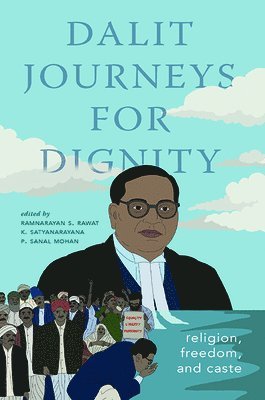
Examines the challenges and opportunities faced by Dalits in modern India.The past decade has seen a surge in Dalit studies, offering key theoretical insights into the study of marginalized groups. This collection of essays focuses on Dalit struggles for dignity in India, highlighting the search for religious alternatives and the rejection of caste-Hinduism as the first step towards self-respect. These explorations for self-worth covered everyday secular life as well. The introduction argues that these struggles played a seminal role in informing B. R. Ambedkar's ideas, including his insistence on the inclusion of "dignity" in the Indian Constitution. It looks at his concept of "moral stamina," emphasizing ethical commitment to democratic practices, and of the "social," offering innovative approaches to studying the connected histories of caste and the making of modern India.The essays that follow examine the challenges and opportunities faced by Dalits in modern India. Several explore the distinct trajectories of Dalit groups in their search for religious dignity. They reveal that conversion to Christianity, as well as reinterpretations of indigenous religious traditions—such as Buddhism and the Sant-mat religion associated with Raidas and Kabir—have helped to reconstitute untouchable selfhood. Other essays probe the struggle against caste by analyzing changes in sartorial choices, secular work, historical interpretation, and views of domestic space. Drawing from literary and archival sources as well as ethnographical fieldwork, this collection illustrates the connected histories of religion, politics, literature, and history.
1 747 kr
Skickas inom 3-6 vardagar
Examines the challenges and opportunities faced by Dalits in modern India.The past decade has seen a surge in Dalit studies, offering key theoretical insights into the study of marginalized groups. This collection of essays focuses on Dalit struggles for dignity in India, highlighting the search for religious alternatives and the rejection of caste-Hinduism as the first step towards self-respect. These explorations for self-worth covered everyday secular life as well. The introduction argues that these struggles played a seminal role in informing B. R. Ambedkar's ideas, including his insistence on the inclusion of "dignity" in the Indian Constitution. It looks at his concept of "moral stamina," emphasizing ethical commitment to democratic practices, and of the "social," offering innovative approaches to studying the connected histories of caste and the making of modern India.The essays that follow examine the challenges and opportunities faced by Dalits in modern India. Several explore the distinct trajectories of Dalit groups in their search for religious dignity. They reveal that conversion to Christianity, as well as reinterpretations of indigenous religious traditions—such as Buddhism and the Sant-mat religion associated with Raidas and Kabir—have helped to reconstitute untouchable selfhood. Other essays probe the struggle against caste by analyzing changes in sartorial choices, secular work, historical interpretation, and views of domestic space. Drawing from literary and archival sources as well as ethnographical fieldwork, this collection illustrates the connected histories of religion, politics, literature, and history.