Ray Pratt - Böcker
Visar alla böcker från författaren Ray Pratt. Handla med fri frakt och snabb leverans.
2 produkter
2 produkter
1 520 kr
Skickas inom 10-15 vardagar
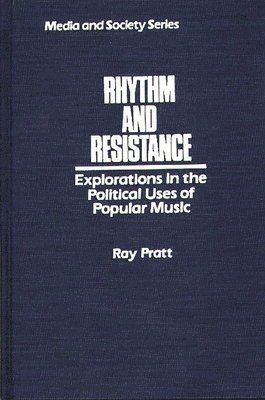
This important new study of the political uses of popular music, from the era of slavery to the present traces the search for individual identity, freedom, and dignity as it has been expressed in popular music. Beginning with the spirituals of the slaves and the gospel of the black church and continuing through the blues, jazz forms, country, folk, and rock, Pratt presents popular music as part of a continuing effort, over two centuries, to create community values and identity in the face of social transformations. The book refutes the idea that the use of popular music for expression by a socially marginal society is new. Pratt demonstrates that popular music as an expression of community identity is centuries old.Early chapters of the book explore the social and political functions of music and its relationship to the concept of culture, individualism, and freedom. Later chapters concentrate on the history and role of political messages in specific music forms: the blues, gospel, jazz, rock and soul. A summary chapter considers the future of American popular music as an instrument of political expression. Extensive references and chapter endnotes make this book an important edition to the popular culture library. Students and scholars of musicology, sociology, popular culture, and politics will find Rhythm and Resistance a valuable reference. and will be of special interest to academics engaged in research in musicology, popular culture and politics and culture.
364 kr
Skickas inom 7-10 vardagar
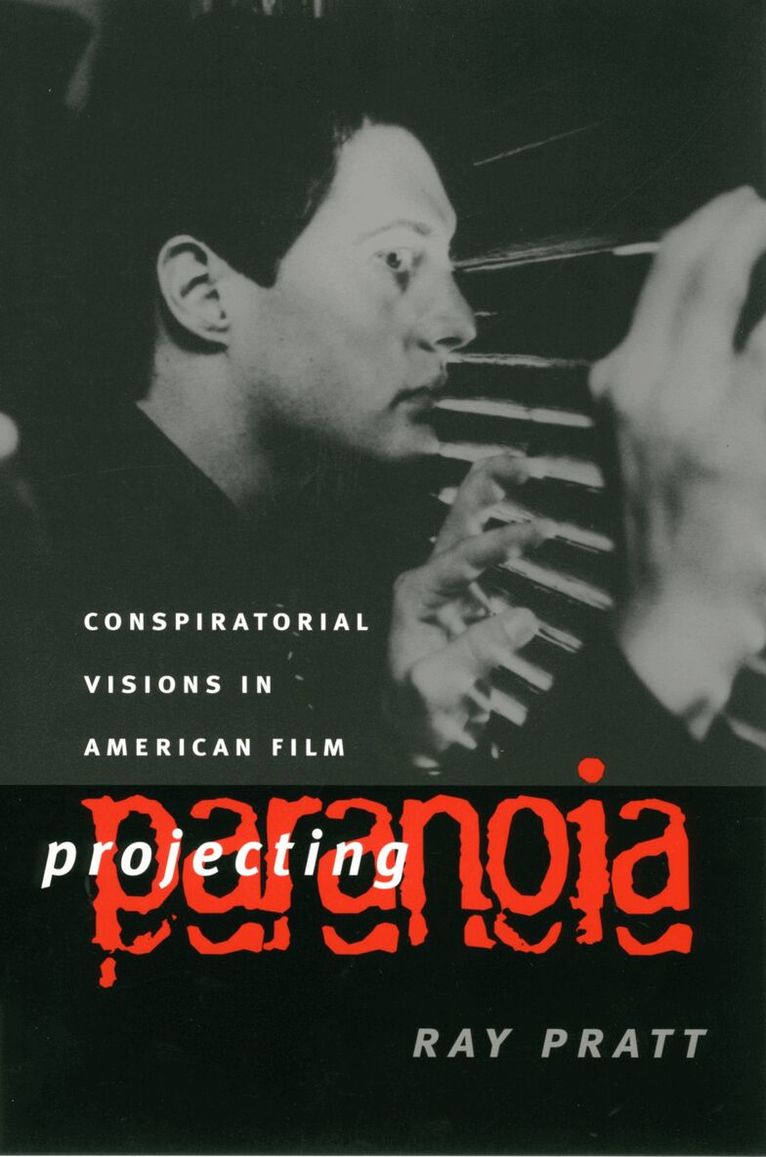
A lit cigarette glows in the dark. A faceless voice describes sinister forces that are hard at work behind the scenes - a hidden conspiracy that controls our lives and perhaps even our thoughts. Then, like a ghost in the night, the voice is gone, leaving a residue of unease and a whisper of paranoia. As emblematic as ""Deep Throat"" in ""All the President's Men"" or the ""Cigarette Smoking Man"" in the wildly popular ""X-Files"", that ghostly presence stands in for numerous other ""voices"" in a wide range of American films from the classic era of film noir through Oliver Stone's ""JFK"" and Curtis Hanson's ""L.A. Confidential"". In this sweeping and idiosyncratic synthesis of film and politics, Ray Pratt shows us how such movies are deeply rooted in post-war American culture and continue to exert an enormous influence on the national imagination. For decades American cinema has mirrored and promoted the postmodern anxieties and paranoid perceptions embedded in our society. Tapping into the moviegoing audience's own projected fears, many Hollywood films seem to confirm our belief that there are indeed secret sinister forces at work and that our lives are at risk because of them. Pratt revisits blockbusters and cult favourites alike and shows their images of conspiracy have been fostered by the public's increasing distrust of large organizations, producing in turn a cinematic ""narrative of resistance"" that challenges the status quo. He offers ""Seven Days in May"" and ""Dr. Strangelove"" as signposts of Cold War hysteria; ""Chinatown"", ""The Conversation"" and ""Missing"" as clear reflections of our distrust of political and corporate elites in the wake of Vietnam and Watergate; and ""Blue Velvet"" and ""The Stepfather"" as dark countermyths to the ""family values"" touted by Ronald Reagan in the 1980s. He also considers gender paranoia in films like ""Klute"", ""Fatal Attraction"" and ""The Silence of the Lambs"" and reminds us that sometimes, as in ""Serpico"", our guardian police forces need a bit of guarding themselves. Deftly interweaving cultural, political and film theory with fresh insights into film noir detectives, nuclear angst, sexual predators and government conspiracies, ""Projecting Paranoia"" is interesting reading for anyone interested in the American psyche or great moviemaking.