Rayna Denison - Böcker
Visar alla böcker från författaren Rayna Denison. Handla med fri frakt och snabb leverans.
10 produkter
10 produkter
314 kr
Skickas inom 10-15 vardagar
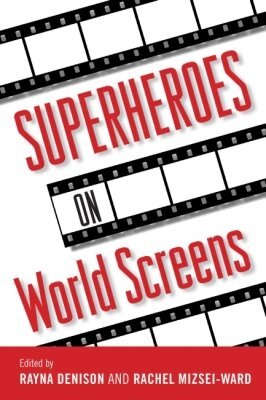
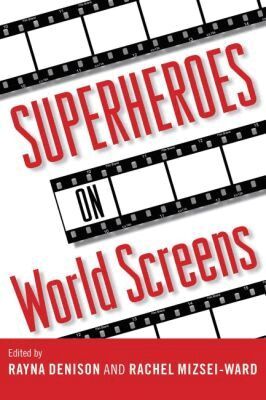
Superheroes such as Superman and Spider-Man have spread all over the world. As this edited volume shows, many national cultures have created or reimagined the idea of the superhero, while the realm of superheroes now contains many icons whose histories borrow from local folklore and legends. Consequently, the superhero needs reconsideration, to be regarded as part of both local and global culture as well as examined for the rich meanings that such broad origins and re-workings create.This collection stands out as the first concentrated attempt to think through the meanings and significance of the superhero, not only as a product of culture in the United States, but as a series of local, transnational, and global exchanges in popular media. Through analysis of mainly film, television, and computer screens, contributors offer three challenges to the idea of the ""American"" superhero: transnational reimagining of superhero culture, emerging local superheroes, and the use of local superheroes to undermine dominant political ideologies. The essays explore the shifting transnational meanings of Doctor Who, Thor, and the Phantom, as these characters are reimagined in world culture. Other chapters chart the rise of local superheroes from India, the Middle East, Thailand, and South Korea. These explorations demonstrate how far superheroes have traveled to inspire audiences worldwide.
1 808 kr
Skickas inom 10-15 vardagar
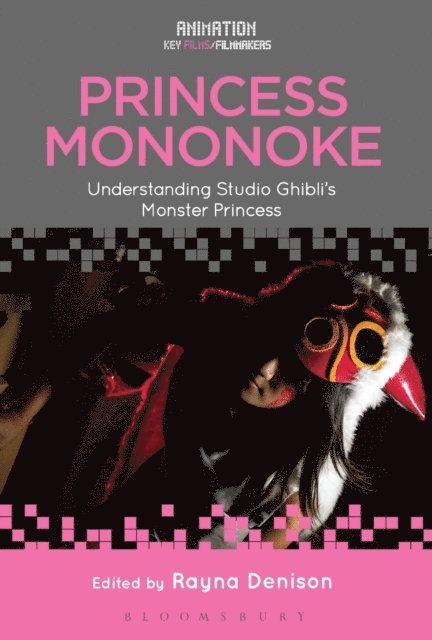
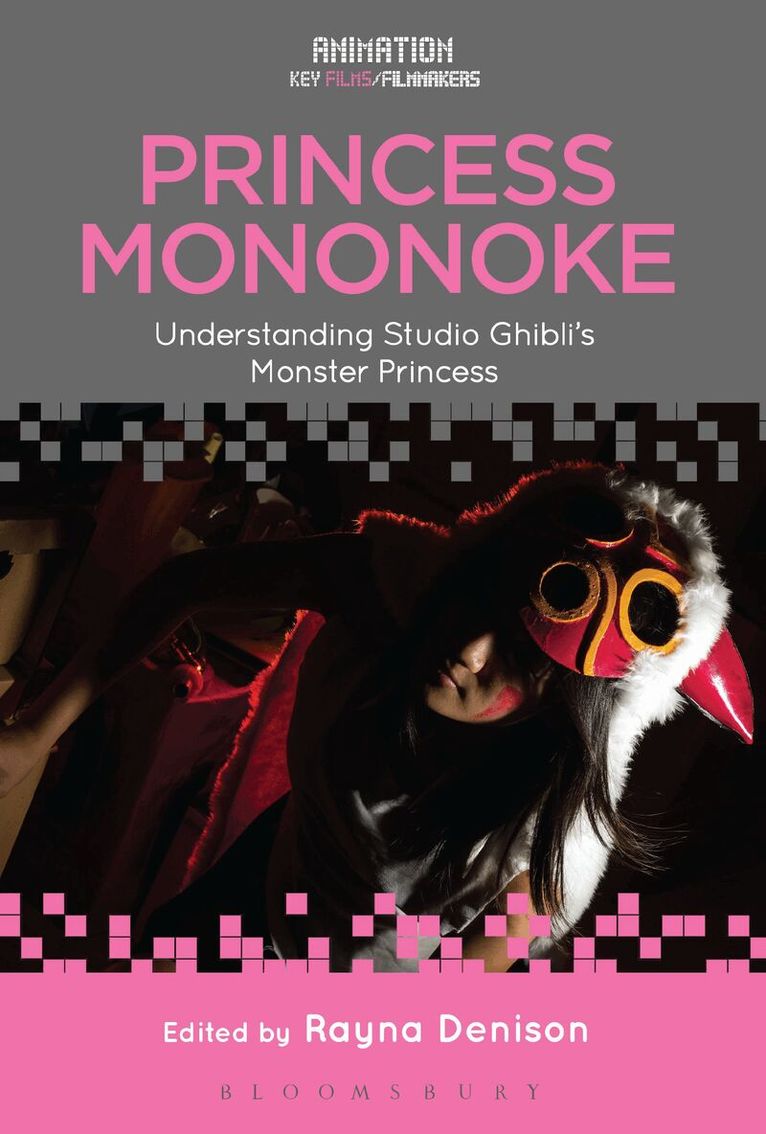
Shortlisted for the McLaren-Lambart Award 2019This book is available as open access through the Bloomsbury Open Access programme and is available on www.bloomsburycollections.com.Princess Mononoke (1997) is one of anime’s most important films. Hayao Miyazaki’s epic fantasy broke domestic box office records when it came out in Japan, keeping pace with the success of Hollywood films like Titanic (1997). Princess Mononoke was also the first of Studio Ghibli’s films to be distributed outside Japan as part of a new deal with Disney subsidiary Buena Vista International. Coinciding with the 20th anniversary of the release of the film, Rayna Denison curates this new collection to critically reflect on Princess Mononoke’s significance within and beyond Japanese culture. The collection investigates the production, and re-production, processes involved in the making of Princess Mononoke into a global phenomenon and reevaluates the film’s significance within a range of global markets, animation techniques, and cultures.In revisiting this undeniably important film, the collection sheds light on the tensions within anime and the cultural and social issues that Princess Mononoke explores, from environmental protection to globalization to the representation of marginalized groups. In this remarkable new collection, Princess Mononoke is examined as a key player during a major turning point in Japanese animation history.
504 kr
Skickas inom 10-15 vardagar
Shortlisted for the McLaren-Lambart Award 2019This book is available as open access through the Bloomsbury Open Access programme and is available on www.bloomsburycollections.com.Princess Mononoke (1997) is one of anime’s most important films. Hayao Miyazaki’s epic fantasy broke domestic box office records when it came out in Japan, keeping pace with the success of Hollywood films like Titanic (1997). Princess Mononoke was also the first of Studio Ghibli’s films to be distributed outside Japan as part of a new deal with Disney subsidiary Buena Vista International. Coinciding with the 20th anniversary of the release of the film, Rayna Denison curates this new collection to critically reflect on Princess Mononoke’s significance within and beyond Japanese culture. The collection investigates the production, and re-production, processes involved in the making of Princess Mononoke into a global phenomenon and reevaluates the film’s significance within a range of global markets, animation techniques, and cultures.In revisiting this undeniably important film, the collection sheds light on the tensions within anime and the cultural and social issues that Princess Mononoke explores, from environmental protection to globalization to the representation of marginalized groups. In this remarkable new collection, Princess Mononoke is examined as a key player during a major turning point in Japanese animation history.
744 kr
Skickas inom 10-15 vardagar
Superheroes such as Superman and Spider-Man have spread all over the world. As this edited volume shows, many national cultures have created or reimagined the idea of the superhero, while the realm of superheroes now contains many icons whose histories borrow from local folklore and legends. Consequently, the superhero needs reconsideration, to be regarded as part of both local and global culture as well as examined for the rich meanings that such broad origins and re-workings create.This collection stands out as the first concentrated attempt to think through the meanings and significance of the superhero, not only as a product of culture in the United States, but as a series of local, transnational, and global exchanges in popular media. Through analysis of mainly film, television, and computer screens, contributors offer three challenges to the idea of the ""American"" superhero: transnational reimagining of superhero culture, emerging local superheroes, and the use of local superheroes to undermine dominant political ideologies. The essays explore the shifting transnational meanings of Doctor Who, Thor, and the Phantom, as these characters are reimagined in world culture. Other chapters chart the rise of local superheroes from India, the Middle East, Thailand, and South Korea. These explorations demonstrate how far superheroes have traveled to inspire audiences worldwide.
419 kr
Skickas inom 10-15 vardagar
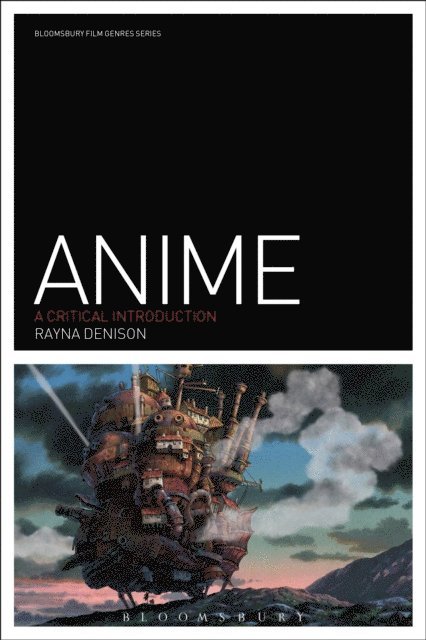
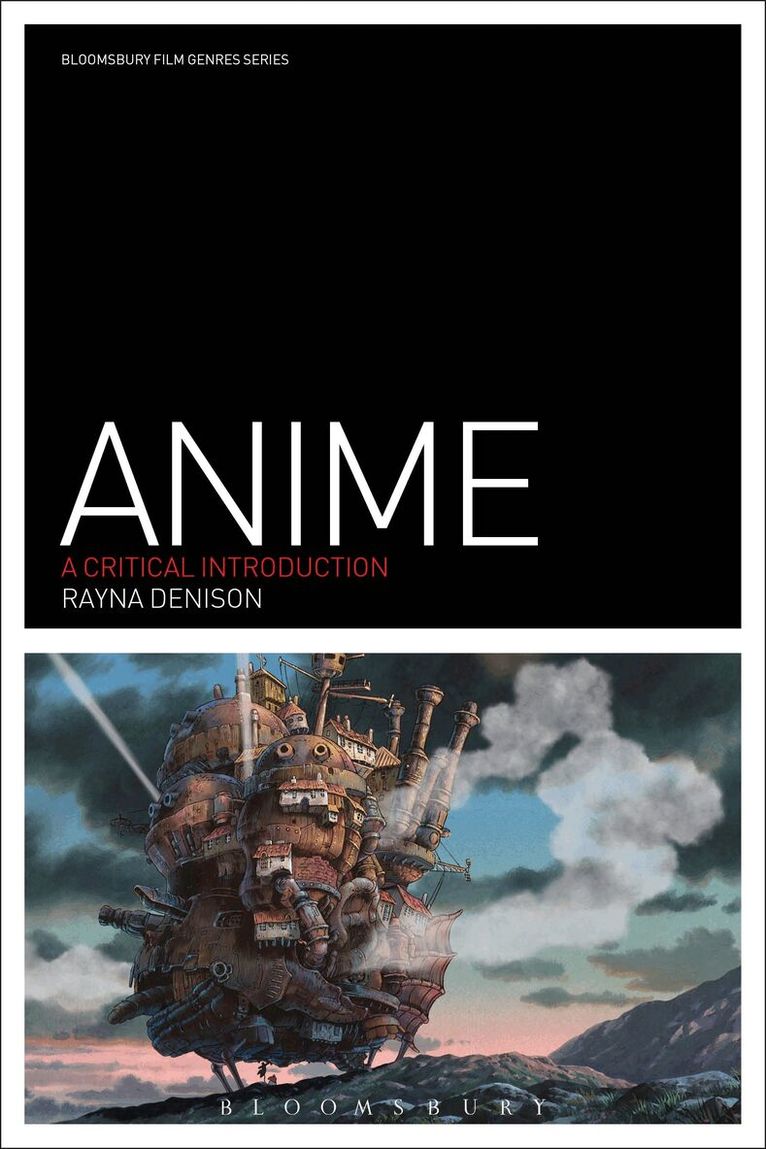
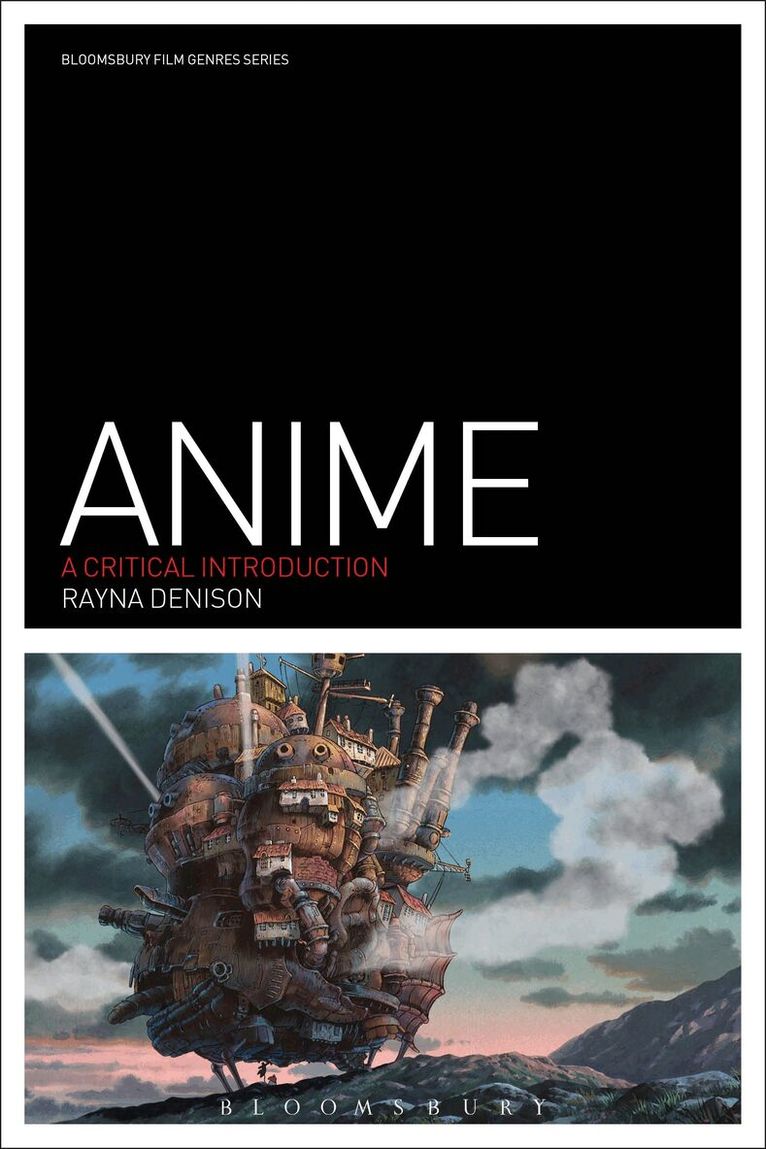
Anime: A Critical Introduction maps the genres that have thrived within Japanese animation culture, and shows how a wide range of commentators have made sense of anime through discussions of its generic landscape. From the battling robots that define the mecha genre through to Studio Ghibli’s dominant genre-brand of plucky shojo (young girl) characters, this book charts the rise of anime as a globally significant category of animation. It further thinks through the differences between anime’s local and global genres: from the less-considered niches like nichijo-kei (everyday style anime) through to the global popularity of science fiction anime, this book tackles the tensions between the markets and audiences for anime texts. Anime is consequently understood in this book as a complex cultural phenomenon: not simply a “genre,” but as an always shifting and changing set of texts. Its inherent changeability makes anime an ideal contender for global dissemination, as it can be easily re-edited, translated and then newly understood as it moves through the world’s animation markets. As such, Anime: A Critical Introduction explores anime through a range of debates that have emerged around its key film texts, through discussions of animation and violence, through debates about the cyborg and through the differences between local and global understandings of anime products. Anime: A Critical Introduction uses these debates to frame a different kind of understanding of anime, one rooted in contexts, rather than just texts. In this way, Anime: A Critical Introduction works to create a space in which we can rethink the meanings of anime as it travels around the world.
1 669 kr
Skickas inom 10-15 vardagar
Anime: A Critical Introduction maps the genres that have thrived within Japanese animation culture, and shows how a wide range of commentators have made sense of anime through discussions of its generic landscape. From the battling robots that define the mecha genre through to Studio Ghibli’s dominant genre-brand of plucky shojo (young girl) characters, this book charts the rise of anime as a globally significant category of animation. It further thinks through the differences between anime’s local and global genres: from the less-considered niches like nichijo-kei (everyday style anime) through to the global popularity of science fiction anime, this book tackles the tensions between the markets and audiences for anime texts. Anime is consequently understood in this book as a complex cultural phenomenon: not simply a “genre,” but as an always shifting and changing set of texts. Its inherent changeability makes anime an ideal contender for global dissemination, as it can be easily re-edited, translated and then newly understood as it moves through the world’s animation markets. As such, Anime: A Critical Introduction explores anime through a range of debates that have emerged around its key film texts, through discussions of animation and violence, through debates about the cyborg and through the differences between local and global understandings of anime products. Anime: A Critical Introduction uses these debates to frame a different kind of understanding of anime, one rooted in contexts, rather than just texts. In this way, Anime: A Critical Introduction works to create a space in which we can rethink the meanings of anime as it travels around the world.
1 516 kr
Skickas inom 7-10 vardagar
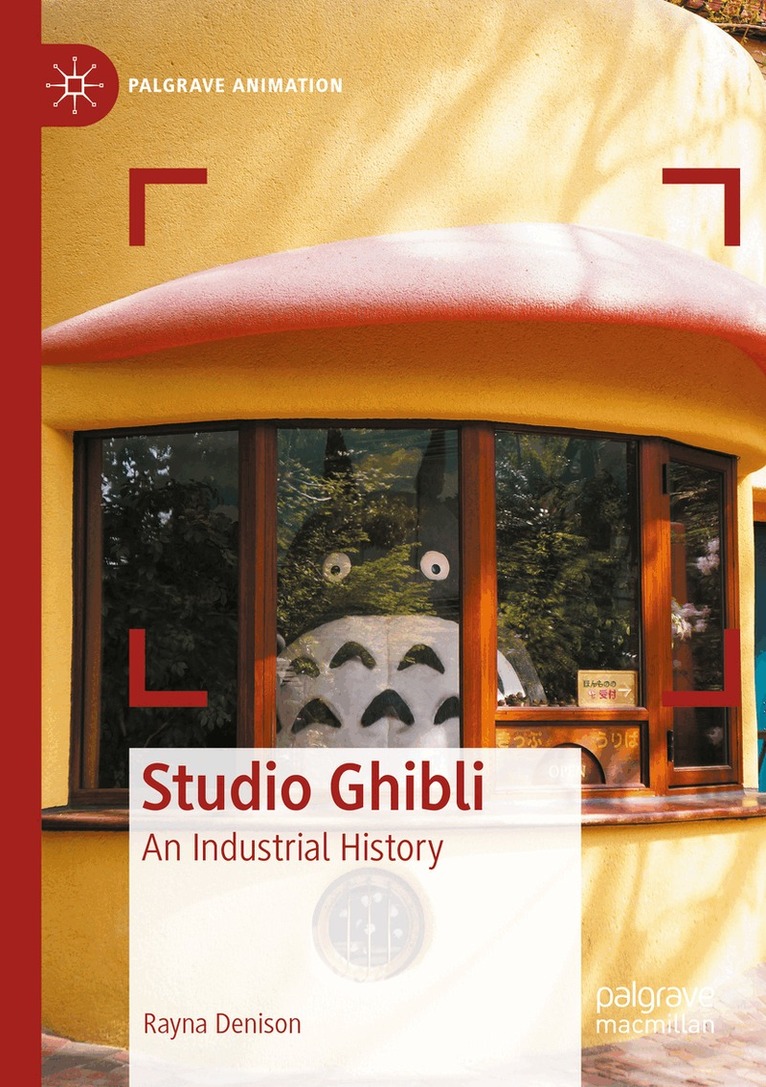
Studio Ghibli: An Industrial History takes us deep into the production world of the animation studio co-founded by Oscar-winning director Hayao Miyazaki.
653 kr
Skickas inom 5-8 vardagar
1 516 kr
Skickas inom 10-15 vardagar
Studio Ghibli: An Industrial History takes us deep into the production world of the animation studio co-founded by Oscar-winning director Hayao Miyazaki.
840 kr
Skickas inom 7-10 vardagar
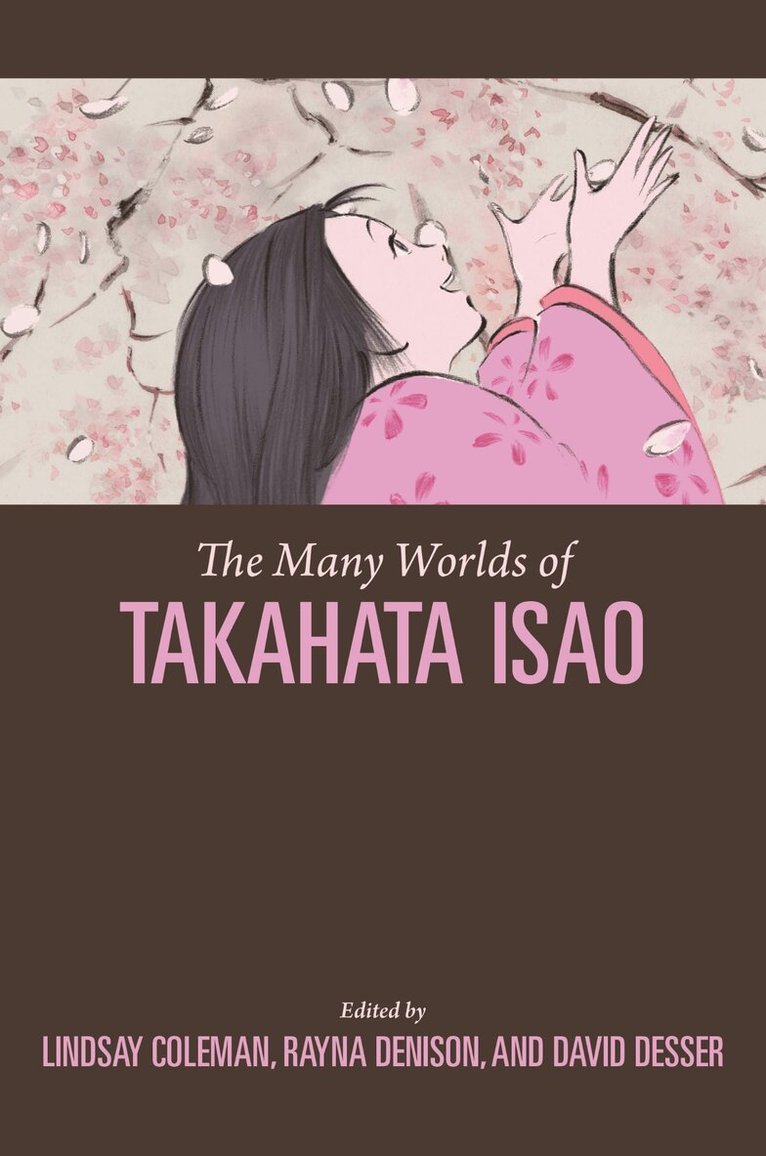
Takahata Isao (1935–2018), often referred to as the "Second Pillar" of the renowned Studio Ghibli, is one of the most esteemed animation directors in the history of the form. He is also the first, and thus far the only, anime director to have a solo exhibition at the prestigious National Museum of Modern Art in Tokyo and was widely recognized for his advocacy of environmental and pacifist causes. Takahata’s distinctive vision and range and diverse contributions in both television and film have left an enduring mark on the genre, earning him a place of high regard among anime enthusiasts and scholars alike. The Many Worlds of Takahata Isao is the first English-language book dedicated to exploring lesser-known works and aspects of Takahata’s career and providing in-depth analyses of the films that garnered him international acclaim. Bringing together some of the foremost authorities on anime, it examines his pioneering television work on World Masterpiece Theater and its precursors (1974–1979) and Chie the Brat (1981–1983), as well as his directorial feature film debut Horus, Prince of the Sun (1968) and the documentary The Story of Yanagawa’s Waterways (1987), which combines live-action and animation. The book delves into Takahata’s best-known films, including Grave of the Fireflies (1988), the intensely moving story of children caught in the fire-bombing of Japan during World War II; the endearing, "Ozu-esque" Only Yesterday (1991); Pom Poko (1994), known not only for its humor and striking visual effects, but also for its sharp critique of ecological and cultural loss; the stylistically innovative My Neighbors the Yamadas (1999); and Takahata’s final feature, The Tale of Princess Kaguya (2013), celebrated by many as a masterpiece of animation and storytelling.